
Navigating the process of obtaining a car title in Florida, especially for those new to the Sunshine State, can feel like a complex journey. Whether you’ve recently purchased a vehicle, inherited one, or moved to Florida with your car, understanding the requirements and steps involved is crucial. This guide aims to demystify the Florida car title process, offering a clear roadmap to ensure you get your vehicle legally registered and titled without unnecessary hurdles. While the primary focus of our website often revolves around the joys of travel, from exploring vibrant destinations and luxurious resorts to uncovering local culture and experiencing diverse lifestyle options, we understand that practical matters like vehicle titling are an integral part of establishing yourself in a new place or managing your assets.
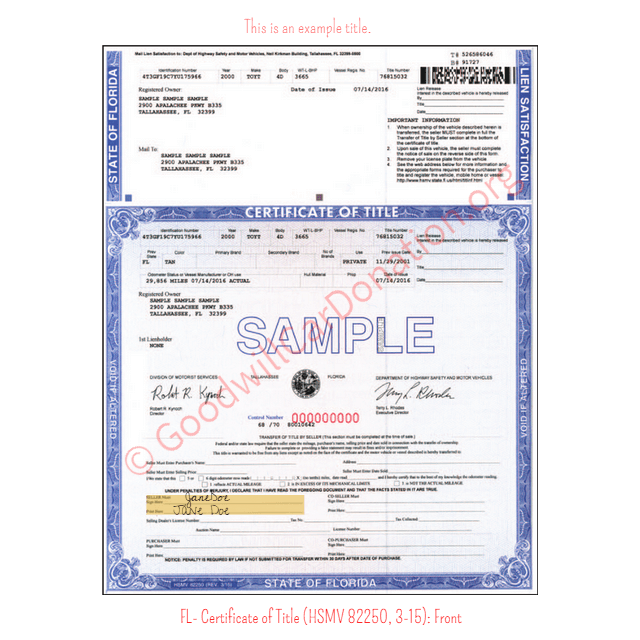
The Florida Department of Highway Safety and Motor Vehicles (FLHSMV) oversees vehicle titling and registration. The core document you’ll need is a Certificate of Title, which serves as legal proof of ownership. Without a title, you cannot legally sell, transfer, or even register your vehicle in Florida. Therefore, securing this document promptly and accurately is a priority. This guide will break down the process into manageable sections, covering the essential documentation, the steps involved, and common scenarios you might encounter.
Understanding the Florida Certificate of Title
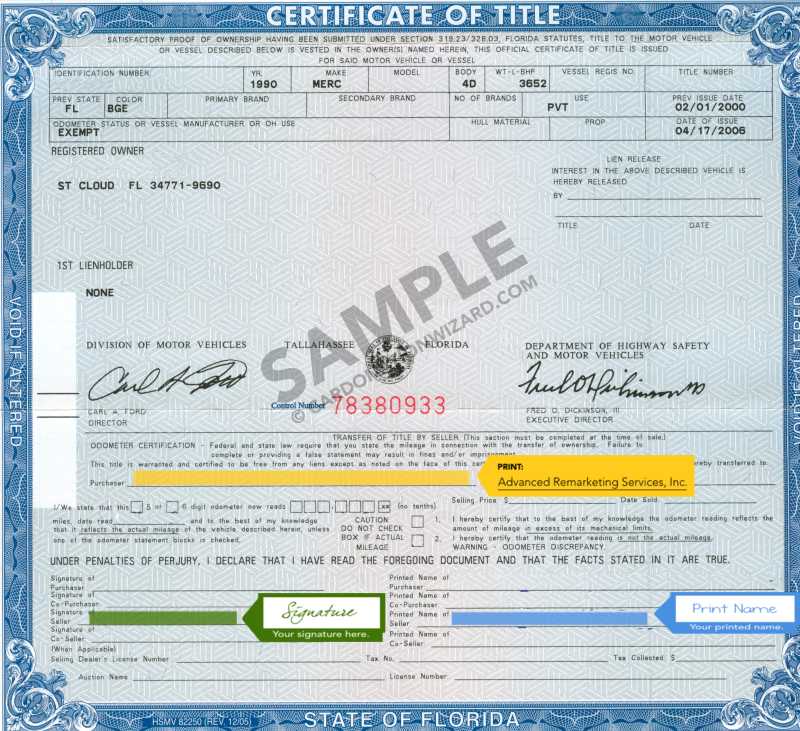
A Florida Certificate of Title is a vital legal document that identifies the owner of a motor vehicle. It contains critical information about the vehicle, including its make, model, year, Vehicle Identification Number (VIN), and the name and address of the registered owner. It also details any liens placed on the vehicle, such as loans from a bank. Obtaining a title is a fundamental step in ensuring your vehicle is legally recognized and compliant with state regulations.
What is a Car Title?
At its essence, a car title is more than just a piece of paper; it’s proof of ownership. In Florida, the title is issued by the FLHSMV. This document is critical for several reasons:
- Proof of Ownership: It unequivocally establishes who legally owns the vehicle. This is essential for any transaction involving the car, from selling it to settling insurance claims.
- Transfer of Ownership: When you buy or sell a vehicle, the title must be transferred from the seller to the buyer. This is a mandatory part of the sale process.
- Registration and Licensing: To legally operate a vehicle on Florida roads, it must be registered and have valid license plates. You generally need a title to complete the registration process.
- Lien Information: If you financed your vehicle, the title will typically show the lienholder (the financial institution that provided the loan). Once the loan is paid off, the lien must be released on the title.
Why is a Florida Title Important?
The importance of a Florida title cannot be overstated. It safeguards you as the owner and is a requirement for numerous legal and administrative processes. Without a valid title, you might face difficulties:
- Selling Your Vehicle: A buyer will not purchase a vehicle without a clear title, as they need it to register the car in their name.
- Registering Your Vehicle: The FLHSMV requires a title to register your vehicle and issue license plates.
- Claiming Insurance: In the event of theft or damage, proving ownership through a title is essential for insurance claims.
- Avoiding Fraud: A properly titled vehicle helps prevent title fraud and ensures you are not unknowingly purchasing a stolen vehicle.
Steps to Obtain Your Florida Car Title
The process of getting a car title in Florida depends on how you acquired the vehicle. However, the general pathway involves gathering necessary documents, visiting a county tax collector’s office, and submitting an application.
The Application Process
The primary form you’ll need is the “Application for Certificate of Title With/Without Registration” (HSMV 82040). This form requires detailed information about you, the vehicle, and how you obtained it.
Essential Documentation
Regardless of the specific scenario, several documents are almost always required:
- Proof of Ownership: This is the most critical document. It can be the previous owner’s title, a manufacturer’s Statement of Origin (MSO) for a new vehicle, or a bill of sale.
- Identification: You will need a valid government-issued photo ID, such as a driver’s license or a U.S. passport.
- Bill of Sale: If you purchased the vehicle from a private party, a bill of sale detailing the sale price, date, VIN, and signatures of both buyer and seller is typically required.
- Lien Satisfied Information: If the vehicle was previously financed and the loan has been paid off, you’ll need documentation from the lienholder confirming the satisfaction of the lien.
- Odometer Disclosure Statement: For most vehicles, an odometer reading disclosure is required at the time of title transfer.
Where to Apply
You will need to visit your local county tax collector’s office, which acts as an agent for the FLHSMV. These offices handle title applications, registrations, and driver’s license services. It’s advisable to check your specific county tax collector’s website for appointment availability or to see if any services are offered online or by mail to save time.
Scenarios for Title Application
The specific documents and procedures can vary slightly depending on how you acquired the vehicle:
1. Purchasing a Vehicle from a Dealership
When you buy a car from a licensed Florida dealership, they typically handle the titling and registration process for you. They will collect the necessary information and fees and submit the paperwork to the FLHSMV on your behalf. You will receive your title and registration documents by mail shortly after. This is generally the most straightforward process.
2. Purchasing a Vehicle from a Private Seller
This scenario requires more direct involvement from you, the buyer.
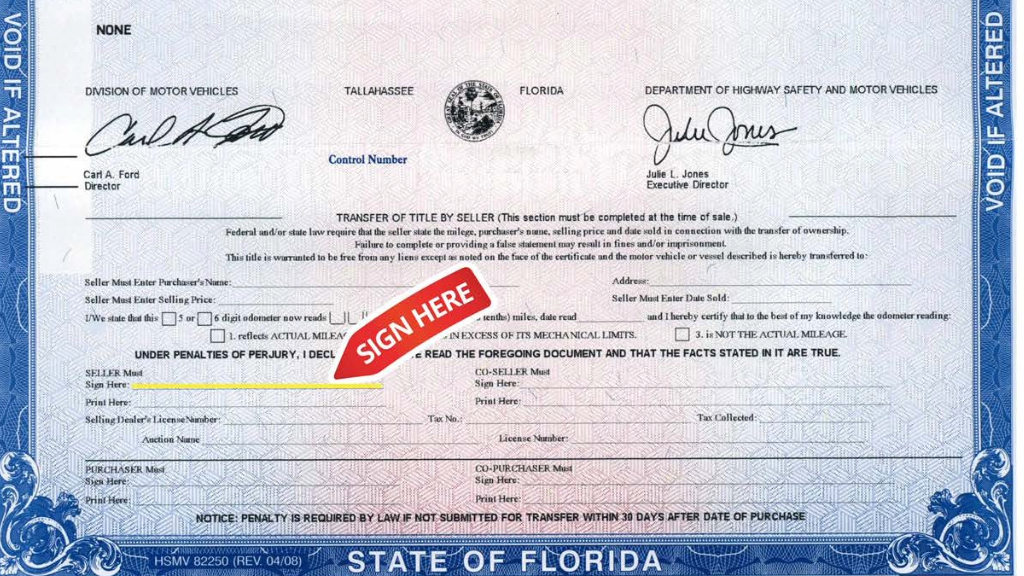
- The Seller’s Role: The seller must sign over the existing Florida title to you. They should also provide a completed bill of sale. It’s crucial to ensure the seller’s name on the title matches their identification.
- Your Role: You will then take the signed-over title, the bill of sale, your identification, and applicable fees to the county tax collector’s office to apply for a new title in your name.
- Liens: If there was a lien on the vehicle, the seller must provide proof that the lien has been satisfied and provide the lien release from the financial institution. The lienholder may have signed off on the original title, or provided a separate lien satisfaction document.
3. Moving to Florida with Your Vehicle
If you’ve moved to Florida from another state and brought your car with you, you’ll need to obtain a Florida title and registration.
- Out-of-State Title: You will surrender your out-of-state title to the Florida tax collector’s office.
- VIN Verification: Florida requires a VIN inspection for vehicles coming from out-of-state. This inspection can be performed by a law enforcement officer, a licensed dealer, or a designated inspection station.
- Emissions/Safety Inspection: Florida does not generally require emissions or safety inspections for most vehicles. However, it’s always wise to check the latest FLHSMV regulations for any exceptions.
- Application: You will complete the Application for Certificate of Title With/Without Registration (HSMV 82040), provide proof of Florida insurance, your identification, and pay the required fees.
4. Inheriting a Vehicle
If you inherit a vehicle, the process can be a bit more complex and may involve probate court documents.
- Death Certificate: You will need a certified copy of the deceased owner’s death certificate.
- Will or Probate Documents: If there is a will, you may need to provide a copy. If the estate is going through probate, you might need court documents that authorize you to take possession of the vehicle.
- Affidavit of Inheritance: In some cases, an “Affidavit of Inheritance” might be sufficient, but this depends on the value of the estate and Florida laws.
- Lien Release: If there were any outstanding loans on the vehicle, you’ll need proof of lien satisfaction.
5. Lost or Damaged Title
If you have lost your Florida title or it has been damaged, you can apply for a duplicate title.
- Application for Duplicate or Lost in Transit Title (HSMV 82101): You will need to complete this form.
- Identification: Present your valid photo ID.
- Fees: There will be a fee for the duplicate title.
- Lienholder Notification: If there was a lien on the title, the lienholder will be notified.
Fees and Taxes Associated with Titling
Beyond the paperwork, you’ll need to account for associated costs.
Title Fees
The FLHSMV charges a fee for processing a title application. This fee is subject to change, so it’s best to confirm the current amount with the county tax collector’s office or the FLHSMV website.
Sales Tax
Florida imposes a sales tax on the purchase of vehicles. The rate varies by county, but it’s typically around 6% of the purchase price or the vehicle’s book value, whichever is greater. If you purchased the vehicle out-of-state and are bringing it into Florida, you will likely owe Florida sales tax. Some states offer tax credits for sales tax paid in another state.
Registration Fees
If you are also registering your vehicle for the first time in Florida, there will be additional registration fees based on the vehicle’s type, weight, and age. These fees cover license plates and annual registration stickers.
Important Considerations and Tips
- Be Thorough: Ensure all information on your application and title is accurate. Errors can lead to delays and rejections.
- Check for Liens: Always verify that any previous liens on a vehicle have been properly released before finalizing a purchase.
- Insurance: Proof of Florida auto insurance is mandatory for titling and registration.
- Timeliness: Florida law requires you to title and register your vehicle within a specific timeframe after purchasing it or moving into the state. Typically, this is 30 days. Failure to do so can result in penalties.
- Online Resources: The FLHSMV website (flhsmv.gov) is an excellent resource for forms, fee information, and answers to frequently asked questions.
- County Tax Collector: Building a relationship with your local county tax collector’s office can be very helpful. They can provide personalized assistance and clarify any specific requirements in your county. They are often your first point of contact for practical matters like vehicle registration, much like how a travel agent helps plan your next vacation or a hotel concierge assists with local attractions.
Obtaining a car title in Florida is a necessary step for any vehicle owner. By understanding the required documentation, the application process, and potential fees, you can navigate this procedure efficiently. Whether you’re settling into a new home in Miami, planning a road trip along the Overseas Highway, or enjoying the serene beauty of the Florida Keys, having your vehicle properly titled and registered ensures you can explore all the wonders the state has to offer, from the theme parks of Orlando to the historic charm of St. Augustine.
LifeOutOfTheBox is a participant in the Amazon Services LLC Associates Program, an affiliate advertising program designed to provide a means for sites to earn advertising fees by advertising and linking to Amazon.com. Amazon, the Amazon logo, AmazonSupply, and the AmazonSupply logo are trademarks of Amazon.com, Inc. or its affiliates. As an Amazon Associate we earn affiliate commissions from qualifying purchases.