
Embarking on an adventure to the Centennial State promises breathtaking landscapes, vibrant cities, and a plethora of outdoor activities. From the majestic peaks of the Rocky Mountains to the sweeping plains, Colorado offers an unparalleled travel experience. However, to truly unlock all that this diverse state has to offer, understanding the various “licenses,” permits, and essential documents required for specific activities and stays is crucial. While the term “license” might conjure images of formal government IDs, in the context of tourism and travel, it often refers to passes, permits, and specific regulations that ensure visitors can enjoy their chosen activities safely, legally, and responsibly. This comprehensive guide will navigate you through the necessary steps, ensuring your Colorado journey is smooth, compliant, and unforgettable.
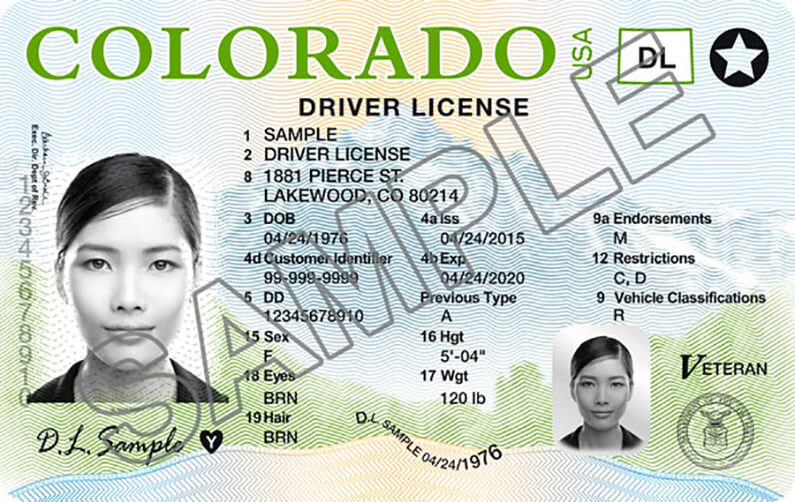
Whether you’re planning a fishing expedition, a backcountry hike, a ski vacation, or considering a longer stay, having the right authorizations is paramount. Our focus here extends beyond a standard driver’s license, delving into the specific permissions needed for various aspects of a memorable Colorado experience, aligning with the diverse interests of travelers, from luxury seekers to budget adventurers, and families to business visitors. Preparing in advance for these requirements not only saves time but also enhances your overall experience, allowing you to immerse yourself fully in the natural beauty and vibrant culture of Colorado.
Navigating Colorado’s Outdoor Adventures: Essential Permits and Passes
Colorado is synonymous with outdoor recreation. Its vast wilderness areas, national parks, and state parks draw millions of visitors annually, all eager to hike, ski, fish, hunt, and explore. To preserve these natural treasures and manage visitor impact, various permits and passes are in place. Understanding these is your first step to an unhindered outdoor adventure.
National and State Park Access: Your Gateway to Natural Wonders
Accessing Colorado’s world-renowned national and state parks often requires specific entry passes. These passes not only grant you admission but also contribute to the conservation and maintenance of these pristine environments.
For instance, the state is home to four magnificent National Parks: Rocky Mountain National Park, Mesa Verde National Park, Great Sand Dunes National Park and Preserve, and Black Canyon of the Gunnison National Park. If you plan to visit multiple national parks across the U.S. within a year, the America the Beautiful Pass is highly recommended. This annual pass covers entrance fees at national parks and national wildlife refuges, and standard amenity fees at national forests and grasslands. Individual park passes are also available for single visits. Many of these parks also require timed entry reservations during peak seasons, especially at popular destinations like Rocky Mountain National Park, so always check their official websites before your visit.
Beyond the national parks, Colorado State Parks offer a diverse array of recreational opportunities, from boating and fishing to camping and hiking. A valid pass is required for vehicle entry into any Colorado State Park. You can purchase a daily pass upon arrival or opt for an annual pass if you plan to visit multiple state parks throughout the year. These passes are easily obtainable at park entrances or online through the Colorado Parks and Wildlife (CPW) website.
For adventurers venturing into designated wilderness areas or engaging in extended backcountry trips, specific permits may be necessary. Popular wilderness areas such as Indian Peaks Wilderness, Lost Creek Wilderness, and Maroon Bells-Snowmass Wilderness often require permits for overnight stays or even for day use during certain periods. These permits help manage visitor numbers, minimize environmental impact, and ensure the safety of those exploring remote areas. Always research the specific requirements for your chosen wilderness destination well in advance, as permits can be limited and highly sought after. Camping permits for designated campgrounds within national forests or state parks should also be reserved, especially during peak summer months, to secure your spot. These can often be booked through recreation.gov or the respective park’s website.
Fishing and Hunting Licenses: Tapping into Colorado’s Wild Side
For those drawn to the tranquility of fly-fishing on a pristine river or the thrill of a hunting expedition, Colorado offers abundant opportunities. However, participation in these activities is strictly regulated and requires specific licenses issued by Colorado Parks and Wildlife (CPW).
Fishing Licenses: Anyone aged 16 or older must possess a valid Colorado fishing license to fish in the state’s public waters. Licenses are available for residents and non-residents, with options for annual, five-day, or one-day passes, catering to both locals and short-term visitors. These can be purchased online through the CPW website, at authorized sales agents (like sporting goods stores), or at CPW offices. Popular fishing spots like the Arkansas River, Blue River, Antero Reservoir, and Eleven Mile Reservoir are teeming with trout and other species, offering fantastic experiences for anglers of all skill levels. Remember to familiarize yourself with specific regulations for each body of water, including catch limits and bait restrictions.
Hunting Licenses: Hunting in Colorado is a popular pastime, with opportunities for big game (elk, deer, bear, moose), small game, and waterfowl. Hunting licenses are generally acquired through a lottery system for big game species, and demand often far exceeds supply. Non-residents face higher fees and often lower draw odds. All hunters, regardless of residency, must complete hunter education requirements, and specific safety courses are mandatory for certain activities. Licenses are species-specific, unit-specific, and season-specific. Detailed information, including season dates, regulations, and draw application periods, is available on the CPW website. Planning a hunting trip to Colorado requires significant advance preparation and adherence to strict regulations to ensure ethical and legal participation.
Off-Highway Vehicle (OHV) Permits and Safety
For adrenaline junkies who prefer to explore Colorado’s rugged terrain on an ATV, UTV, or dirt bike, an Off-Highway Vehicle (OHV) registration permit is required. All OHVs operated on public lands or trails in Colorado must be registered annually. The funds generated from these registrations contribute to trail maintenance, development, and OHV safety programs.
Non-residents bringing their OHVs to Colorado must also purchase a non-resident OHV permit, which is valid for one year. These permits can be obtained online through the CPW website or at various vendor locations throughout the state. It’s crucial to ride only on designated OHV trails and follow all safety guidelines. Many areas have specific rules regarding noise levels, spark arrestors, and passenger limits. Always wear appropriate safety gear and be aware of your surroundings, especially in high-elevation areas and national forests.
Driving and Relocation Essentials for Colorado Visitors
Beyond specific recreational permits, understanding general driving regulations and considerations for accommodation, especially for longer stays or those contemplating relocation, is vital for a seamless Colorado experience.
Understanding Driving Requirements: From Visitors to New Residents
For most tourists visiting Colorado, a valid driver’s license from your home state or country is sufficient for operating a vehicle. If you are from another country, it’s advisable to also carry an International Driving Permit (IDP) alongside your national driver’s license, although it’s not strictly required in all cases, it can be helpful for translation purposes.
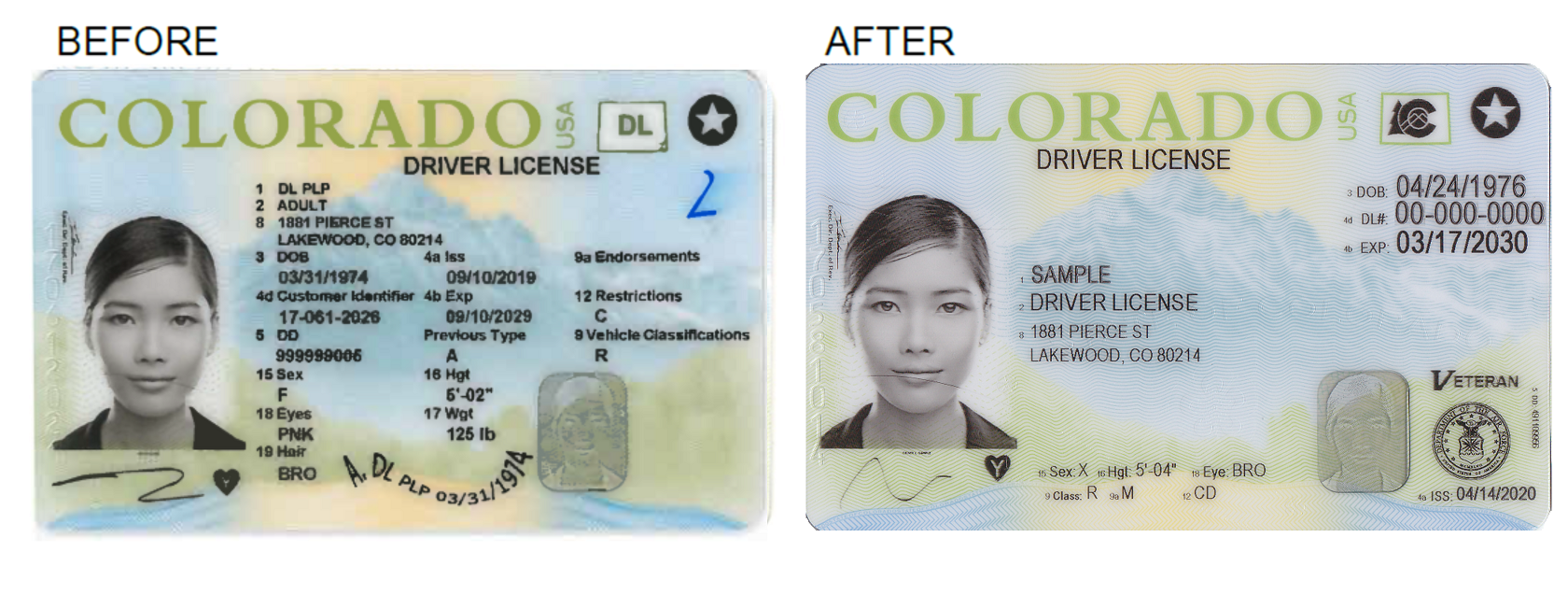
However, if you are planning an extended stay or considering making Colorado your new home, the rules change. New residents must obtain a Colorado driver’s license within 30 days of establishing residency. This process typically involves providing proof of identity, residency, and passing a vision test. Similarly, vehicles owned by new residents must be registered in Colorado within 90 days of establishing residency. This often requires proof of ownership, insurance, and in some areas, an emissions test.
Emissions Testing: Vehicles primarily driven in the Denver metro area and other Front Range counties are subject to emissions testing requirements. Ensure your vehicle complies with these standards before registering to avoid delays.
Winter Driving Preparedness: Regardless of your residency status, winter driving in Colorado requires specific preparation. From September to May, particularly on mountain passes like I-70 through the high country, the state implements Chain and Traction Laws. These laws mandate that vehicles carry chains or have adequate traction devices (e.g., snow tires, all-weather tires with a minimum tread depth) during adverse weather conditions. Always check road conditions before heading into the mountains, as compliance with these laws is strictly enforced for safety.
Accommodation and Long-Term Stays: What to Know
Finding the perfect accommodation is a cornerstone of any trip. Colorado offers a wide spectrum of lodging options, from luxurious resorts in Aspen and Vail to cozy apartments in Boulder or Denver and charming villas in mountain towns. While travelers don’t typically need a “license” to book a hotel or a short-term rental, it’s increasingly important to be aware of local regulations governing such accommodations, especially with the rise of peer-to-peer rental platforms.
Many Colorado cities and towns, particularly popular tourist destinations like Breckenridge, Aspen, and Telluride, have implemented strict regulations and licensing requirements for short-term rental properties. These regulations often aim to manage housing availability for local residents, ensure safety standards, and collect lodging taxes. As a traveler, while you’re not responsible for obtaining these licenses, choosing properties that are visibly compliant can provide peace of mind regarding the legitimacy and safety of your stay. Look for hosts who mention their local permits or registration numbers in their listings. This indicates that they are operating legally and adhere to local standards, offering a more reliable and secure booking experience.
For those considering a long-term stay—perhaps as a digital nomad or for an extended sabbatical—finding suitable long-term rentals will involve more traditional leasing agreements. Research neighborhoods, proximity to amenities, and transportation options. Websites specializing in long-term rentals for Colorado Springs, Denver, and other major cities are excellent resources. Always ensure to review lease terms carefully and understand tenant rights and responsibilities in Colorado.
Special Activities and Event Permits
Colorado’s dynamic event calendar and diverse natural environment mean there are often unique “licenses” or permits required for participation in or organization of special activities.
From Festivals to Filming: Unique Permit Needs
Event Participation: Attending many of Colorado’s iconic festivals, marathons, or cycling races often requires advanced registration or ticket purchases, which can be thought of as your “license” to participate. Events like the Telluride Bluegrass Festival, Jazz Aspen Snowmass, or the GoPro Mountain Games in Vail are highly popular and can sell out quickly. Securing your entry well in advance is crucial, especially if you’re traveling from afar. For organized athletic events, expect to sign waivers and potentially provide proof of fitness or experience.
Commercial Photography/Filming Permits: If your visit to Colorado involves commercial photography or filmmaking, especially in national parks, national forests, or state parks, you will likely need a special use permit. These permits ensure that commercial activities do not interfere with public enjoyment, protect natural resources, and adhere to specific guidelines. Even for seemingly simple commercial shoots, it’s essential to contact the relevant land management agency (e.g., National Park Service, U.S. Forest Service, Colorado Parks and Wildlife (CPW)) to inquire about requirements and obtain the necessary permissions.
River Permits for Rafting and Kayaking: For experienced paddlers seeking to tackle Colorado’s world-class rivers, some sections, particularly on popular waterways like the Colorado River, Gunnison River, and Yampa River, may require permits for private trips. These permits are often allocated through a lottery system during peak seasons to manage river traffic and preserve the wilderness experience. Companies offering guided rafting trips typically handle all necessary permits on behalf of their clients, simplifying the process for visitors. If you’re planning a self-guided trip on a regulated river, research permit requirements and application deadlines thoroughly. Other rivers, like Clear Creek near Idaho Springs or sections of the Arkansas River, are more accessible for daily use without complex permit systems, though commercial outfitters still require specific licensing to operate.
Rock Climbing and Mountaineering: While most climbing areas in Colorado do not require a specific “license” for the act of climbing itself, certain areas might have access restrictions or require permits for organized groups or for specific routes. For example, some routes in Rocky Mountain National Park or on 14,000-foot peaks (fourteeners) within wilderness areas might require specific backcountry permits for overnight stays or adherence to group size limits. Always check with the local land managers for the specific area you plan to climb, especially in protected areas or on privately owned land accessible to the public. Famous climbing destinations like Garden of the Gods in Colorado Springs or parts of the San Juan Mountains have specific rules to follow to ensure safety and environmental protection.
In conclusion, while the idea of obtaining a “Colorado License” might initially seem straightforward, the reality for travelers and adventurers in the state encompasses a wide array of permits, passes, and adherence to specific regulations. From exploring the iconic Pikes Peak and Red Rocks Amphitheatre to enjoying the charm of towns like Estes Park and Steamboat Springs, diligent preparation is your best companion. By understanding and securing the necessary authorizations for your chosen activities—be it a fishing license, a national park pass, or knowledge of short-term rental compliance—you ensure a smooth, enjoyable, and responsible journey through the stunning landscapes and vibrant culture of Colorado. Embrace the spirit of adventure, but do so with respect for the rules that safeguard this incredible destination for all.
LifeOutOfTheBox is a participant in the Amazon Services LLC Associates Program, an affiliate advertising program designed to provide a means for sites to earn advertising fees by advertising and linking to Amazon.com. Amazon, the Amazon logo, AmazonSupply, and the AmazonSupply logo are trademarks of Amazon.com, Inc. or its affiliates. As an Amazon Associate we earn affiliate commissions from qualifying purchases.