
Embarking on a journey to obtain a contractors license in California is akin to planning a significant trip. It requires meticulous preparation, understanding the itinerary, and navigating through various stages to reach your desired destination. While our website typically guides you through the vibrant landscapes of travel, the allure of California and its thriving construction industry often leads aspiring professionals to seek clarity on this crucial step. This guide aims to demystify the process of getting a contractors license in the Golden State, drawing parallels to the organized approach we take when exploring new destinations or booking a comfortable stay.
The prospect of building a career as a licensed contractor in California is a rewarding one, offering the opportunity to shape communities and contribute to the state’s dynamic growth. However, much like planning a multi-city tour across Italy or securing the perfect suite at a luxury resort in the Maldives, the process demands attention to detail and adherence to specific requirements. This article will serve as your comprehensive travel itinerary, guiding you through each essential step, from initial eligibility to final licensure, ensuring you are well-equipped for this professional adventure.
Understanding the California Contractors State License Board (CSLB)
The California Contractors State License Board (CSLB) is the official body responsible for regulating and licensing contractors throughout the state. Think of the CSLB as your primary travel agency, providing all the necessary information, forms, and oversight for your licensing journey. It’s crucial to understand their role and the regulations they enforce to ensure a smooth and successful application process. The CSLB’s mission is to protect consumers by ensuring that only qualified contractors are licensed and that they adhere to ethical business practices.
Before you even think about packing your bags – or, in this case, gathering your documents – it’s vital to understand the different classifications of contractors in California. Just as there are different types of travel experiences, from adventurous backpacking trips to relaxing family vacations, there are various contractor classifications to suit different specializations. The most common is the General Building Contractor (B), which allows you to undertake construction projects that require a broad range of skills. However, for specialized work, you might need a specific trade license, such as for plumbing, electrical, or HVAC.
Eligibility Requirements: Laying the Foundation
Before embarking on the application process, you must ensure you meet the fundamental eligibility requirements. This is akin to checking your passport validity and visa requirements before booking a flight to Japan. The CSLB has specific criteria that applicants must fulfill, and overlooking these can lead to delays or rejection.
Experience: Building Your Expertise
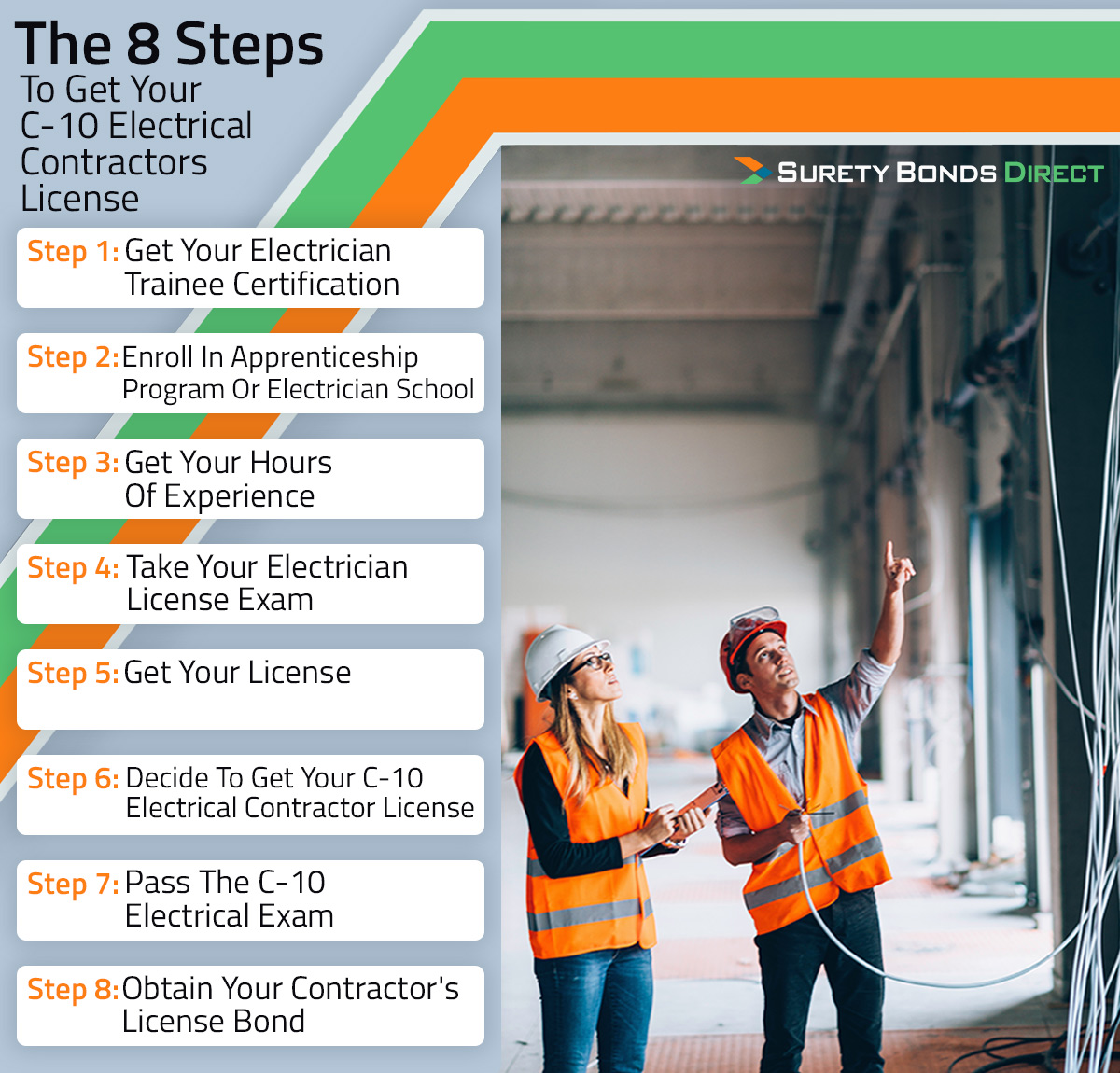
One of the most significant requirements is proof of experience. The CSLB typically requires at least four years of experience within the last 10 years as a journeyman, supervising employee, contractor, or owner-builder in the specific trade for which you are applying. This experience must be in a supervisory capacity or be equivalent to a journeyman level. It’s not just about having worked in the field; it’s about demonstrating a level of skill and knowledge that qualifies you to run your own contracting business.
- Documentation is Key: You will need to provide detailed documentation to support your claims of experience. This might include:
- Employment Records: Letters from previous employers detailing your roles and responsibilities.
- Tax Returns: Evidence of self-employment or business ownership.
- Contracts and Invoices: Proof of projects you have managed or worked on.
- References: Contact information for individuals who can verify your experience.
Think of gathering this information as collecting souvenir stamps for your passport. Each piece of documentation serves as a verifiable record of your journey in the construction trade.
Education Equivalency: Alternative Pathways
While hands-on experience is paramount, the CSLB also recognizes that education can play a role. In some cases, a college education in construction management or a related field may be used to substitute for some of the required experience. For example, each year of accredited college education might be equivalent to one year of experience, up to a maximum of three years. This is similar to how visiting a historical landmark like the Colosseum can offer a wealth of knowledge and context, even without direct personal involvement in its construction. It’s always best to consult directly with the CSLB to understand how your specific educational background might apply.
The Application Process: Navigating the Bureaucracy
Once you’ve confirmed your eligibility, the next step is to navigate the official application process. This stage is analogous to booking your accommodation and finalizing your travel itinerary. It involves filling out forms accurately, submitting fees, and preparing for examinations.
Application Submission: Filling in the Blanks
The application form is your primary document for the CSLB. It’s crucial to complete it accurately and thoroughly. Incomplete or inaccurate applications are a common reason for delays, much like a missing piece of information on a hotel booking form can lead to complications.
- Required Information: You will need to provide personal details, information about your business structure (sole proprietorship, partnership, corporation), and details of your experience.
- Fingerprinting: All applicants must undergo a background check, which includes fingerprinting. This is a standard procedure, similar to the security checks you might encounter at an international airport before boarding a flight to Singapore.
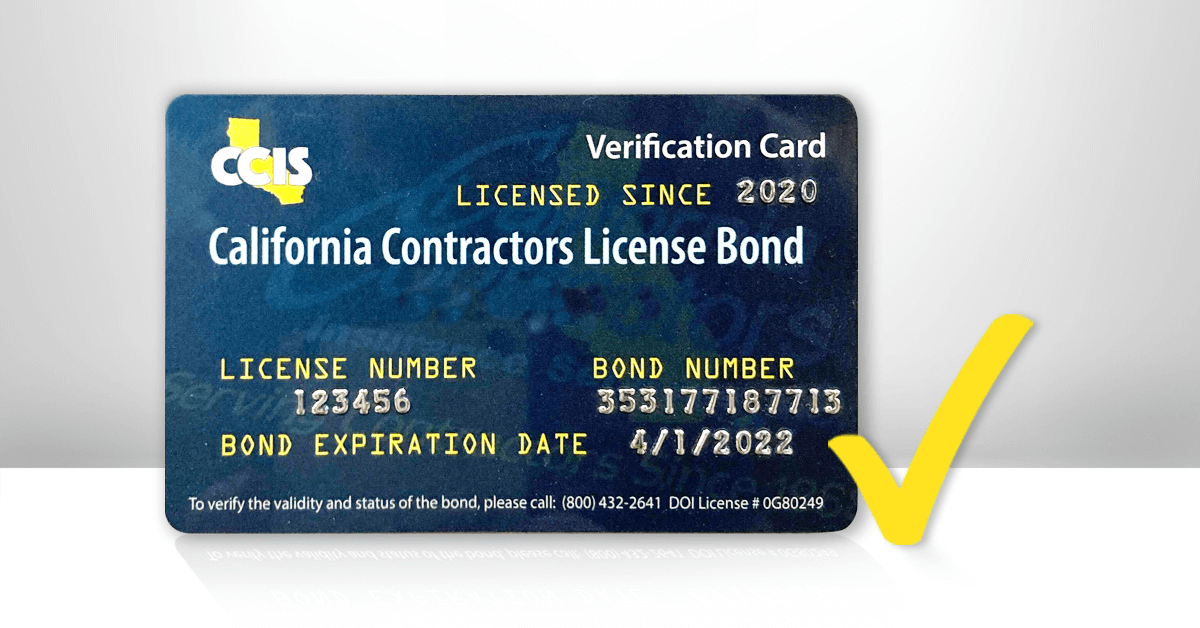
- Surety Bond: You will need to secure a contractor’s surety bond. This bond protects consumers against financial losses due to faulty work or the contractor’s failure to complete a project. The amount of the bond varies, but it’s a critical requirement.
- License Bond: In addition to the surety bond, you will likely need a contractor’s license bond. This bond is also for the protection of the public.
The application fee is non-refundable, so it’s essential to ensure you have met all requirements and are ready to proceed before submitting. This is akin to paying a non-refundable deposit for a tour package; you want to be sure it’s the right one for you.
Examination: Proving Your Knowledge
After your application is approved, you will be scheduled to take the contractor’s license examination. This exam tests your knowledge of the specific trade and business management principles relevant to contracting in California.
Trade Examination
This part of the exam focuses on your technical expertise in the specific classification you are applying for. For example, if you are applying for a plumbing license, the exam will cover plumbing codes, materials, techniques, and safety practices. This is similar to a guided tour of a historical museum where you are tested on your understanding of the exhibits and their historical significance.
Business and Law Examination
The second part of the exam covers the business and law aspects of contracting in California. This includes topics like contracts, licensing requirements, labor laws, safety regulations, and financial management. This portion ensures that you understand the legal and ethical responsibilities of running a contracting business. Preparing for both parts of the exam is crucial for success. Many candidates find study guides and practice exams helpful, much like a traveler might use a detailed city guide to prepare for exploring Rome.
Post-Licensure: Maintaining Your License and Business Growth
Obtaining your contractor’s license is a significant achievement, but it’s not the end of the journey. It’s the beginning of a new chapter, much like arriving at your dream beach destination is the start of your vacation experience. Maintaining your license and growing your business requires ongoing effort and adherence to regulations.
Maintaining Your License: Staying Compliant
Your contractor’s license in California is valid for two years and must be renewed. The renewal process involves submitting a renewal application and fee. It’s essential to keep your contact information updated with the CSLB and to be aware of any changes in regulations. This is akin to ensuring your passport remains valid for international travel; overlooking renewal can have significant consequences.
- Continuing Education: While not always mandatory for all license renewals, engaging in continuing education is highly recommended. It keeps your skills sharp and ensures you are up-to-date with the latest industry practices and building codes. This is like attending workshops or lectures during a cultural immersion trip to learn more about local traditions.
- Insurance and Bonding: Maintaining adequate insurance coverage, including general liability insurance and workers’ compensation insurance, is crucial for protecting your business and your clients. You will also need to maintain your surety bond.

Growing Your Business: Expanding Your Horizons
With your license in hand, you are now equipped to take on projects and build your contracting business. This is where the entrepreneurial spirit truly takes flight, much like a seasoned traveler setting off to explore new continents.
- Building a Reputation: Delivering quality work, adhering to project timelines, and providing excellent customer service are paramount. Positive reviews and word-of-mouth referrals are invaluable, much like positive reviews for a boutique hotel can attract new guests.
- Networking: Connect with other professionals in the construction industry, suppliers, and potential clients. Attending industry events and joining professional organizations can open doors to new opportunities.
- Diversification: As your business grows, consider expanding into new service areas or specializations. This could involve taking on larger or more complex projects, or even exploring opportunities in related fields.
Obtaining a contractor’s license in California is a structured process that requires diligence and preparation. By understanding the requirements, navigating the application stages carefully, and committing to ongoing professional development, you can successfully establish yourself as a licensed contractor in this thriving state. This journey, much like any well-planned adventure, is paved with challenges but ultimately leads to rewarding outcomes. Remember, just as a well-curated travel experience leaves you with lasting memories, a successful contracting career built on a solid foundation of licensure and expertise will bring long-term satisfaction and success.
LifeOutOfTheBox is a participant in the Amazon Services LLC Associates Program, an affiliate advertising program designed to provide a means for sites to earn advertising fees by advertising and linking to Amazon.com. Amazon, the Amazon logo, AmazonSupply, and the AmazonSupply logo are trademarks of Amazon.com, Inc. or its affiliates. As an Amazon Associate we earn affiliate commissions from qualifying purchases.