
Navigating the complexities of child custody in Florida can be an emotionally charged and legally intricate process. Whether you are a parent seeking to establish custody, modify an existing order, or defend against a custody claim, understanding the legal framework and practical steps involved is paramount. This guide aims to provide a comprehensive overview of how to obtain child custody in the Sunshine State, focusing on the principles that guide the courts and the strategies that can lead to a favorable outcome for your family.
Understanding Florida’s Custody Laws
In Florida, the term “custody” has been replaced with “parental responsibility” and “time-sharing.” The overarching principle that governs all custody decisions is the “best interests of the child.” This means that every decision made by the court will prioritize what is deemed most beneficial for the child’s physical, emotional, mental, and overall well-being.
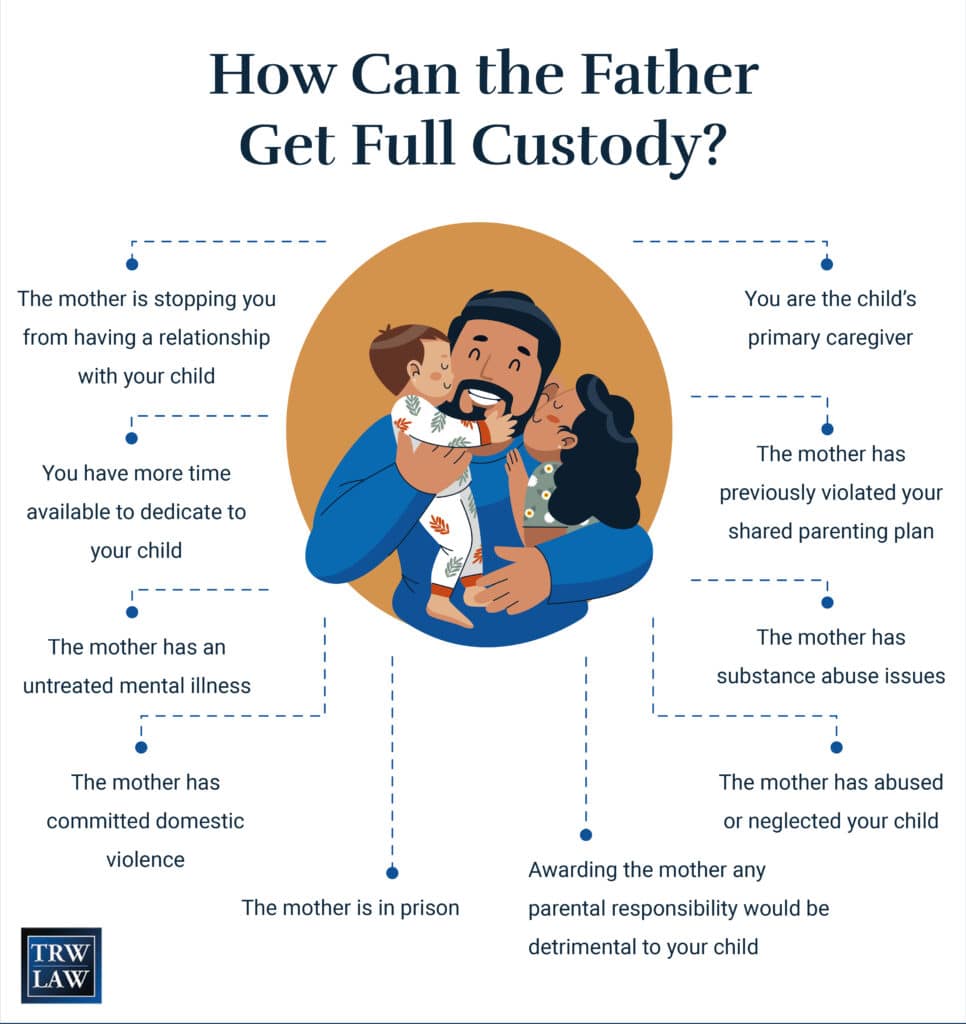
Parental Responsibility
Parental responsibility refers to the rights and responsibilities parents have regarding their child’s upbringing. This includes making decisions about the child’s education, healthcare, religious upbringing, and general welfare. In Florida, courts generally favor shared parental responsibility, meaning both parents are expected to participate in these significant decisions. However, in situations where it is not in the child’s best interest, sole parental responsibility may be awarded to one parent.
Types of Parental Responsibility:
- Shared Parental Responsibility: This is the presumed form of responsibility in Florida. Both parents have equal rights and responsibilities to raise the child, and decisions are made jointly. This often works best when parents can communicate and cooperate effectively.
- Sole Parental Responsibility: This is awarded when shared responsibility is not feasible or detrimental to the child. The parent with sole responsibility has the exclusive right to make major decisions regarding the child’s upbringing. The other parent may still have visitation rights, but their decision-making authority is significantly limited.
Time-Sharing
Time-sharing dictates the schedule by which parents will spend time with their child. This involves determining where the child will live primarily and establishing a schedule for the non-residential parent’s visitation. The goal is to ensure the child has frequent and continuing contact with both parents, unless it’s not in their best interest.
Key Considerations for Time-Sharing:
- Residential Parent: This is the parent with whom the child will primarily live.
- Non-Residential Parent: This is the parent who will have the child for scheduled visitation.
- Time-Sharing Schedule: This detailed plan outlines when the child will be with each parent, including weekdays, weekends, holidays, and vacations. Florida courts often encourage parents to create their own schedules, but if they cannot agree, the court will establish one based on the child’s best interests.
The “Best Interests of the Child” Standard
The “best interests of the child” is the guiding star for all custody determinations in Florida. Courts will consider a multitude of factors when evaluating what serves a child’s best interests. These factors are outlined in Florida Statutes Section 61.13.
Factors Considered by the Court:
- The demonstrated capacity and disposition of each parent to facilitate and encourage a close and continuing parent-child relationship with the other parent. This means the court looks at which parent actively supports the child’s relationship with the other parent.
- The length of time the child has lived in a stable, satisfactory environment and the desirability of maintaining continuity. A child’s stable home environment is highly valued.
- The moral fitness of the parents.
- The mental and physical health of the parents.
- The child’s wishes and preferences. For children over a certain age (typically 12 or 13, but discretion lies with the judge), their preference may be given significant weight.
- The need for stability in the child’s home, schooling, and community.
- The demonstrated ability of each parent to provide a consistent routine for the child.
- The demonstrated ability of each parent to provide for the child’s basic needs, including food, shelter, clothing, and medical care.
- Any evidence of domestic violence, child abuse, substance abuse, or neglect by either parent. This is a critical factor, and any credible evidence of such issues will be taken very seriously.
- The cooperation between the parents in co-parenting.
Steps to Obtain Custody in Florida
Obtaining child custody in Florida typically involves a legal process that can be initiated through a Petition for Dissolution of Marriage (if married) or a Petition for Determination of Paternity (if unmarried). If custody orders are already in place, a Petition to Modify Custody may be filed.
1. Filing the Initial Petition
The process begins with filing the appropriate legal document with the court.
- Dissolution of Marriage: If parents are married, a Petition for Dissolution of Marriage is filed, which includes requests for child support, time-sharing, and parental responsibility.
- Determination of Paternity: If parents are unmarried, a Petition for Determination of Paternity is filed to legally establish fatherhood and then address custody, visitation, and child support.
2. Serving the Other Parent

Once the petition is filed, the other parent (the respondent) must be formally notified of the lawsuit. This is done through a legal process called service of process, where a copy of the petition and a summons are delivered to the respondent.
3. Temporary Orders
In many cases, there is a significant gap between filing the initial petition and the final resolution. During this period, either parent can request temporary orders from the court. These orders address immediate issues such as temporary custody, time-sharing, child support, and who will remain in the marital home. Temporary orders are in place until a final judgment is entered.
4. Mediation
Florida courts strongly encourage parents to resolve custody disputes outside of the courtroom through mediation. A neutral third-party mediator helps parents communicate and negotiate an agreement. If an agreement is reached, it is submitted to the court for approval. Mediation is often mandatory before a final hearing can be scheduled.
5. Discovery
If mediation is unsuccessful, the case proceeds. Discovery is the formal process by which parties exchange information relevant to the case. This can include:
- Interrogatories: Written questions that must be answered under oath.
- Requests for Production: Requests for documents, such as financial records, medical records, or school reports.
- Depositions: Out-of-court sworn testimony taken from parties or witnesses.
6. Parenting Plan
A crucial document in Florida custody cases is the Parenting Plan. This is a detailed document that outlines how parents will share responsibility and time with their child. It covers aspects like:
- Time-sharing schedule: Specifies exact days and times the child spends with each parent.
- Holidays and vacations: How these will be divided.
- Transportation: Who is responsible for transporting the child between parents.
- Communication: How parents will communicate about the child.
- Decision-making: How major decisions will be made.
Parents are strongly encouraged to collaborate on a Parenting Plan. If they cannot agree, the court will create one based on the child’s best interests.
7. Final Hearing or Trial
If all attempts at settlement fail, the case will proceed to a final hearing or trial. At this proceeding, both parties present their evidence and arguments to a judge, who will make a final decision on parental responsibility, time-sharing, and other related issues.
Modifying Custody Orders
Circumstances can change after a custody order is finalized. If a significant change in circumstances occurs, a parent may petition the court to modify the existing order.
Grounds for Modification:
- Substantial change in circumstances: This is the primary requirement for modification. The change must be significant and not something that was anticipated at the time of the original order. Examples include a parent relocating, a significant change in income, a change in the child’s needs, or a parent’s remarriage.
- Child’s best interests: The modification must be in the child’s best interests.
Common modifications include changes to the time-sharing schedule, relocation of a parent with the child, or adjustments to parental responsibility.

Seeking Legal Assistance
Child custody matters are complex and highly emotional. The legal landscape can be daunting, and making mistakes can have long-lasting consequences for both parents and the child. It is strongly recommended to seek legal counsel from an experienced Florida family law attorney. An attorney can:
- Explain your rights and obligations.
- Help you navigate the court system and legal procedures.
- Assist in gathering evidence and preparing your case.
- Represent you in negotiations, mediation, and court hearings.
- Advise you on creating a realistic and beneficial Parenting Plan.
- Advocate for your child’s best interests.
While the path to obtaining child custody in Florida can be challenging, a clear understanding of the law, a focus on the child’s well-being, and strategic legal guidance can lead to a positive resolution for your family. The ultimate goal is to ensure a stable and loving environment for the child, allowing them to thrive.
LifeOutOfTheBox is a participant in the Amazon Services LLC Associates Program, an affiliate advertising program designed to provide a means for sites to earn advertising fees by advertising and linking to Amazon.com. Amazon, the Amazon logo, AmazonSupply, and the AmazonSupply logo are trademarks of Amazon.com, Inc. or its affiliates. As an Amazon Associate we earn affiliate commissions from qualifying purchases.