
Navigating life with a disability presents unique challenges, and securing the necessary support can be a cornerstone of maintaining a stable and fulfilling lifestyle. For residents of Florida, understanding “How To Get Disability In Florida” is not merely about receiving financial aid; it’s about establishing a foundation that enables access to critical healthcare, essential services, and the ability to participate more fully in the vibrant life the Sunshine State offers. This comprehensive guide aims to demystify the process, providing insights into the federal programs available and the steps involved, all while underscoring their profound impact on an individual’s lifestyle in Florida.
Understanding Disability Benefits in Florida: A Lifestyle Imperative
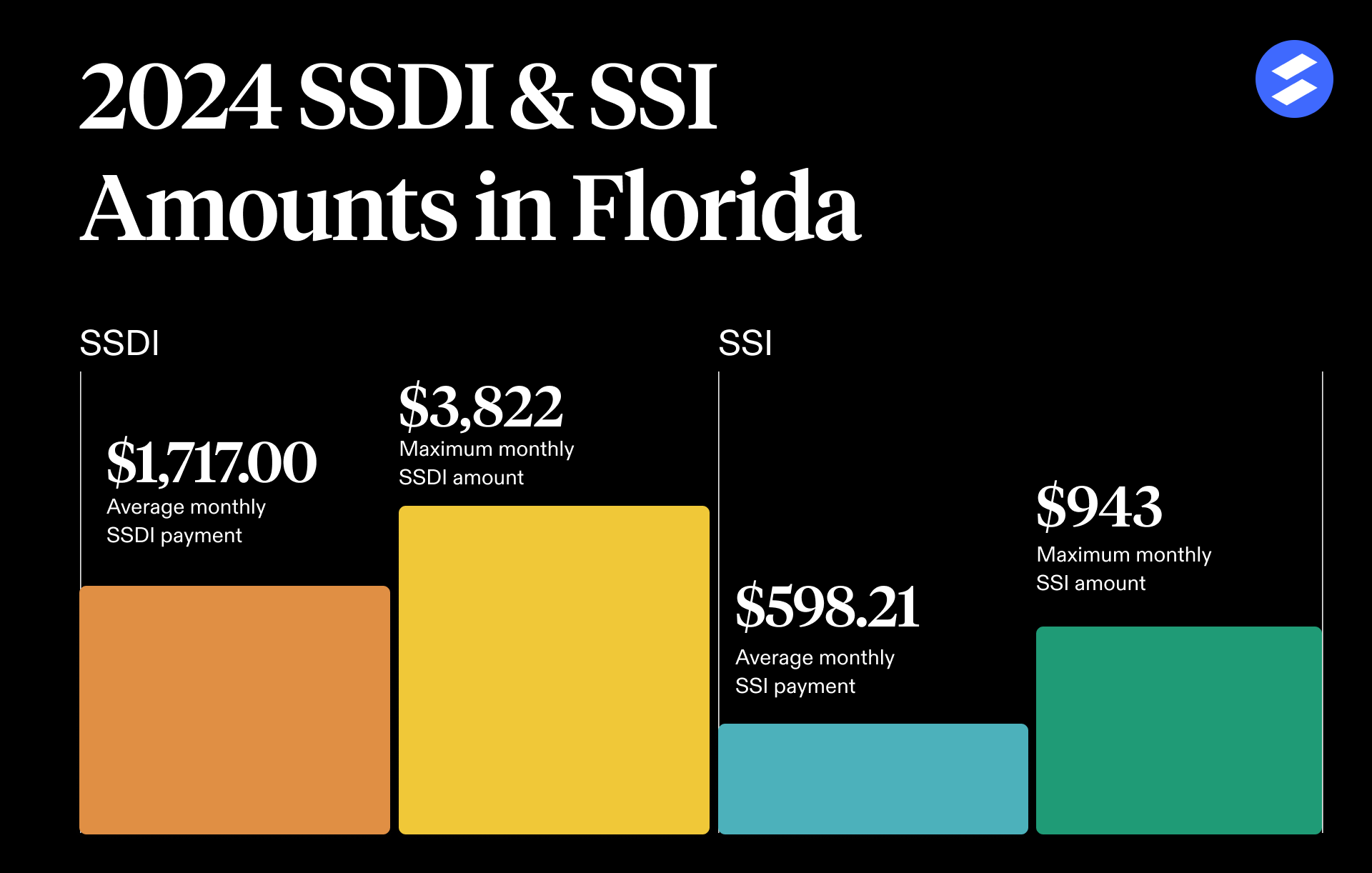
For many, the term “disability” evokes images of medical conditions, but its true impact extends far beyond health, profoundly shaping an individual’s daily life, financial stability, and overall lifestyle quality. In Florida, as across the United States, the primary financial disability benefits are administered by the federal government through the Social Security Administration (SSA). Recognizing the distinct nature and eligibility requirements of these programs is the first critical step toward securing a more stable and supported lifestyle.
Social Security Disability Insurance (SSDI)
Social Security Disability Insurance (SSDI) is a federal insurance program designed for individuals who have worked and paid Social Security taxes on their earnings. Think of it as an earned benefit, much like retirement Social Security. Eligibility for SSDI hinges on having accumulated enough “work credits” over your employment history. For someone suddenly unable to work due to a severe, long-term disability, SSDI provides a crucial income replacement, directly impacting their ability to maintain their previous standard of living. For many, this translates into financial stability, allowing them to cover living expenses, healthcare costs, and other essentials without entirely disrupting the lifestyle they had built prior to their disability.
Supplemental Security Income (SSI)
In contrast to SSDI, Supplemental Security Income (SSI) is a needs-based federal program providing financial assistance to low-income individuals who are aged, blind, or disabled. Unlike SSDI, eligibility for SSI does not depend on an applicant’s work history or contributions to Social Security. Instead, it focuses on financial need, with strict limits on income and resources. For individuals in Florida with limited financial means, SSI offers a foundational safety net, ensuring a baseline level of support for essential living expenses. This income is vital for securing housing, food, and other basic necessities, thereby ensuring a minimal but critical standard of living and fostering a sense of security in their daily lifestyle.
Florida’s Supportive Services and Resources
While Florida does not have a separate state-funded cash disability benefit program akin to federal SSDI or SSI, it offers a robust network of supportive services and resources crucial for enhancing the lifestyle of its disabled residents. Key among these are programs administered by the Agency for Persons with Disabilities (APD), which provides services to individuals with developmental disabilities. Additionally, access to programs like Medicaid for healthcare, vocational rehabilitation services for those seeking to return to work, and various local community support groups contribute significantly to the overall well-being and independence of individuals with disabilities across the state. These state-level supports complement federal benefits, creating a more holistic framework for a quality lifestyle.
Navigating the Application Process: Keys to a Stable Lifestyle
The journey to securing disability benefits can be complex and often lengthy, but understanding each stage is vital. Each step in the application process is a crucial building block toward establishing the financial stability and lifestyle security that benefits provide. Preparedness and persistence are your strongest allies.
Eligibility Criteria: Meeting the Requirements
The core of any disability claim rests on meeting the stringent criteria set forth by the Social Security Administration (SSA). The SSA defines disability as the inability to engage in any substantial gainful activity (SGA) due to a medical condition that is expected to last for at least 12 months or result in death. This is a very high bar, focusing on functional limitations rather than just a diagnosis. For SSDI, you must also have a sufficient work history. For SSI, you must meet the income and resource limits. Clearly documenting how your condition prevents you from working and impacts your daily life is paramount, as it directly informs the SSA’s decision, which in turn dictates your future lifestyle.
Gathering Comprehensive Medical Evidence
Perhaps the most critical component of a successful disability claim is comprehensive medical evidence. This includes all relevant medical records: doctors’ reports, hospital records, laboratory results, imaging scans (X-rays, MRIs), treatment histories, and records of medications and their side effects. The more detailed and consistent your medical documentation, the stronger your case will be. It’s not enough to simply state you have a condition; you must demonstrate through medical evidence how that condition severely limits your ability to perform work-related activities. Without this robust medical foundation, the chances of approval diminish significantly, leaving your lifestyle in an uncertain state.
The Application Journey: Initial Application to Appeals
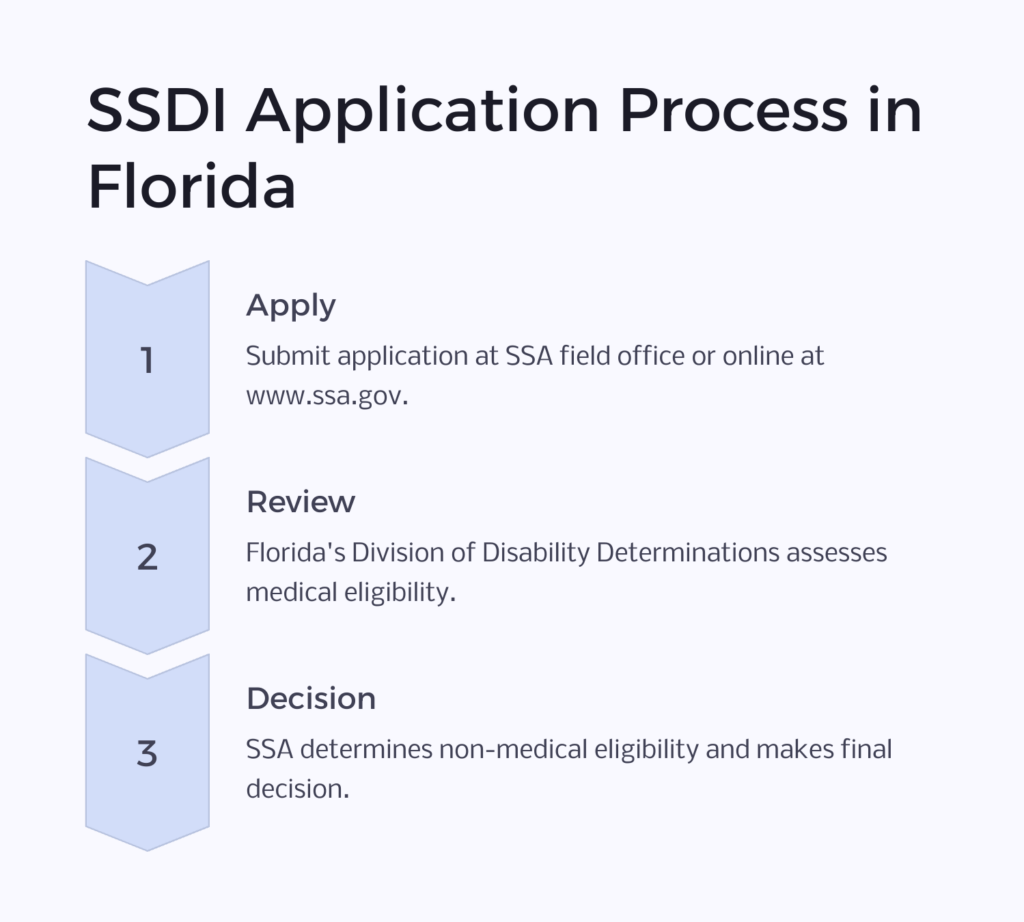
The application process typically begins with an initial application, which can be filed online, by phone, or in person at a local SSA office. Most initial applications are denied, necessitating further steps. The next stage is “Reconsideration,” where your application is reviewed by a different examiner. If denied again, you can request a hearing before an Administrative Law Judge (ALJ). This stage often presents the best chance for approval, as you can present your case in person, with an attorney. Further appeals can proceed to the Appeals Council and, ultimately, to Federal Court. This extended process can be emotionally and financially draining, highlighting the need for strategic planning to manage your lifestyle during the waiting period.

The Role of Legal Representation
Given the complexity and high denial rates, seeking legal representation from a qualified disability attorney or advocate is highly recommended. An attorney can help you gather and organize medical evidence, prepare your testimony, represent you at hearings, and navigate the intricate legal framework. Their expertise can significantly improve your chances of approval, especially at the reconsideration and ALJ hearing levels. While they typically work on a contingency basis (meaning they only get paid if you win your case), their assistance can streamline the process, potentially leading to faster approval and a quicker return to a stable lifestyle.
Essential Considerations for a Quality Lifestyle with Disability in Florida
Securing disability benefits is a significant achievement, but it’s just one piece of the puzzle for maintaining a high quality of life. Once approved, beneficiaries in Florida must consider various aspects of financial management, healthcare access, and community engagement to truly thrive.
Financial Planning and Management
Receiving disability benefits marks a new financial reality. It’s crucial to understand how to budget with this income, especially considering that SSI has strict income and asset limits. Exceeding these limits can jeopardize your eligibility, so careful financial planning is essential. Furthermore, it’s important to understand how your disability income might interact with other benefits, such as housing assistance or food stamps. Proactive financial management, potentially including special needs trusts for those with significant assets, can help protect your eligibility while maximizing your financial security and allowing you to maintain a dignified lifestyle.
Accessing Healthcare and Support Services
One of the most vital benefits linked to disability approval is access to healthcare. SSDI beneficiaries typically become eligible for Medicare after a 24-month waiting period, while SSI recipients are usually eligible for Medicaid immediately. These programs are lifelines, ensuring access to necessary medical treatments, therapies, and medications. Beyond federal programs, Florida offers a wealth of local resources, including disability support groups, accessible transportation services, and home health agencies. Connecting with organizations like the Agency for Persons with Disabilities can unlock further state-specific services designed to support independent living and enhance your quality of life.
Maintaining Independence and Engagement
A fulfilling lifestyle with a disability goes beyond financial and medical support; it involves maintaining independence and active engagement with the community. Many disability programs offer incentives for returning to work if your condition improves or you find suitable accommodations. The SSA’s Ticket to Work program, for instance, provides vocational rehabilitation and employment support. Additionally, Florida’s diverse environment offers numerous opportunities for accessible leisure activities, from its beautiful beaches with adaptive equipment to various parks and cultural attractions designed for all abilities. Actively pursuing hobbies, social connections, and community involvement can combat isolation and enrich your lifestyle significantly.
Enhancing Your Florida Lifestyle: Beyond Benefits
With the foundation of disability benefits secured, individuals can then focus on enriching their lives in Florida. The financial stability and access to healthcare provide the necessary platform to explore and engage with the many opportunities the state offers, fostering a vibrant and integrated lifestyle.
Accessible Travel and Leisure in the Sunshine State
The financial security derived from disability benefits can open doors to exploring the vast and beautiful offerings of Florida. The state is increasingly recognized for its efforts in accessible tourism, allowing individuals with disabilities to enjoy everything from its world-famous theme parks in Orlando to the vibrant city life of Miami and the serene Gulf Coast beaches of St-petersburg. Many parks and attractions offer adaptive equipment, accessible routes, and specialized services. Researching accessible accommodations, transportation, and attraction features beforehand can transform travel dreams into enjoyable realities, further enhancing one’s lifestyle in the Sunshine State.
Community Integration and Advocacy
Beyond personal leisure, an integrated lifestyle often includes community involvement and advocacy. Engaging with local disability advocacy groups or community organizations in Florida not only provides a support network but also empowers individuals to contribute to broader change. Participating in community events, volunteering, or simply connecting with others who share similar experiences can foster a strong sense of belonging and purpose. Advocacy efforts help improve accessibility and services for all, benefiting the wider community of individuals with disabilities in Florida, ensuring that a fulfilling lifestyle is not just an aspiration, but an achievable reality for everyone.
Conclusion
Understanding “How To Get Disability In Florida” is more than just navigating bureaucracy; it’s about proactively taking steps to secure your future and enhance your lifestyle. For individuals living with disabilities in Florida, obtaining federal disability benefits through SSDI or SSI is a foundational step towards financial stability, reliable healthcare, and the independence needed to thrive. While the process can be challenging, armed with knowledge, thorough documentation, and potentially legal assistance, it is an achievable goal. By integrating these benefits with Florida’s supportive services and taking advantage of its accessible opportunities, individuals with disabilities can build and maintain a rich, engaged, and fulfilling lifestyle in the Sunshine State. Persistence and informed action are key to unlocking these essential resources and ensuring a brighter future.
LifeOutOfTheBox is a participant in the Amazon Services LLC Associates Program, an affiliate advertising program designed to provide a means for sites to earn advertising fees by advertising and linking to Amazon.com. Amazon, the Amazon logo, AmazonSupply, and the AmazonSupply logo are trademarks of Amazon.com, Inc. or its affiliates. As an Amazon Associate we earn affiliate commissions from qualifying purchases.