
Navigating the intricacies of obtaining a disabled parking permit in California can seem daunting, but it’s a vital step for many residents seeking greater accessibility to travel, tourism, and everyday lifestyle activities. Whether you’re planning a scenic drive along the Pacific Coast Highway, exploring the vibrant culture of Los Angeles, or enjoying a relaxing stay at a resort in Palm Springs, a disabled parking permit can significantly enhance your experience. This guide aims to demystify the process, covering eligibility, required documentation, application steps, and important considerations for obtaining your California disabled parking permit.
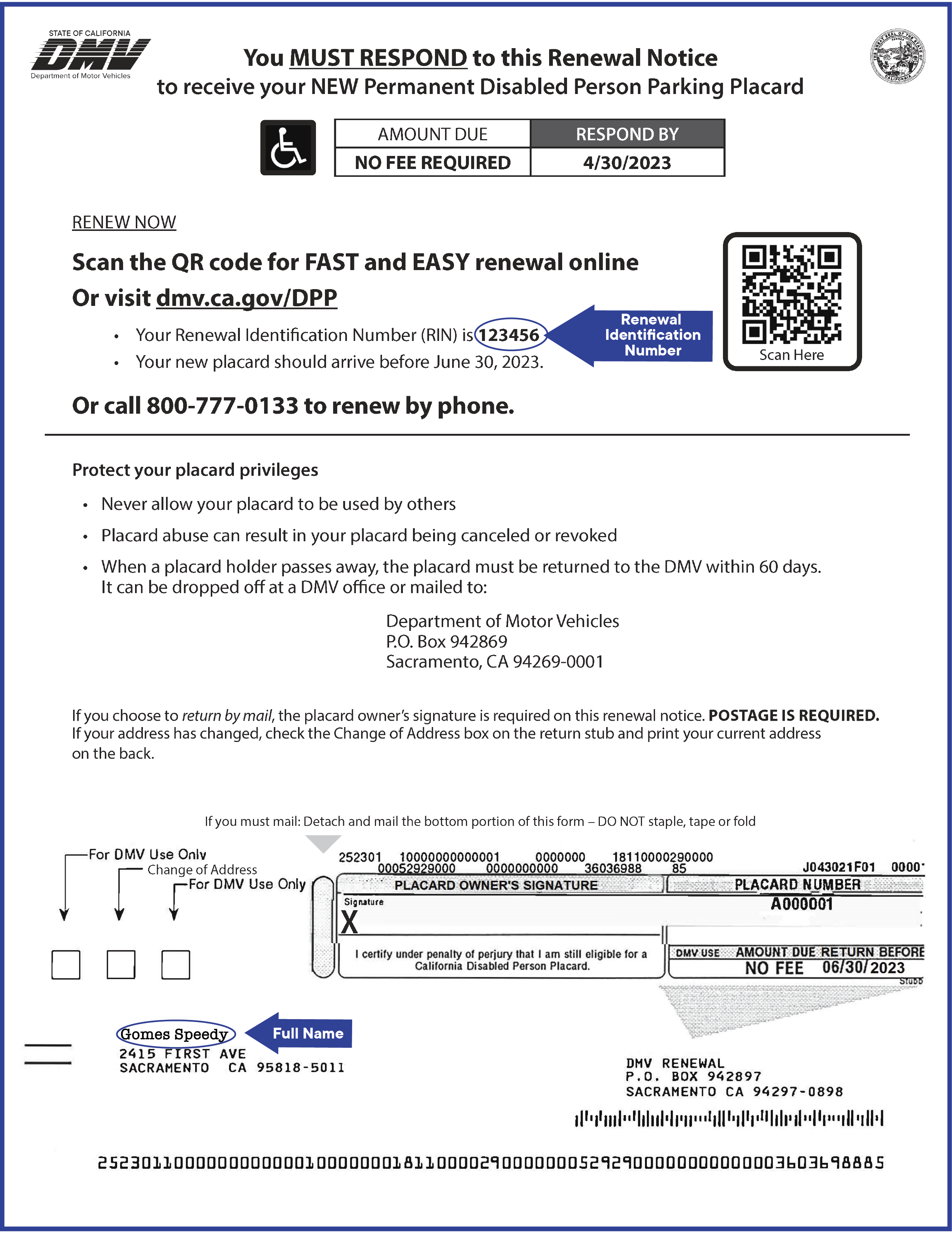
The California Department of Motor Vehicles (DMV) is the governing body responsible for issuing disabled person placards and plates. These permits are designed to provide convenient parking access for individuals with mobility impairments, chronic illnesses, or other disabilities that affect their ability to walk. Understanding the nuances of the application and renewal process is key to ensuring you can readily access parking at various attractions, landmarks, and accommodation options across the state.
Understanding Eligibility and Required Documentation
Before embarking on the application process, it’s crucial to understand who qualifies for a disabled parking permit in California and what documentation is necessary. The state has specific criteria to ensure that these permits are issued to those who genuinely need them.
Who Qualifies for a Disabled Parking Permit?
California law defines a disabled person as someone who has one or more of the following conditions:
- A mobility impairment that substantially limits one or more major life activities. This is a broad category that can encompass a wide range of physical disabilities. Examples include conditions that affect the ability to walk, such as arthritis, chronic back pain, lung disease, or heart disease. The key is that the condition significantly impedes your ability to move around.
- A visual impairment. This includes individuals who are blind to the extent that their central visual acuity does not exceed 20/200 in the better eye with the use of a correcting lens, or whose visual field is restricted to a diameter of 20 degrees or less.
- A medical condition that is not curable and renders the person unable to ambulate without the aid of an assistive device. Assistive devices can include canes, crutches, walkers, wheelchairs, or even another person. The condition must be chronic and persistent, meaning it’s not a temporary ailment.
- A condition that requires the use of a portable respiratory device. This refers to individuals who need oxygen or other portable breathing equipment to function.
- A significant limitation in the ability to perform one or more major life activities due to a medical condition. This is another broad category that allows for the inclusion of individuals with various chronic illnesses that impact their daily functioning, even if a specific physical mobility impairment isn’t readily apparent.
It’s important to note that California distinguishes between disabled person placards (temporary or permanent) and disabled person license plates. The eligibility criteria are generally the same, but the application process for plates involves vehicle registration. This guide primarily focuses on obtaining a placard, which is the most common type of disabled parking permit.
Essential Documentation for Your Application
The cornerstone of your disabled parking permit application in California is the medical certification provided by a qualified healthcare professional. You cannot self-certify your disability.
The primary document you will need is the Application for Disabled Person Plates or Placard (DMV Form REG 195). This form has two main sections:
- Applicant Information: This section requires your personal details, including your name, address, and driver’s license or identification card number.
- Medical Certification: This is the crucial part that must be completed and signed by a licensed physician, surgeon, chiropractor, or podiatrist. The healthcare professional will assess your condition and certify that you meet the eligibility requirements. They will indicate the specific nature of your disability and whether it is temporary or permanent.
Who can sign the medical certification?
- A physician and surgeon (MD)
- An osteopath (DO)
- A chiropractor (DC) – for temporary disabilities only, and their certification must be based on a physical examination.
- A podiatrist (DP) – for disabilities affecting the foot or ankle.
- An optometrist (OD) – for blindness.
- A registered nurse (RN) or physician assistant (PA) – only when they are acting as a registered representative of a physician.
Important considerations for medical certification:
- Accuracy is paramount. Ensure all information provided by your healthcare professional is accurate and complete.
- Temporary vs. Permanent: If your disability is temporary, the healthcare professional will specify the estimated duration. Temporary placards are typically issued for up to six months. If your condition is permanent, you will be issued a permanent placard.
- Consult your doctor: Discuss your eligibility with your doctor beforehand. They are the best resource to determine if your condition meets California‘s criteria for a disabled parking permit.
Beyond the completed application form with medical certification, you may also need a valid California driver’s license or identification card. This is used to verify your identity.

The Application Process: Step-by-Step
Once you have gathered the necessary documentation, you can proceed with submitting your application to the California DMV. The process is designed to be straightforward, but it’s essential to follow each step carefully.
Submitting Your Application
There are several convenient ways to submit your completed application for a disabled parking permit in California:
- In Person: You can visit your local California DMV office. Be prepared for potential wait times. It’s advisable to check the California DMV website for office hours, locations, and any specific appointment requirements. Bringing all your completed forms and identification will expedite the process.
- By Mail: You can mail your completed application to the address specified on the REG 195 form. This is a good option if you prefer to avoid a visit to the DMV or if your condition makes travel difficult. Ensure you use the correct mailing address and include all required documents.
- Online (for Renewals and Replacements): While initial applications are typically not processed entirely online, the California DMV does offer online services for renewing an existing placard or requesting a replacement if yours is lost or stolen. However, new applications still require a physical submission.
What happens after submission?
- Review: The DMV will review your application for completeness and accuracy.
- Issuance: Once approved, your disabled person placard will be mailed to your registered address. Permanent placards do not require renewal, but temporary placards will have an expiration date indicated.
- Disabled Person Plates: If you are applying for disabled person license plates, the process will involve additional steps related to vehicle registration and payment of fees, which are separate from the placard application.
Fees Associated with Disabled Parking Permits:
For disabled person placards (both temporary and permanent), there is generally no fee charged by the California DMV. However, replacement placards due to loss or theft may incur a small fee. If you are applying for disabled person license plates, there will be registration and plate fees associated with them.
Key Considerations and Renewal
Understanding the nuances of your disabled parking permit is crucial for its effective and lawful use.
Using Your Disabled Parking Permit Correctly
Disabled person placards and plates allow you to park in designated disabled parking spaces, which are typically located closer to building entrances and are wider to accommodate mobility devices. However, it’s essential to use your permit responsibly and ethically.
- Display: The placard must be hung from the rearview mirror of the vehicle when parked in a disabled space. It should not be displayed when the vehicle is in motion.
- Valid Use: The permit is for the use of the disabled person named on the application only. It cannot be used by friends or family members when the disabled person is not present in the vehicle.
- Jurisdiction: Disabled parking placards and plates issued by California are generally recognized in other states and countries, although specific rules may vary. It’s always a good idea to be aware of local regulations.
- Penalties: Misuse of a disabled parking permit is a serious offense and can result in substantial fines and penalties. This includes lending your placard to someone else, using a placard that belongs to a deceased individual, or parking in a disabled spot without a valid permit.

Renewal and Replacement
- Temporary Placards: Temporary placards have an expiration date. If your condition persists, you will need to obtain a new medical certification from your healthcare provider and reapply for a temporary placard.
- Permanent Placards: Permanent placards do not require renewal. However, the California DMV may periodically require you to re-certify your eligibility. You will receive notifications if this is required.
- Replacement: If your placard is lost, stolen, or damaged, you can apply for a replacement by submitting a REG 195 form with the appropriate section completed for a replacement. A fee may apply. Similarly, if your disabled person license plates are lost or stolen, you will need to report it to the DMV and apply for replacements.
Tips for a Smooth Application Process:
- Download the latest version of REG 195: Forms are updated periodically. Always ensure you are using the most current version available on the California DMV website.
- Make copies: Before submitting your application, make copies of all completed forms for your records.
- Check processing times: Processing times can vary. If you are planning a trip, apply well in advance to ensure you receive your placard in time.
- Contact the DMV: If you have any questions or encounter issues during the application process, do not hesitate to contact the California DMV directly. Their website provides contact information and a wealth of resources.
Obtaining a disabled parking permit in California is a process that, with careful attention to detail, can be navigated successfully. This permit is more than just a parking convenience; it’s an enabler of independence, allowing individuals to more fully participate in the rich tapestry of experiences California has to offer, from exploring the natural beauty of Yosemite National Park to enjoying world-class dining in San Francisco. By understanding the eligibility, gathering the correct documentation, and following the application procedures, you can ensure you have the necessary tools to make your travels and daily life more accessible and enjoyable.
LifeOutOfTheBox is a participant in the Amazon Services LLC Associates Program, an affiliate advertising program designed to provide a means for sites to earn advertising fees by advertising and linking to Amazon.com. Amazon, the Amazon logo, AmazonSupply, and the AmazonSupply logo are trademarks of Amazon.com, Inc. or its affiliates. As an Amazon Associate we earn affiliate commissions from qualifying purchases.