
Navigating the Lone Star State often involves the freedom and convenience of a driver’s license. Whether you’re a new resident eager to explore the vast landscapes of Texas, a student preparing for your first taste of independence, or a temporary visitor looking to extend your stay beyond the usual tourist routes, understanding the process of obtaining a Texas driver’s license is crucial. This guide aims to demystify the requirements, steps, and nuances involved, ensuring a smooth and successful application process. From understanding the different license types to preparing for the necessary tests, we’ll cover everything you need to know to hit the road legally and confidently in Texas.
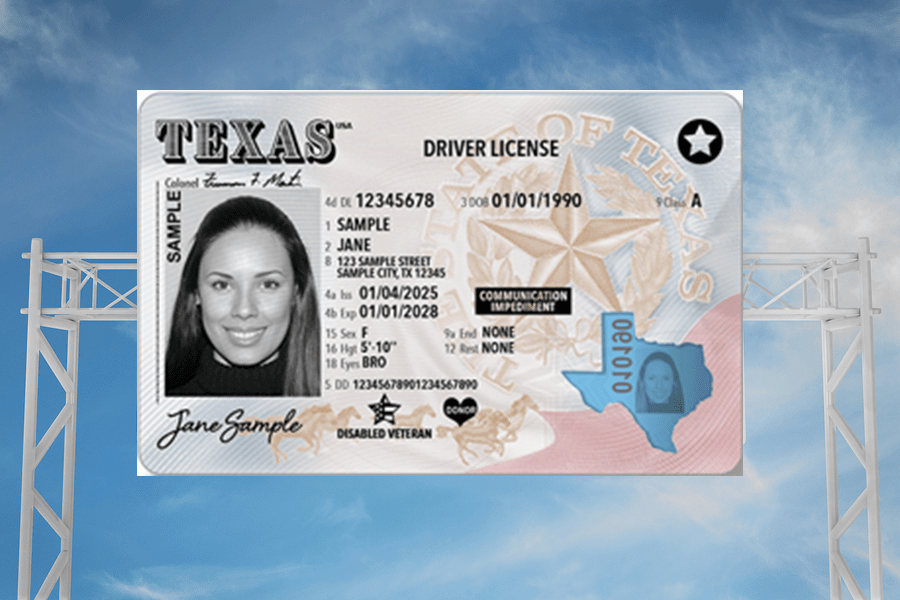
Understanding Texas Driver’s License Requirements
Before embarking on your journey to obtain a Texas driver’s license, it’s essential to familiarize yourself with the fundamental requirements set forth by the Texas Department of Public Safety (DPS). These regulations are designed to ensure that all licensed drivers possess the necessary knowledge and skills to operate a vehicle safely.
Eligibility Criteria and Age Restrictions
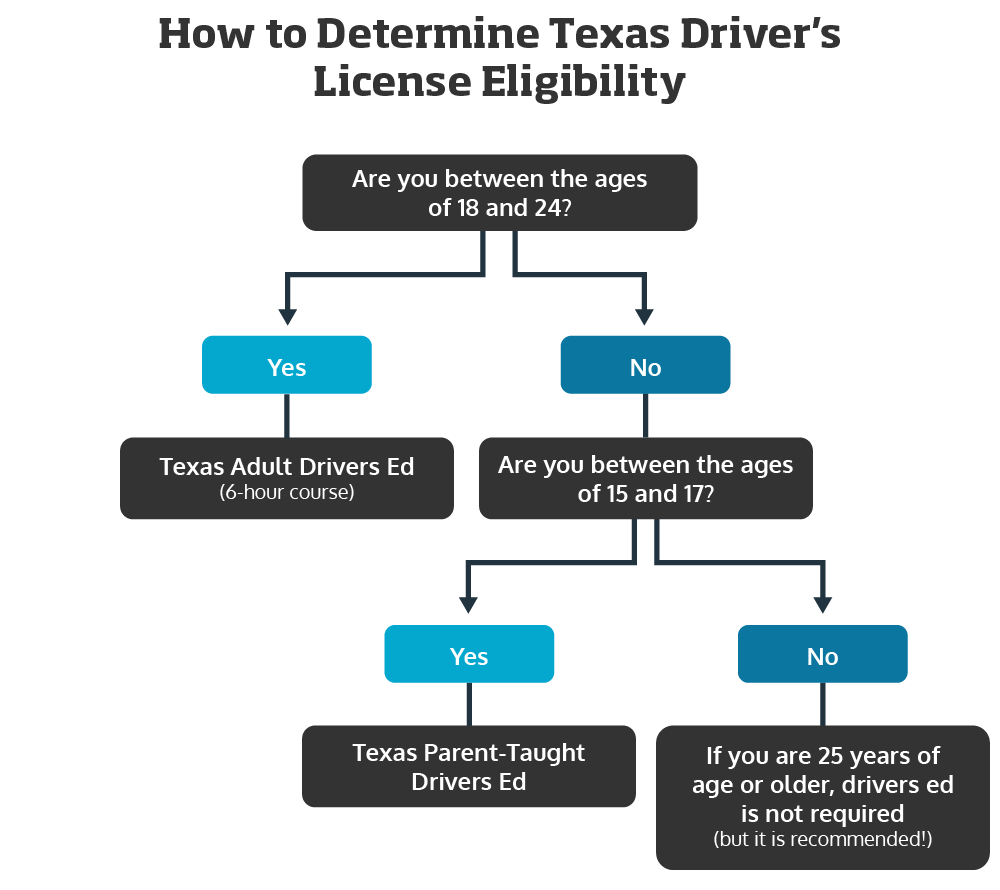
The primary eligibility criteria revolve around age and residency. To apply for a standard Texas driver’s license, you must be at least 16 years old. However, there are specific provisions for individuals under 18, which involve a graduated driver licensing (GDL) program.
For applicants under 18 years old:
- Learner’s Permit (Instruction Permit): At 15 years old, you can apply for an instruction permit, provided you have completed or are currently enrolled in an approved driver education course. This permit allows you to drive with a licensed adult 21 years or older in the front passenger seat.
- Provisional Driver’s License: After holding an instruction permit for at least six months and reaching the age of 16, you can apply for a provisional driver’s license. This license has certain restrictions, such as limitations on the number of passengers under 21 and driving during certain nighttime hours, until you turn 18.
- Completing Driver Education: A significant component for those under 18 is the mandatory completion of a state-approved driver education program. This typically includes both classroom instruction and behind-the-wheel training. The program aims to equip young drivers with the essential knowledge and defensive driving skills.
For applicants 18 years old and older:
- You can apply for an unrestricted driver’s license directly, bypassing the GDL program. However, you will still need to pass all required tests and meet residency and identification requirements.
Required Documentation: Proof of Identity and Residency
Gathering the correct documentation is a critical step. The Texas DPS requires proof of identity, social security number, U.S. citizenship or lawful presence, and Texas residency.
Key documents typically include:
- Proof of Identity: A valid U.S. passport, U.S. birth certificate, or Certificate of Citizenship.
- Proof of Social Security Number: Your Social Security card or an official document showing your Social Security number.
- Proof of Lawful Presence: If not a U.S. citizen, documentation such as a Permanent Resident Card or Employment Authorization Document.
- Proof of Texas Residency: Two documents are usually required, such as a utility bill, bank statement, lease agreement, or mail from a government agency, all bearing your Texas address. These documents must be recent, typically within the last 60-90 days.
- Proof of Driver Education (for under 18): A certificate of completion from an approved driver education program (DE-999 form).
It is highly recommended to check the official Texas DPS website for the most current and exhaustive list of acceptable documents, as requirements can be updated.
The Application Process: From Permit to License
The process of obtaining a Texas driver’s license involves several distinct stages, from applying for your learner’s permit to passing the final driving test. Each step is designed to build upon the previous one, ensuring a comprehensive understanding of driving laws and practical skills.
Applying for a Learner’s Permit (Instruction Permit)
For individuals under 18, the journey begins with obtaining an instruction permit. This involves visiting a Texas DPS driver license office with the required documentation and passing two crucial tests: the knowledge test and the vision test.
- Knowledge Test: This is a multiple-choice exam that assesses your understanding of traffic laws, road signs, and safe driving practices as outlined in the Texas Driver Handbook. It’s essential to study this handbook thoroughly.
- Vision Test: This test measures your ability to see clearly, a fundamental requirement for safe driving. If you wear corrective lenses, bring them to the test.
Once you pass these tests and meet all documentation requirements, you’ll be issued your instruction permit, allowing you to begin supervised driving practice.
The Road Test: Demonstrating Your Driving Skills
The road test, also known as the driving skills test, is the final hurdle before receiving your provisional or unrestricted driver’s license. This practical examination assesses your ability to safely operate a vehicle in various traffic conditions and perform essential driving maneuvers.
What to expect during the road test:
- Vehicle Requirements: You must provide a safe, properly registered, and insured vehicle for the test. The vehicle should have functioning turn signals, brake lights, headlights, and a horn.
- Maneuvers: The examiner will observe your ability to perform tasks such as:
- Starting and stopping the vehicle smoothly.
- Turning left and right at intersections.
- Changing lanes safely.
- Following traffic signals and signs.
- Maintaining appropriate speed.
- Parking (parallel parking is often a key component).
- Backing up.
- Observing blind spots.
- Safe Driving Practices: The examiner will also evaluate your general driving habits, including checking mirrors, using turn signals, yielding to pedestrians and other vehicles, and maintaining a safe following distance.
Preparing for the Road Test:
- Practice, Practice, Practice: The best preparation is ample practice with a licensed driver. Familiarize yourself with different road conditions and traffic scenarios.
- Review the Texas Driver Handbook: Reinforce your knowledge of traffic laws and safe driving techniques.
- Practice Specific Maneuvers: If you’re particularly nervous about parallel parking or other specific maneuvers, dedicate extra practice time to those areas.
- Familiarize Yourself with the Test Route: If possible, drive the common test routes to get a feel for the area.
- Ensure Vehicle Readiness: Double-check that your vehicle is in good working order and meets all the requirements.
Passing the road test signifies that you have demonstrated the necessary skills to drive independently and safely on Texas roadways.
After Obtaining Your License: Maintaining and Upgrading
Receiving your driver’s license is an exciting milestone, but it also comes with responsibilities. Understanding how to maintain your license and the steps involved in upgrading to a full, unrestricted license are important aspects of responsible driving.
Provisional License Restrictions and Upgrading to a Full License
As mentioned earlier, drivers under 18 will receive a provisional license. This license carries specific restrictions to ensure a gradual transition into full driving privileges.
Common provisional license restrictions include:
- Passenger Restrictions: Limitations on the number of passengers under the age of 21 in the vehicle.
- Nighttime Driving Restrictions: Prohibitions on driving during certain hours of the night (e.g., between midnight and 5 a.m.), unless accompanied by a licensed driver 21 or older.
These restrictions are typically in place until the driver turns 18 years old. Upon reaching this age and demonstrating a clean driving record, the provisional license automatically converts to a full, unrestricted driver’s license. No further testing is usually required at this point, provided all previous requirements were met and no violations occurred.

Renewal and Replacement of Your Driver License
Driver’s licenses in Texas have expiration dates and will need to be renewed periodically. The Texas DPS typically sends renewal notices by mail or email, but it’s your responsibility to ensure your license remains current.
Renewal options:
- Online: For many renewals, you can complete the process online through the Texas DPS website, provided you meet certain eligibility criteria.
- By Mail: In some cases, renewal by mail might be an option.
- In Person: You can also visit a driver license office to renew your license.
Replacing a Lost or Stolen License:
If your driver’s license is lost, stolen, or damaged, you’ll need to apply for a replacement. This process generally requires visiting a driver license office and presenting proof of identity and your social security number. There will be a fee associated with obtaining a replacement license.
Remember to always keep your driver’s license with you when operating a vehicle, as it is a legal requirement. Staying informed about renewal timelines and replacement procedures will help you maintain your driving privileges without interruption. Whether you’re planning a road trip to the San Antonio Riverwalk, a weekend getaway to Galveston Island, or simply commuting around Houston, your Texas driver’s license is your key to freedom on the road.
LifeOutOfTheBox is a participant in the Amazon Services LLC Associates Program, an affiliate advertising program designed to provide a means for sites to earn advertising fees by advertising and linking to Amazon.com. Amazon, the Amazon logo, AmazonSupply, and the AmazonSupply logo are trademarks of Amazon.com, Inc. or its affiliates. As an Amazon Associate we earn affiliate commissions from qualifying purchases.