
Florida, the Sunshine State, beckons with its vibrant cities, pristine beaches, and world-renowned attractions. From the bustling streets of Miami and the magical realms of Orlando to the cultural richness of Tampa and the serene beauty of the Florida Keys, this state offers an unparalleled array of experiences. For anyone over the age of 18 looking to fully immerse themselves in the Florida lifestyle – be it for an extended stay, a permanent relocation, or simply the freedom to explore at their leisure – securing a Florida driver’s license is an essential step towards true independence and adventure.
Having a local driver’s license goes far beyond simply operating a vehicle. It serves as a primary form of identification, simplifies various administrative tasks, and, most importantly, unlocks the boundless travel opportunities that define the Florida experience. Imagine spontaneous road trips along scenic coastal highways, venturing into the wilds of Everglades National Park, or effortlessly commuting to your preferred resorts and dining hotspots. This comprehensive guide will walk you through everything you need to know about obtaining a Florida driver’s license when you’re over 18, ensuring a smooth process as you embark on your Sunshine State journey.
The Road to Independence: Understanding Florida’s Driver’s License Requirements
For adults aged 18 and older, the process of obtaining a driver’s license in Florida is designed to be straightforward, provided you come prepared. Unlike new drivers under 18 who often have graduated licensing restrictions, adults typically follow a more direct path to full driving privileges. The key is to understand the eligibility criteria and gather the necessary documents before you even step foot in a FLHSMV (Florida Highway Safety and Motor Vehicles) office. This preparation will not only save you time but also reduce potential stress, allowing you to focus on the exciting prospect of exploring all that Florida has to offer.
Who is Eligible? Age and Residency
As the article title suggests, this guide specifically addresses individuals over 18 years of age. While this simplifies some aspects, you must still meet specific residency requirements. To be considered a Florida resident for driver’s license purposes, you generally need to demonstrate your intent to reside in the state. This means more than just visiting; it implies establishing a physical presence and connection to the community.
If you’re new to Florida and previously held a driver’s license from another U.S. state, you typically have 30 days to obtain a Florida license after establishing residency. If you are relocating from another country or are a first-time driver, the process is slightly different but equally manageable. The core principle remains consistent: proving your age and establishing your residency within the state. This requirement underscores the commitment to the Florida lifestyle, whether it’s for work, study, or simply a change of scenery.

Essential Documentation: Your Ticket to the DMV
Gathering the correct documents is perhaps the most critical step in the entire process. The FLHSMV operates under strict federal and state guidelines, particularly with the implementation of REAL ID standards. You will need original documents or certified copies for verification; photocopies are generally not accepted. Organizing these in advance will make your visit to the FLHSMV office efficient and successful.
Here’s a breakdown of the types of documents you’ll need:
- Proof of Identity: This is your primary document establishing who you are.
- An original or certified United States birth certificate.
- A valid United States passport or passport card.
- A Consular Report of Birth Abroad.
- A Certificate of Naturalization or Certificate of Citizenship.
- For non-U.S. citizens, valid immigration documents (e.g., Green Card, I-94 stamped with your immigration status, Employment Authorization Card). Ensure these are current and accurately reflect your legal presence in the United States. You may need to present additional documents from United States Citizen and Immigration Services (USCIS) depending on your visa type.
-
Proof of Social Security Number (SSN):
- Your original Social Security Administration (SSA) card.
- A W-2 form.
- A pay stub with your SSN.
- A 1099 form.
- If you don’t have an SSN, you may need to provide a letter from the Social Security Administration confirming you were never issued one.
-
Proof of Residential Address (Two Different Documents): These documents confirm your physical address in Florida. They must display your full name and the Florida residential address.
- A utility bill (water, electric, gas, cable, landline phone).
- A valid Florida voter registration card.
- A Florida vehicle registration or title.
- Homeowner’s insurance policy or bill.
- Mail from financial institutions (checking, savings, or investment account statements) issued within the last year.
- Mortgage statement or deed.
- Rental or lease agreement.
- Professional license issued by a Florida governmental agency.
- If living with someone else, an Affidavit of Domicile accompanied by two proofs of residential address from the person you reside with.

Remember, the FLHSMV website is your definitive source for the most current and comprehensive list of acceptable documents. Double-check everything before your visit to avoid delays.
Navigating the Application Process: Tests and Procedures
Once you have all your documents in order, the next phase involves the actual application at a FLHSMV service center. This typically involves a series of tests designed to ensure you possess the necessary vision, knowledge, and practical skills to drive safely on Florida’s roads. Approaching these tests with confidence and preparation will significantly enhance your chances of success and bring you closer to experiencing the full freedom of the Sunshine State.
Vision Test: Clear Sight for Sunny Roads
The first test you’ll encounter is a simple vision screening. This is administered at the FLHSMV office to ensure your eyesight meets the minimum standards for driving. You’ll be asked to read letters or identify symbols on an eye chart. If you wear corrective lenses (glasses or contact lenses), be sure to wear them during the test, as your license will be marked with a restriction indicating you must wear them while driving. Maintaining good vision is crucial for safely navigating Florida’s diverse landscapes, from busy cityscapes to rural highways.
Knowledge Test: Mastering Florida’s Road Rules
The knowledge test, often referred to as the written test, assesses your understanding of Florida traffic laws, road signs, and safe driving practices. This test consists of multiple-choice questions and covers a wide range of topics that are essential for responsible driving.
To prepare for this test, your primary resource should be the official Florida Driver Handbook. This comprehensive guide is available online through the FLHSMV website and covers everything from basic traffic laws to specific regulations unique to Florida. Pay close attention to sections on:
- Road signs and signals.
- Traffic laws, including speed limits, right-of-way, and passing rules.
- Pavement markings.
- Safe driving practices (e.g., distracted driving, impaired driving, sharing the road with pedestrians and cyclists).
- Specific Florida laws (e.g., move-over law).
Many online practice tests are also available, which can be invaluable for familiarizing yourself with the format and types of questions. Aim to achieve a high score on these practice tests before attempting the official one. Passing the knowledge test is fundamental to ensuring the safety of yourself and others as you drive through Florida’s various environments, from crowded tourist areas to quiet residential neighborhoods.
Driving Skills Test: Proving Your Prowess Behind the Wheel
The driving skills test, or road test, is the practical demonstration of your ability to operate a vehicle safely and competently. This test is typically conducted on a designated course or a public road with an examiner present. You must provide a vehicle that is properly registered, insured, and in good working condition (e.g., working lights, turn signals, horn, brakes).
During the test, the examiner will evaluate your ability to perform various maneuvers and demonstrate adherence to traffic laws. Common elements of the driving test include:
- Starting and stopping: Smooth and controlled acceleration and braking.
- Turns: Proper signaling, lane positioning, and execution of left and right turns.
- Lane changes: Safe observation, signaling, and smooth transitions.
- Backing: Straight backing for a specified distance.
- Parking: Usually a three-point turn or parallel parking.
- Traffic signs and signals: Correct response to stop signs, traffic lights, and other regulatory signs.
- Right-of-way: Proper yielding and asserting right-of-way.
- Observation skills: Checking mirrors, blind spots, and overall awareness of surroundings.
The key to passing the driving test is practice. If you are a new driver over 18, consider taking professional driving lessons to hone your skills and become familiar with the expectations of the FLHSMV examiners. For those accustomed to driving in other states or countries, it’s beneficial to practice in Florida to adapt to local traffic patterns and rules. This test is your final hurdle to proving you are ready to navigate Florida’s roads, opening up access to everything from vibrant city centers to secluded beach towns.
Beyond the Basics: Fees, First-Time Drivers, and Making the Most of Your Florida License
Once you’ve successfully passed all the necessary tests, there are a few final steps and considerations before you receive your official Florida driver’s license. Understanding the fee structure, knowing what to expect during your visit, and grasping the broader implications of having a Florida license will round out your preparation. This includes connecting your newfound driving freedom to the lifestyle and travel opportunities that await you.
What to Expect at the FLHSMV Office
Your visit to the FLHSMV office requires a blend of patience and preparation. While some offices allow walk-ins, scheduling an appointment online in advance is highly recommended to minimize wait times, especially in popular tourist areas like Orlando or Miami.
Upon arrival, you will typically:
- Check-in: Present your appointment confirmation or take a number for walk-in service.
- Document Verification: A clerk will review all your original documents to ensure they meet the REAL ID requirements. This is where meticulous preparation pays off.
- Tests: You’ll proceed to take the vision test, and if you haven’t already completed it online or through an approved third-party provider, the knowledge test. The driving skills test will also be scheduled or performed at this stage.
- Photo: A photo will be taken for your license.
- Signature and Fees: You’ll provide your signature and pay the required fees. The fee for an initial Class E (non-commercial) driver’s license typically falls within a standard range, but it’s always wise to check the current rates on the FLHSMV website before your visit. Payment methods usually include cash, check, or credit/debit card.
After successful completion of all steps, you’ll generally be issued a temporary paper license valid until your official, laminated card arrives in the mail, usually within a few weeks. This temporary license is legally recognized for driving and as proof of identification within the state.
Special Considerations for New Florida Residents (and International Visitors)
For those over 18 who are new residents, but not first-time drivers, the process might be slightly different. If you hold a valid driver’s license from another U.S. state, you may be exempt from the knowledge and driving skills tests, provided your out-of-state license is current or expired for less than one year. You will still need to pass the vision test and provide all the required identity, SSN, and residency documents.
International visitors or those relocating from other countries face a different set of requirements. If you possess a valid driver’s license from your home country, you may be able to drive in Florida for a certain period, often up to one year, especially if accompanied by an International Driving Permit (IDP). However, to obtain a Florida driver’s license, you’ll need to follow the full application process, including passing the vision, knowledge, and driving skills tests, and providing valid immigration documents in addition to the standard identity, SSN, and residency proofs. This is crucial for establishing long-term residency and fully integrating into the Florida lifestyle, whether you’re here for work, study, or retirement.
Your Florida Driver’s License: A Gateway to Exploration and Lifestyle
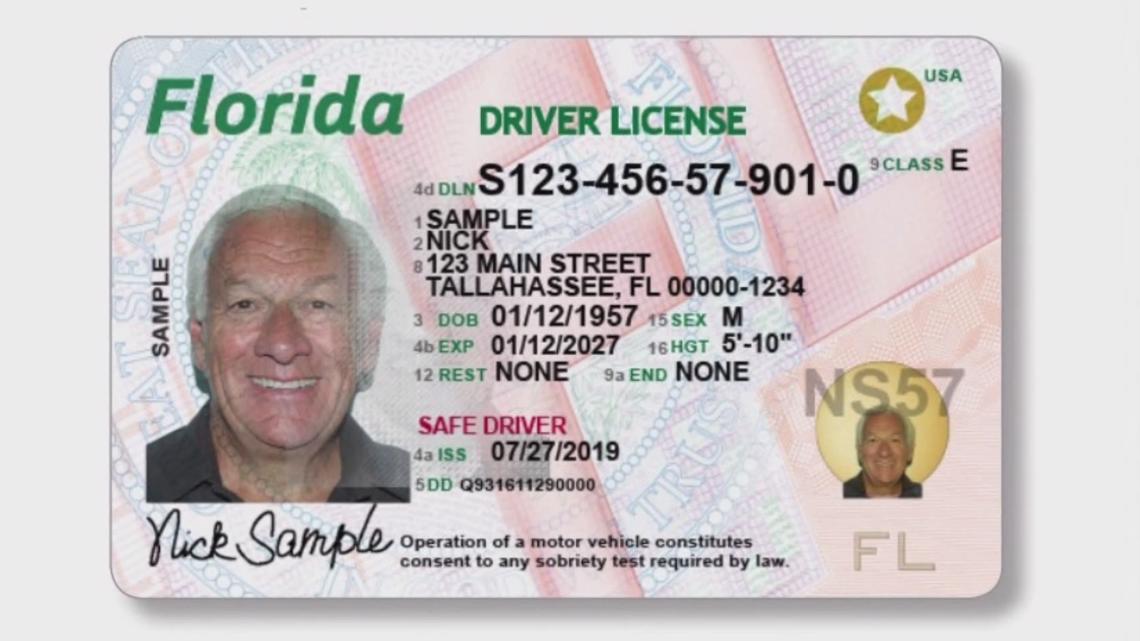
Congratulations! With your Florida driver’s license in hand, you’re not just a licensed driver; you’re an empowered explorer, ready to unlock the full potential of the Sunshine State. This small card represents a significant step towards a more independent, flexible, and enriching experience, perfectly aligning with the core themes of travel, accommodation, and lifestyle.
Unlocking Florida’s Travel Potential
The most immediate and exciting benefit of your Florida driver’s license is the boundless freedom it grants for travel and exploration.
- Spontaneous Road Trips: Imagine deciding on a whim to drive south to the Florida Keys for a weekend getaway, or heading north to explore the historic charm of St. Augustine. Your license makes these spontaneous adventures a reality, allowing you to discover hidden gems and lesser-known attractions off the beaten path.
- Iconic Destinations: Accessing world-famous landmarks like Walt Disney World Resort and Universal Orlando Resort becomes effortless. No longer reliant on taxis or ride-shares, you can arrive and depart on your own schedule, optimizing your experience at these magical parks.
- Natural Wonders: Explore the diverse ecosystems of Florida, from the alligator-filled wetlands of Everglades National Park to the pristine springs of Central Florida. A car is often essential for reaching these natural attractions, allowing you to immerse yourself in the state’s unique biodiversity.
- Interstate Connections: Your license also facilitates travel beyond state lines, making it easier to rent vehicles for extended trips across the United States if your adventures take you further afield.
Enhancing Your Florida Lifestyle
Beyond tourism, a Florida driver’s license is deeply intertwined with daily life and long-term accommodation.
- Car Rentals and Accommodation: For those who don’t own a car, a local license is invaluable for renting vehicles, whether it’s for a short weekend escape to a luxury resort or for temporary needs during a long-term apartment stay. Many hotels and resorts, particularly those offering valet services or car-sharing partnerships, will require a valid local license.
- Proof of Identity: Your driver’s license is the most widely accepted form of identification in the United States. It simplifies everything from checking into hotels and collecting packages at long-term stay accommodations to verifying your age at restaurants and entertainment venues.
- Local Culture and Amenities: With your own transportation, you gain unprecedented access to Florida’s rich local culture, from farmers’ markets and community events to authentic culinary experiences and local art galleries. You can explore neighborhoods beyond the tourist core, finding hidden dining gems and unique shops that contribute to the authentic Florida lifestyle.
- Insurance and Financial Benefits: For residents, a Florida driver’s license is often a prerequisite for obtaining local car insurance, which can offer more favorable rates than out-of-state policies. It also streamlines other financial transactions and identity verification processes.
Obtaining your Florida driver’s license over the age of 18 is a pivotal moment, transforming you from a visitor into a true participant in the state’s vibrant tapestry. It’s an investment in your independence, your ability to explore, and your capacity to fully embrace the dynamic and diverse lifestyle that Florida so generously offers. So, gather your documents, study the rules, pass your tests, and get ready to drive into your next great adventure in the Sunshine State!
LifeOutOfTheBox is a participant in the Amazon Services LLC Associates Program, an affiliate advertising program designed to provide a means for sites to earn advertising fees by advertising and linking to Amazon.com. Amazon, the Amazon logo, AmazonSupply, and the AmazonSupply logo are trademarks of Amazon.com, Inc. or its affiliates. As an Amazon Associate we earn affiliate commissions from qualifying purchases.