
Securing a driver’s license is a significant milestone for residents of Nevada. Whether you have recently moved to the Silver State or are simply reaching the age where independence on the road becomes a priority, understanding the regulatory landscape is essential. For adults aged 18 and older, the process is streamlined compared to the requirements for minors, yet it remains a formal procedure that demands attention to detail, documentation, and safety standards. Obtaining your license allows you the freedom to explore the vibrant landscapes from the neon-lit streets of Las Vegas to the tranquil, crystalline shores of Lake Tahoe.

Understanding the Legal Prerequisites and Documentation
Before stepping foot into a Department of Motor Vehicles (DMV) office, you must ensure your administrative foundation is solid. The state of Nevada maintains rigorous identity verification standards to ensure the integrity of its licensing system.
Essential Identity Documents
To apply for a first-time license as an adult, you are required to provide proof of identity. Acceptable documents typically include a valid United States passport, a certified birth certificate, or a Certificate of Naturalization. If your name has changed due to marriage or other legal reasons, you must present original or certified copies of legal documents reflecting those changes, such as a marriage certificate or a court order.
Proof of Residency
Nevada requires applicants to prove they are residents of the state. You will generally need to provide two documents that confirm your physical address. Common examples include:
- Utility bills (electricity, gas, or water).
- A rental or lease agreement signed by the landlord.
- Bank or credit card statements sent to your Nevada address.
- An official document from a Nevada state agency.
Additionally, you must provide your Social Security Number. While you do not always need to present the physical card, knowing the number is mandatory, and it is often best to have the card or a W-2 form on hand for verification purposes.
The Testing Process: Written and Vision Exams
Once your documents are verified, the physical and cognitive requirements begin. Unlike the licensing process for teenagers, those over 18 are not required to complete a formal driver’s education course, though it is highly encouraged to familiarize yourself with the Nevada Driver Handbook.
The Vision Screening
Every applicant must pass a vision test to ensure they meet the minimum visual acuity standards required for safe driving. If you wear glasses or contact lenses, be sure to bring them to the DMV. If you fail to meet the standards, you may be required to have an eye care professional complete a report before your application can proceed.
The Knowledge Test
The written knowledge test is designed to measure your understanding of traffic laws, road signs, and safe driving practices specific to Nevada. The exam consists of multiple-choice questions covering topics such as:
- Right-of-way rules.
- Speed limits and road markings.
- DUI regulations and penalties.
- Emergency procedures.
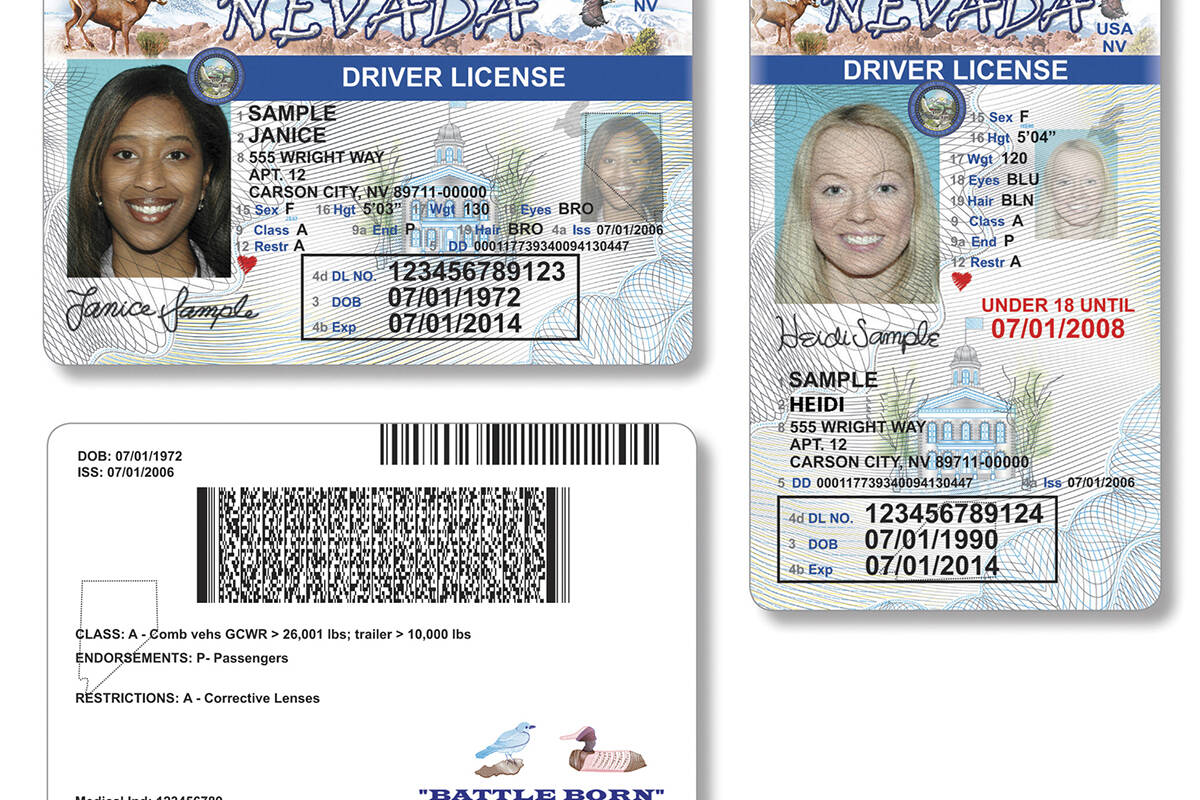
The DMV provides practice tests online. Engaging with these resources is the most effective way to prepare, as the questions reflect the nuances of driving in environments ranging from the high-traffic urban corridors of Reno to the remote stretches of high desert highway.
Behind the Wheel: The Practical Driving Skills Test
After successfully passing your vision and knowledge tests, you will be issued an instruction permit. This allows you to practice driving under the supervision of a licensed driver who is at least 21 years old and has held a license for at least one year. Once you feel confident in your abilities, you can schedule your practical driving skills test.
Vehicle Safety Inspection
Before the examiner enters the vehicle, they will conduct a brief safety inspection. Your vehicle must be roadworthy, meaning:
- All turn signals and brake lights must function correctly.
- The horn must be audible.
- The windshield must be free of major cracks that obstruct view.
- Tires must have adequate tread.
- Seatbelts must be functional for both the driver and the examiner.
What to Expect During the Road Test
The driving test is a practical application of the concepts learned in the manual. You will be evaluated on your ability to:
- Execute Maneuvers: This includes parking, reversing in a straight line, and performing turns at intersections.
- Obey Traffic Control Devices: Full stops at signs, responding to traffic lights, and respecting speed limits are non-negotiable.
- Situational Awareness: You must demonstrate that you are scanning the road, checking blind spots, and reacting appropriately to other motorists and pedestrians.
- Defensive Driving: The examiner looks for anticipation of potential hazards and maintenance of a safe following distance.
Keep in mind that while the test is nerve-wracking, it is fundamentally designed to ensure that every driver on the roads of Nevada possesses the basic skills to protect themselves and others.
Final Steps and Licensing Logistics
Upon passing your driving skills test, you will return to the DMV service counter to finalize your application. This is the stage where you will have your photograph taken for your permanent license.
Fees and Processing
There are standard fees associated with the issuance of an original driver’s license. These fees cover the processing of your application and the production of the physical card. It is advisable to check the Nevada DMV website beforehand to confirm the current fee schedule, as these can occasionally change due to legislative adjustments.
Receiving Your License
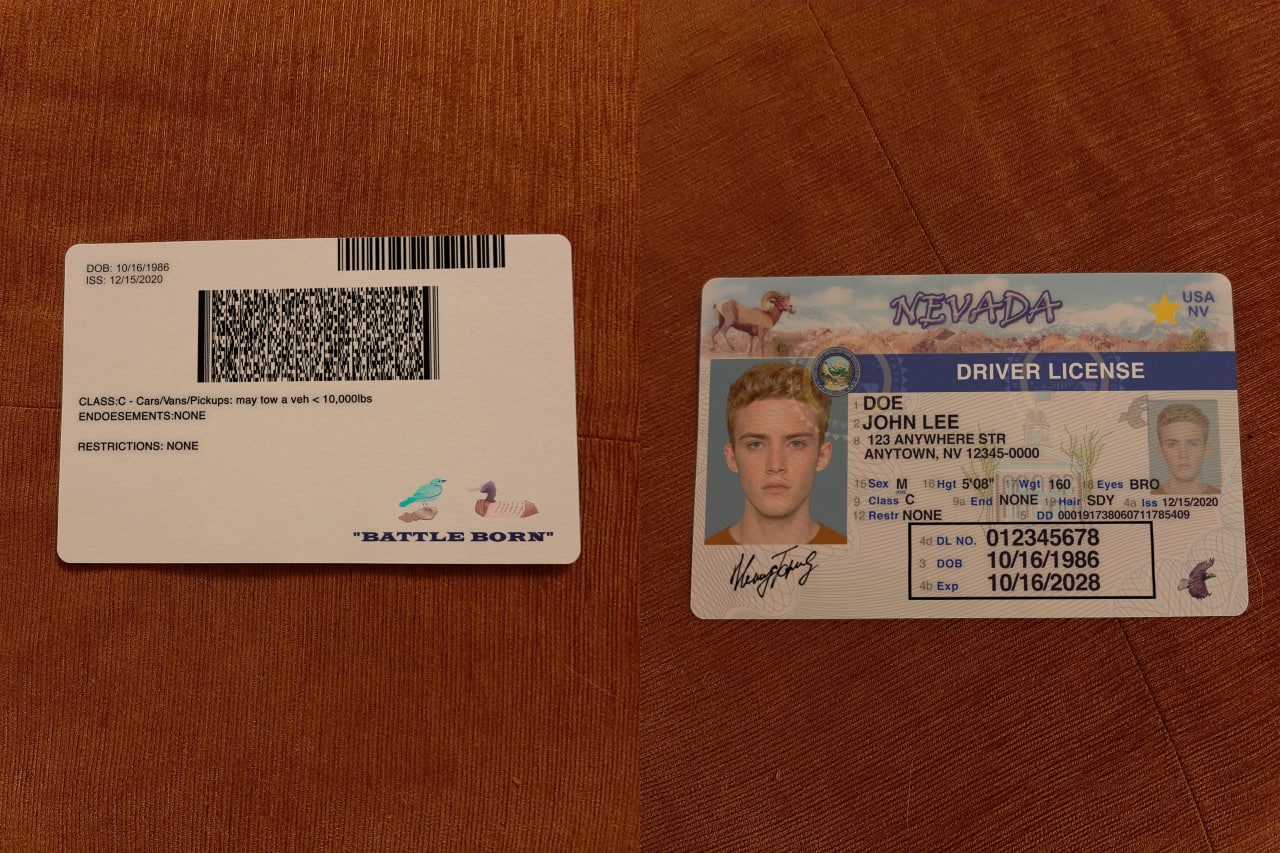
Once the fee is paid and the paperwork is processed, you will receive a temporary paper license. Your permanent plastic card will be mailed to your verified address. It is important to ensure your mailing address is accurate in the DMV system to avoid any delays in receiving your identification.
Maintaining Your Privilege
Obtaining a license is not just a one-time event; it is an ongoing responsibility. As a driver in Nevada, you are subject to traffic laws that prioritize public safety. Maintaining a clean driving record is essential. Avoid distracted driving, never operate a vehicle under the influence of substances, and remain aware of changing road conditions. Whether you are driving through the historic streets of Carson City or navigating the mountainous terrain near Mount Charleston, the privilege of driving requires constant vigilance and respect for the law.
By preparing thoroughly, gathering the correct documentation, and studying the state’s traffic regulations, you can navigate the path to licensure with confidence. Embracing this process ensures that you are not only legally qualified to drive but are also a well-informed participant in the transportation network of one of the most unique and beautiful states in the West.
LifeOutOfTheBox is a participant in the Amazon Services LLC Associates Program, an affiliate advertising program designed to provide a means for sites to earn advertising fees by advertising and linking to Amazon.com. Amazon, the Amazon logo, AmazonSupply, and the AmazonSupply logo are trademarks of Amazon.com, Inc. or its affiliates. As an Amazon Associate we earn affiliate commissions from qualifying purchases.