
Texas, the Lone Star State, is a land of vast horizons, vibrant cities, and unparalleled adventures. From the bustling metropolises of Houston and Dallas to the historic charm of San Antonio and the live music capital, Austin, this state offers an incredible array of experiences for every traveler and resident. However, to truly unlock the freedom to explore its iconic landmarks, discover hidden gems, and immerse yourself in the local lifestyle, having a driver’s permit is often your first essential step. Whether you’re a new resident eager to navigate the highways, a young adult ready to gain independence, or simply someone looking to embrace the full scope of Texas tourism, understanding how to obtain a driver’s permit is crucial. This comprehensive guide will walk you through the process, intertwining practical advice with the exciting possibilities that await you on the open road.
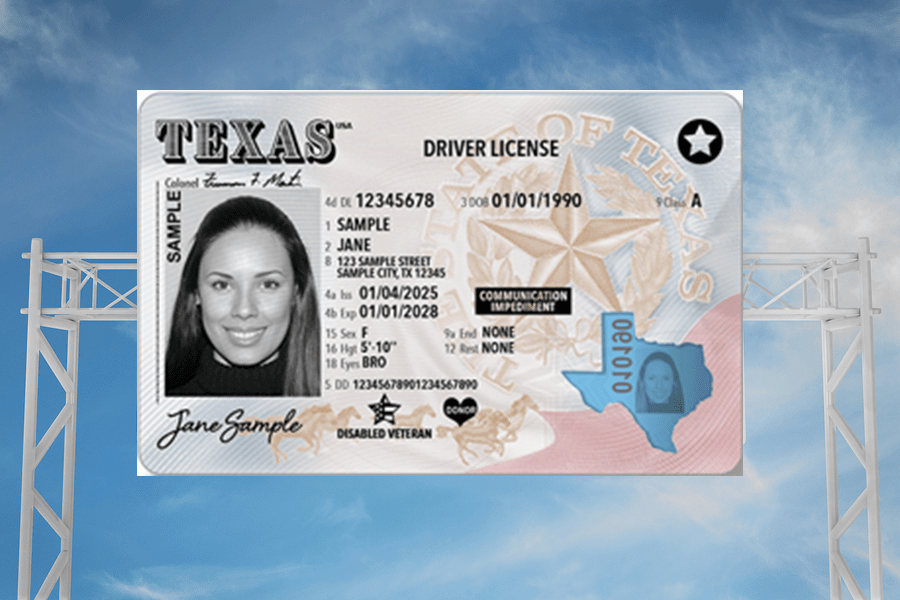
Unlocking the Texas Experience: Why a Driver’s Permit is Your First Step
The allure of Texas lies in its sheer scale and diversity. Imagine driving through the desert landscapes of Big Bend National Park, cruising along the scenic Gulf Coast to Galveston, or embarking on a culinary tour through the Hill Country’s charming towns. These experiences, which define much of the Texas lifestyle, are largely dependent on the freedom of personal transportation. A driver’s permit, specifically an Instruction Permit (commonly known as a learner’s permit), is the gateway to this independence. It allows you to learn how to drive legally under the supervision of a licensed adult, setting the foundation for obtaining a full driver’s license and, subsequently, unrestricted travel. For those new to the state or those coming of age, securing this permit is more than just a legal formality; it’s a rite of passage that opens doors to new adventures, job opportunities, and a more integrated Texas lifestyle.
Eligibility and Requirements for Your Texas Journey
Before you even step foot into a Texas Department of Public Safety (DPS) office, it’s vital to understand the eligibility criteria and gather the necessary documentation. The requirements vary slightly depending on your age, but generally, to obtain an Instruction Permit, you must be at least 15 years old. This initial stage of the driving process is meticulously designed to ensure all new drivers are prepared for the responsibilities of the road.
Key Requirements for Eligibility:
- Age: You must be at least 15 years old.
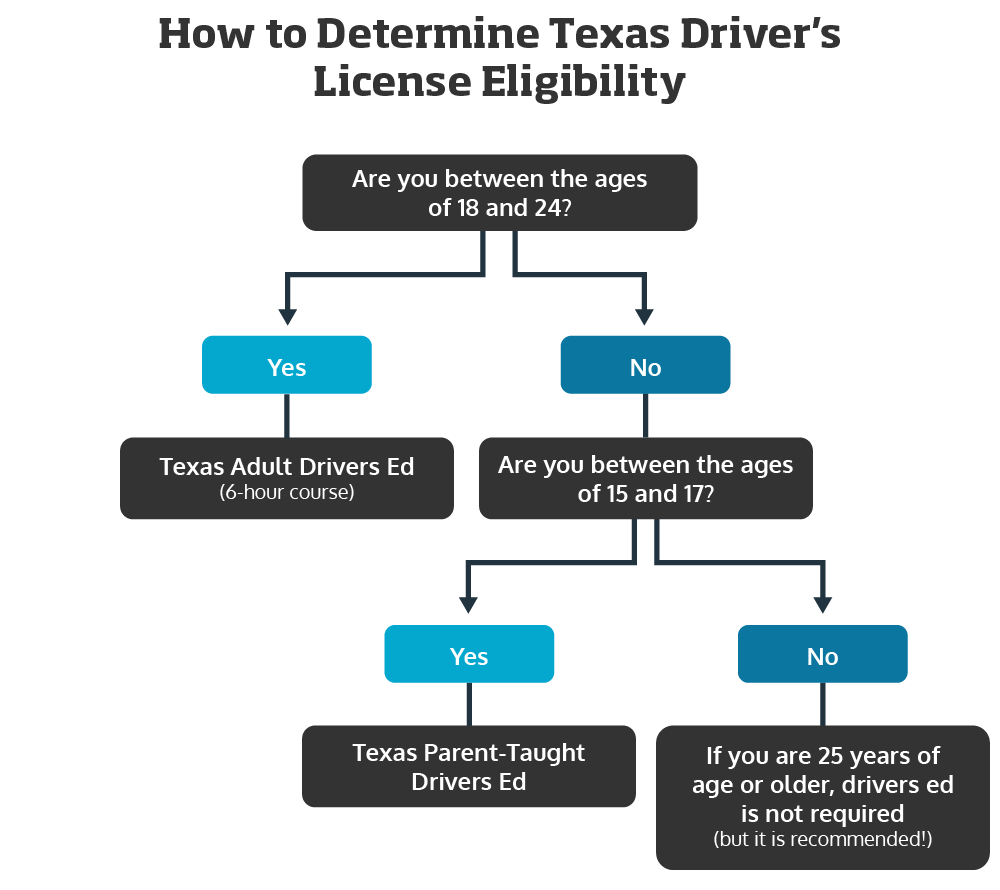
- Driver Education: If you are between 15 and 17 years old, you must be enrolled in or have completed an approved driver education course. Texas offers various options, including traditional classroom settings, parent-taught programs, and online courses. For those 18 and older, driver education is not required to obtain a permit, but it is highly recommended and often a prerequisite for a full license if you haven’t held one before.
- Residency: You must be a Texas resident. This is typically proven with utility bills, lease agreements, or other official mail showing your name and address. This requirement ensures that the permit is issued to individuals who genuinely intend to live and drive within the state.
Mandatory Documents to Bring:
The most critical step in the application process is presenting the correct documents. For a smooth visit to the DPS office, ensure you have original or certified copies of the following:
- Proof of Identity: A U.S. citizen’s birth certificate or unexpired U.S. passport, or appropriate immigration documents for non-citizens. This establishes who you are.
- Proof of Social Security Number: Your Social Security card or a government document displaying your SSN.
- Proof of U.S. Citizenship or Lawful Presence: This can often be covered by your identity document, but additional documentation may be required for non-citizens.
- Proof of Texas Residency: Two documents showing your name and current Texas residential address. Examples include a current utility bill (electric, water, gas, internet, cable), a current unexpired Texas vehicle registration or title, a current homeowner’s or renter’s insurance policy, or a valid Texas voter registration card. These documents confirm your established presence in the state.
- Proof of School Enrollment (for minors): A Verification of Enrollment (VOE) form obtained from your school, proving current enrollment and attendance. This is crucial for applicants under 18.
- Driver Education Certificate (for minors): Proof of completion or enrollment in an approved driver education program, typically a DE-964 certificate.
- Parental Consent (for minors): A parent or legal guardian must be present to sign the application.
Carefully reviewing the DPS website for the most current list of acceptable documents is highly recommended before your visit, as requirements can sometimes change.
Navigating the Application Process: Your Roadmap to Freedom
Once you’ve gathered all your documents and confirmed your eligibility, the next step is the actual application process at a DPS office. While it might seem daunting, breaking it down into manageable steps can alleviate any stress, much like planning a multi-city Texas road trip.
The Application Steps:
- Complete the Application Form: You can often start this online on the DPS website or fill it out at the office. This form collects your personal information and declarations.
- Schedule an Appointment (Highly Recommended): DPS offices, especially in major cities like Fort Worth or El Paso, can have long wait times. Scheduling an appointment online can save you hours and make the process far more efficient, allowing you more time to explore nearby attractions or relax at your chosen accommodation.
- Visit a DPS Office: On the day of your appointment, bring all your original documents. Be prepared for a queue even with an appointment, though it will likely be shorter.
- Present Documents and Pay Fees: A DPS representative will review your documents. Once approved, you’ll pay the application fee. The fee for an Instruction Permit is typically around $16, but it’s always good to check the current rates on the DPS website.
- Provide Fingerprints and Photo: Your fingerprints will be taken for identification purposes, and your photo will be captured for your permit card. This photo will be with you for a while, so smile!
- Pass the Knowledge Test: This is a written or computer-based test covering Texas traffic laws and road signs. You must score at least 70% to pass. This test ensures you understand the rules of the road before you begin practical driving lessons.
- Pass the Vision Test: A simple eye exam will be administered to ensure your vision meets the minimum standards for safe driving.
- Receive Your Temporary Permit: If you pass both tests, you’ll be issued a temporary Instruction Permit. The official card will be mailed to you within a few weeks.
With your temporary permit in hand, you are now legally able to begin supervised driving practice. This is where the real adventure begins, as you gain the skills needed to confidently navigate the diverse landscapes of Texas, from the historic streets of Fredericksburg to the bustling highways connecting major cities.
Mastering the Tests: Preparing for the Road Ahead
The knowledge and vision tests are integral parts of obtaining your Instruction Permit. They are designed to confirm that you possess the foundational understanding of road safety and the physical capability to drive. Approaching these tests with adequate preparation is key to a successful outcome, reducing the need for multiple DPS visits and getting you on the road faster.
The Knowledge Test: Understanding Texas Road Rules
The written or computer-based knowledge test assesses your understanding of Texas traffic laws, road signs, and safe driving practices. This isn’t just about memorizing facts; it’s about internalizing the rules that keep drivers, passengers, and pedestrians safe. For a state as expansive and diverse as Texas, with its mix of urban sprawl, rural roads, and interstates, a thorough grasp of these rules is paramount for both your safety and the safety of others.
How to Prepare for the Knowledge Test:
- Study the Texas Driver Handbook: This is your primary resource. The DPS provides a free handbook (available online or at DPS offices) that covers everything you need to know. Pay close attention to sections on road signs, traffic signals, right-of-way rules, speed limits, parking regulations, and the effects of alcohol and drugs on driving.
- Take Practice Tests: Many websites offer free online practice tests that simulate the actual DPS exam. These are invaluable for familiarizing yourself with the format, types of questions, and identifying areas where you need further study. Consistent practice will build your confidence.
- Driver Education Courses: If you’re required to take a driver education course (under 18), these programs are specifically designed to prepare you for the knowledge test and provide a deeper understanding of driving theory. Even if not required, an online course can be a great refresher.
Understanding the unique nuances of Texas driving, such as specific laws regarding school zones or the proper way to navigate complex highway interchanges, will not only help you pass the test but also make you a more confident and responsible driver as you begin to explore destinations like the River Walk in San Antonio or the state parks in the Hill Country.

Vision and Verification: Ensuring You’re Ready to Drive
Beyond theoretical knowledge, your physical capability to drive safely is crucial. The vision test is a quick and straightforward assessment administered at the DPS office to determine if your eyesight meets the minimum standards required for driving in Texas.
What to Expect from the Vision Test:
- You will be asked to read letters or numbers on an eye chart from a set distance, similar to an optometrist’s exam.
- If you wear corrective lenses (glasses or contact lenses), be sure to wear them during the test. If you pass with corrective lenses, your permit and subsequent license will have a restriction indicating that you must wear them while driving.
- If you fail the vision test, you will likely be advised to visit an eye doctor for a more comprehensive examination. You may need to have your vision corrected before you can re-take the test and proceed with your application.
Additionally, during the application process, there is a verification aspect that includes capturing your photograph and fingerprints. These steps are standard security protocols to ensure accurate identification and prevent fraud. While seemingly minor, they are part of the comprehensive process that verifies you are indeed the individual applying for the permit and contribute to the integrity of the state’s licensing system.
Beyond the Permit: Exploring Texas with Confidence
Obtaining your Instruction Permit is not just about fulfilling a legal requirement; it’s about gaining the ability to engage more deeply with all that Texas has to offer. With supervised driving practice, you’ll build the skills and confidence necessary to eventually earn your full driver’s license, which will truly open up the entire state for your exploration.
Texas Road Trips: Destinations Awaiting Your Arrival
Texas is a premier destination for road trips, and your permit is the first step toward embarking on these unforgettable journeys. Once you’re comfortable behind the wheel with a licensed supervisor, you can begin to practice driving on different types of roads, preparing for the vast and varied landscapes you’ll encounter.
Imagine planning a weekend getaway with your family to a charming bed and breakfast in Gruene, exploring the historic sites of Mission San José in San Antonio, or even planning a longer trip to witness the natural beauty of Palo Duro Canyon State Park near Amarillo. Your permit allows you to learn the ropes of driving to these incredible destinations.
- Urban Exploration: Practice navigating the intricate highway systems of Houston to visit the Space Center Houston or explore the vibrant arts scene in Dallas.
- Nature Escapes: Head out to Lake Travis for some water activities or drive through the scenic Hill Country, stopping at various wineries and small towns.
- Cultural Immersion: Explore the German heritage of Fredericksburg or the unique art installations of Marfa in West Texas.
Having your permit means these adventures are no longer just dreams but tangible plans. It’s an investment in your future travel experiences within the Lone Star State.
Living the Texas Lifestyle: Independence and Opportunity
Beyond tourism, a driver’s permit significantly enhances your daily lifestyle in Texas. For students, it means easier access to school, extracurricular activities, and part-time jobs. For new residents, it eases the transition, allowing for independent grocery shopping, commuting to work, and connecting with local communities.
- Enhanced Mobility: Texas is a driving state. Public transportation options are limited outside of major city centers. Having a permit and working towards a license provides unparalleled mobility, essential for both personal errands and exploring the vast recreational opportunities from the Texas State Fair in Dallas to the SXSW Festival in Austin.
- Career Opportunities: Many jobs in Texas require a valid driver’s license. Starting with a permit puts you on the path to meeting these professional requirements, opening up a wider range of employment options.
- Family Travel: For families, a new driver with a permit can eventually contribute to driving responsibilities, making family road trips and daily chauffeuring duties more manageable. Imagine the joy of shared drives to destinations like SeaWorld San Antonio or a weekend stay at a resort in South Padre Island.
- Social Life: The ability to drive yourself, even under supervision, gives you more control over your social life, allowing you to meet friends, attend events, and fully participate in local culture.
The independence afforded by a driver’s permit is a cornerstone of the Texas lifestyle, empowering individuals to live, work, and explore without significant limitations.
Essential Tips and Resources for Aspiring Texas Drivers
Navigating bureaucratic processes can be challenging, but with some foresight and the right resources, obtaining your Texas driver’s permit can be a smooth experience.
Locating a DPS Office and Scheduling Your Visit
Finding the right DPS office and planning your visit strategically can significantly reduce stress and wait times.
- Use the DPS Website: The official Texas DPS website is your best friend. It provides a locator tool to find the nearest office, details operating hours, and offers an online appointment scheduling system. For those living in larger metropolitan areas, you might find offices located conveniently near shopping centers or business districts, making it easy to combine your visit with other errands.
- Schedule an Appointment: As mentioned earlier, this is critical. During peak times, walk-in wait times can be several hours long. An appointment ensures you’ll be seen much faster, respecting your time and allowing you to plan your day effectively.
- Choose the Right Office: If you’re in a city with multiple DPS locations, check reviews or ask locals for recommendations on which offices tend to be less busy or more efficient. Sometimes, driving a little further to a smaller office outside the immediate city center (e.g., opting for a suburban DPS in the Dallas-Fort Worth metroplex) can save considerable time.
- Arrive Prepared: Double-check your documents before you leave home. Having everything organized in a folder will streamline the process once you’re at the office.
Driving Safely and Responsibly: A Commitment to the Lone Star State
Once you have your permit, the journey of learning to drive responsibly truly begins. Remember that an Instruction Permit comes with significant responsibilities and restrictions, primarily that you must always drive with a licensed adult (21 years or older) in the front passenger seat.
- Consistent Practice: Regular, supervised practice is essential. Vary your driving environments—practice in residential areas, on highways, during different times of day, and in varying weather conditions (when safe to do so).
- Focus on Fundamentals: Master basic maneuvers like turning, parking, lane changes, and understanding traffic flow.
- Adhere to Restrictions: Strictly follow all permit restrictions, including the supervised driving requirement. Violating these can lead to fines, delays in obtaining your full license, or even suspension of your permit.
- Be a Responsible Driver: Always be attentive, avoid distractions (especially mobile phones), and adhere to speed limits. Driving safely is not just about passing a test; it’s about making a lifelong commitment to your safety and the safety of others on the road.
Getting your driver’s permit in Texas is a foundational step towards a life of greater independence and exploration within this magnificent state. By understanding the requirements, preparing thoroughly for the tests, and embracing the responsibility that comes with driving, you will soon be well on your way to experiencing the rich travel, diverse accommodations, vibrant tourism, and dynamic lifestyle that the Lone Star State proudly offers. Safe travels and enjoy the open roads of Texas!
LifeOutOfTheBox is a participant in the Amazon Services LLC Associates Program, an affiliate advertising program designed to provide a means for sites to earn advertising fees by advertising and linking to Amazon.com. Amazon, the Amazon logo, AmazonSupply, and the AmazonSupply logo are trademarks of Amazon.com, Inc. or its affiliates. As an Amazon Associate we earn affiliate commissions from qualifying purchases.