
Navigating the complexities of emancipation in Texas as a minor, particularly at the age of 16, involves a thorough understanding of legal requirements and processes. Emancipation is a significant legal step that grants a minor the rights and responsibilities of an adult before they reach the age of majority, typically 18. For a 16-year-old in Texas, this means gaining the ability to make independent decisions regarding their education, healthcare, finances, and living arrangements, free from parental control. This process is not undertaken lightly and requires demonstrating to a court that the minor is mature, self-sufficient, and capable of managing their own affairs responsibly.
Understanding Emancipation in Texas
Emancipation is a legal declaration by a court that a minor is no longer under the control of their parents or guardians. Once emancipated, a minor can enter into contracts, sue and be sued, control their own earnings, and make their own medical and educational decisions. The process is designed for minors who are living apart from their parents and are capable of supporting themselves financially and emotionally. It is crucial to understand that emancipation is not a way to escape parental discipline; rather, it is a pathway for mature young individuals who have already assumed adult responsibilities to have those responsibilities legally recognized.
Legal Basis and Eligibility Criteria
In Texas, the legal framework for emancipation is primarily governed by state statutes. To be considered for emancipation, a minor must meet specific eligibility criteria. These generally include:
- Age Requirement: The minor must be at least 16 years of age. While the petition can be filed at 16, the court will assess the minor’s maturity and self-sufficiency.
- Living Apart from Parents: The minor must be living separate and apart from their parents or guardian. This separation must be voluntary and not due to the parents’ abandonment or inability to care for the child.
- Financial Self-Sufficiency: The minor must demonstrate that they can manage their own financial affairs and are capable of supporting themselves. This often involves having a stable source of income and demonstrating responsible budgeting.
- Best Interests of the Minor: The court will always consider whether emancipation is in the best interest of the minor. This involves evaluating the minor’s maturity, their ability to make sound decisions, and the potential consequences of emancipation.
Grounds for Emancipation
The petition for emancipation must articulate specific grounds that justify the court granting this status. These grounds typically revolve around the minor’s ability to live independently and make mature decisions. Common grounds include:
- Financial Independence: The minor has a consistent and sufficient income to cover their living expenses, including housing, food, clothing, and healthcare. This might be through employment, a trust fund, or other legally obtained resources.
- Maturity and Responsibility: The minor can demonstrate a level of maturity beyond their years, evidenced by responsible decision-making in their personal life, education, and finances.
- Living Arrangements: The minor has secured stable and safe living arrangements that are not dependent on parental support.
- Educational Stability: The minor is committed to continuing their education or has a viable plan for their future, such as vocational training or higher education.
- Medical Self-Sufficiency: The minor can manage their own healthcare needs or has a clear plan for accessing medical care.
The Emancipation Process in Texas
The legal process for emancipation in Texas involves several distinct stages, from initial preparation to the final court hearing. It is a formal legal procedure that requires meticulous attention to detail and adherence to court rules.
Filing the Petition
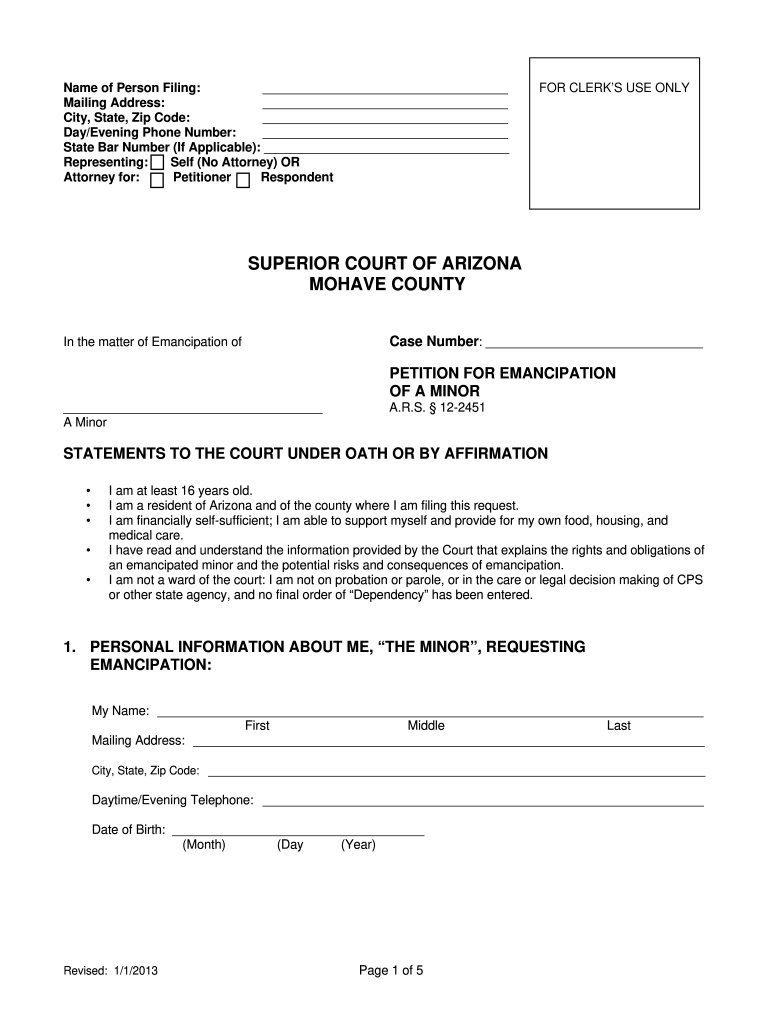
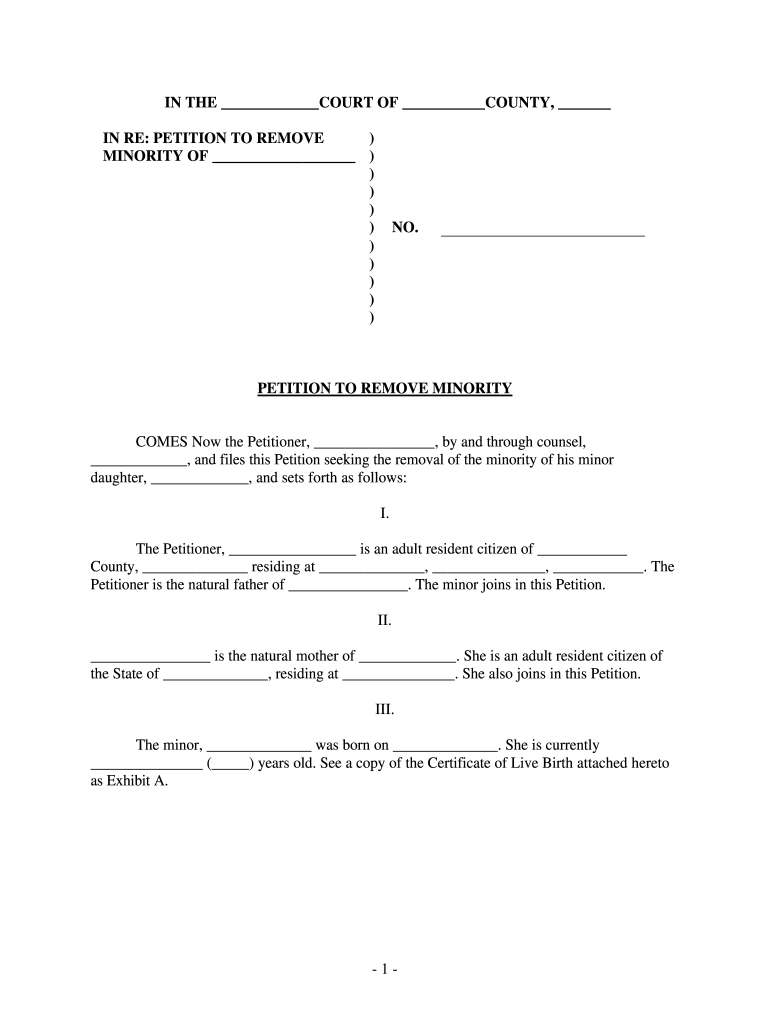
The first formal step is to file a “Petition for Emancipation” with the appropriate court. In Texas, this is typically done in a district court or a statutory probate court, depending on the county. The petition must contain specific information, including:
- The minor’s full name, date of birth, and address.
- The names and addresses of the minor’s parents or legal guardians.
- A statement that the minor is residing separate and apart from their parents or guardians.
- A detailed explanation of how the minor is financially self-supporting.
- A clear statement requesting that the court declare the minor emancipated.
- Evidence to support the claims made in the petition.
It is highly recommended to consult with an attorney specializing in family law in Texas to ensure the petition is drafted correctly and includes all necessary information and supporting documentation.
Notifying Parents or Guardians
Once the petition is filed, the minor is legally required to notify their parents or legal guardians about the court proceedings. This notification is typically done through a formal “service of process,” where a sheriff’s deputy or a private process server delivers a copy of the petition and a summons to the parents. The parents or guardians then have a specific period, as defined by state law, to respond to the petition.
If the parents or guardians consent to the emancipation, the process can be significantly streamlined. However, if they object, the case will proceed to a contested hearing. In situations where the parents’ whereabouts are unknown, the court may allow for alternative methods of notification, such as publishing a notice in a local newspaper.
Court Hearings and Evidence Presentation
After the petition is filed and served, the court will schedule one or more hearings. During these hearings, the minor will have the opportunity to present their case to the judge. This involves providing evidence to demonstrate their financial self-sufficiency, maturity, and ability to manage their own affairs.
Evidence may include:
- Proof of Income: Pay stubs, bank statements, tax returns, or documentation of any other sources of income.
- Living Arrangements: Lease agreements, utility bills, or other documentation verifying their independent housing.
- Educational Records: Transcripts, enrollment verification, or plans for future education.
- Letters of Recommendation: From employers, teachers, mentors, or other individuals who can attest to the minor’s maturity and responsibility.
- Personal Testimony: The minor will likely be required to testify under oath, explaining their situation and their plans for the future.
The judge will carefully review all submitted evidence and listen to testimony to determine if the minor meets all the legal requirements for emancipation and if granting emancipation is in their best interest.
The Court’s Decision
The judge’s decision on whether to grant emancipation is based on the totality of the evidence presented and the applicable Texas laws. The judge will consider:
- Whether the minor is genuinely self-sufficient and capable of handling adult responsibilities.
- Whether emancipation is in the minor’s best interest, considering their well-being and future prospects.
- The circumstances surrounding the minor’s separation from their parents.
If the judge grants emancipation, a formal court order will be issued. This order is a legally binding document that officially recognizes the minor as an adult for most legal purposes. It is crucial to obtain a certified copy of this order, as it will be needed for various transactions, such as opening bank accounts, signing leases, or applying for certain jobs or educational programs.
Implications and Responsibilities of Emancipation
Emancipation is not merely the acquisition of rights; it also entails the assumption of significant responsibilities. Understanding these implications is vital for any 16-year-old considering this path.
Rights Gained Through Emancipation
Upon successful emancipation, a minor gains a wide array of adult rights, including:
- Financial Independence: The right to keep all their earnings and manage their own bank accounts without parental consent.
- Contractual Capacity: The ability to enter into legally binding contracts, such as leases for apartments, car loans, or employment agreements.
- Healthcare Decisions: The authority to make all decisions regarding their medical, dental, and mental health treatment.
- Educational Autonomy: The power to decide on their educational path, including enrollment in schools, colleges, or vocational programs.
- Legal Standing: The ability to sue or be sued in their own name, and to represent themselves in legal matters.
- Housing: The right to establish their own residence and live independently.
Responsibilities and Challenges
While emancipation offers freedom, it also brings substantial responsibilities and potential challenges:
- Full Financial Accountability: The emancipated minor is solely responsible for all their living expenses, including rent, utilities, food, transportation, healthcare, and any other personal needs. Failure to manage finances effectively can lead to significant hardship.
- Legal Liability: As an adult, the emancipated minor is fully liable for their actions and decisions. This means they can be held legally responsible for any debts they incur or damages they cause.
- No Parental Support: Parental legal obligations to provide financial support, housing, and care cease upon emancipation.
- Navigating Adult Systems: The emancipated minor must learn to navigate complex adult systems, such as applying for loans, understanding insurance, and dealing with government agencies, without the guidance and support of parents.
- Emotional and Social Development: While legally an adult, a 16-year-old may still be developing emotionally and socially. They may face challenges in balancing newfound independence with the need for emotional support and guidance, which they can no longer legally expect from their parents.
Seeking Legal Assistance
Given the significant legal and personal implications, seeking legal advice from an experienced family law attorney in Texas is strongly recommended. An attorney can:
- Assess Eligibility: Help determine if the minor meets the legal requirements for emancipation.
- Prepare Documentation: Assist in drafting and filing the necessary legal documents accurately.
- Represent in Court: Advocate for the minor’s best interests during court proceedings.
- Explain Legal Concepts: Clarify the rights and responsibilities associated with emancipation.
- Navigate Objections: Advise on how to proceed if parents or guardians object to the emancipation.
While the path to emancipation at 16 in Texas is challenging, it is a viable option for mature and self-sufficient individuals who are ready to assume the full responsibilities of adulthood. It requires diligent preparation, a clear understanding of the legal process, and a commitment to responsible living.
LifeOutOfTheBox is a participant in the Amazon Services LLC Associates Program, an affiliate advertising program designed to provide a means for sites to earn advertising fees by advertising and linking to Amazon.com. Amazon, the Amazon logo, AmazonSupply, and the AmazonSupply logo are trademarks of Amazon.com, Inc. or its affiliates. As an Amazon Associate we earn affiliate commissions from qualifying purchases.