
For anyone considering a move to the Sunshine State, planning an extended stay, or simply wanting to understand the intricacies of driving in Florida, obtaining a Florida driver’s license is a crucial step. Florida is a vibrant hub for tourism, travel, and a coveted lifestyle, making personal transportation often essential for exploring its myriad destinations, attractions, and unique landmarks. Whether you’re dreaming of cruising down South Beach in Miami, venturing through the Everglades National Park, or visiting the magical theme parks of Orlando, a valid Florida driver’s license empowers you to fully immerse yourself in all the state has to offer. This comprehensive guide will walk you through the entire process, from understanding eligibility to passing your tests and getting behind the wheel.
Understanding Florida Driver’s License Requirements for New Residents and Visitors
Navigating the rules for obtaining a driver’s license can seem daunting, especially when relocating to a new state or country. Florida has specific regulations designed to ensure the safety of all road users. Being prepared with the right information and documents is key to a smooth application experience.
Who Needs a Florida Driver’s License?
The general rule of thumb is that if you intend to establish residency in Florida, you will need to obtain a Florida driver’s license. This applies to anyone moving from another U.S. state, a U.S. territory, or a foreign country. While tourists and short-term visitors can often drive with their out-of-state or out-of-country licenses for a limited period, establishing residency triggers the requirement for a Florida license within 30 days.
Establishing residency can be indicated by various actions, such as:
- Registering to vote in Florida.
- Filing for homestead exemption in Florida.
- Accepting employment or engaging in business in Florida.
- Enrolling your children in public school in Florida.
- Occupying a residential property (whether owned or rented) for more than six months.
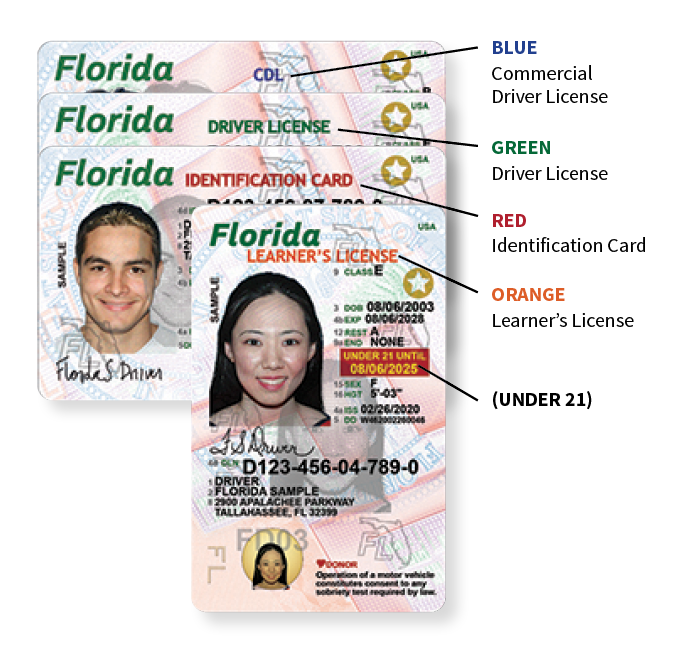
If you are a student attending college or university in Florida from out-of-state or another country, you generally do not need a Florida driver’s license, provided your out-of-state or international license remains valid. However, if you become employed or otherwise establish long-term ties beyond academic enrollment, the residency rules would then apply.
For international visitors, a valid driver’s license from your home country, accompanied by an International Driving Permit (IDP), is typically sufficient for driving in Florida for up to one year. The IDP translates your original license into multiple languages and is recognized by over 150 countries. It is important to note that an IDP is only valid when presented alongside your actual national driver’s license.
Essential Documents for Your Application
The Florida Department of Highway Safety and Motor Vehicles (DHSMV) requires a specific set of documents to prove your identity, residency, and Social Security number (SSN). Preparing these in advance will significantly streamline your visit to the DHSMV office.
For U.S. Citizens:
- Primary Identification: An original or certified copy of your birth certificate issued in the United States (including Puerto Rico, U.S. Virgin Islands, Guam, American Samoa, and the Northern Mariana Islands) or a valid U.S. passport. If your name has changed, you’ll also need original marriage certificates or court orders.
- Proof of Social Security Number (SSN): Your original Social Security card, a W-2 form, a pay stub, or a 1099 form showing your full name and SSN. A printout from the Social Security Administration (SSA) verifying your SSN is also acceptable.
- Proof of Residential Address (Two Documents): These must be from two different sources and display your Florida address. Examples include utility bills (power, water, gas, cable), a rental agreement or lease, a deed or mortgage statement, a bank statement, an insurance policy, a mail from a government agency, or a school transcript. The documents must be current, generally within the last 60-90 days.
For Non-U.S. Citizens:
The requirements are more detailed due to immigration status verification.
- Proof of Identity and Legal Presence: This is usually a valid passport with a visa, an Alien Registration Card (Green Card), an Employment Authorization Card (EAD), or other documents issued by the Department of Homeland Security (DHS) or Immigration and Customs Enforcement (ICE) confirming your legal presence in the United States.
- Proof of Social Security Number (SSN): If you have an SSN, you’ll need to provide proof as listed for U.S. citizens. If you are not eligible for an SSN, you must provide a letter from the Social Security Administration (SSA) stating your ineligibility.
- Proof of Residential Address (Two Documents): Similar to U.S. citizens, two different documents showing your Florida address are required.
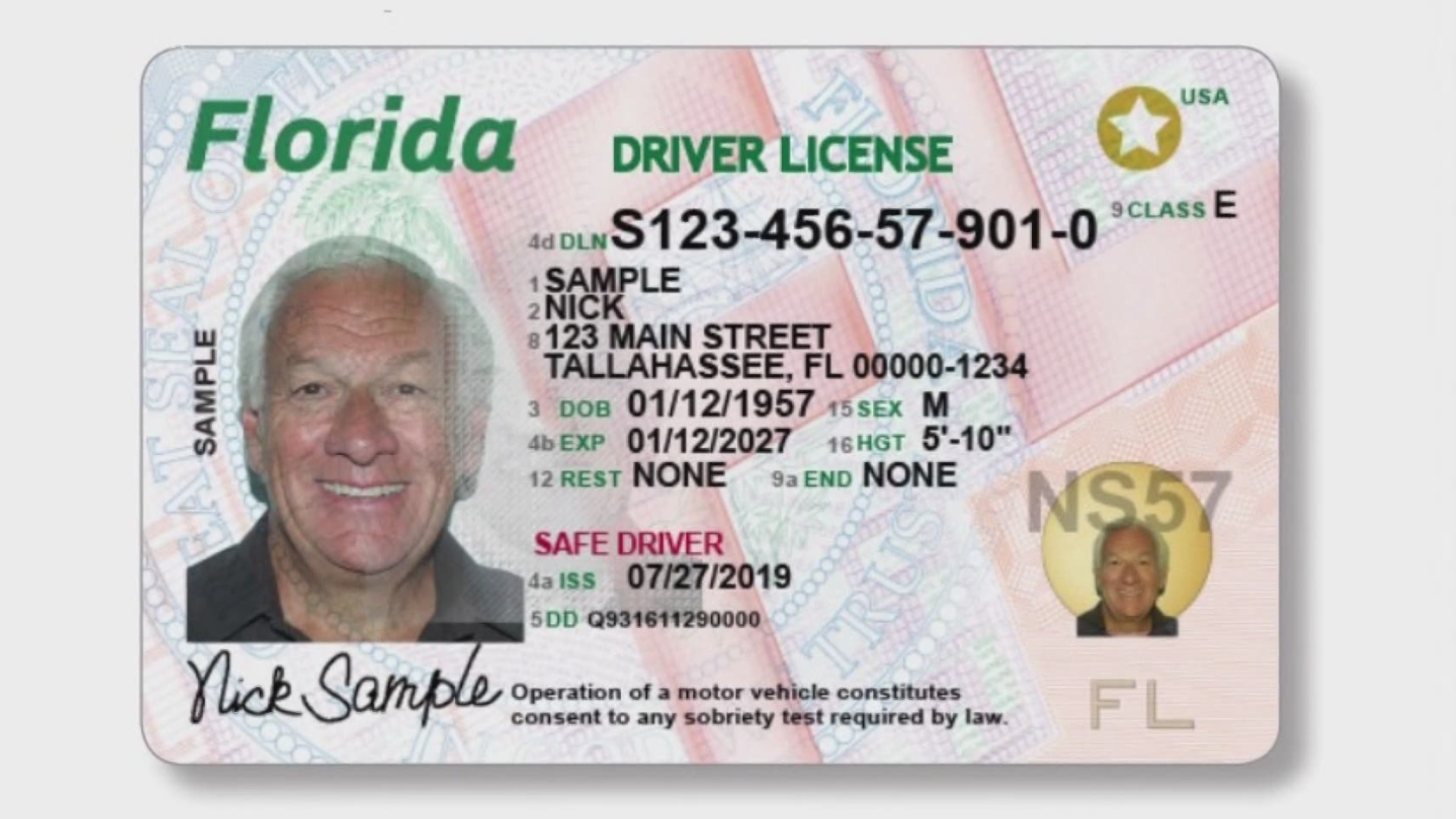
It’s crucial to bring original documents, not photocopies, as the DHSMV staff needs to verify them. These stringent requirements are part of the REAL ID Act, a federal law mandating secure identification standards for state-issued driver’s licenses and identification cards to be accepted for certain federal purposes, such as boarding domestic flights or accessing federal facilities after a certain date. This is particularly relevant for travelers planning to use their Florida license as identification when flying from Orlando International Airport or Miami International Airport.
The Application Process: Step-by-Step Guide
Once you have gathered all your necessary documents, the next step is to visit a DHSMV office. The process involves several key stages, including submitting your paperwork, passing various tests, and ultimately receiving your new license.
Visiting the DHSMV Office
Find your nearest DHSMV office or authorized tax collector’s office that provides driver’s license services. While walk-ins are often accepted, it’s highly recommended to make an appointment online if available, especially in popular areas like Tampa or Fort Lauderdale, to minimize wait times.
Upon arrival, you will:
- Submit Your Documents: Present all your original identification, SSN proof, and residential address documents. The staff will review and verify them.
- Complete the Application Form: Fill out the driver’s license application form accurately.
- Take a Vision Test: Your eyesight will be tested to ensure you meet the minimum visual acuity standards for driving. If you wear corrective lenses, be sure to wear them for the test.
- Provide a Fingerprint and Photo: Your fingerprints will be scanned for security purposes, and a photo will be taken for your license.
- Pay the Fee: There is an application fee for a new driver’s license, which can typically be paid by cash, check, or credit/debit card. Check the current fee schedule on the DHSMV website.
Navigating the Written, Vision, and Driving Tests
The testing phase is critical to demonstrating your knowledge of Florida traffic laws and your ability to operate a vehicle safely.
-
Class E Knowledge Exam (Written Test): This test assesses your understanding of Florida traffic laws, road signs, and safe driving practices. It consists of 50 multiple-choice questions, and you must answer at least 40 correctly (80%) to pass. You can typically take this test online through a certified third-party provider or at the DHSMV office. It’s highly advisable to study the Florida Driver’s Handbook thoroughly. Many of the questions focus on unique Florida driving scenarios, such as hurricane evacuation routes or rules regarding pedestrians and cyclists in densely populated tourist areas like Key West.
-
Driving Skills Test (Road Test): Once you pass the knowledge and vision tests, you’ll schedule your driving skills test. You must provide a vehicle that is properly registered, insured, and in safe working condition. The vehicle must also pass a brief inspection by the examiner before the test. During the test, an examiner will assess your ability to:
- Perform basic maneuvers, such as turning, stopping, and backing up.
- Follow traffic signals and signs.
- Maintain proper lane position.
- Execute safe lane changes.
- Understand right-of-way rules.
- Perform a three-point turn or K-turn (if applicable).
- Parallel park (if applicable).
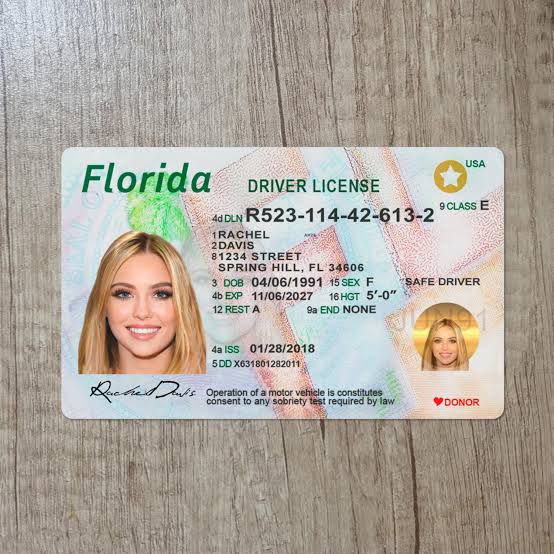
The goal is to demonstrate competency and adherence to traffic laws without endangering yourself or others. Taking some driving lessons or practicing with an experienced driver in Florida's specific traffic conditions can be incredibly beneficial. This is particularly important if you're accustomed to driving in regions with different road customs, such as Europe or Asia.
Upon successful completion of all tests, you will be issued a temporary driver’s license. Your permanent card will be mailed to your Florida address within a few weeks.
Vehicle Registration, Insurance, and Legalities
Obtaining your driver’s license is just one piece of the puzzle. If you plan to own and operate a vehicle in Florida, you’ll also need to ensure it’s properly registered and insured. These legal requirements are vital for your protection and compliance with state law.
Registering Your Vehicle in Florida
If you’re moving to Florida with an out-of-state vehicle, you’ll need to register it with the DHSMV and obtain Florida license plates. This must typically be done within 10 days of becoming a resident.
The process generally involves:
- Proof of Ownership: Your original title from your previous state or country. If there’s a lien on the vehicle, you’ll need to contact your lienholder to request the title be sent to the DHSMV or provide a copy of the electronic title record.
- Proof of Florida Insurance: You must have valid Florida auto insurance coverage from an insurance company licensed to do business in Florida.
- Vehicle Identification Number (VIN) Verification: For out-of-state vehicles, a VIN verification is required to confirm the vehicle’s identity. This can be done by a DHSMV inspector, law enforcement officer, or a licensed dealer.
- Odometer Reading: The current odometer reading of your vehicle.
- Payment of Fees: Various fees apply, including registration fees, plate fees, and potential sales tax if you haven’t paid it in another state.
Understanding Florida’s No-Fault Insurance Law
Florida operates under a “no-fault” insurance system. This means that if you’re involved in an accident, regardless of who was at fault, your own insurance policy (specifically your Personal Injury Protection or PIP coverage) will pay for your medical expenses and lost wages up to your policy limits.
All drivers in Florida are required to carry a minimum of:
- $10,000 Personal Injury Protection (PIP): Covers 80% of medical expenses and 60% of lost wages, regardless of fault.
- $10,000 Property Damage Liability (PDL): Covers damage you cause to another person’s property.
While these are minimums, it’s often wise to consider higher coverage limits and additional types of coverage (such as bodily injury liability, collision, and comprehensive) to protect yourself financially, especially given the state’s high volume of traffic and diverse driving conditions, from the bustling streets of Jacksonville to the scenic routes along the Gulf Coast.
Special Considerations for International Visitors and Commercial Drivers
Florida welcomes millions of international visitors annually and is a significant logistical hub, requiring a robust commercial driving workforce. These groups have unique requirements for driving in the state.
Driving in Florida with an Out-of-Country License
As mentioned, short-term visitors from other countries can generally drive in Florida with a valid foreign driver’s license for up to one year. It is highly recommended to also carry an International Driving Permit (IDP). An IDP is essentially a translation of your original license and helps law enforcement understand your driving credentials. It is not a standalone document and must always be presented with your original, valid license. For example, visitors from Canada or Mexico might find their national licenses are easily understood, but for those from Asia, Africa, or South America, an IDP can prevent misunderstandings.
If you become a Florida resident, the 30-day rule for obtaining a Florida license applies, and your foreign license will no longer suffice. You will then need to go through the full application process as a non-U.S. citizen.
Obtaining a Commercial Driver’s License (CDL)
For individuals looking to pursue a career in transportation, logistics, or related fields in Florida, a Commercial Driver’s License (CDL) is necessary. A CDL is required to operate large commercial vehicles, such as semi-trucks, buses, or vehicles carrying hazardous materials.
The process for obtaining a CDL is more extensive than for a regular Class E license:
- Age Requirement: You must be at least 18 years old for intrastate driving and 21 years old for interstate driving (across state lines).
- Valid Florida Class E Driver’s License: You must already possess a valid Florida non-commercial driver’s license.
- Entry-Level Driver Training (ELDT): As of February 2022, federal regulations require new CDL applicants to complete ELDT from a registered training provider.
- Medical Examination: Pass a Department of Transportation (DOT) physical examination.
- CDL Knowledge Tests: Pass multiple written knowledge tests depending on the class of CDL (Class A, B, or C) and any endorsements (e.g., air brakes, hazardous materials, passenger).
- CDL Skills Test: Pass a multi-part driving skills test that includes a pre-trip inspection, basic controls test, and an on-road driving test in the type of commercial vehicle you intend to drive.
The CDL is essential for numerous industries in Florida, from transporting goods through the ports of Miami and Tampa to driving tour buses for visitors heading to Walt Disney World Resort or Universal Orlando Resort.
Maintaining Your Florida Driver’s License and Exploring the Sunshine State
Once you’ve successfully obtained your Florida driver’s license, you’re ready to hit the road and experience the freedom and adventure the state offers. However, it’s important to understand how to maintain your license and how it enhances your ability to embrace the vibrant Florida lifestyle.
License Renewal and Updates
Your Florida driver’s license is typically valid for eight years for most non-commercial drivers. You will receive a renewal notice in the mail before its expiration date. Renewals can often be completed online, by mail, or in person at a DHSMV office. You may be required to retake the vision test, and in some cases, the written test, particularly if there have been significant changes to traffic laws or if you’ve had a history of traffic violations.
It is crucial to update your address with the DHSMV within 30 days if you move within Florida. This ensures you receive important notices, including renewal reminders. You can often update your address online without needing a new physical card immediately, though you might choose to order one.
Embracing Florida Life with Your New License
With your Florida driver’s license in hand, the entire state opens up to you. Imagine spontaneous road trips along the Atlantic Coast to visit historic St. Augustine or driving down to the southernmost point in Key West. Your license is more than just a permit to drive; it’s a key to unlocking unique travel experiences, from discovering hidden beaches in Panama City Beach to exploring the bustling art districts of South Florida.
Whether your lifestyle leans towards luxury travel and staying at five-star resorts in Naples, enjoying budget travel exploring the numerous state parks, or simply navigating daily life, your Florida driver’s license is an indispensable tool. It also serves as your primary form of identification, useful for checking into hotels, purchasing alcohol, or boarding domestic flights from any of Florida’s many airports.
By diligently following the steps outlined in this guide, you can confidently obtain your Florida driver’s license and fully immerse yourself in the freedom and adventure that awaits you in the Sunshine State. Happy driving!
LifeOutOfTheBox is a participant in the Amazon Services LLC Associates Program, an affiliate advertising program designed to provide a means for sites to earn advertising fees by advertising and linking to Amazon.com. Amazon, the Amazon logo, AmazonSupply, and the AmazonSupply logo are trademarks of Amazon.com, Inc. or its affiliates. As an Amazon Associate we earn affiliate commissions from qualifying purchases.