
Navigating the social safety net in Louisiana is a critical step for many families seeking to maintain stability while enjoying the rich culture and vibrant lifestyle of the Bayou State. The Supplemental Nutrition Assistance Program (SNAP), commonly referred to as food stamps, is designed to provide nutritional support to low-income individuals and families. By understanding the eligibility criteria, the application process, and the specific requirements mandated by the state, residents can effectively secure the assistance they need to thrive.
Understanding Eligibility Requirements in Louisiana
The foundation of securing SNAP benefits in Louisiana lies in meeting specific financial and non-financial criteria. The Department of Children and Family Services (DCFS) administers the program, ensuring that resources are allocated to those who need them most within the state’s unique demographic landscape.

Financial Thresholds and Income Limits
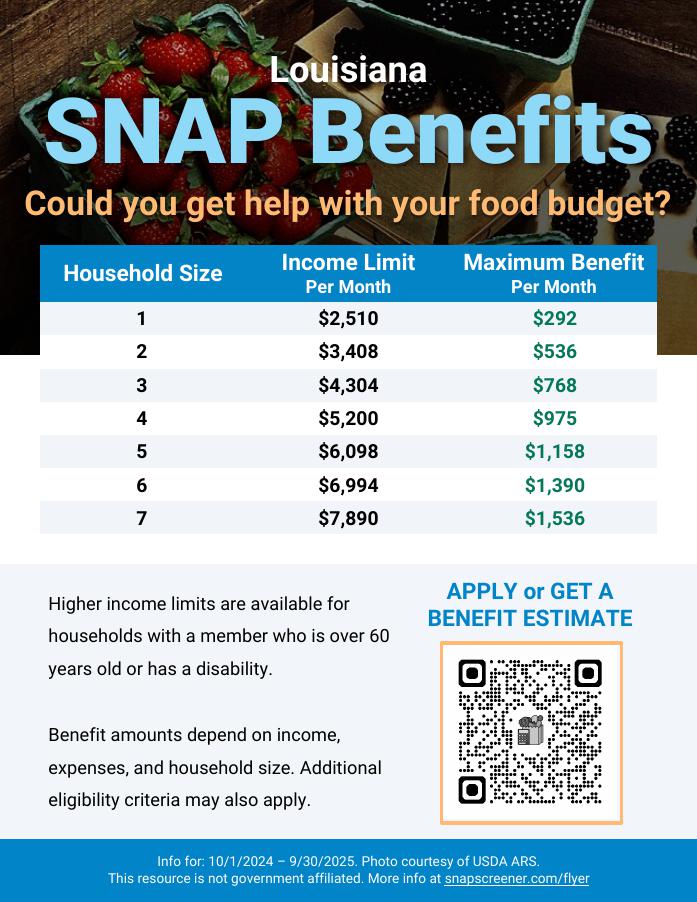
To qualify for SNAP, households must generally meet both gross and net income tests. Gross income is the total household income before taxes and other deductions, while net income is the amount remaining after specific deductions—such as housing costs, utility expenses, and dependent care—are applied. For most households, gross monthly income must be at or below 130% of the federal poverty line. However, households with elderly or disabled members may have different requirements, allowing for more flexibility in assessment.
Resource Limits and Household Definition
In Louisiana, the state has opted to expand certain eligibility pathways, often referred to as “broad-based categorical eligibility.” This typically means that households receiving other forms of assistance, such as Temporary Assistance for Needy Families (TANF), may find the application process streamlined. A “household” is defined as a group of individuals who live together and customarily purchase and prepare meals together. Defining your household correctly is vital, as it dictates the income limits and the benefit amount you may receive.
The Application Process: Step-by-Step
Applying for food stamps in Louisiana has become significantly more accessible due to digital advancements. Whether you reside in the bustling streets of New Orleans or the quiet corridors of Baton Rouge, the procedures remain consistent and standardized across the state.
Utilizing the CAFÉ System
The primary portal for applying for benefits in Louisiana is the Common Access Front End (CAFÉ) system. This online platform serves as a centralized hub where applicants can submit their initial request, upload required documentation, and check the status of their case.
- Create an Account: Visit the official DCFS website and establish a user ID and password.
- Complete the Application: Fill out the forms accurately, providing details regarding all household members, income sources, and monthly expenses.
- Submit Documentation: You will likely need to provide proof of identity, residency, income (pay stubs), and household expenses. Digital uploads are encouraged to expedite the review process.
The Interview Requirement
Following the submission of your application, a caseworker will typically schedule an interview. While this was historically conducted in person at a local office in cities like Shreveport or Lafayette, many interviews are now conducted over the phone. During this conversation, the caseworker will verify the information provided and ask clarifying questions to determine your final eligibility. It is essential to be prepared with your supporting documents during this call to prevent unnecessary delays.
Maintaining Benefits and Reporting Changes
Once approved, your relationship with the Louisiana DCFS does not end. Recipients must adhere to specific reporting requirements to ensure their benefits remain active and accurate. Life in a state known for its dynamic labor market and seasonal industries means that circumstances often change, and the state must be kept informed.
Mandatory Reporting Requirements
You are legally obligated to report certain changes in your household circumstances within ten days. These changes include, but are not limited to:
- A change in household income that exceeds a specific threshold.
- Changes in household composition, such as a member moving out or a new individual moving in.
- Moving to a new address.
- Changes in child support payments or other court-ordered obligations.
Failure to report these changes promptly can lead to an overpayment of benefits, which you would then be required to pay back to the state. Consistent communication with your caseworker ensures that your benefit amount remains appropriate for your current situation.
Recertification Cycles
SNAP benefits are not permanent; they are granted for a “certification period.” Once this period concludes, you must complete a recertification process to continue receiving aid. The DCFS will typically send a notice of expiration well in advance. Ignoring this notice will lead to an automatic termination of benefits. Much like the initial application, recertification allows you to update your financial profile, ensuring the state has an accurate picture of your current needs.
Maximizing the Impact of SNAP Benefits
Beyond simply receiving the benefits, many households in Louisiana look for ways to maximize the value of their allotment. The goal of the program is to supplement a household’s food budget, and strategic planning can help stretch those dollars further, allowing families to enjoy fresh, local ingredients from community markets across Acadiana or the French Quarter.
Understanding the EBT Card
Benefits are loaded onto an Electronic Benefit Transfer (EBT) card, known as the Louisiana Purchase Card. This card functions similarly to a debit card and is accepted at most grocery stores and many farmers’ markets. Knowing the balance of your card is easy via the online portal or the mobile app. Many retailers in cities such as Lake Charles and Monroe have integrated EBT payment systems that allow for seamless checkouts.
Leveraging Supplemental Programs
In addition to SNAP, Louisiana offers several resources that can complement food stamp assistance. For families with children, the Special Supplemental Nutrition Program for Women, Infants, and Children (WIC) provides specific nutritional support for pregnant women and young children. Furthermore, participating in local community outreach programs can help connect residents to food banks and pantry services during times of acute financial hardship.
Community Integration and Nutritional Health
Securing food stamps is a vital step toward long-term stability. By leveraging these benefits to purchase nutritious, whole foods, families can focus their remaining financial resources on other essential needs like housing and utilities. As you integrate into your local community—whether attending a festival in Covington or enjoying the history of Natchitoches—maintaining your nutritional foundation through SNAP ensures that you can focus on the opportunities available throughout the region.
The path to obtaining and maintaining food stamps in Louisiana is structured to be manageable, provided that applicants remain diligent in their record-keeping and responsive to state communications. By utilizing the CAFÉ system correctly, attending interviews prepared, and staying current with reporting requirements, individuals can navigate the system with confidence, ensuring they and their families receive the support necessary to lead healthy and productive lives in the heart of the South.
LifeOutOfTheBox is a participant in the Amazon Services LLC Associates Program, an affiliate advertising program designed to provide a means for sites to earn advertising fees by advertising and linking to Amazon.com. Amazon, the Amazon logo, AmazonSupply, and the AmazonSupply logo are trademarks of Amazon.com, Inc. or its affiliates. As an Amazon Associate we earn affiliate commissions from qualifying purchases.