
Navigating the approximately 215-mile journey between Boston and New York City is a common undertaking for many travelers, whether for leisure, business, or academic pursuits. The Northeast Corridor boasts a robust transportation infrastructure, offering a variety of options to suit different preferences, budgets, and time constraints. From the speed and efficiency of air travel to the scenic and potentially more economical choices of train and bus, understanding each mode of transit is key to planning a seamless trip. This guide delves into the primary ways to travel between these two iconic American metropolises, highlighting their advantages, disadvantages, and the overall travel experience each provides.

By Air: The Swift Ascent
For those prioritizing speed above all else, flying is often the most logical choice. Both Boston Logan International Airport (BOS) and New York City’s airports – primarily John F. Kennedy International Airport (JFK), LaGuardia Airport (LGA), and Newark Liberty International Airport (EWR) – offer frequent flights operated by numerous airlines.
Flight Durations and Airlines
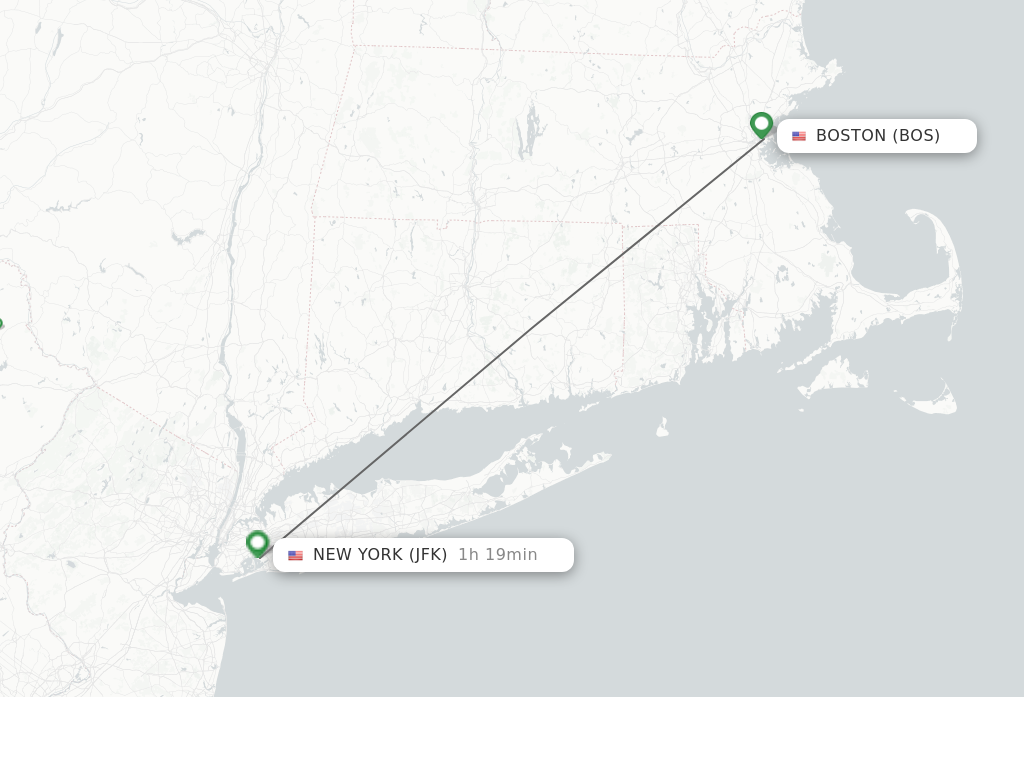
The actual flight time between Boston and New York City is remarkably short, typically averaging around 1 hour to 1 hour and 30 minutes. This brevity, however, often belies the total time commitment. Airlines like American Airlines, Delta Air Lines, United Airlines, and various budget carriers such as JetBlue and Spirit Airlines operate numerous daily flights on this route. Many flights utilize LaGuardia, which is geographically closer to Manhattan than JFK or Newark, potentially reducing ground transportation time upon arrival.
Airport Logistics and Costs
When considering air travel, it’s crucial to factor in the time and cost associated with getting to and from the airports, check-in procedures, security screening, and baggage claim. While flight tickets can sometimes be competitive, especially when booked in advance or during off-peak times, the added expenses of airport parking, taxis, or ride-sharing services can significantly increase the overall cost. For instance, a taxi or Uber from Manhattan to JFK can easily cost upwards of $70-$80, while LGA and EWR might be slightly less. The convenience of a direct flight is undeniable, but for travelers who are not on a strict time schedule, the added hours spent in airports might outweigh the short flight duration.
Advantages of Flying
- Speed: The fastest way to cover the distance.
- Frequency: Numerous flights throughout the day.
- Potential for Deals: With advance booking, fares can be competitive.
Disadvantages of Flying
- Total Travel Time: Significant time spent on airport procedures.
- Additional Costs: Airport transfers, parking, baggage fees.
- Environmental Impact: Higher carbon footprint compared to other modes.
By Train: The Classic Northeast Corridor
Amtrak’s service along the Northeast Corridor is a highly popular and often preferred method for traveling between Boston and New York City. The experience offers a blend of efficiency, comfort, and scenic views that ground transportation can provide, without the hassle of airport security or extensive travel to the city center.
Amtrak Routes and Services
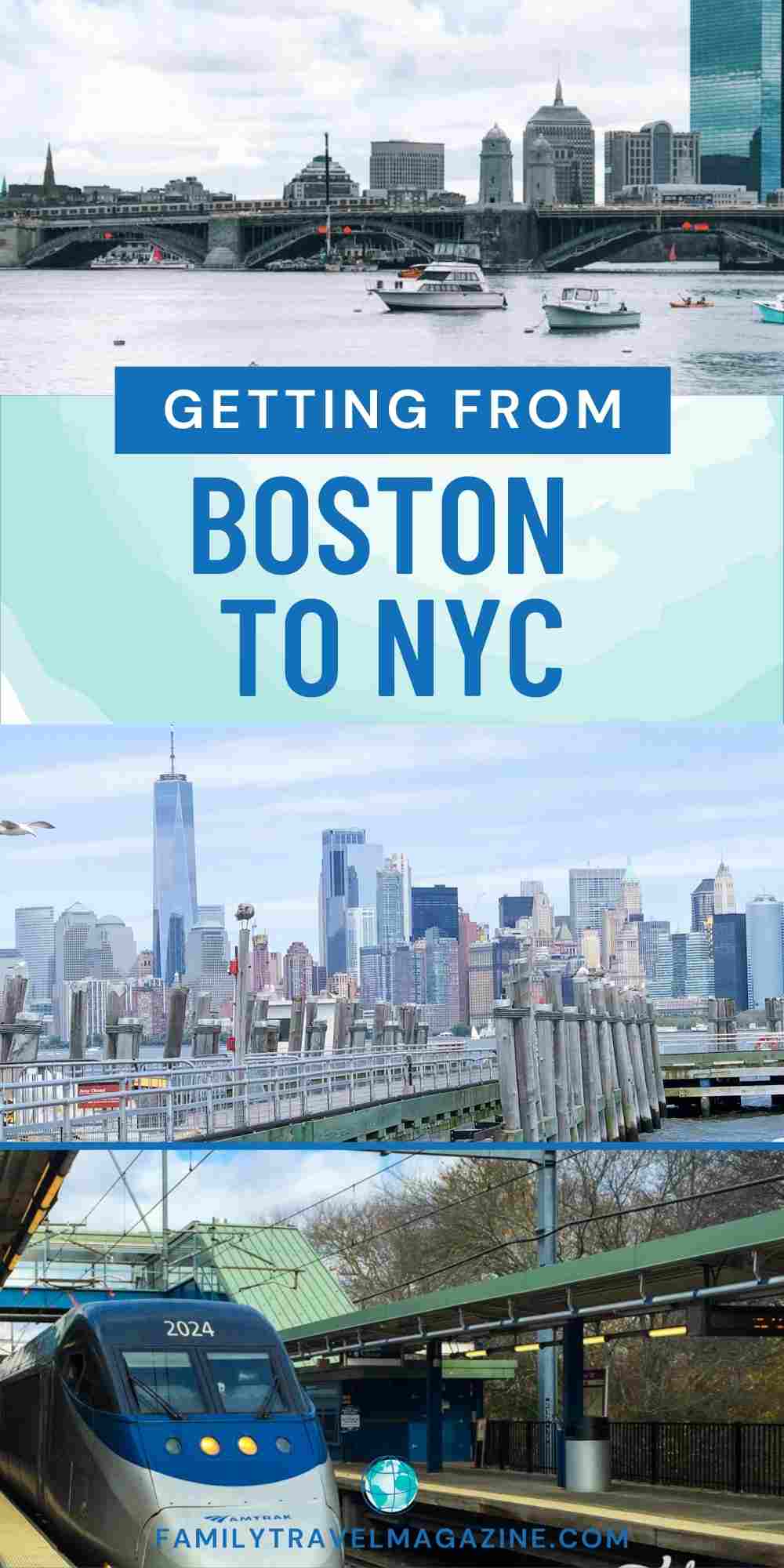
The primary Amtrak service for this route is the Acela Express, a high-speed train that significantly reduces travel time compared to traditional intercity rail. Acela connects Boston South Station to New York Penn Station in approximately 3.5 to 4 hours. For those seeking a more budget-friendly option, the Northeast Regional service also operates on this route, offering a slightly longer journey of around 4 to 4.5 hours but at a lower fare. Both services provide comfortable seating, Wi-Fi, and onboard amenities such as dining cars or café cars.
Station Convenience and Onboard Experience
A major advantage of train travel is the central location of the train stations. Boston South Station and New York Penn Station are both situated in the heart of their respective cities, making it incredibly easy to connect to local public transportation, taxis, or to simply walk to nearby hotels and attractions. The onboard experience is generally more relaxed than flying; passengers can move around, work comfortably, and enjoy the passing scenery. The ability to arrive at the station closer to departure time (typically 30 minutes beforehand) also saves valuable time compared to air travel.
Booking and Cost Considerations
Amtrak fares fluctuate based on demand, booking time, and the specific service chosen (Acela vs. Northeast Regional). Booking in advance is highly recommended to secure the best prices. While Acela can be more expensive than flying or taking a bus, its speed and convenience often justify the cost for business travelers or those who value time. The Northeast Regional offers a more economical choice, making it attractive for budget-conscious travelers.
Advantages of Train Travel
- Convenience: Central station locations, less pre-travel hassle.
- Comfort: Ample legroom, ability to move around.
- Productivity: Conducive for working en route.
- Scenic: Views of the Northeast landscape.
Disadvantages of Train Travel
- Cost: Can be more expensive than bus or budget flights.
- Time: Longer than flying (though total door-to-door time can be comparable).
- Delays: While generally reliable, occasional delays can occur.
By Bus: The Budget-Friendly Voyage
For travelers prioritizing cost savings, bus services offer the most economical way to travel between Boston and New York City. Numerous bus companies operate frequent routes, providing a viable alternative for those on a tighter budget or who do not mind a longer journey.
Leading Bus Operators and Routes
Companies such as Greyhound, Peter Pan Bus Lines, BoltBus (now operating under Greyhound), and FlixBus are prominent players on this route. They typically depart from Boston’s South Station Bus Terminal or various pick-up points and arrive at locations like the Port Authority Bus Terminal in Manhattan or other designated stops. The journey duration typically ranges from 4.5 to 6 hours, depending on traffic conditions and the number of stops made.
Onboard Amenities and Travel Experience
Modern bus travel has evolved significantly, with many services offering comfortable seating, Wi-Fi (though sometimes spotty), power outlets, and onboard restrooms. Some premium services even provide individual entertainment screens. While the journey is longer and subject to traffic delays, particularly when entering or exiting the cities, it offers a direct, city-center-to-city-center option. Passengers can relax, watch movies, read, or simply observe the changing scenery. The cost savings can be substantial, often making bus travel the cheapest option available.
Booking and Value Proposition
Bus tickets are generally the most affordable, especially when booked in advance. Prices can start as low as $10-$20 for a one-way ticket during promotional periods or off-peak times, though they can increase closer to the travel date or during peak demand. The value proposition of bus travel lies in its low cost, making it an excellent choice for students, backpackers, or anyone looking to minimize travel expenses while still reaching their destination efficiently.
Advantages of Bus Travel
- Affordability: The most budget-friendly option.
- City-Center Access: Direct routes to major terminals.
- Frequency: Numerous departures throughout the day.
Disadvantages of Bus Travel
- Longer Travel Time: Subject to traffic and multiple stops.
- Comfort: Can be less comfortable for very long journeys compared to trains.
- Traffic Delays: Highly susceptible to traffic congestion.
By Car: The Freedom of the Open Road
Driving between Boston and New York City offers the ultimate flexibility and freedom, allowing travelers to set their own schedule, make spontaneous stops, and carry as much luggage as needed. The route is primarily via Interstate 90 (the Massachusetts Turnpike) and then connecting to Interstate 95 South.
The Driving Route and Time
The most direct driving route covers approximately 215 miles and typically takes around 3.5 to 4 hours of pure driving time under ideal traffic conditions. However, navigating through the major metropolitan areas of both Boston and New York City, particularly Manhattan, can add significant time to the journey, especially during peak hours. Factors like rush hour traffic, road construction, and weather can easily extend the travel time to 5 hours or more.
Costs and Considerations
When considering driving, it’s essential to account for several costs beyond fuel. Tolls along the Massachusetts Turnpike and various bridges and tunnels in the New York metropolitan area can add up considerably. Parking in New York City is notoriously expensive; garages can charge upwards of $40-$60 per day, making it a significant expense for overnight stays. For those unfamiliar with the driving conditions or parking availability in Manhattan, this option can also be stressful. Renting a car also adds to the overall cost.
Advantages of Driving
- Flexibility: Complete control over departure and arrival times.
- Convenience for Luggage: Easy to transport large amounts of gear.
- Spontaneity: Ability to stop at points of interest along the way.
Disadvantages of Driving
- Traffic: Significant delays can occur, especially in urban areas.
- Parking Costs: Extremely expensive in New York City.
- Tolls: A considerable cumulative expense.
- Navigation Stress: Navigating busy city streets can be challenging.
In conclusion, the choice of transportation from Boston to New York City depends heavily on individual priorities. For the swift traveler, flying offers the shortest transit time. The discerning commuter might opt for Amtrak’s comfortable and efficient rail service. Budget-conscious travelers will find bus services to be the most economical. Finally, those who value unparalleled freedom and flexibility will appreciate the open road by car, provided they are prepared for the associated costs and potential traffic challenges. Each option provides a unique way to bridge these two vibrant Northeast hubs, ensuring that every traveler can find a method that best suits their journey.
LifeOutOfTheBox is a participant in the Amazon Services LLC Associates Program, an affiliate advertising program designed to provide a means for sites to earn advertising fees by advertising and linking to Amazon.com. Amazon, the Amazon logo, AmazonSupply, and the AmazonSupply logo are trademarks of Amazon.com, Inc. or its affiliates. As an Amazon Associate we earn affiliate commissions from qualifying purchases.