
Navigating from Chicago’s bustling airports to its vibrant downtown core is a common query for many travelers. Whether you’re visiting for business, leisure, or connecting to another destination, understanding your transportation options is key to a smooth and stress-free arrival. This comprehensive guide breaks down the various methods, highlighting their costs, convenience, and suitability for different types of journeys, ensuring you choose the best route to the heart of the Windy City.
Navigating Chicago’s Major Airports
Chicago is served by two primary airports, each offering distinct advantages and transportation routes to the city center. Knowing which airport you’re flying into is the first step in planning your downtown transfer.
O’Hare International Airport (ORD)
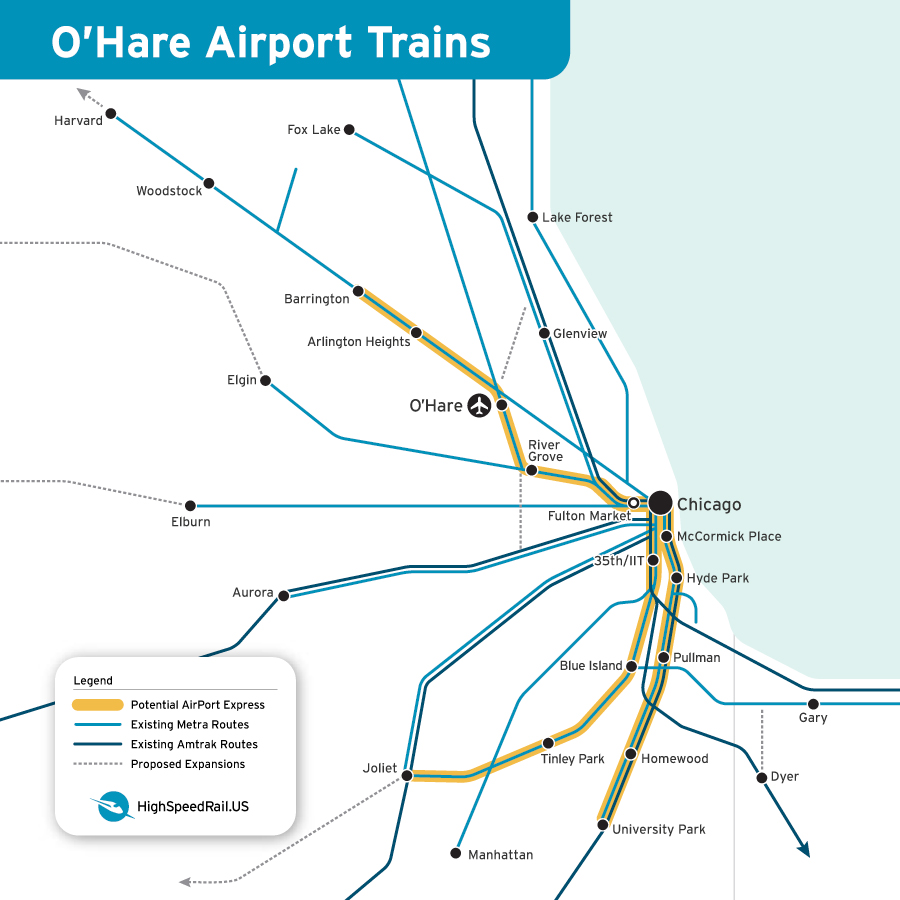
O’Hare International Airport (ORD) is one of the world’s busiest airports, located approximately 17 miles northwest of Downtown Chicago. It serves as a major hub for domestic and international flights, offering extensive facilities and numerous transportation links. Its sheer size means that getting from your gate to ground transportation can sometimes take a bit of time, but the options are plentiful and well-signposted. ORD is particularly well-connected to the city via public transit, making it a popular choice for budget-conscious travelers.
Midway International Airport (MDW)
Midway International Airport (MDW) is a smaller, more compact airport situated about 11 miles southwest of Downtown Chicago. Predominantly serving domestic flights, especially those by low-cost carriers, MDW is often praised for its convenience and closer proximity to the city. Its more manageable size can lead to quicker deplaning and baggage claim experiences, and its dedicated public transit line offers a fast track to the city center.
Public Transportation: Your Most Economical Options
Public transportation stands out as the most budget-friendly and often one of the most efficient ways to reach downtown from both Chicago airports. The Chicago Transit Authority (CTA) operates extensive rail lines that directly connect both airports to the city.
The CTA Blue Line (from ORD)
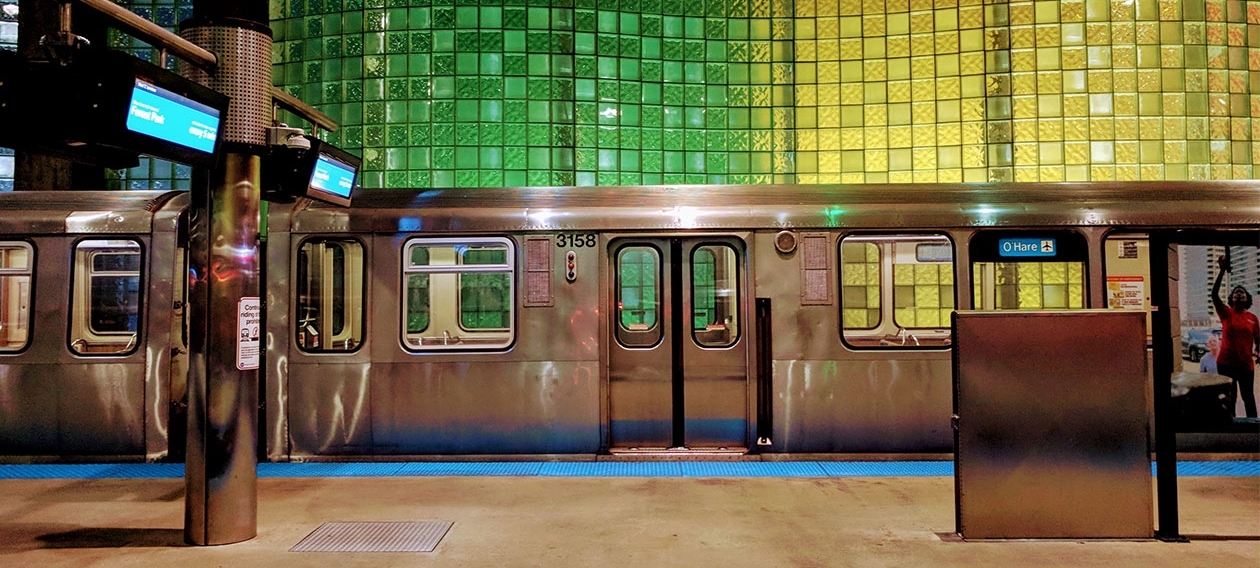
The CTA Blue Line provides 24/7 train service directly from O’Hare to downtown. The station is conveniently located on the lower level of Terminal 2, accessible via pedestrian tunnels from all other terminals (Terminal 1, 3, and 5) or the Airport Transit System (ATS).
- Cost: A single fare costs $5.00 from O’Hare. You can purchase a Ventra Card at vending machines in the station. This reloadable card is essential for seamless travel on CTA buses and trains, offering day passes or multi-day passes for extended stays.
- Travel Time: The journey typically takes 45-60 minutes, depending on your specific downtown stop and time of day.
- Frequency: Trains run every few minutes during peak hours and approximately every 15-20 minutes overnight.
- Advantages: Inexpensive, reliable, avoids traffic congestion, operates 24/7.
- Disadvantages: Can be crowded, especially during rush hour; may require transfers if your final destination is not directly on the Blue Line; luggage can be cumbersome.
- Key Downtown Stops: Popular stops include Clark/Lake, Washington, Monroe, and Jackson, all providing access to the Loop and various attractions.
The CTA Orange Line (from MDW)
The CTA Orange Line offers direct train service from Midway to Downtown Chicago. The station is easily accessible via a covered walkway from the airport terminal.
- Cost: A single fare costs $2.50. Use a Ventra Card for payment, purchased from vending machines at the station.
- Travel Time: The ride is significantly shorter than from O’Hare, typically taking 20-30 minutes.
- Frequency: Trains run frequently, every 8-15 minutes during the day, with slightly less frequent service late at night. The Orange Line generally operates from early morning until late evening (around 4 AM to 1 AM).
- Advantages: Very fast, inexpensive, reliable, convenient access from the terminal.
- Disadvantages: Does not operate 24/7; can be crowded.
- Key Downtown Stops: Stops like Harold Washington Library, State/Lake, and Clark/Lake place you directly in the heart of the Loop.
Ventra Card System
The Ventra Card is your gateway to Chicago’s public transit. You can purchase disposable paper tickets for single rides or load value onto a reusable plastic Ventra Card at vending machines located in all CTA train stations, including those at the airports. For frequent travelers or those staying for multiple days, multi-day passes (1-day, 3-day, 7-day) offer unlimited rides and can be a cost-effective choice.
Ride-Sharing and Taxi Services: Convenience at a Premium
For travelers prioritizing convenience, privacy, or carrying heavy luggage, ride-sharing services and traditional taxis offer direct door-to-door transportation.
Taxis
Taxi stands are readily available at both airports. At O’Hare, you’ll find them outside the lower level (arrivals) of each terminal. At Midway, they are just outside the main terminal building.

- Cost: From O’Hare to Downtown Chicago, fares typically range from $40-$55, excluding tip and potential surge pricing during peak demand or adverse weather. From Midway, the cost is usually $30-$40. Metered fares apply, plus a potential airport fee.
- Travel Time: Travel times vary significantly based on traffic. From O’Hare, expect 30-90 minutes. From Midway, it’s usually 20-45 minutes.
- Advantages: Door-to-door service, no transfers, comfortable for groups or those with lots of luggage, professional drivers.
- Disadvantages: Can be expensive, especially with traffic or surge pricing; susceptible to traffic delays.
Ride-Sharing Apps (Uber/Lyft)
Uber and Lyft operate at both Chicago airports. After requesting a ride through the app, follow the signs to the designated ride-share pick-up zones. At O’Hare, these are generally located on the upper level (departures) for all terminals. At Midway, the pick-up zone is usually on the lower level, just outside baggage claim.
- Cost: Fares are dynamic and can fluctuate based on demand (surge pricing), time of day, and traffic conditions. Expect similar or slightly lower prices than taxis: $35-$60 from O’Hare and $25-$45 from Midway for standard rides. Shared ride options (if available) can be cheaper.
- Travel Time: Similar to taxis, travel times are subject to traffic.
- Advantages: Convenient app-based booking, cashless transactions, often more comfortable vehicle options, good for groups.
- Disadvantages: Surge pricing can make them more expensive than taxis; designated pick-up zones might require a short walk; still subject to traffic.
Shuttle Services and Private Transfers: Comfort and Directness
For those seeking a balance between convenience and cost, or who prefer pre-booked arrangements, various shuttle and private car services are available.
Airport Shuttle Buses
Shared-ride shuttle services, such as Go Airport Express, offer transfers to downtown hotels and residences. These services consolidate passengers heading in the same general direction, offering a more economical alternative to a private taxi or ride-share while still providing door-to-door service.
- Cost: Typically $30-$40 per person, with discounts for additional passengers.
- Travel Time: Generally longer than a direct taxi or train, as the shuttle makes multiple stops to drop off other passengers. Expect 60-90+ minutes from O’Hare and 40-70+ minutes from Midway.
- Advantages: Pre-bookable, door-to-door service, good for individuals or small groups without excessive luggage.
- Disadvantages: Can be slow due to multiple stops; schedule may vary; wait times for shuttle departure can occur.
Private Car Services
For a more luxurious or hassle-free experience, especially for business travelers or those with very specific schedules, private car services (limousines, executive sedans) can be pre-booked.
- Cost: Considerably higher, usually $80-$150+, depending on the vehicle type and provider.
- Travel Time: Similar to taxis/ride-shares, subject to traffic, but often with more direct routing.
- Advantages: Ultimate comfort and privacy, professional chauffeurs, fixed pricing (no surge), meet-and-greet service, ideal for special occasions or important business trips.
- Disadvantages: Most expensive option.
Rental Cars: Freedom and Flexibility (with Considerations)
Renting a car offers the ultimate freedom to explore Chicago and the surrounding region at your own pace. However, driving and parking in Downtown Chicago present unique challenges.
Picking Up Your Rental
Both O’Hare and Midway have consolidated rental car facilities. At O’Hare, the Rental Car Center is accessible via the Airport Transit System (ATS) from all terminals. At Midway, rental car counters are located on the lower level, across from baggage claim, with vehicle pick-up in a nearby parking garage.
Driving to Downtown
- Routes: From O’Hare, the most direct route is usually via I-190 E to I-90 E (Kennedy Expressway). From Midway, you’ll typically take I-55 N (Stevenson Expressway).
- Traffic: Chicago traffic can be notoriously heavy, especially during morning and evening rush hours. Factor in significant delays if driving during these times.
- Tolls: Be aware of the Illinois Tollway system. Many rental cars come with an I-Pass transponder, and tolls are automatically charged. Otherwise, you’ll need to pay tolls online within 14 days of your trip.
- Parking: Parking in Downtown Chicago is scarce and expensive. Garage rates can range from $20-$60+ for a few hours or overnight. Many hotels charge a daily parking fee. Factor these costs into your budget.
- Advantages: Flexibility for day trips outside the city, convenient for large families or groups with lots of gear.
- Disadvantages: High cost (rental fee, gas, tolls, parking), traffic stress, difficulty navigating city streets, limited parking.
Choosing Your Best Option: Factors to Consider
The ideal way to get from a Chicago airport to downtown depends on several factors:
- Budget: Public transportation (CTA Blue or Orange Line) is by far the most economical choice.
- Time of Day: During peak traffic hours, the CTA trains offer a predictable travel time, avoiding gridlock on the expressways.
- Amount of Luggage: If you have multiple large suitcases, a taxi, ride-share, or private car might be more comfortable than navigating crowded trains.
- Number of Travelers: For solo travelers or couples, the train is often best. For groups of three or more, a taxi or ride-share might become more cost-effective per person.
- Final Destination: If your hotel is directly above a CTA station, public transit is a breeze. If it’s further afield, a taxi or shuttle might be more convenient to avoid additional transfers or walks.
- Comfort Preference: Private transfers offer the most comfort and privacy, while public transit is a more immersive local experience.
By carefully considering these aspects, you can confidently select the best transportation method for your journey from Chicago’s airports to the heart of its bustling downtown, setting the stage for an enjoyable visit.
LifeOutOfTheBox is a participant in the Amazon Services LLC Associates Program, an affiliate advertising program designed to provide a means for sites to earn advertising fees by advertising and linking to Amazon.com. Amazon, the Amazon logo, AmazonSupply, and the AmazonSupply logo are trademarks of Amazon.com, Inc. or its affiliates. As an Amazon Associate we earn affiliate commissions from qualifying purchases.