
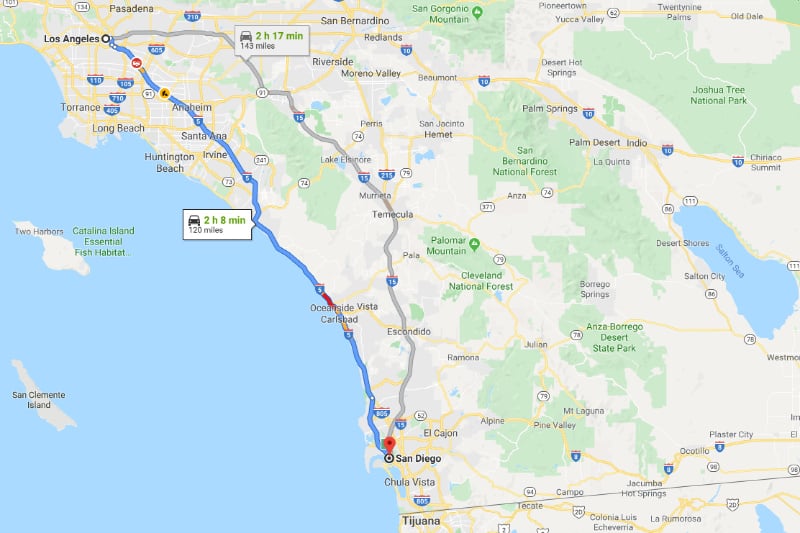
The journey between Los Angeles and San Diego is one of the most iconic corridors in the United States. Stretching approximately 120 miles along the shimmering Pacific Ocean, this route transitions from the high-octane energy of the world’s entertainment capital to the sun-drenched, laid-back atmosphere of California’s southernmost major city. Whether you are a tourist looking to explore the San Diego Zoo or a business traveler heading to a conference at the San Diego Convention Center, choosing the right mode of transportation is essential for a seamless experience.
This guide explores the diverse ways to navigate this Southern California artery, weighing the benefits of speed, cost, and scenic beauty to help you plan the perfect trip.

The Freedom of the Road: Driving from Los Angeles to San Diego
For many travelers, the most logical way to traverse this distance is by car. Driving offers unparalleled flexibility, allowing for spontaneous detours into coastal towns or a quick stop at a famous taco stand. Depending on traffic, the drive typically takes between two to four hours.
Navigating the Interstate 5 Corridor
The most direct route is via Interstate 5, often referred to simply as “the 5” by locals. This highway serves as the primary backbone connecting the two metropolitan areas. Starting in Downtown Los Angeles, the route takes you through the heart of Orange County, passing through major hubs like Anaheim and Irvine.
One of the most notable landmarks along this route is the Disneyland Resort. While it may be tempting to stop, be mindful of the heavy congestion that often occurs near the Anaheim interchanges. As you move further south, the urban sprawl gives way to breathtaking views of the ocean as the highway hugs the coastline near Camp Pendleton. This stretch offers a refreshing break from the cityscape before you enter the northern reaches of San Diego County.
The Scenic Pacific Coast Highway Detour
If time is not a primary concern, opting for the Pacific Coast Highway, or Highway 1, is a superior choice for those seeking aesthetic pleasure. You can begin this journey by heading toward Santa Monica or Long Beach and following the coastline south.
This route allows you to pass through legendary surf towns such as Huntington Beach, famously known as “Surf City USA,” and the artistic enclave of Laguna Beach. Further south, you will encounter Dana Point and San Clemente, where Spanish Colonial Revival architecture dominates the landscape. While this route adds significant time to the journey due to lower speed limits and traffic lights, the opportunity to witness a sunset over the Pacific Ocean makes it a quintessential California experience.
Rail Travel: The Scenic Comfort of the Pacific Surfliner
For those who wish to avoid the notorious traffic of Southern California, the Amtrak Pacific Surfliner is often considered the best way to travel between the two cities. This rail service offers a stress-free environment where passengers can work, relax, or simply enjoy the view.
Departing from Union Station
The journey begins at the historic Union Station in Los Angeles. As a masterpiece of Mission Revival and Art Deco architecture, the station itself is a destination worth exploring before your departure. Once on board, passengers can choose between Coach and Business Class. Business Class offers additional legroom, complimentary snacks, and a dedicated attendant, making it a popular choice for those seeking a more premium experience.
The train winds through the Los Angeles Basin before reaching the coast. One of the most spectacular segments of the trip occurs between San Juan Capistrano and Oceanside, where the tracks run directly alongside the beach. Passengers can watch surfers catching waves at San Onofre State Beach from the comfort of their seats.
Arrival at Santa Fe Depot
The Pacific Surfliner makes several stops in San Diego County, including Solana Beach and Old Town San Diego, before reaching its final destination: the Santa Fe Depot. Located in Downtown San Diego, this station is conveniently situated near the Gaslamp Quarter and the San Diego Bay. From here, travelers have easy access to the San Diego Trolley system, which can whisk them away to Mission Valley or the Mexican border at San Ysidro.
Alternative Transit: Buses and Shuttles
While driving and rail travel are the most popular choices, several alternative transit options cater to different budgets and logistical needs.
Cost-Effective Bus Services
For the budget-conscious traveler, long-distance bus services provide a reliable and inexpensive alternative. Companies like Greyhound and FlixBus operate multiple daily departures between the two cities. These buses typically depart from the Los Angeles Greyhound Station or various curbside locations and arrive at the San Diego Bus Station near the airport. Modern coaches are equipped with Wi-Fi and power outlets, ensuring that the two-to-three-hour journey remains productive or entertaining.
Private Shuttles and Luxury Transfers
For those traveling in groups or seeking a door-to-door service without the hassle of driving, private shuttles are an excellent option. Various companies offer executive car services and private vans that can pick you up directly from Los Angeles International Airport (LAX) and drop you off at your hotel in La Jolla or Coronado. This is particularly advantageous for international travelers who may not be comfortable navigating California freeways or for corporate groups requiring a coordinated arrival.
Air Travel and Sea Options
While the distance is short, there are still specialized ways to make the trip via air or water, depending on your starting point and final destination.
Short-Hop Flights
It may seem counterintuitive to fly 120 miles, but for travelers connecting from international flights at Los Angeles International Airport, a short hopper flight to San Diego International Airport can be a major time-saver. Airlines like United Airlines and Alaska Airlines frequently operate these routes. The actual time in the air is often less than 40 minutes, providing a bird’s-eye view of the Channel Islands and the coastline. However, when factoring in security lines and airport transit, this is rarely the fastest option for those already in the Los Angeles city center.
Maritime Charters and Coastal Cruises
Though not a standard commuting method, traveling by sea is an option for those with a penchant for luxury and adventure. Private yacht charters can be arranged from Marina del Rey or Newport Harbor to San Diego Bay. This journey allows travelers to experience the Pacific Ocean intimately, often spotting dolphins, sea lions, and even whales during migration seasons. While this is the most time-consuming and expensive method, it transforms a simple transit into a memorable maritime expedition.
Strategic Tips for a Smooth Trip
Regardless of which method you choose, a few strategic considerations can greatly enhance your travel experience between these two iconic cities.
Managing Traffic and Timing
The “Golden State” is famous for its traffic, and the route between Los Angeles and San Diego is no exception. If you are driving, avoid leaving between 7:00 AM and 10:00 AM, or between 3:00 PM and 7:00 PM on weekdays. Friday afternoons are particularly challenging as residents from both cities head out for weekend getaways. If you must travel during these times, consider using the Toll Roads in Orange County, such as the 73 Toll Road, which can bypass some of the worst congestion on the Interstate 5.

Coastal Stops and Landmarks
If you have the luxury of time, make the journey part of the destination. Stop in Carlsbad to visit The Flower Fields during the spring, or take a break in Del Mar to watch the horse races at the Del Mar Fairgrounds. For nature lovers, a quick hike at Torrey Pines State Natural Reserve offers stunning cliffs and rare pine trees just north of San Diego.
In conclusion, getting from Los Angeles to San Diego is more than just a logistical task; it is an opportunity to experience the diverse beauty of the California coast. Whether you prefer the control of a car, the scenic relaxation of the Pacific Surfliner, or the efficiency of a bus, each option offers a unique perspective on this legendary Southern California journey. By planning ahead and choosing the method that best fits your schedule and style, you can ensure that your trip is as enjoyable as the destinations themselves.
LifeOutOfTheBox is a participant in the Amazon Services LLC Associates Program, an affiliate advertising program designed to provide a means for sites to earn advertising fees by advertising and linking to Amazon.com. Amazon, the Amazon logo, AmazonSupply, and the AmazonSupply logo are trademarks of Amazon.com, Inc. or its affiliates. As an Amazon Associate we earn affiliate commissions from qualifying purchases.