
The journey between two of the United States’ most historically significant and vibrant metropolises, New York City and Philadelphia, is a well-trodden path for millions of travelers each year. Whether you’re a seasoned business traveler looking for efficiency, a tourist eager to soak in the rich tapestry of American history, or a local visiting friends and family, understanding the various transit options is key to a smooth and enjoyable trip. This guide delves into the most popular and practical ways to traverse the approximately 95 miles separating these two iconic East Coast cities, focusing on convenience, cost-effectiveness, and the overall travel experience.
High-Speed Rail: The Amtrak Experience
For many, the most appealing and efficient method to travel between New York City and Philadelphia is by train, specifically via Amtrak. The Acela Express and the Northeast Regional services offer frequent departures from Penn Station in Manhattan to 30th Street Station in Philadelphia. This route is a quintessential example of a seamless intercity rail journey, often lauded for its speed, comfort, and ability to bypass the notorious traffic congestion that can plague the region.
Acela Express: The Premium Choice
The Acela Express is Amtrak’s premier high-speed service on the Northeast Corridor. Designed for speed and comfort, the Acela can complete the journey from New York Penn Station to Philadelphia’s 30th Street Station in as little as 1 hour and 15 minutes to 1 hour and 30 minutes. This makes it the fastest option available, often rivaling or even beating the time it takes to travel between the city centers by air when factoring in airport security and travel to and from airports.
- Speed and Frequency: With a top speed of 150 mph, the Acela significantly reduces travel time. Services run throughout the day, offering flexibility for travelers with various schedules.
- Comfort and Amenities: Acela trains feature spacious seating, onboard Wi-Fi, power outlets, and a café car offering a selection of food and beverages. Business Class accommodations provide an even more premium experience with larger seats, dedicated attendants, and complimentary newspapers.
- Station Convenience: Both Penn Station in New York City and 30th Street Station in Philadelphia are centrally located and well-connected to local public transportation networks, making it easy to reach your final destination upon arrival.
- Cost Consideration: While the Acela offers the fastest and most comfortable ride, it also comes with a higher price tag. Booking in advance, especially during peak travel times, can help secure better fares.
Northeast Regional: The Balanced Option
The Northeast Regional service is Amtrak’s workhorse on the Northeast Corridor, offering a slightly more relaxed pace than the Acela but still a remarkably efficient way to travel. The journey typically takes between 1 hour and 45 minutes and 2 hours, depending on the number of stops. This option provides a great balance of speed, comfort, and affordability.
- Frequency and Route: The Northeast Regional also runs frequently between New York City and Philadelphia, making it an easily accessible option.
- Comfort and Value: Seats are comfortable and spacious, with ample legroom. Onboard amenities typically include Wi-Fi, power outlets, and a café car. This service is generally more budget-friendly than the Acela, making it an excellent choice for those seeking value without sacrificing significant travel time.
- Booking Strategies: Similar to the Acela, purchasing tickets in advance can lead to substantial savings. Amtrak often offers various discounts and promotions, so it’s worth checking their website for deals.
Driving: The Freedom of the Road
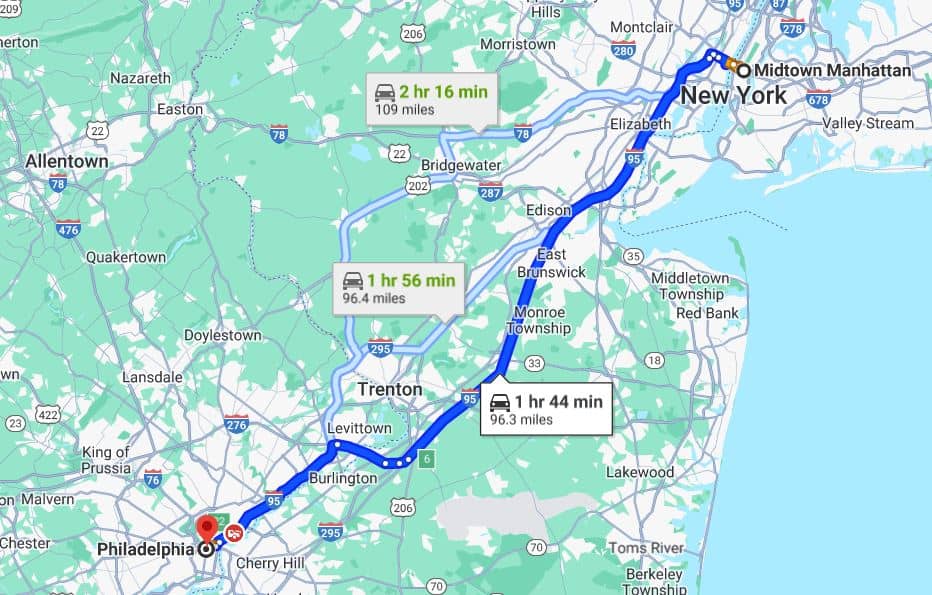
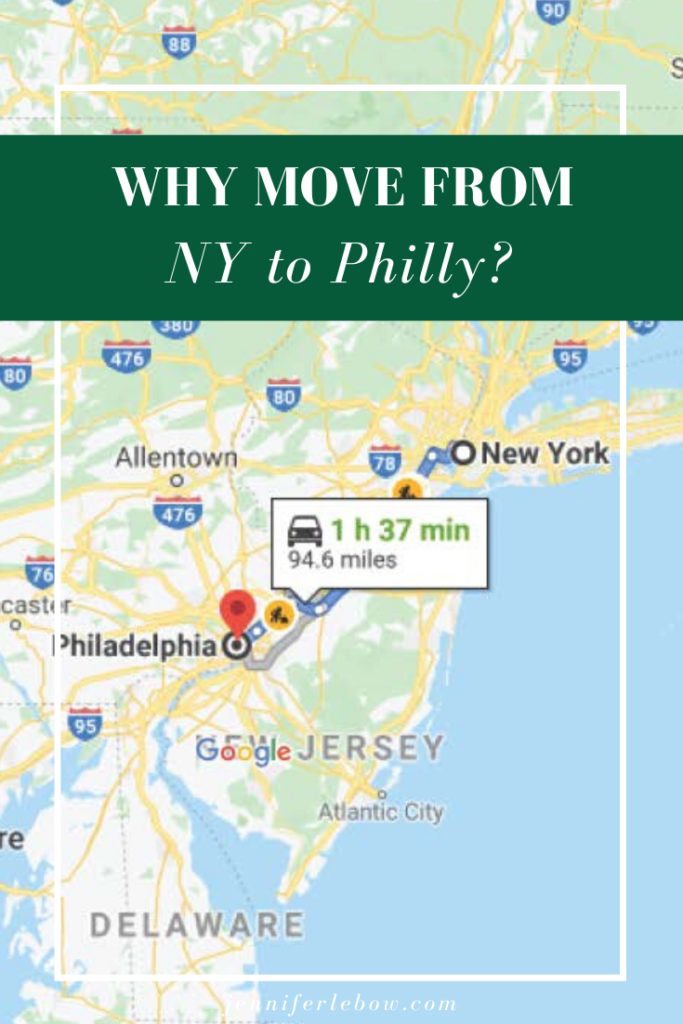
For travelers who value flexibility and the ability to carry more luggage, driving offers a compelling alternative. The route from New York City to Philadelphia is primarily served by the New Jersey Turnpike (I-95 South) and then the Pennsylvania Turnpike (I-76 West). The driving time can vary significantly based on traffic conditions, particularly during peak hours and around major metropolitan areas.
Planning Your Route and Timing
- Distance and Estimated Time: The distance is approximately 95 miles. Without traffic, the drive can take around 1 hour and 30 minutes to 2 hours. However, it is not uncommon for this journey to take 3 hours or more during rush hour, holidays, or major events.
- Tolls and Fuel: Be prepared for tolls along the New Jersey Turnpike and the Pennsylvania Turnpike. It’s advisable to check current toll rates and consider purchasing an E-ZPass for convenience and potential discounts. Fuel costs will also be a factor, depending on your vehicle’s fuel efficiency.
- Traffic Considerations: Utilizing real-time traffic navigation apps like Google Maps or Waze is essential. These apps can help you identify the best routes, avoid major delays, and provide updated estimated arrival times. Departing very early in the morning or later in the evening can significantly improve your travel time.
- Parking in Philadelphia: Upon arrival in Philadelphia, parking can be a consideration, especially in the downtown core. Many hotels offer valet or self-parking options, though these can be expensive. Public garages are also available throughout the city. Research parking availability and rates in your specific area of Philadelphia beforehand.
Car Rentals
If you don’t own a vehicle or prefer not to use your own, numerous car rental companies operate in New York City, offering a wide range of vehicles to suit your needs. Picking up a rental car at one of the major New York City airports or in Manhattan is straightforward. Remember to factor in the cost of the rental, insurance, tolls, fuel, and parking when budgeting for this mode of transport.
Bus Services: The Budget-Friendly Approach
For travelers prioritizing cost savings, bus services present an attractive and increasingly comfortable option for journeys between New York City and Philadelphia. Several reputable bus companies operate on this route, offering competitive pricing and convenient pick-up and drop-off locations.
Leading Bus Operators
Companies like Megabus, Peter Pan Bus Lines, and BoltBus (often integrated with Greyhound now) provide frequent services. These operators typically depart from locations in Manhattan, such as near Penn Station or the Port Authority Bus Terminal, and arrive at designated stops in Philadelphia, often near the city center or 30th Street Station.
- Affordability: Bus tickets are often the most economical choice, with prices sometimes starting as low as $1 or $5 when booked well in advance or during promotional periods.
- Travel Time: Bus travel times typically range from 2 hours to 3 hours, depending on the operator, the specific route, and traffic conditions. While longer than the Acela, it remains a very reasonable duration for the distance covered.
- Amenities: Modern buses are often equipped with amenities such as Wi-Fi, power outlets, and onboard restrooms, making the journey more pleasant. Seats are generally comfortable, though legroom can vary between companies and seat types.
- Booking and Flexibility: Booking tickets online in advance is highly recommended to secure the best prices and ensure availability. Most companies offer flexible booking options, allowing for changes to travel dates or times, sometimes for a small fee.
Flying: An Option to Consider (with Caveats)
While it might seem counterintuitive for a relatively short distance, flying between New York City and Philadelphia is technically possible, though generally not the most practical or efficient choice. The primary airports serving the metropolitan areas are Newark Liberty International Airport (EWR), LaGuardia Airport (LGA), and John F. Kennedy International Airport (JFK) in the New York City area, and Philadelphia International Airport (PHL) in Philadelphia.
When Flying Might Be Considered
- Connecting Flights: If you are already flying into or out of one of the New York City area airports and need to connect to Philadelphia as part of a longer itinerary, a short flight might be unavoidable.
- Rare Flight Deals: Occasionally, very cheap flight deals might be available that could make flying competitive, but this is infrequent.
The Downsides of Flying
- Total Travel Time: The actual flight duration is very short, often under an hour. However, when you factor in travel to the airport, check-in procedures, security screening, boarding, deplaning, baggage claim, and travel from Philadelphia International Airport (PHL) into the city center, the total time often exceeds that of train or bus travel.
- Cost: Flight tickets, especially when including baggage fees and airport transportation, are usually more expensive than train or bus tickets for this route.
- Airport Hassle: The security checks and general airport procedures can be time-consuming and stressful, especially for a relatively short journey.

Choosing the Right Mode of Transport
The best way to get from New York City to Philadelphia ultimately depends on your individual priorities:
- For Speed and Comfort: Amtrak’s Acela Express is the top choice.
- For a Balance of Speed, Comfort, and Value: Amtrak’s Northeast Regional offers an excellent compromise.
- For Flexibility and Luggage Space: Driving provides the most control, but be mindful of traffic and parking.
- For Budget Travelers: Bus services offer the most affordable option without sacrificing too much comfort or time.
- For Specific Itineraries: Flying may be a necessity for connecting flights, but it’s rarely the most efficient option for point-to-point travel between these two cities.
Regardless of your chosen method, the journey between New York City and Philadelphia is a convenient and accessible travel corridor, allowing you to easily experience the distinct charms and historical significance of both world-class cities.
LifeOutOfTheBox is a participant in the Amazon Services LLC Associates Program, an affiliate advertising program designed to provide a means for sites to earn advertising fees by advertising and linking to Amazon.com. Amazon, the Amazon logo, AmazonSupply, and the AmazonSupply logo are trademarks of Amazon.com, Inc. or its affiliates. As an Amazon Associate we earn affiliate commissions from qualifying purchases.