
Embarking on a journey from the vibrant Emerald City of Seattle to the picturesque coastal metropolis of Vancouver, Canada is a popular travel aspiration for many. Nestled a relatively short distance apart, these two dynamic cities offer distinct yet complementary experiences, making the transition between them a highlight of any Pacific Northwest adventure. Whether you seek efficiency, scenic beauty, or a more immersive travelogue, several well-established routes and methods cater to every traveler’s preference. This guide will navigate you through the most practical and enjoyable ways to make this cross-border excursion, ensuring a seamless and memorable passage.
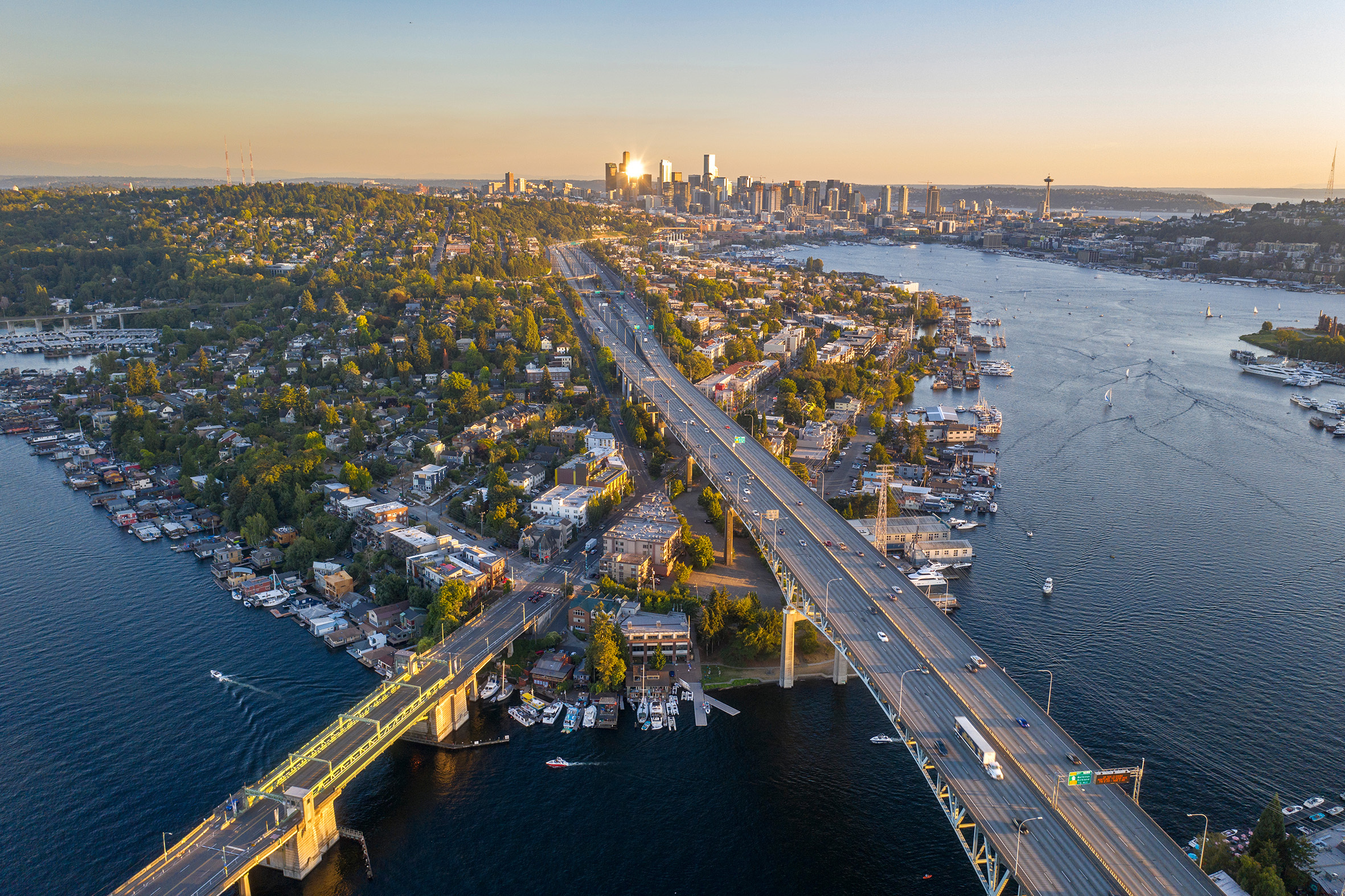
Driving: The Scenic and Flexible Route
The allure of the open road often beckons those traveling between Seattle and Vancouver, Canada. Driving offers unparalleled flexibility, allowing you to dictate your schedule, make spontaneous detours, and carry as much luggage as your vehicle can accommodate. The journey is predominantly covered by Interstate 5 (I-5) North, a well-maintained highway that offers glimpses of the diverse Pacific Northwest landscape.
The Road Journey Overview
The total driving distance between Seattle and Vancouver, Canada is approximately 140 miles (225 kilometers). Under optimal traffic conditions, the drive can take as little as 2.5 to 3 hours. However, it is crucial to factor in potential delays, especially around peak travel times and border crossings.
- Starting Point: Seattle, Washington
Your journey begins in Seattle, a city renowned for its tech industry, coffee culture, and stunning natural surroundings. You’ll want to orient yourself with the I-5 Northbound ramps from your starting location within the city. - The Drive North:
As you head north on I-5, you’ll pass through various suburban areas and experience changing scenery. The landscape gradually shifts from urban sprawl to more forested regions as you approach the Canadian border. Key cities you’ll pass near include Everett and Bellingham. - Border Crossing:
The primary border crossing point for this route is the Peace Arch Border Crossing, although the Pacific Highway Border Crossing is also an option. Be prepared to present valid passports or other required travel documents for all passengers. U.S. Customs and Border Protection and Canada Border Services Agency officers will conduct routine checks. Delays at the border can vary significantly based on the day of the week, time of day, and any ongoing special events. It is advisable to check border wait times online or via dedicated apps before you depart. - Arrival in Vancouver, Canada:
Upon clearing customs, you will continue on I-5, which seamlessly transitions into British Columbia Highway 99 North. This highway will lead you directly into the heart of Vancouver, Canada, a cosmopolitan city offering a wealth of attractions, from the vibrant streets of Gastown to the natural splendor of Stanley Park.
Tips for a Smooth Driving Experience
- Vehicle Preparation: Ensure your vehicle is in good working order, with tires properly inflated and all fluids topped up.
- Navigation: Utilize GPS devices or smartphone navigation apps. Download offline maps, as cellular service can be intermittent in some areas.
- Documentation: Have your driver’s license, vehicle registration, and proof of insurance readily accessible. U.S. citizens will need a passport or other WHTI-compliant document. Canadian citizens will need a passport or NEXUS card.
- Fuel: Fill up your gas tank in Seattle or along the I-5 corridor, as fuel prices can fluctuate, and options may be more limited closer to the border.
- Traffic Awareness: Monitor local traffic reports for Seattle and Vancouver, Canada, especially if traveling during rush hour or on weekends.
- Rest Stops: Plan for stops to stretch your legs, grab a bite, or use restroom facilities. Several rest areas and service stations are available along I-5.
Amtrak Cascades: A Relaxing Rail Journey
For those who prefer to forgo the complexities of driving and border navigation, the Amtrak Cascades train service offers a comfortable and scenic alternative. This passenger rail line connects Seattle and Vancouver, Canada with daily services, providing a relaxing way to travel while enjoying the picturesque scenery of the Pacific Northwest.
The Train Experience
The journey aboard the Amtrak Cascades is an experience in itself. The trains are modern, comfortable, and offer amenities designed to enhance the travel experience.
- Departure and Arrival Stations:
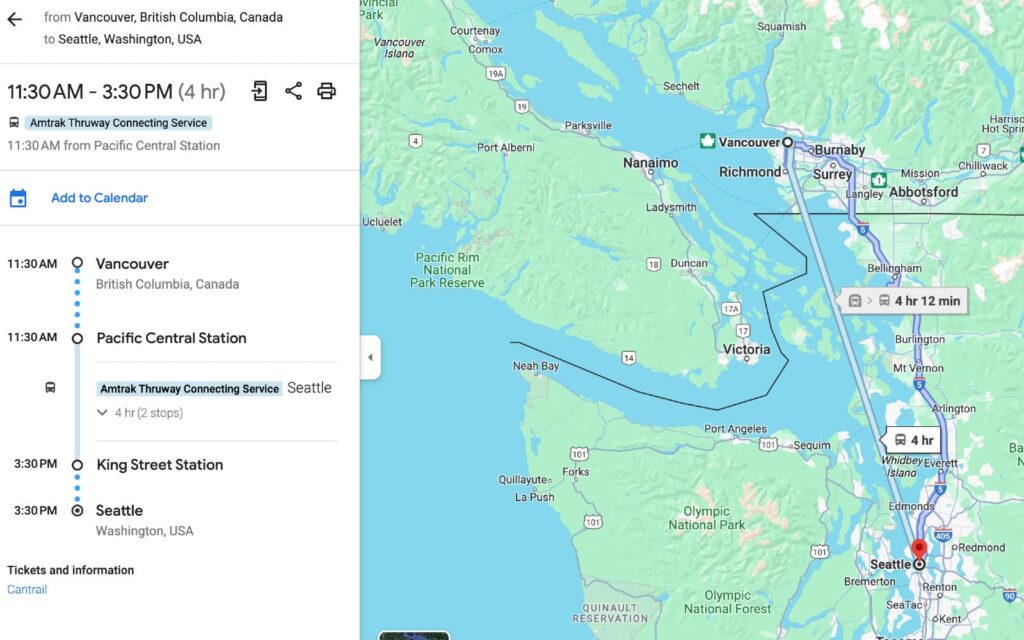
Trains depart from Seattle’s King Street Station, a historic and architecturally significant building located in the Pioneer Square neighborhood. In Vancouver, Canada, the train arrives at Pacific Central Station, a major transportation hub conveniently located near downtown. - The Route:
The Amtrak Cascades route meanders along the Puget Sound, offering breathtaking views of the water, islands, and surrounding mountains. The train makes several stops along the way, including in Edmonds and Bellingham, before reaching the Canadian border. - Border Procedures:
Unlike air or car travel, border control for train passengers is typically conducted onboard the train. U.S. Customs and Border Protection officers board the train shortly after departure from Seattle to process U.S. citizens returning to the U.S. (if applicable on a return journey) or Canadian citizens entering Canada. Canadian Border Services Agency officers conduct a similar process for U.S. citizens entering Canada. Having your passport readily available is essential. - Onboard Amenities:
Amtrak Cascades trains feature comfortable seating, ample legroom, and large windows perfect for sightseeing. Complimentary Wi-Fi is usually available, along with power outlets at each seat. A café car offers a selection of snacks, meals, and beverages for purchase. Some routes may also offer business class seating with additional amenities. - Journey Duration:
The train journey typically takes around 4 hours, depending on border crossing times and any operational delays. While slightly longer than driving under ideal conditions, the relaxed pace and scenic views often make it a preferred choice.
Booking Your Amtrak Ticket
- Advance Booking: It is highly recommended to book your tickets in advance, especially during peak travel seasons, to secure your preferred seats and potentially take advantage of lower fares.
- Online Platform: Tickets can be purchased directly through the Amtrak website or via their mobile app.
- Station Purchase: Tickets can also be purchased at the Seattle King Street Station ticket counter.
- Luggage Policy: Familiarize yourself with Amtrak’s luggage policies, which generally allow for checked baggage and carry-on items.
Bus Services: The Budget-Friendly Option
For travelers prioritizing affordability without compromising on convenience, intercity bus services provide a reliable and cost-effective way to travel from Seattle to Vancouver, Canada. Several reputable bus companies operate this popular route, offering multiple departures throughout the day.
Key Bus Operators and Services
Companies like Greyhound, BoltBus, and FlixBus are prominent providers on the Seattle to Vancouver, Canada route. Each offers slightly different amenities and pricing structures.
- Departure and Arrival Terminals:
Bus services generally depart from centralized downtown locations in Seattle, often near King Street Station. In Vancouver, Canada, buses typically arrive at Pacific Central Station or other designated downtown terminals. - The Journey:
The bus route largely follows I-5 North, similar to the driving route. Stops are made at designated service areas for rest breaks. The journey duration is typically around 3 to 4 hours, including time for border crossing. - Border Crossing Procedures:
Passengers will disembark the bus at the border crossing to present their passports to U.S. Customs and Border Protection and Canada Border Services Agency officials. It is crucial to have all travel documents readily available to expedite this process. - Onboard Amenities:
Amenities can vary by provider. Common features include reclining seats, onboard restrooms, and sometimes Wi-Fi and power outlets. It’s advisable to check the specific amenities offered by the bus company you choose when booking. - Cost-Effectiveness:
Bus travel is consistently one of the most economical options, making it a favorite for budget-conscious travelers and backpackers. Booking in advance can often secure even lower fares.
Booking Your Bus Ticket
- Online Reservations: Most bus companies allow for online booking through their respective websites or mobile applications. This is often the best way to compare prices and schedules.
- Third-Party Aggregators: Websites that aggregate bus routes from various companies can also be helpful for finding the best deals.
- Station Purchase: Tickets can sometimes be purchased directly at the bus terminal, but advance booking is recommended, especially for popular travel times.
Flying: The Fastest, Yet Least Scenic, Option
For those who prioritize speed above all else, flying between Seattle and Vancouver, Canada is the most expedient choice. Several airlines offer direct flights between Seattle-Tacoma International Airport (SEA) and Vancouver International Airport (YVR).
The Air Travel Process
While the flight itself is short, the overall travel time includes the procedures associated with air travel.
- Airport Locations:
Departures are from Seattle-Tacoma International Airport (SEA), located south of downtown Seattle. Arrivals are at Vancouver International Airport (YVR), situated on Sea Island in Richmond, a short distance from downtown Vancouver, Canada. - Flight Duration:
The actual flight time between Seattle and Vancouver, Canada is typically only about 1 hour. - Airport Procedures:
It is essential to factor in time for travel to the airport, check-in, security screening, and boarding. Similarly, upon arrival, you’ll need to deplane, clear Canadian customs and immigration (which is often done pre-clearance before you even depart the U.S. for flights to Canada at certain U.S. airports, but typically done upon arrival at YVR for this route), and collect any checked luggage. - Travel to/from Airports:
Transportation to and from SEA and YVR will add to your overall journey time. Options include taxis, ride-sharing services, public transit (like the Link light rail in Seattle and the Canada Line at YVR), and airport shuttles.
Airlines Operating the Route
Major carriers such as Alaska Airlines and Air Canada regularly operate direct flights between the two cities.
Booking Your Flight
- Comparison Websites: Utilize flight comparison websites to find the best deals and flight times across various airlines.
- Airline Websites: Booking directly through the airline’s website can sometimes offer additional benefits or loyalty program advantages.
- Advance Booking: As with other modes of transport, booking flights in advance is generally recommended for better pricing.
Choosing the right mode of transport from Seattle to Vancouver, Canada depends entirely on your priorities: flexibility and scenery for driving, relaxation and views for the train, economy for the bus, or speed for flying. Each option provides a distinct gateway to the wonders of Vancouver, Canada, ensuring your travel experience is as enriching as your destination.
LifeOutOfTheBox is a participant in the Amazon Services LLC Associates Program, an affiliate advertising program designed to provide a means for sites to earn advertising fees by advertising and linking to Amazon.com. Amazon, the Amazon logo, AmazonSupply, and the AmazonSupply logo are trademarks of Amazon.com, Inc. or its affiliates. As an Amazon Associate we earn affiliate commissions from qualifying purchases.