
California’s Gun License Landscape in 2025: Navigating the Permitting Process
The process of obtaining a gun license, officially known as a Firearm Safety Certificate (FSC), and subsequently a permit to carry a concealed weapon (CCW) in California, is a multifaceted undertaking. Understanding the legal framework, requirements, and procedural steps is paramount for any resident interested in firearm ownership and possession for self-defense or sport. This guide aims to demystify the process for 2025, offering a clear roadmap for aspiring firearm license holders within the Golden State.
Understanding California’s Firearm Laws and Licensing
California maintains some of the strictest firearm regulations in the United States. These laws are designed with public safety as the primary objective, impacting how residents can legally acquire and possess firearms. It is crucial to recognize that “gun license” in California typically refers to two distinct but related authorizations: the Firearm Safety Certificate (FSC) for firearm purchase and a Concealed Carry Weapon (CCW) permit for carrying a concealed firearm in public.
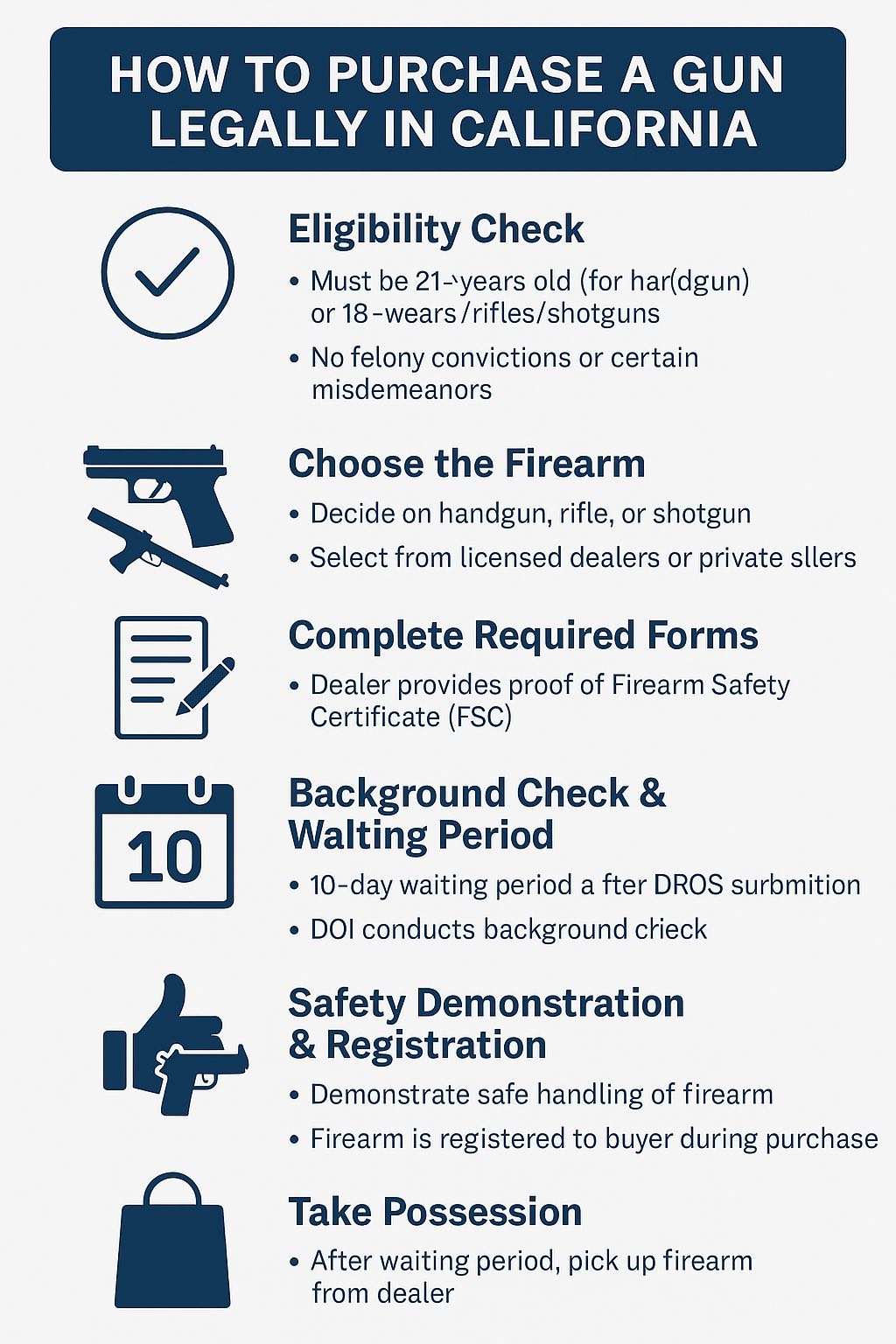
The Firearm Safety Certificate (FSC)
The FSC is a prerequisite for purchasing or acquiring most types of firearms in California. It demonstrates that an individual possesses basic knowledge of firearm laws and safe handling practices.
Eligibility and Requirements for FSC
To obtain an FSC, applicants must meet several criteria:
- Age: Be at least 21 years old.
- Residency: Be a legal resident of California.
- Legal Status: Not be prohibited from owning firearms under federal or state law (e.g., felony convictions, domestic violence restraining orders).
- Examination: Pass a written test administered by a certified firearms dealer or instructor. This test covers topics such as firearm safety, California firearm laws, and responsible gun ownership.
- Fee: Pay a nominal fee for the FSC, which is typically valid for five years.
The FSC Testing Process
The FSC test is designed to be accessible while ensuring a baseline understanding of firearm safety. Test centers are typically located at licensed firearm dealerships or through certified firearms instructors. The test itself consists of multiple-choice questions. Common topics include:
- Safe storage of firearms.
- Identifying and avoiding accidental discharges.
- Legal responsibilities of firearm ownership.
- Understanding different types of firearms and their operation.
- Recognizing prohibited individuals and situations.
Upon passing the test, individuals receive their FSC, which they will need to present when purchasing a firearm. This certificate acts as proof of their readiness to safely handle and own a firearm in California.
The Concealed Carry Weapon (CCW) Permit
The CCW permit is a more complex authorization, allowing an individual to carry a concealed firearm in public. California is generally a “may-issue” state for CCW permits, meaning that the granting of such permits is at the discretion of the local sheriff or police chief, based on specific criteria. However, recent legal developments have shifted the landscape, making it more challenging for issuing agencies to deny permits based solely on subjective “good cause” reasons.
Eligibility and Requirements for CCW
The requirements for a CCW permit are more stringent than for an FSC and vary slightly by county. However, common prerequisites include:
- Age: Be at least 21 years old.
- Residency: Be a legal resident of the county where applying, or demonstrate a substantial reason to be issued a permit by that county’s agency (e.g., business operations within the county).
- Character: Possess good moral character. This is often assessed through a thorough background check, including fingerprinting and interviews.
- Criminal Record: Have no disqualifying criminal convictions, including certain misdemeanors and all felonies.
- Mental Health: Not have a history of mental illness that would make you a danger to yourself or others, or have been found to be mentally incompetent.
- Firearm Proficiency: Successfully complete a firearms training course approved by the issuing agency. This course typically covers safe gun handling, marksmanship, and relevant laws.
- Justification: Demonstrate a reasonable need to carry a concealed firearm. While the strict “good cause” requirement has been challenged, applicants may still need to articulate a credible need for self-protection, especially in certain counties.
- Application Fee: Pay a non-refundable application fee, which can vary significantly by county.
The CCW Application and Approval Process
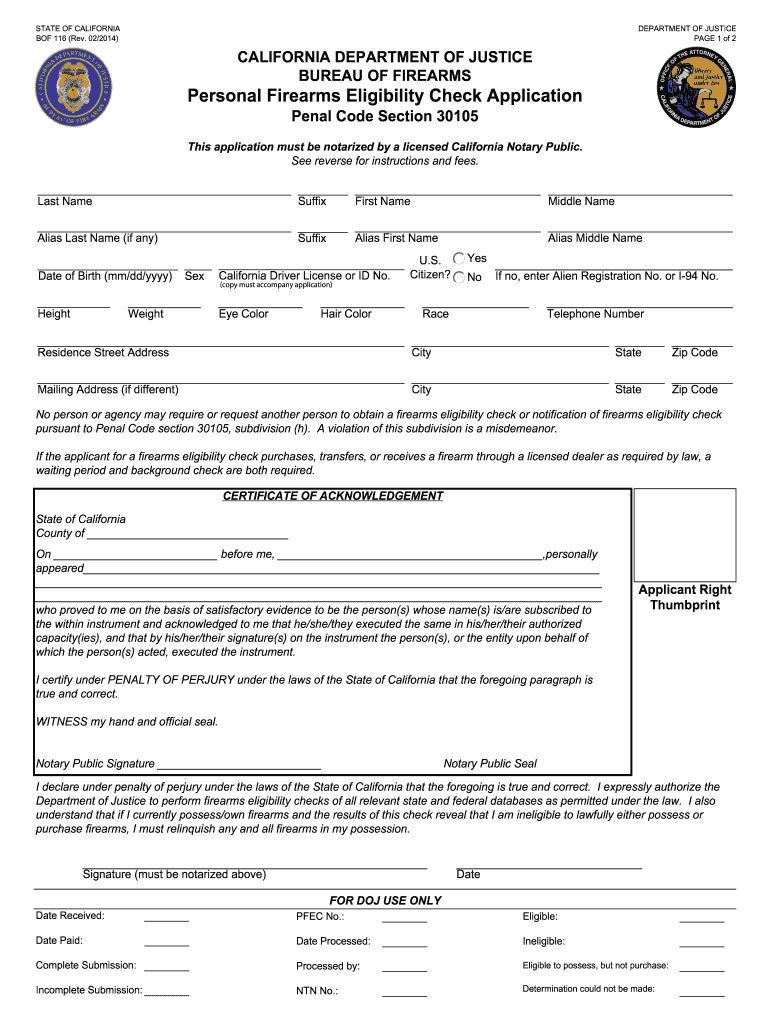
The CCW application process is often lengthy and involves several stages:
- Initial Application: Obtain an application form from the local sheriff’s department or police chief’s office.
- Background Check: Undergo a comprehensive background investigation, including fingerprinting, criminal history checks, and potentially interviews with references or associates.
- Firearms Training: Complete an approved firearms proficiency course. This typically involves live-fire exercises and a written examination. The duration and content of the course are determined by the issuing agency.
- Interview: Attend an interview with the issuing authority or their designated representative. This interview allows them to assess character and clarify any ambiguities in the application.
- Reasonable Need Assessment: Articulate why you need to carry a concealed firearm. While the emphasis has shifted away from subjective “good cause,” a clear and compelling justification is still important.
- Issuance or Denial: If all requirements are met and the issuing authority deems the applicant suitable, the CCW permit will be issued. If not, the permit will be denied, and the applicant will be informed of the reasons.
The entire process can take several months, sometimes up to a year or more, depending on the workload of the issuing agency and the thoroughness of the background checks.
Key Legal Considerations for Firearm Ownership in California
Beyond licensing, California law imposes specific requirements and restrictions on firearm ownership and possession. Awareness of these regulations is crucial for legal compliance.
Safe Storage Laws
California has robust safe storage laws designed to prevent unauthorized access to firearms, particularly by children. This typically requires firearms to be stored unloaded and locked in a safe, gun case, or other secure container, separate from ammunition. Failure to comply with safe storage requirements can result in criminal charges if the firearm is accessed by an unauthorized person, especially if a crime is committed with it.
Prohibited Persons and Firearms
Federal and state laws clearly define individuals who are prohibited from possessing firearms. These typically include those convicted of felonies, certain misdemeanors (e.g., domestic violence), individuals subject to domestic violence restraining orders, and those adjudicated as mentally defective. California also has specific prohibitions related to certain types of firearms.
Types of Firearms and Magazine Capacity
California has a ban on “assault weapons,” which are defined by a specific set of features. Additionally, there is a statewide ban on high-capacity magazines, generally limiting magazine capacity to 10 rounds. Owning or possessing firearms with these prohibited features or magazines can lead to severe legal penalties.
Waiting Periods and Background Checks
When purchasing a firearm from a licensed dealer, California mandates a 10-day waiting period between the purchase and when the firearm can be taken possession of. This period allows for thorough background checks to be conducted through the Department of Justice’s Dealer Record of Sale (DROS) system.
Navigating the Future of Firearm Licensing in California
The legal landscape surrounding firearm ownership and licensing in California is dynamic. For 2025, residents should remain informed about any legislative changes or court rulings that might impact the application process or requirements. Staying current with official publications from the California Department of Justice and local law enforcement agencies is the most reliable way to ensure compliance.
Staying Informed on Legislative Changes
California legislators frequently introduce bills related to firearm regulation. These changes can affect eligibility criteria, firearm types, training requirements, and the overall permitting process. It is advisable for individuals interested in firearm licensing to regularly consult official government websites and reputable legal resources.

Resources for Applicants
For detailed information and application forms, individuals should always refer to the official websites of their local sheriff’s departments or police chiefs’ offices, as well as the California Department of Justice. Licensed firearm dealers and certified firearms instructors are also valuable resources for understanding the FSC process and basic firearm safety.
Navigating the path to obtaining a firearm license in California requires diligence, patience, and a thorough understanding of the state’s legal framework. By adhering to the requirements for the Firearm Safety Certificate and the Concealed Carry Weapon permit, and by staying informed about the evolving legal landscape, residents can responsibly pursue legal firearm ownership and possession.
LifeOutOfTheBox is a participant in the Amazon Services LLC Associates Program, an affiliate advertising program designed to provide a means for sites to earn advertising fees by advertising and linking to Amazon.com. Amazon, the Amazon logo, AmazonSupply, and the AmazonSupply logo are trademarks of Amazon.com, Inc. or its affiliates. As an Amazon Associate we earn affiliate commissions from qualifying purchases.