
Navigating the process of obtaining a handicap placard in Texas is a crucial step for many residents, ensuring greater accessibility to essential services and public spaces. This guide aims to demystify the application procedure, eligibility requirements, and the benefits associated with a Texas Disabled Person’s Parking Permit. Understanding these elements empowers individuals with disabilities and their caregivers to utilize the available resources effectively, thereby enhancing their mobility and independence across the Lone Star State. Whether you’re a resident of a bustling metropolis like Houston or a smaller community, the principles and steps remain consistent, facilitating a smoother application journey.

Understanding Texas Disabled Person’s Parking Permits
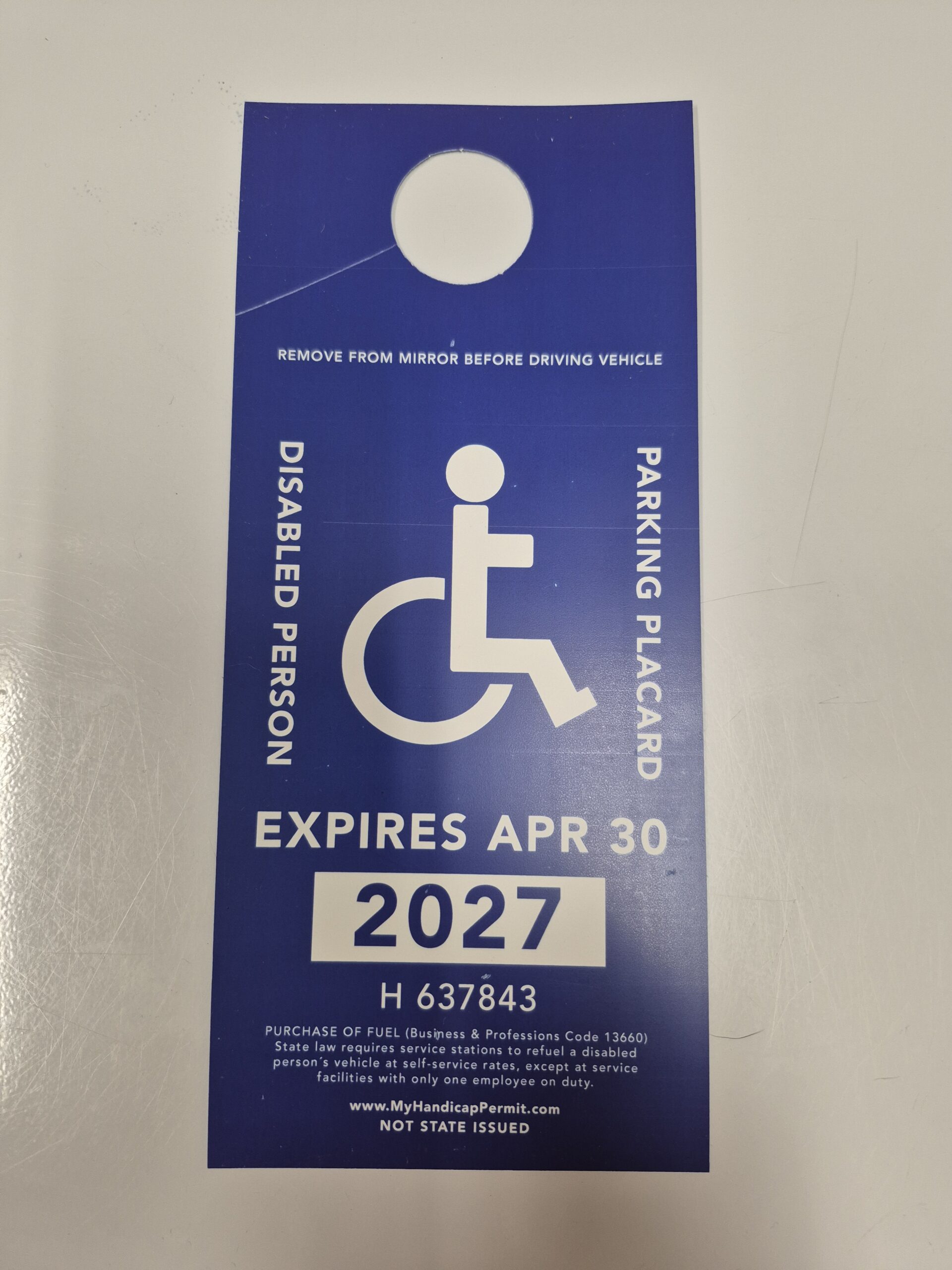
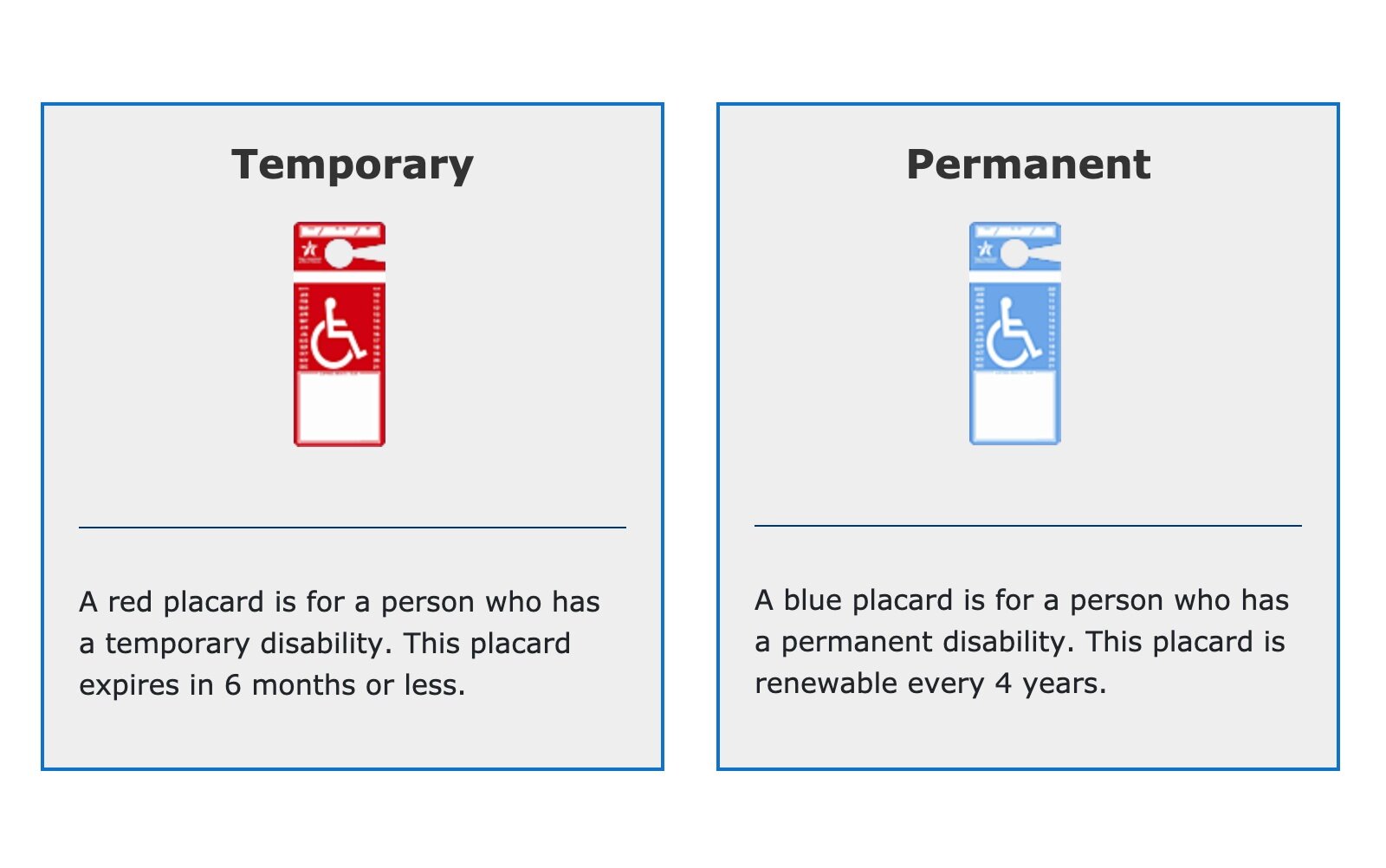
In Texas, a disabled person’s parking permit, often referred to as a handicap placard or a disabled parking permit, is issued by the Texas Department of Motor Vehicles (TxDMV). These permits are designed to provide convenient parking for individuals with mobility impairments or other disabilities that affect their ability to walk. The permit can take the form of a hanging placard that is displayed from the rearview mirror or a set of license plates. Both options grant the holder the right to park in designated disabled parking spaces, which are typically located closer to building entrances and offer more space for wheelchair access. It’s important to distinguish between temporary and permanent placards. Temporary placards are issued for conditions that are expected to improve within six months, while permanent placards are for individuals with long-term disabilities. The application process and required documentation will vary slightly depending on which type of permit you are seeking. Familiarizing yourself with the specific requirements can prevent delays and ensure a successful application.
Types of Permits Available
Texas offers several types of disabled parking permits to cater to varying needs:
- Disabled Person’s Parking Placard (Hanging Placard): This is the most common type of permit. It’s a removable placard that can be hung from the vehicle’s rearview mirror when parked. Placards can be issued for temporary (valid for six months) or permanent use.
- Disabled Veteran’s License Plate: For veterans who have a service-connected disability rated at 50% or more by the U.S. Department of Veterans Affairs, specialized license plates are available. These plates offer the same parking privileges as placards.
- Disabled Person’s License Plate: These license plates are issued to individuals who have a disability and are the registered owner of the vehicle. They are valid for the registration period of the vehicle and must be renewed.
Eligibility Criteria for Texas Residents
To be eligible for a disabled person’s parking permit in Texas, an individual must meet specific medical criteria. The primary requirement is a condition that significantly impacts their mobility. This includes, but is not limited to:
- Mobility Impairments: Individuals who have a condition that makes it difficult to walk, such as requiring the use of a wheelchair, walker, cane, or crutches.
- Lung Disease: Conditions that result in severely impaired lung function, requiring the use of a portable oxygen supply.
- Circulatory Disease: Severe impairment of the circulatory system.
- Blindness: Legal blindness in one or both eyes.
- Certain Medical Conditions: Other medical conditions that severely limit a person’s ability to walk.
It is crucial to note that a diagnosis of a particular condition alone is not always sufficient. The condition must substantially impair the individual’s mobility. A licensed physician, chiropractor, or podiatrist must certify the applicant’s disability on the official application form.
The Application Process: A Step-by-Step Guide
Securing a handicap placard in Texas involves a straightforward, yet specific, application process. Adhering to each step carefully will streamline the experience and ensure your application is processed efficiently. The primary documentation required is the official “Application for Disabled Person’s License Plates and/or Parking Placards” form, available on the TxDMV website or at local county tax assessor-collector offices.
Step 1: Obtain the Application Form
The first step is to download the official application form from the TxDMV website or pick up a copy from your local county tax assessor-collector’s office. Ensure you are using the most current version of the form to avoid any discrepancies.
Step 2: Complete the Applicant Information
The applicant will need to fill out the personal information section of the form, including their name, address, and driver’s license or ID card number. If applying for a license plate, vehicle information will also be required.
Step 3: Medical Certification by a Licensed Professional
This is a critical part of the application. A licensed physician, chiropractor, or podiatrist must examine the applicant and certify their disability. The medical professional will need to indicate the nature of the disability and whether it is temporary or permanent. They will also provide their license number and signature. Without this certification, the application will not be processed. It is advisable to schedule an appointment with your healthcare provider well in advance to discuss your eligibility and have them complete this section.
Step 4: Choose the Permit Type
On the application form, you will indicate whether you are applying for a temporary placard, a permanent placard, or disabled person’s license plates. If you are applying for a temporary placard, you must also specify the expected duration of your disability, up to a maximum of six months.
Step 5: Submit the Application
Once all sections of the application are completed, including the medical certification, you can submit it. There are a few options for submission:
- Mail: You can mail the completed application to the TxDMV at the address provided on the form.
- In Person: You can take the completed application to your local county tax assessor-collector’s office. This is often the quickest method, as they can review your application on the spot and issue temporary placards immediately in some cases.
There is no fee for a disabled person’s parking placard. However, if you are applying for disabled license plates, there will be applicable registration fees and potentially a specialty plate fee.
Utilizing Your Texas Handicap Placard Effectively
Once you have successfully obtained your handicap placard, it’s essential to understand how to use it correctly and the privileges it affords you. These permits are designed to enhance accessibility, and misuse can lead to penalties. Familiarizing yourself with the rules ensures you can fully benefit from the designated parking spaces and contribute to a fair system for all users.
Where You Can Park
Your Texas disabled person’s parking permit allows you to park in any designated disabled parking space throughout the state. These spaces are marked with the international symbol of access (a blue wheelchair symbol). You can find these spaces in various locations, including:
- Public parking lots: Shopping centers, government buildings, hospitals, and parks.
- Street parking: Designated on-street parking spots.
- Private parking lots: Such as those at restaurants, entertainment venues, and office buildings.
The spaces are typically located closest to building entrances, offering reduced walking distances. Some spaces may also be van-accessible, featuring wider areas for wheelchair ramps.
Understanding Placard Renewal and Replacement
Temporary placards are valid for six months. If your disability persists beyond this period, you will need to reapply and obtain a new medical certification. Permanent placards do not require renewal in the same way as temporary ones, but it’s good practice to check the expiration date printed on the placard. If your placard is lost, stolen, or damaged, you can apply for a replacement by submitting a new application form to the county tax assessor-collector’s office. There is typically a small fee for replacement placards.
Penalties for Misuse
It is crucial to use your handicap placard responsibly. Misuse of disabled parking permits is a serious offense in Texas and carries significant penalties. These include:
- Fines: Fines for illegal parking in disabled spaces can range from $250 to $500 for a first offense and can increase for subsequent offenses.
- Towing: Vehicles parked illegally in disabled spaces can be towed at the owner’s expense.
- Revocation of Placard: In cases of severe or repeated misuse, the TxDMV can revoke the disabled parking placard.
Only the person to whom the placard is issued can use it. It cannot be used by family members or friends unless they are transporting the permit holder. When parking in a disabled space, the placard must be clearly visible, hung from the rearview mirror.
Navigating Travel with a Texas Handicap Placard
Having a handicap placard in Texas significantly enhances the travel experience for individuals with disabilities. Whether you are planning a road trip to explore the vast landscapes of West Texas or visiting the vibrant cultural hubs of Austin or San Antonio, your permit ensures easier access to attractions, accommodations, and essential services. Understanding how your placard applies across different travel scenarios can make your journeys more comfortable and stress-free.
Accessibility at Texas Attractions and Landmarks
Many popular tourist destinations in Texas are well-equipped to accommodate visitors with disabilities. Major attractions, such as the Alamo in San Antonio, the Space Center Houston, and the Dallas Arboretum and Botanical Garden, often have designated parking spaces conveniently located near entrances. Many also offer accessible facilities, including ramps, elevators, and accessible restrooms. It is always a good idea to check the accessibility information on the attraction’s official website before your visit or to call ahead to inquire about specific needs. For example, when visiting a museum like the Kimbell Art Museum in Fort Worth, you can often find detailed information about their accessibility features, including parking.
Accessible Accommodation Options
When booking accommodation in Texas, from boutique hotels in Galveston to sprawling resorts, look for properties that offer accessible rooms. Most hotels now provide rooms equipped with features such as wider doorways, grab bars in bathrooms, roll-in showers, and lower sink heights. When making your reservation, explicitly state your need for an accessible room and confirm the specific features available. While your handicap placard does not directly book an accessible room, it ensures you can utilize designated parking at the hotel. Many major hotel chains, including Marriott and Hilton, have robust accessibility programs and provide detailed information on their websites.
Road Travel and Interstate Access
Your Texas handicap placard is recognized nationwide, meaning your disabled parking privileges extend beyond the borders of Texas. When traveling to other states, your placard will grant you access to designated parking spaces according to local regulations. However, regulations regarding the validity of temporary out-of-state placards can sometimes differ, so it’s wise to be aware of the specific rules of your destination state. When driving across the country, remember that while your placard is accepted, you will still need to adhere to all traffic laws and parking regulations. Utilizing services that provide accessible route planning can also be beneficial for longer road trips, ensuring that rest stops and fuel stations along your route are accessible.
LifeOutOfTheBox is a participant in the Amazon Services LLC Associates Program, an affiliate advertising program designed to provide a means for sites to earn advertising fees by advertising and linking to Amazon.com. Amazon, the Amazon logo, AmazonSupply, and the AmazonSupply logo are trademarks of Amazon.com, Inc. or its affiliates. As an Amazon Associate we earn affiliate commissions from qualifying purchases.