
Navigating the landscape of health insurance can feel like a complex journey, especially when you’re in a state as vast and diverse as Texas. Whether you’re a lifelong resident, a newcomer, or simply seeking to understand your options, securing adequate health coverage is a fundamental step towards safeguarding your well-being and financial stability. This guide aims to demystify the process of obtaining health insurance in Texas, outlining the primary avenues available and offering insights to help you make informed decisions.
Understanding Your Health Insurance Options in Texas
Texas offers a variety of pathways to obtain health insurance, catering to different needs, income levels, and life circumstances. It’s crucial to understand these distinct routes to identify the one that best suits your individual or family situation.

The Health Insurance Marketplace (Healthcare.gov)
The federal government, through the Affordable Care Act (ACA), established the Health Insurance Marketplace, accessible at Healthcare.gov. This platform serves as a central hub where individuals and families can compare and enroll in health insurance plans from private insurance companies.
Eligibility and Enrollment Periods
Eligibility for Marketplace plans is generally determined by your income, household size, and whether you have access to other qualifying health coverage, such as employer-sponsored insurance. During the annual Open Enrollment Period, individuals can freely enroll in or switch plans. For those experiencing certain qualifying life events, such as losing other coverage, getting married, having a baby, or moving, a Special Enrollment Period may be available outside the annual window.
Premium Tax Credits and Cost-Sharing Reductions
One of the most significant benefits of using the Marketplace is the availability of financial assistance. Premium tax credits can help lower your monthly insurance premiums, making coverage more affordable. Eligibility for these credits is based on your income relative to the federal poverty level. Additionally, if you choose a plan in the Silver category on the Marketplace, you may qualify for cost-sharing reductions, which can lower your deductibles, copayments, and coinsurance.
Medicaid and the Children’s Health Insurance Program (CHIP)
Texas offers government-funded health insurance programs for low-income individuals, families, pregnant women, the elderly, and people with disabilities. These programs are administered by Texas Health and Human Services.
Medicaid Eligibility
Medicaid eligibility in Texas is complex and has specific criteria. Generally, it covers individuals and families who meet certain income and household size requirements. For adults without dependent children, Texas has not expanded Medicaid under the ACA, meaning eligibility is more restricted compared to other states. However, pregnant women, individuals with disabilities, and those over 65 may qualify under specific rules.
CHIP for Children
The Children’s Health Insurance Program (CHIP) provides low-cost health coverage to children in families who earn too much to qualify for Medicaid but cannot afford private insurance. CHIP offers comprehensive benefits, including regular doctor visits, immunizations, and hospital care.
Employer-Sponsored Health Insurance
For many individuals in Texas, the most common way to obtain health insurance is through their employer. If you are employed, your employer may offer a group health insurance plan as part of your benefits package.
Understanding Your Employer’s Plan
Employer-sponsored plans often provide a range of coverage options, and the employer typically subsidizes a portion of the premium cost. It’s essential to review the plan details carefully, including deductibles, copayments, coinsurance, and the network of healthcare providers, to ensure it meets your needs. You will typically have an opportunity to enroll during your initial hiring period or during your employer’s annual open enrollment.
COBRA Continuation Coverage
If you lose your job or your work hours are reduced, you may be eligible to continue your employer-sponsored health insurance through the Consolidated Omnibus Budget Reconciliation Act (COBRA). COBRA allows you to maintain your existing coverage for a limited period, though you will be responsible for the full premium cost, including the portion previously paid by your employer.
Other Avenues for Health Insurance
Beyond the primary options, a few other avenues might be available, depending on specific circumstances.
Short-Term Health Insurance
Short-term health insurance plans are designed to offer temporary coverage during gaps in regular insurance. These plans typically have lower premiums than comprehensive plans but also offer limited benefits and do not cover pre-existing conditions. They are not considered ACA-compliant.
Student Health Plans
Many colleges and universities in Texas offer health insurance plans specifically for their students. These plans can be a cost-effective way for students to access healthcare while pursuing their education.
Key Factors to Consider When Choosing a Plan
Selecting the right health insurance plan is a significant decision that impacts your access to healthcare and your financial outlays. Several critical factors should guide your choice.
Understanding Plan Types: HMOs, PPOs, and More
Health insurance plans come in various structures, each with its own set of rules and provider networks.
Health Maintenance Organizations (HMOs)
HMOs typically require you to choose a primary care physician (PCP) who will manage your care and refer you to specialists within the plan’s network. Generally, you don’t need referrals to see specialists, and you won’t have out-of-network coverage unless it’s an emergency. HMOs often have lower premiums.
Preferred Provider Organizations (PPOs)
PPOs offer more flexibility. You can see doctors and specialists without a referral, and you have coverage for out-of-network providers, though it will be at a higher cost. PPO premiums are typically higher than HMOs.
Exclusive Provider Organizations (EPOs)
EPOs combine features of HMOs and PPOs. You generally don’t need a referral to see a specialist, but you must stay within the plan’s network for coverage, except in emergencies.
Point of Service (POS) Plans
POS plans allow you to choose whether to use in-network or out-of-network providers. If you use in-network providers, you’ll have lower costs. If you go out-of-network, you’ll likely need a referral from your PCP and will pay more.
Assessing Your Healthcare Needs and Budget
Consider your current health status, any chronic conditions you manage, and your family’s healthcare needs. Do you frequently visit doctors, specialists, or require prescription medications?
Premiums, Deductibles, Copayments, and Coinsurance
- Premiums: The amount you pay each month for your insurance plan.
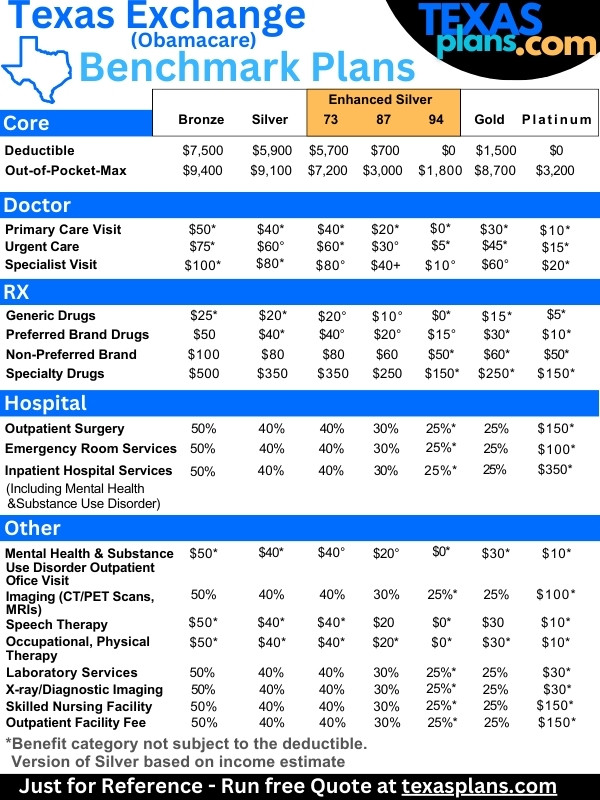
- Deductibles: The amount you pay out-of-pocket before your insurance plan begins to pay for covered services.
- Copayments (Copays): A fixed amount you pay for covered healthcare services after you’ve met your deductible.
- Coinsurance: Your share of the costs of a covered healthcare service, calculated as a percentage of the allowed amount for the service.
A plan with a lower premium might have a higher deductible, meaning you’ll pay more upfront if you need care. Conversely, a plan with a higher premium may have a lower deductible, offering more predictable costs when you seek treatment.
Network Adequacy and Provider Choice
It is crucial to verify whether your preferred doctors, specialists, and hospitals are within the plan’s network. If you have a specific healthcare provider you wish to continue seeing, confirm their participation in any plan you are considering. For those in rural areas of Texas, network adequacy can be a significant concern, so scrutinize the geographic reach of a plan’s provider network.
Navigating the Application and Enrollment Process
The process of applying for and enrolling in health insurance can seem daunting, but by breaking it down into manageable steps, you can navigate it successfully.
Gathering Necessary Documentation
To apply for health insurance, whether through the Marketplace, Medicaid, or an employer plan, you will typically need to provide certain personal and financial information.
Personal Identification and Household Information
This includes names, dates of birth, Social Security numbers, and proof of U.S. citizenship or lawful presence for all individuals to be covered. You will also need to provide information about your household size and any dependents.
Income Verification
For plans with income-based eligibility or subsidies, you will need to provide documentation of your income, such as pay stubs, tax returns, or unemployment benefits statements.
Proof of Current Health Coverage (if applicable)
If you are applying for coverage due to a loss of other insurance, you may need to provide documentation to verify that event.
Applying Through the Health Insurance Marketplace
Visiting Healthcare.gov is the primary step for exploring Marketplace plans.
Creating an Account and Completing the Application
You will need to create an account to start your application. The online application will guide you through providing the necessary information about your household, income, and coverage needs.
Comparing Plans and Choosing an Enrollment Option
Once your application is complete, Healthcare.gov will present you with a range of plan options. You can compare them based on premiums, deductibles, out-of-pocket maximums, covered benefits, and provider networks. You can then select the plan that best fits your needs and budget.
Applying for Medicaid and CHIP
Applications for Medicaid and CHIP in Texas are managed through the Texas Health and Human Services Commission.
Online Application and Paper Forms
You can apply online via the Your Texas Benefits portal, or you can download and mail in a paper application. Assistance is also available through local offices.
Eligibility Determination and Notification
Once your application is submitted, Texas Health and Human Services will review it to determine your eligibility. You will be notified of the decision by mail.
Maintaining Your Health Insurance and Staying Informed
Securing health insurance is an ongoing process. Staying informed about your policy and any changes to your eligibility or coverage is crucial.
Understanding Your Policy Documents
After enrolling in a plan, you will receive policy documents that outline your coverage in detail. It is essential to read and understand these documents, including the Summary of Benefits and Coverage (SBC), which provides a standardized overview of what a health plan covers and what you pay.
Keeping Your Information Up-to-Date
Your life circumstances can change, affecting your health insurance eligibility. It’s vital to report any changes in income, household size, or address to your insurance provider or the Marketplace promptly to ensure you maintain the correct coverage and receive any applicable subsidies.
Staying Aware of Open Enrollment and Special Enrollment Periods
Mark your calendar for the annual Open Enrollment Period for Marketplace plans. Missing this window could leave you without coverage for the following year unless you qualify for a Special Enrollment Period due to a qualifying life event. Similarly, be aware of any changes to your employer’s benefits or government program eligibility.
Seeking Assistance When Needed
Navigating the intricacies of health insurance can be challenging. Numerous resources are available in Texas to provide assistance.
Navigators and Certified Application Counselors
The Health Insurance Marketplace offers free assistance from Navigators and Certified Application Counselors. These trained individuals can help you understand your options, complete applications, and choose a plan. You can find local assistance through Healthcare.gov.
State and Federal Consumer Assistance Programs
Texas Health and Human Services and federal agencies provide resources and helplines for consumers seeking information about health insurance. Don’t hesitate to reach out for clarification or support.
Obtaining health insurance in Texas is a vital step toward comprehensive well-being. By understanding the available options, carefully considering your needs, and diligently navigating the enrollment process, you can secure a health insurance plan that provides the necessary protection and peace of mind for you and your loved ones.
LifeOutOfTheBox is a participant in the Amazon Services LLC Associates Program, an affiliate advertising program designed to provide a means for sites to earn advertising fees by advertising and linking to Amazon.com. Amazon, the Amazon logo, AmazonSupply, and the AmazonSupply logo are trademarks of Amazon.com, Inc. or its affiliates. As an Amazon Associate we earn affiliate commissions from qualifying purchases.