
Embarking on the journey to obtain your first driver’s license is an exciting milestone, and for those in the Sunshine State, securing a learner’s permit in Florida is the crucial first step. Whether you’re a local teenager eager for independence or a new resident looking to navigate the state’s beautiful landscapes, understanding the process is key. This comprehensive guide will walk you through every step, from eligibility requirements to the actual application, ensuring a smooth and successful experience.
The allure of Florida extends far beyond its world-renowned theme parks and pristine beaches. It’s a state that encourages exploration, offering diverse travel experiences for every kind of adventurer. From the vibrant streets of Miami to the historic charm of St. Augustine, or the serene beauty of the Florida Keys, having the freedom to drive opens up a world of possibilities. Imagine leisurely drives along the coast, spontaneous road trips to discover hidden gems, or easy commutes to your favorite local eateries and attractions. Obtaining your learner’s permit is not just about driving; it’s about unlocking a new level of freedom and engagement with the state’s rich tourism and lifestyle offerings.
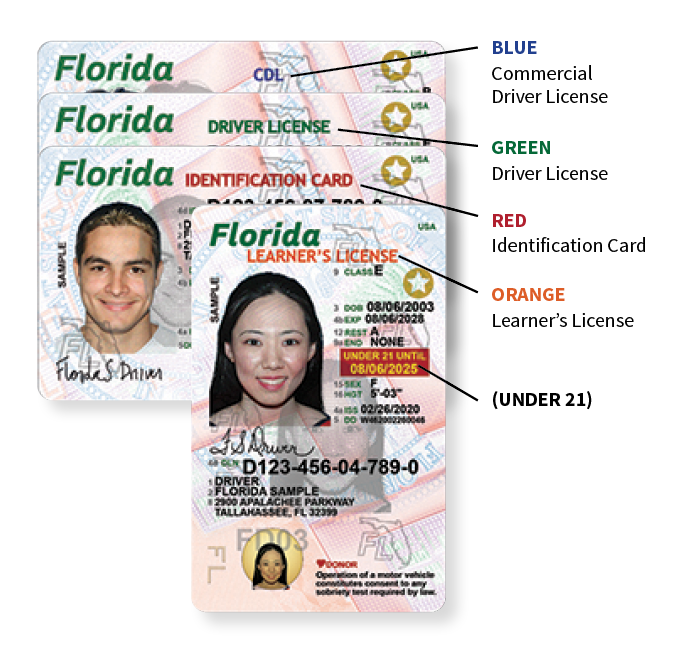
The process of getting a learner’s permit in Florida is designed to ensure that new drivers have a foundational understanding of traffic laws and safe driving practices before they are allowed to operate a vehicle. This often involves a combination of classroom instruction, written tests, and vision screenings. The state’s Department of Highway Safety and Motor Vehicles (FLHSMV) oversees these procedures, aiming to create responsible and knowledgeable drivers. Understanding these requirements and preparing adequately will make the entire process less daunting and more efficient.
Understanding the Eligibility and Requirements
Before you can even think about scheduling your test, it’s essential to meet the basic eligibility criteria set forth by the state of Florida. These requirements are in place to ensure that applicants are ready for the responsibilities that come with learning to drive.
Age Requirements
In Florida, the minimum age to obtain a learner’s permit is 15 years old. However, there are specific conditions depending on whether you are 15 or 16.
- For 15-year-olds: To be eligible for a learner’s permit at 15, you must have completed or be enrolled in a state-approved driver education course. This course typically includes both classroom instruction and behind-the-wheel training.
- For 16-year-olds: If you are 16 years old, you can apply for a learner’s permit without necessarily having completed a formal driver education course, although it is still highly recommended. However, you will still need to pass the required tests and meet other documentation requirements.
It’s important to note that these are the minimum ages. If you are younger, you will need to wait until you reach the eligible age to apply. This tiered approach allows for a structured learning process, ensuring that young drivers gain essential knowledge before hitting the road.
Parental or Guardian Consent
For applicants under the age of 18, parental or guardian consent is mandatory. You will need to have a parent or legal guardian present when you apply for your learner’s permit to sign the application form, indicating their agreement and acknowledgment of your intent to obtain a permit. This ensures that a responsible adult is aware of and supports your driving journey.
Required Documentation
Gathering the necessary documents is a critical step in the application process. You will need to provide proof of identity, date of birth, Social Security number, and residential address in Florida. The FLHSMV has specific requirements for acceptable documents. Common documents include:
- Proof of Identity: An original or certified copy of your birth certificate, a valid U.S. passport, or a Certificate of Citizenship.
- Proof of Social Security Number: Your Social Security card or an official letter from the Social Security Administration.
- Proof of Residential Address: Utility bills, a lease agreement, or school records showing your Florida address.
- Proof of Legal Presence: This is typically covered by your birth certificate or passport. If you are not a U.S. citizen, you will need to provide your immigration documents.
It is highly advisable to visit the official FLHSMV website or contact your local driver license service center to obtain the most up-to-date and comprehensive list of acceptable documents. Having all your paperwork in order will significantly expedite your visit to the service center.
Vision and Hearing Test
As part of the application process, you will be required to pass a vision test to ensure your eyesight meets the minimum standards for safe driving. You will also undergo a hearing test. These tests are conducted at the driver license service center. If you wear corrective lenses, ensure you bring them with you to the test. If you require corrective lenses to see the road clearly, this will be noted on your learner’s permit.
The Application Process: Step-by-Step
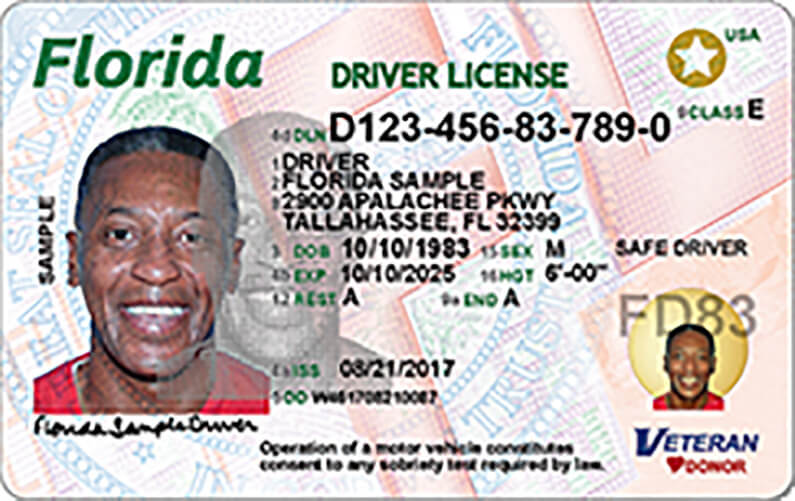
Once you have confirmed your eligibility and gathered all the necessary documentation, you are ready to begin the formal application process. This involves visiting a Florida driver license service center.
Scheduling an Appointment and Visiting the Service Center
While some driver license service centers may accept walk-in customers, it is highly recommended to schedule an appointment online through the FLHSMV website or by calling ahead. This will save you a considerable amount of time and reduce wait times.
When you arrive at the service center, you will need to:
- Submit your Application: You will fill out the official application form for a learner’s permit. Ensure all information is accurately and legibly provided.
- Present your Documentation: Your collected documents will be verified by a customer service representative.
- Take the Vision and Hearing Tests: As mentioned previously, these tests are administered at the center.
- Pay the Required Fees: There is a fee associated with obtaining a learner’s permit. The exact amount can be found on the FLHSMV website. Payment is typically accepted in the form of cash, check, or credit card.
Passing the Knowledge Test
The knowledge test, also known as the written test, assesses your understanding of Florida traffic laws, road signs, and safe driving practices. This test is crucial for ensuring you have the theoretical knowledge needed to operate a vehicle safely.
- Study Materials: The FLHSMV provides a comprehensive Driver’s Handbook, which is the primary source of information for the knowledge test. This handbook covers everything from traffic signals and pavement markings to rules of the road, safe driving techniques, and the consequences of driving under the influence. You can download a PDF version of the handbook from the FLHSMV website or pick up a physical copy at a service center. It is imperative to thoroughly study this handbook.
- Test Format: The knowledge test is typically administered on a computer at the driver license service center. It consists of multiple-choice questions. You will need to answer a certain number of questions correctly to pass. The exact number of questions and the passing score can be found in the Driver’s Handbook.
- Practice Tests: Many online resources offer practice tests that mimic the format and content of the official knowledge test. Taking these practice tests can help you gauge your readiness, identify areas where you need to focus more study, and become familiar with the testing interface.
- Retaking the Test: If you do not pass the knowledge test on your first attempt, you will have the opportunity to retake it. However, there may be a waiting period before you can retake the exam, and potentially an additional fee. It is best to study diligently to avoid this.
Post-Permit: Understanding Your Driving Privileges and Restrictions
Congratulations! Once you have successfully passed all the required tests and submitted your application, you will be issued your learner’s permit. This permit signifies that you are legally allowed to begin practicing your driving skills under specific conditions.
Supervised Driving Requirements
A learner’s permit is not a license to drive unsupervised. Florida has strict rules regarding supervised driving to ensure that new drivers gain sufficient experience and develop good driving habits.
- Supervision by a Licensed Driver: You must be accompanied by a licensed driver who is at least 21 years old and holds a valid driver’s license. This supervising driver must sit in the front passenger seat of the vehicle at all times when you are driving.
- Minimum Practice Hours: While Florida does not mandate a specific number of supervised driving hours for a learner’s permit holder before they can apply for a driver’s license, it is highly recommended to accumulate as much practice as possible. Many driver education programs will recommend a minimum number of hours, often around 50 hours, including at least 10 hours of nighttime driving. Real-world experience is invaluable.
- Nighttime Driving Restrictions: If you are under 17 years old and hold a learner’s permit, you are prohibited from driving between the hours of 11:00 PM and 6:00 AM, unless accompanied by a licensed driver 21 years of age or older. This restriction is lifted when you obtain your intermediate driver’s license.
Restrictions and Responsibilities
Your learner’s permit comes with specific restrictions that you must adhere to at all times. Failure to comply with these restrictions can result in penalties, including the suspension of your permit.
- No Driving Unsupervised: This is the most critical restriction. You are not permitted to drive the vehicle alone under any circumstances.
- Passengers: Generally, a learner’s permit holder can only have one passenger in the vehicle at a time, in addition to the supervising driver. However, this restriction may be relaxed if the passengers are immediate family members. Always check the latest regulations on the FLHSMV website.
- Cell Phone Use: The use of wireless communication devices, including cell phones, is prohibited for learner’s permit holders while driving, except in cases of emergency.
Transitioning to a Driver’s License
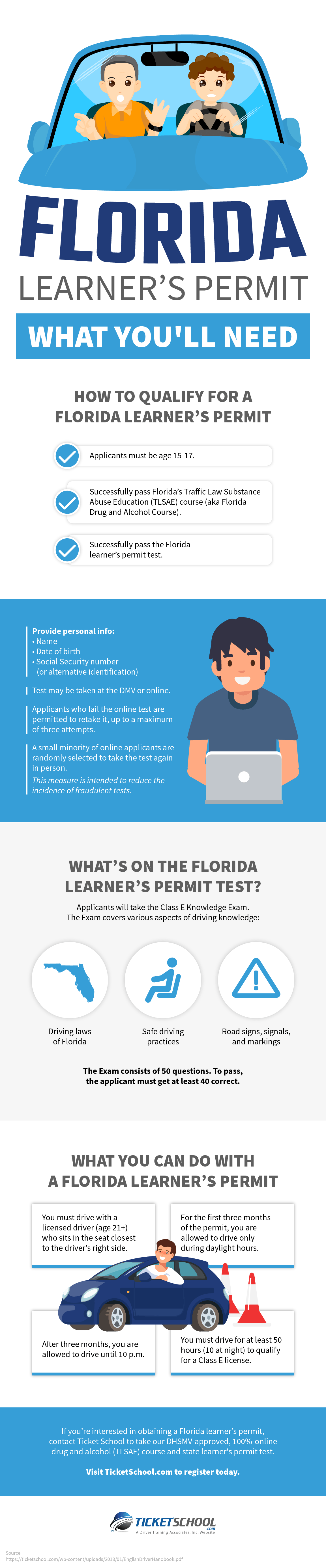
Your learner’s permit is a stepping stone to full driving independence. After holding your learner’s permit for a specific period and meeting other requirements, you will be eligible to apply for an intermediate driver’s license (often called a Class E driver license).
- Eligibility for Intermediate License: In Florida, you can apply for an intermediate driver’s license once you are at least 16 years old and have held your learner’s permit for at least one year. You will also need to have completed a certified driver education course or have accumulated a minimum number of supervised driving hours.
- The Road Test: The final step to obtaining your intermediate license is passing the driving skills test, commonly known as the road test. This test evaluates your ability to safely operate a vehicle in various driving situations and your adherence to traffic laws. You will need to schedule this test at a driver license service center.
The journey to getting your learner’s permit in Florida is a well-defined process designed to equip new drivers with the knowledge and skills they need to be safe on the road. By understanding the requirements, diligently studying the material, and practicing responsibly under supervision, you’ll be well on your way to enjoying the freedom of driving and exploring all that the Sunshine State has to offer, from its vibrant tourism destinations to its diverse lifestyle opportunities. Remember, safe driving is paramount, and your learner’s permit is the first step in a lifelong commitment to responsible road use.
LifeOutOfTheBox is a participant in the Amazon Services LLC Associates Program, an affiliate advertising program designed to provide a means for sites to earn advertising fees by advertising and linking to Amazon.com. Amazon, the Amazon logo, AmazonSupply, and the AmazonSupply logo are trademarks of Amazon.com, Inc. or its affiliates. As an Amazon Associate we earn affiliate commissions from qualifying purchases.