
California, a state synonymous with sunshine, diverse landscapes, and a spirit of innovation, also serves as a popular destination for tying the knot. Whether you’re a local resident or an out-of-state couple planning a destination wedding, understanding the legal requirements is paramount. This guide will walk you through the essential steps to ensure your marriage is legally recognized in the Golden State, covering everything from obtaining a license to the ceremony itself.
Securing Your Marriage License: The Foundation of Your Union
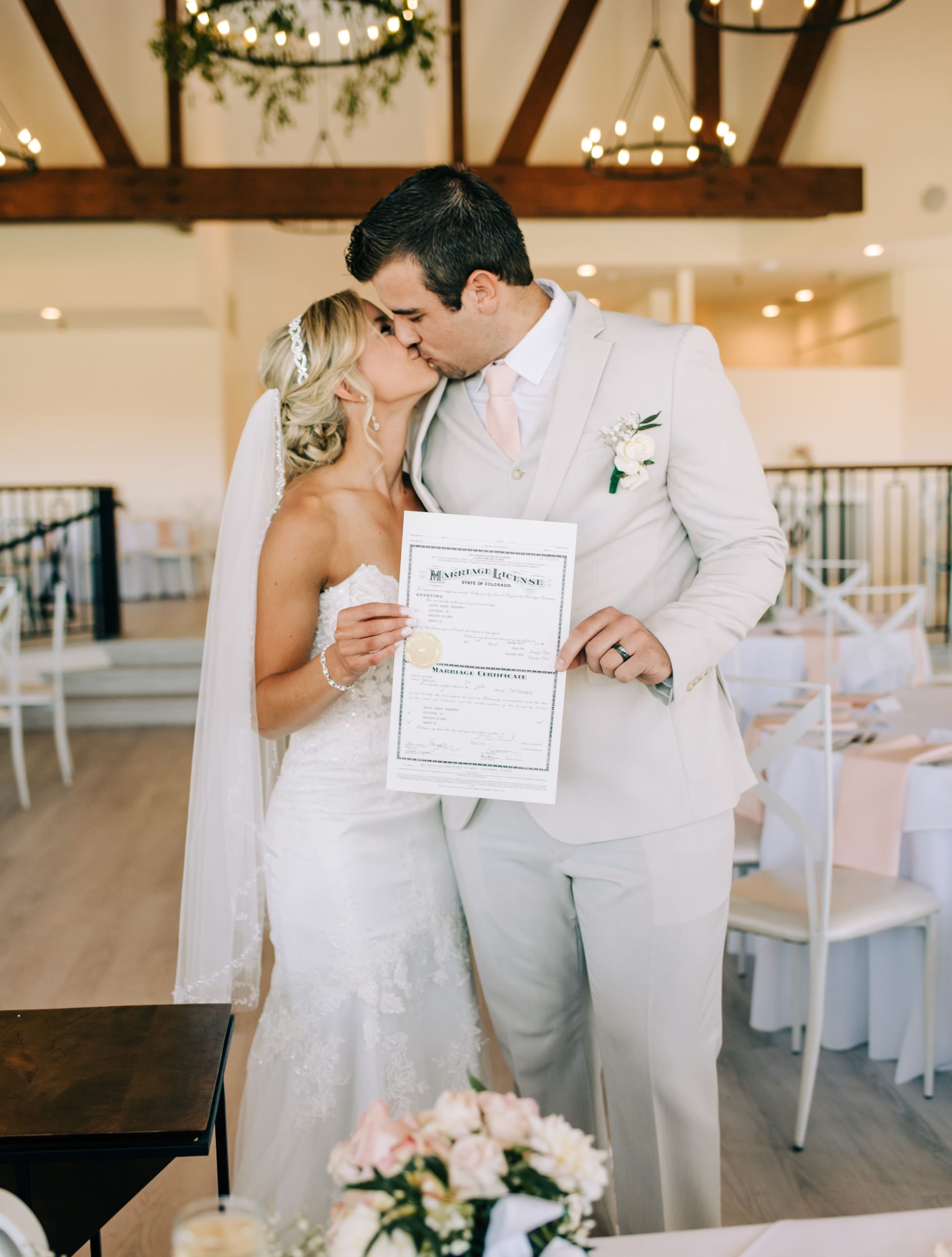
The marriage license is the legal permit that allows you to get married. Without it, your ceremony, however beautiful, will not be recognized by the state. California offers two types of marriage licenses: a public license and a confidential license. Understanding the distinctions between them is the first crucial step.
Public Marriage License
A public marriage license is the most common type. It requires a public record of your marriage, which can be accessed by the public.
Eligibility Requirements
- Age: Both individuals must be at least 18 years old. If one or both parties are under 18, parental consent and court approval are required.
- Marital Status: Neither party can be currently married to another person. If either party has been previously married, you will need to provide the exact date the previous marriage ended (divorce, annulment, or death). Some counties may require proof of dissolution for recent divorces.
- Identification: Both parties must present valid, government-issued photo identification. Acceptable forms typically include a driver’s license, state ID card, passport, or military ID. The name on the ID should match the name on the marriage license application.
- No Blood Test: California does not require a blood test to obtain a marriage license.
The Application Process
- Choose a County Clerk’s Office: You can apply for a marriage license in any county in California, regardless of where you plan to get married within the state. It’s advisable to research the specific requirements of the county where you intend to apply, as some may have online appointment scheduling.
- Complete the Application: Applications can often be initiated online prior to your appointment, which can expedite the process. However, both parties must appear in person at the County Clerk’s office to complete the application and receive the license.
- Appear Together: Both applicants must be present together at the County Clerk’s office.
- Provide Information: You will be asked to provide full names, dates of birth, places of birth, current addresses, parents’ full names, and their places of birth.
- Pay the Fee: There is a fee for the marriage license, which varies by county. It’s recommended to check the county’s website for the current fee schedule.
- Receive the License: Once the application is approved and the fee is paid, you will receive your marriage license.
Validity and Usage
A public marriage license is valid for 90 days from the date of issuance. This means your wedding ceremony must take place within this 90-day window. The license can be used for a ceremony performed anywhere within the state of California.
Confidential Marriage License
A confidential marriage license offers a degree of privacy, as the marriage record is not a public document. This option is often chosen by couples who wish to keep their marriage details private.
Eligibility Requirements for Confidential License
In addition to the standard eligibility requirements for a public marriage license (age, marital status, valid ID), a confidential marriage license has one additional stipulation:
- Cohabitation: Both parties must attest that they have been living together as spouses prior to applying for the license. This means you must have resided together, presenting yourselves to the public as a married couple, before the license is issued.
The Application Process for Confidential License
The application process is largely the same as for a public license, with both parties appearing in person at the County Clerk’s office. The key difference is the attestation of cohabitation.
Validity and Usage of Confidential License
A confidential marriage license is also valid for 90 days. However, the ceremony must be performed by an authorized officiant within the same county where the license was issued. The officiant will then return the completed license to the issuing county for recording.
The Ceremony: Making It Official
Once you have your marriage license in hand, the next step is to hold your wedding ceremony. This is where the legal union is solemnized.
Who Can Officiate Your Wedding?
California law specifies who is authorized to solemnize a marriage. To ensure your marriage is legally binding, your ceremony must be performed by one of the following:
- Priest, Minister, Rabbi, or other authorized clergy: This includes individuals ordained or designated according to the rules and practices of a religious denomination, church, or sect.
- Judge or Retired Judge: Current or retired judges of various courts, including federal, state, and municipal courts, are authorized.
- Commissioner or Assistant Commissioner of a Court of Record: Similar to judges, these officials can solemnize marriages.
- Member of the Legislature or Constitutional Officer of this State: Current members of the California State Legislature or Constitutional Officers can perform ceremonies.
- Mayor or Magistrate: Mayors of cities and magistrates can solemnize marriages.
- County Supervisor: Current members of a county board of supervisors are authorized.
- Marriage Officiant Authorized by the County: Some counties offer the service of a designated marriage officiant.
- Self-Solemnization (for certain faiths): In rare cases, specific religious traditions that have no authority to solemnize marriages (e.g., Quakers) may permit self-solemnization if recognized by the state. This is an uncommon exception.
Choosing Your Officiant
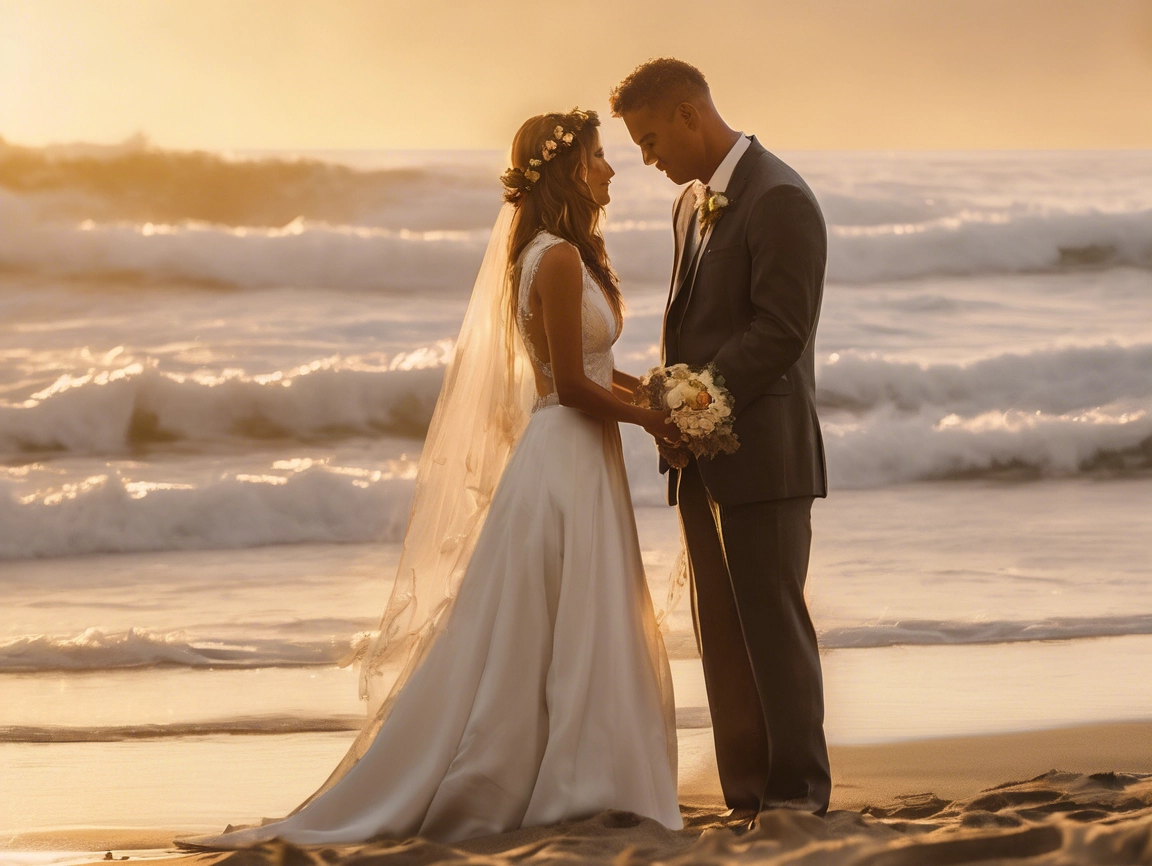
When selecting an officiant, consider their personality, their ability to connect with you as a couple, and their understanding of your religious or non-religious beliefs. For a civil ceremony, a judge or commissioner can provide a more formal experience. For a religious ceremony, your chosen clergy member will officiate. If you are opting for a secular ceremony, consider a non-denominational officiant or a friend or family member who can become a Deputy Commissioner for a Day in certain counties.
The Ceremony Itself
The legal requirements for the ceremony are minimal:
- Presence of the Couple: Both parties must be present.
- Presence of the Officiant: The authorized officiant must be present.
- Witnesses (for Public License): For a public marriage license, at least one witness must be present during the ceremony. The witness must be at least 18 years old and must sign the marriage license. For a confidential license, witnesses are not legally required.
- Declaration of Intent: During the ceremony, the couple must declare, in the presence of the officiant and witness(es) if applicable, that they take each other as husband and wife, husband and husband, or wife and wife.
Signing and Returning the License
After the ceremony, the marriage license must be signed by:
- The couple
- The officiant
- The witness(es) (if applicable)
The officiant is legally responsible for returning the signed marriage license to the County Clerk’s office within 10 days of the ceremony. For public licenses, the license is returned to the county where it was issued. For confidential licenses, it is returned to the county where it was issued.
Post-Ceremony: Obtaining Your Marriage Certificate
The marriage certificate is the official document that proves you are legally married. It’s essential for updating your name on identification, insurance, and other legal documents.
Obtaining Certified Copies
Once the County Clerk’s office has recorded your marriage license, you can request certified copies of your marriage certificate.
Where to Request
You will typically request certified copies from the County Clerk or Recorder’s office in the county where your marriage license was issued and returned. Some counties offer online ordering, mail-in requests, or in-person visits.
What You’ll Need
- Application Form: Complete the required application for certified copies.
- Identification: You may need to provide identification to prove you are one of the parties to the marriage.
- Fee: There is a fee for each certified copy.
Why You Need Certified Copies
- Name Change: Essential for updating your Social Security card, driver’s license, passport, and other official documents.
- Insurance and Benefits: Required for adding a spouse to health insurance, life insurance, or other benefit plans.
- Legal Matters: Necessary for inheritance, tax purposes, and other legal proceedings.
Special Considerations for Destination Weddings in California
California’s diverse attractions make it a dream destination for weddings. From the beaches of Malibu to the vineyards of Napa Valley, or the grandeur of San Francisco, couples often travel to celebrate their union.
Out-of-State Couples
If you are not a California resident, you can still get married in the state. The process is the same: obtain a marriage license from any California County Clerk’s office and have your ceremony performed by an authorized officiant within California. The license is valid anywhere in the state for 90 days.

Marriage in Popular California Destinations
- Los Angeles County: As the most populous county, Los Angeles has numerous County Clerk offices. Plan ahead, especially during peak wedding seasons.
- Orange County: Home to theme parks like Disneyland and beautiful coastal towns, Orange County offers many picturesque wedding venues.
- San Diego County: Known for its beautiful weather and beaches, San Diego is a popular choice for destination weddings.
- The Wine Country (Sonoma, Napa): These regions offer a romantic backdrop for vineyard weddings. You’ll need to coordinate your license application with the county where you plan to marry.
Tip: When planning a destination wedding, consider hiring a local wedding planner who is familiar with California marriage laws and local vendors. They can be invaluable in navigating the logistics.
By understanding and adhering to these legal requirements, your journey to becoming legally married in California will be smooth and stress-free, allowing you to focus on the joy of your commitment.
LifeOutOfTheBox is a participant in the Amazon Services LLC Associates Program, an affiliate advertising program designed to provide a means for sites to earn advertising fees by advertising and linking to Amazon.com. Amazon, the Amazon logo, AmazonSupply, and the AmazonSupply logo are trademarks of Amazon.com, Inc. or its affiliates. As an Amazon Associate we earn affiliate commissions from qualifying purchases.