
Establishing a new life in the picturesque state of Colorado brings with it a host of exciting opportunities—from exploring its majestic mountains and vibrant cities to embracing its unique culture. However, alongside the adventure, there are practical steps to ensure a smooth transition, one of the most crucial being the proper registration of your vehicle and obtaining Colorado license plates. For new residents, understanding this process is not merely a legal formality; it’s an essential aspect of establishing independence and seamless mobility within the state. This comprehensive guide is designed to demystify the steps, providing clear, professional, and insightful advice to help you navigate Colorado’s vehicle registration requirements efficiently. By understanding the nuances of the system, you can avoid common pitfalls, ensure compliance, and confidently embrace your new Colorado lifestyle from behind the wheel.
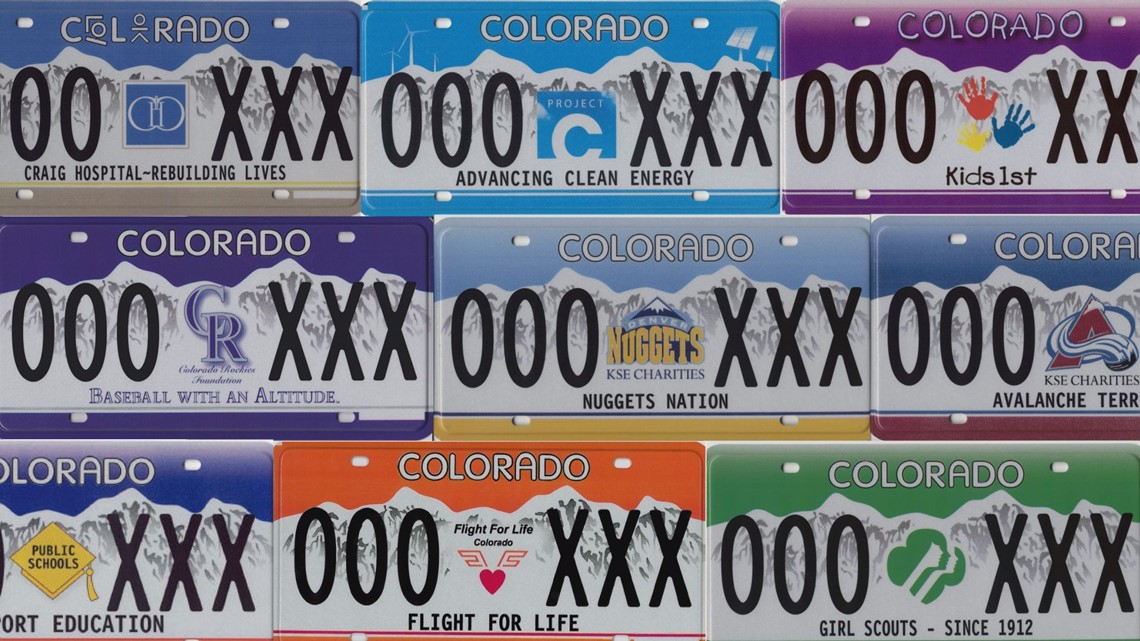
Understanding Colorado’s Vehicle Registration Landscape
Navigating the administrative landscape of a new state can often feel daunting, especially when it involves something as critical as vehicle registration. In Colorado, the process is designed to be straightforward, but it requires attention to detail and adherence to specific timelines. Understanding the underlying framework of who needs to register, which agencies are involved, and why timely registration is paramount will set you up for success.
Who Needs to Register a Vehicle in Colorado?
Essentially, anyone who considers Colorado their primary residence and operates a vehicle on its public roads is required to register that vehicle and obtain Colorado license plates. This applies to several key groups:
- New Residents: If you’ve moved to Colorado from another state, you typically have 90 days from the date you establish residency to register your vehicle. Establishing residency can be triggered by various factors, such as obtaining a Colorado driver’s license, gaining employment, or enrolling children in school. This 90-day window is critical; exceeding it can lead to penalties.
- Vehicles Purchased in Colorado: If you purchase a vehicle from a dealership in Colorado, they will often handle some of the initial paperwork for you, including temporary tags. However, the ultimate responsibility for permanent registration usually falls to the buyer within a specified timeframe, often tied to the temporary tag’s expiration.
- Vehicles Purchased Out-of-State by Colorado Residents: If you are a Colorado resident and purchase a vehicle from another state, you are also required to register it in Colorado promptly upon bringing it into the state.
Key Agencies Involved
Unlike some states where a single Department of Motor Vehicles (DMV) handles all aspects, Colorado delegates much of the vehicle registration process to county-level offices. This means your experience will largely depend on the county in which you reside:
- County Motor Vehicle Offices: These are your primary points of contact for vehicle registration. Each county, such as Denver, Boulder, El Paso County, or Larimer County, operates its own motor vehicle department. While the general requirements are consistent statewide, specific procedures, operating hours, and even required documents might have minor variations or preferences. It is always advisable to check the official website of your specific county’s motor vehicle department before your visit.
- Colorado Department of Revenue (CDOR) – Division of Motor Vehicles (DMV): While the county offices manage the day-to-day registrations, the state DMV sets the overarching policies, regulations, and maintains statewide records. They also oversee driver’s licenses and state identification cards.
The Importance of Timely Registration
Procrastination in vehicle registration can lead to several undesirable consequences, impacting your budget and peace of mind:
- Fines and Penalties: Operating an unregistered vehicle or exceeding the 90-day grace period for new residents can result in significant fines. These penalties are designed to encourage prompt compliance and are often non-negotiable.
- Legal Compliance: Driving an unregistered vehicle is illegal. In the event of a traffic stop, this can lead to citations, towing of your vehicle, and other legal complications, potentially escalating minor infractions into more serious issues.
- Insurance Implications: While your insurance company might cover an unregistered vehicle for a short period, consistent operation without proper registration could create complications in the event of an accident, potentially impacting claims.
- Lost Mobility: Without proper registration and license plates, your ability to legally operate your vehicle is severely restricted, hindering your daily commute, travel plans, and overall integration into your new Colorado lifestyle.
Essential Documents for Registration
Preparing the correct documentation is arguably the most critical step in obtaining your Colorado license plates. A single missing document can lead to delays and multiple trips to the motor vehicle office. By meticulously gathering everything in advance, you can ensure a smooth and efficient registration process.
Proof of Ownership
This is the cornerstone of any vehicle registration:
- Vehicle Title: For vehicles previously registered in another state, you must present the original vehicle title. If your title is held by a lienholder (e.g., a bank or credit union), you will need to provide a copy of the title or a letter from the lienholder confirming their possession of the original title and authorizing Colorado to issue a new one. Some counties may require additional forms to facilitate the transfer of title from your lienholder.
- Manufacturer’s Certificate of Origin (MCO): For brand-new vehicles, the MCO, also known as the Manufacturer’s Statement of Origin (MSO), serves as proof of ownership before the first title is issued. This document is typically provided by the dealership.
Proof of Identity and Residency
To ensure you are a legitimate Colorado resident, you’ll need to provide:
- Colorado Driver’s License or ID Card: This is the primary document to verify your identity and residency. If you are a new resident, you should ideally have obtained your Colorado driver’s license prior to or concurrently with your vehicle registration.
- Additional Proof of Residency: If your driver’s license is newly issued or for any reason requires supplementary proof, documents like a utility bill (electricity, gas, water), a lease agreement, mortgage statement, or a bank statement showing your current Colorado address may be required.
Evidence of Insurance
Colorado mandates that all registered vehicles have liability insurance.
- Insurance Card or Policy Declaration Page: You must present proof of current Colorado auto insurance. The policy must meet the state’s minimum liability coverage requirements. Digital proof on a mobile device is generally accepted, but having a physical copy can expedite the process.
Vehicle Emission Inspection Certificate
Not all areas in Colorado require emissions testing, but many populated Front Range counties do.
- Emissions Inspection Certificate: If you live in or primarily operate your vehicle in certain counties—including Adams, Arapahoe, Boulder, Broomfield, Denver, Douglas, and parts of Larimer County and Weld County—you will need a passing emissions inspection certificate. This inspection is typically performed by Air Care Colorado stations or authorized service centers. Be sure to check your specific county’s requirements on the Air Care Colorado website. New vehicles (typically current model year plus three years) are often exempt from the initial emissions test.
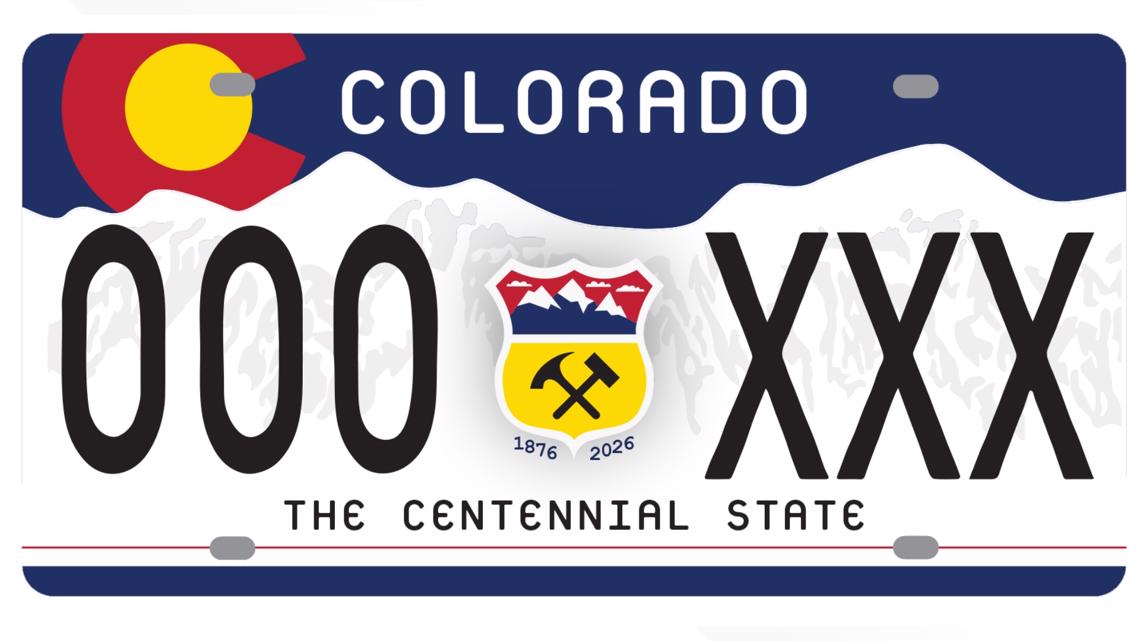
Odometer Reading Verification
For vehicles transferring ownership or being initially registered in Colorado, an accurate odometer reading is crucial.
- Physical Verification or Form: The motor vehicle office will often visually verify the odometer reading. In some cases, especially for out-of-state vehicles or if the title does not clearly state the mileage, you may need to complete a separate Odometer Disclosure Statement.
Navigating the Registration Process Step-by-Step
With your documents in hand, you’re ready to tackle the physical process of obtaining your plates. Following these steps will ensure a smooth experience at your local county motor vehicle office.
Obtain Necessary Inspections
Before you even step foot into the county office, ensure your vehicle has undergone the required checks.
- VIN Verification: For out-of-state vehicles, a Vehicle Identification Number (VIN) inspection might be necessary to confirm the vehicle’s identity. This is often done at the county motor vehicle office itself, or by a certified emissions station, law enforcement agency, or licensed dealer. Check with your specific county for preferred methods.
- Emissions Inspection: As mentioned, if you reside in a qualifying county, visit an Air Care Colorado station or authorized facility to get your vehicle tested. Ensure you receive and keep the official certificate of passing.
Gather All Required Documentation
Create a physical folder or digital compilation of all the documents listed in the previous section. Double-check each item against your county’s specific checklist (available on their website) to avoid any surprises. Having everything organized will significantly speed up your visit.
Visit Your Local County Motor Vehicle Office
This is where the rubber meets the road.
- Appointment vs. Walk-in: Many county motor vehicle offices, especially in metropolitan areas like Denver or Boulder, now encourage or require appointments. Check your county’s website (e.g., Denver Motor Vehicle, El Paso County Clerk and Recorder) to see if you need to schedule a time slot. Walk-ins are often accommodated but may involve longer wait times.
- The Process: Upon arrival, you will typically be asked to take a number or directed to a specific counter. A clerk will review all your documents, verify your identity, and enter your vehicle’s information into the state system. They will calculate the applicable fees, which include registration fees, ownership taxes, and any specific county surcharges.
Pay Fees and Receive Plates
Once your documents are verified and processed, the final steps are straightforward.
- Payment: Be prepared to pay the required fees. Colorado vehicle registration fees can vary significantly based on the vehicle’s age, weight, and taxable value, as well as any special plates you choose. Most offices accept various payment methods, including cash, checks, and major credit/debit cards, though some may charge a processing fee for card payments.
- License Plates and Registration Card: Upon successful payment, you will typically be issued your new Colorado license plates on the spot, along with a temporary registration permit and a permanent registration card. You’ll need to affix the plates to your vehicle immediately. Your physical registration card should always be kept in your vehicle.
Special Considerations and Common Scenarios
While the basic process covers most situations, certain circumstances warrant specific attention. Understanding these nuances can save you time and potential headaches.
Registering a Vehicle Purchased Out-of-State
This is a common scenario for new Colorado residents.
- Title Transfer: If your vehicle has a title from another state, you will need to present it. If a lienholder holds the title, a letter of authorization from them will be essential for Colorado to issue a new title.
- VIN Inspection: As mentioned, an out-of-state VIN verification is usually required to confirm the vehicle’s identity before it can be registered in Colorado.
- Sales Tax: Be aware that Colorado may collect sales tax on vehicles purchased out-of-state if you haven’t already paid an equivalent amount of sales tax to the state where you bought the vehicle. This is to ensure equitable taxation.
Military Personnel Registration
Colorado offers specific provisions for military members and their families.
- Exemptions: Depending on their home of record and active duty status, military personnel may be exempt from certain residency requirements or taxes. They might also have extended deadlines for registration.
- Documentation: Military ID, Leave and Earnings Statement (LES), and proof of orders will be critical documents for military personnel to present. It’s best to contact your county motor vehicle office directly or consult the Colorado DMV website for specific military-related guidelines.
Vehicle Registration Renewals
Once you have your Colorado plates, remembering to renew them is crucial.
- Annual Renewal: Colorado vehicle registrations are typically renewed annually. You will receive a renewal postcard in the mail reminding you of the upcoming expiration date.
- Online/Mail/In-Person: Renewals can often be completed online, by mail, or in person at a county motor vehicle office. Online renewal is the most convenient option for most, provided all requirements (like emissions) are met.
- Emissions Re-testing: For vehicles in emissions-mandated counties, you will need to pass another emissions test before you can renew your registration, typically every two years.
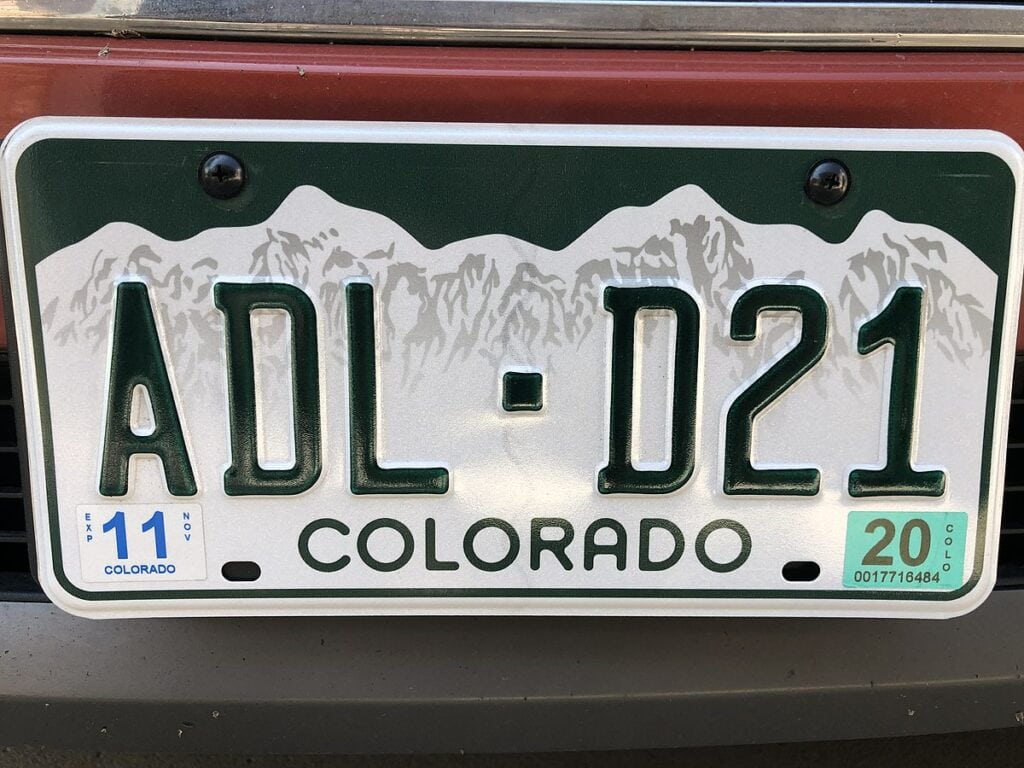
Transferring Existing Plates
In some instances, particularly when purchasing a new vehicle within Colorado, you might be able to transfer your existing license plates to the new vehicle.
- Eligibility: This is usually possible if you are replacing a vehicle and wish to keep your personalized or standard plates. A fee is typically associated with the transfer.
- Process: When registering your new vehicle, simply inform the motor vehicle clerk that you wish to transfer your existing plates. They will guide you through the necessary paperwork and update your registration to reflect the new vehicle with your old plates.
Getting license plates in Colorado is a foundational step in establishing your presence and mobility within this beautiful state. By understanding the requirements, meticulously gathering your documents, and approaching the process with an informed perspective, you can ensure a smooth and efficient experience. This administrative task, while seemingly minor, is integral to fully embracing your new Colorado lifestyle, granting you the freedom to explore everything this vibrant state has to offer, from its bustling urban centers to its serene natural landscapes.
LifeOutOfTheBox is a participant in the Amazon Services LLC Associates Program, an affiliate advertising program designed to provide a means for sites to earn advertising fees by advertising and linking to Amazon.com. Amazon, the Amazon logo, AmazonSupply, and the AmazonSupply logo are trademarks of Amazon.com, Inc. or its affiliates. As an Amazon Associate we earn affiliate commissions from qualifying purchases.