
Embarking on an entrepreneurial journey in the vibrant California landscape offers unparalleled opportunities, especially within its thriving travel, tourism, and hospitality sectors. From charming boutique hotels nestled in wine country to innovative travel agencies curating unforgettable experiences in Los Angeles or San Francisco, the Golden State is a magnet for adventurers and business owners alike. However, transforming a brilliant concept into a legally sound operation requires strategic planning. One of the most effective ways to establish a solid foundation for your venture, particularly for small to medium-sized businesses, is by forming a Limited Liability Company, or LLC.
An LLC offers a powerful blend of liability protection, tax flexibility, and operational simplicity, making it an ideal choice for entrepreneurs in the accommodation, tour operation, or lifestyle travel niches. This guide will walk you through the essential steps to get your LLC in California, tailored specifically for those looking to thrive in the state’s dynamic travel and tourism economy. Understanding these processes is not just about compliance; it’s about safeguarding your personal assets, enhancing your business’s credibility, and setting the stage for long-term success, whether you’re managing a single vacation rental or launching a full-scale resort development.
Understanding the Benefits of an LLC for Your California Travel Venture
For anyone eyeing a slice of California’s lucrative travel and tourism industry, from opening a guesthouse near Yosemite National Park to operating a series of guided tours along the Pacific Coast Highway, choosing the right business structure is paramount. An LLC stands out as a particularly advantageous entity, providing a robust framework that supports growth while mitigating risks inherent in hospitality and service-oriented businesses.
Personal Liability Protection
One of the foremost reasons entrepreneurs choose an LLC is the critical shield it provides for personal assets. In the event of legal claims, debts, or lawsuits against your business – a not-uncommon occurrence in an industry dealing directly with the public, such as managing hotels or organizing adventure tours – your personal assets (like your home, car, or personal savings) are generally protected. This separation means that your exposure is typically limited to the assets held within the LLC. For instance, if a guest at your luxury villa slips and falls, or if there’s a dispute over a cancelled travel package, your personal wealth remains distinct from the business’s liabilities. This peace of mind is invaluable, allowing you to focus on delivering exceptional guest experiences without constantly worrying about potential personal financial ruin.
Tax Advantages and Flexibility
Another significant draw of an LLC is its flexible tax treatment. By default, an LLC is considered a “pass-through” entity by the IRS. This means that the business itself does not pay federal income taxes; instead, profits and losses “pass through” to the owners’ personal tax returns, avoiding the “double taxation” that corporations can face. This can be particularly beneficial for smaller travel businesses, like a family-run inn or a solo travel consultant, simplifying tax preparation and potentially reducing the overall tax burden.
Furthermore, an LLC has the option to elect to be taxed as an S-corporation or even a C-corporation. For growing businesses, such as a multi-property accommodation group or an expanding tourism startup, electing S-corp status can lead to further tax savings by allowing owners to pay themselves a reasonable salary and take remaining profits as distributions, which are not subject to self-employment taxes. This adaptability makes the LLC a versatile choice that can evolve with your business’s financial needs and growth trajectory within the California travel market.
Enhanced Credibility and Professional Image
Operating as an LLC lends an air of professionalism and legitimacy to your business that a sole proprietorship might lack. For travel-related businesses, which often rely on trust and reputation, this can be a significant advantage. When dealing with suppliers, partners, investors, or even potential guests, presenting yourself as “[Your Business Name], LLC” instantly conveys seriousness and stability. This increased credibility can be crucial when negotiating contracts with hotel chains, securing financing for new landmarks-focused tours, or attracting discerning clients seeking high-quality travel services. It signals that your operation is formally recognized and committed to legal compliance, fostering greater confidence in your brand within the competitive California travel ecosystem.
Operational Flexibility and Simplicity
Compared to corporations, LLCs generally have fewer ongoing compliance requirements and offer greater flexibility in their internal management structure. This simplicity is particularly appealing for small teams or solo entrepreneurs running lifestyle travel blogs, local attractions guides, or niche travel planning services. Owners can customize their operating agreement to define roles, responsibilities, and profit distribution among members without the stringent formalities required of corporate boards and shareholders. This ease of operation allows entrepreneurs to quickly adapt to market changes, pivot their offerings, and make decisions efficiently, which is a valuable asset in the fast-paced travel industry. Whether you’re launching a series of food tours in Napa Valley or managing a beachfront resort in San Diego, the LLC structure provides the agility needed to succeed.
Key Steps to Forming Your California LLC
Navigating the legal intricacies of business formation can seem daunting, but breaking it down into manageable steps makes the process clear. For entrepreneurs eager to establish their mark in California’s tourism and hospitality space, understanding each stage of LLC formation is crucial.
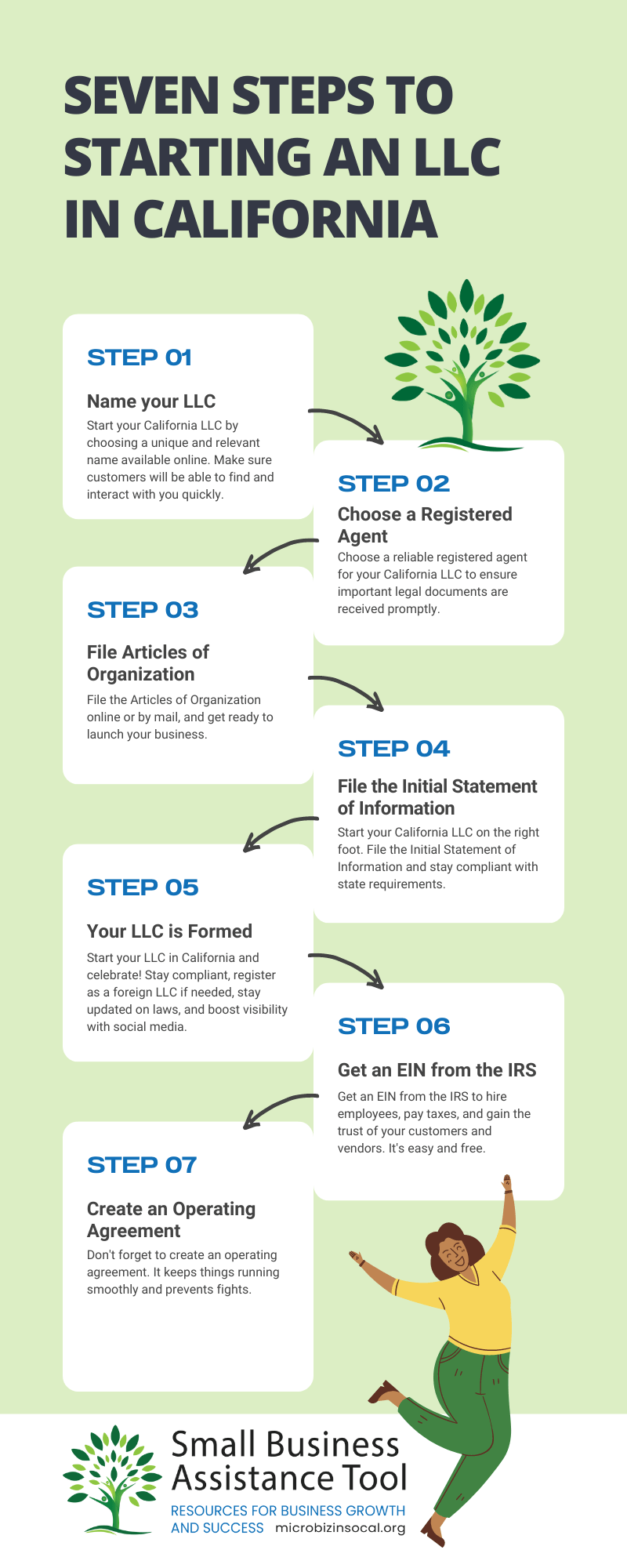
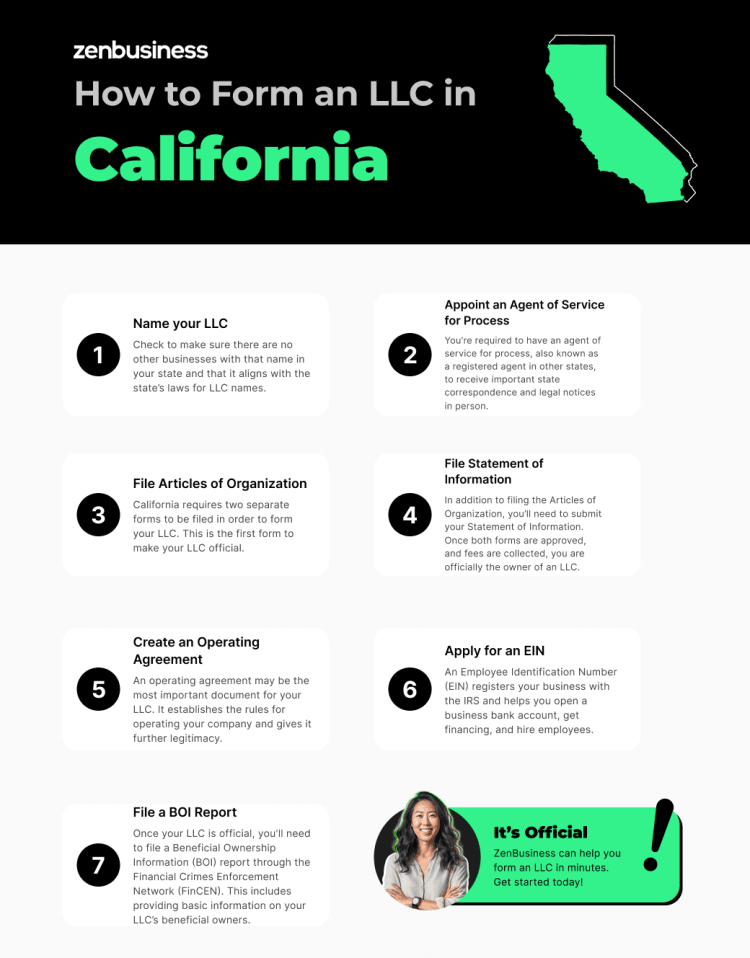
1. Choosing a Unique Name for Your Travel Brand
The first step is to select a name that is not only catchy and reflective of your travel or hotel business, but also legally available in California. Your chosen name must end with “Limited Liability Company,” “LLC,” or “L.L.C.” It cannot be deceptively similar to an existing business name on file with the California Secretary of State.
- Availability Search: Before you get too attached to a name like “Golden State Getaways LLC” or “Pacific Paradise Stays LLC,” perform a business entity name search on the California Secretary of State’s website. This ensures your desired name isn’t already in use.
- Reservation (Optional): If you’ve found an available name but aren’t ready to file immediately, you can reserve it for up to 60 days by filing a Name Reservation Request Form (Form LLC-1). This is particularly useful if you need a little more time to finalize your business plan, secure a domain name, or develop your branding, especially for a new destination management company or unique attraction.
2. Appointing a Registered Agent
Every LLC in California must designate a “Registered Agent” (also known as an “Agent for Service of Process”). This individual or corporate entity must have a physical street address in California (not a P.O. Box) and be available during regular business hours to accept legal documents, official correspondence, and service of process on behalf of your LLC.
Choosing a reliable registered agent is vital, especially for travel entrepreneurs who might be frequently on the move, scouting new locations for photo shoots or managing remote properties. While you can serve as your own registered agent, many business owners opt for a professional service. This ensures that important legal notices are always received promptly, preventing potential missed deadlines or legal issues that could disrupt your hotel operations or tour schedules.
3. Filing the Articles of Organization
This is the core document that officially creates your LLC. You file the Articles of Organization (Form LLC-1) with the California Secretary of State. The form requires basic information about your LLC, including:
- The name of your LLC.
- The street address of your registered agent in California.
- A statement that the LLC will be managed by one or more managers or by all its members.
- The effective date of the filing (if different from the submission date).
Once filed and approved, the California Secretary of State will return a stamped copy of your Articles of Organization, signifying the legal formation of your “California Dream Tours LLC” or “Coastal Stays Management LLC.” This document is your official birth certificate for your business.
4. Creating an Operating Agreement
While not legally required to file with the California Secretary of State, an Operating Agreement is perhaps the most crucial internal document for your LLC. It acts as a foundational contract among the LLC members, outlining the business’s operational and financial agreements. For multi-member LLCs, such as partners co-owning a series of apartments for long-term stays or a joint venture running ecotourism ventures, a clear operating agreement is essential to prevent future disputes.
This agreement should detail:
- Each member’s ownership percentage.
- Their respective rights and responsibilities.
- How profits and losses will be distributed.
- Voting rights and decision-making processes.
- Procedures for admitting new members or exiting the LLC.
- Contingency plans for dissolution.
Even for single-member LLCs, an operating agreement is highly recommended as it reinforces the limited liability protection and can be requested by banks or lenders when seeking funding for your budget travel startup or new hotel acquisition.
5. Obtaining an Employer Identification Number (EIN)
An EIN is a nine-digit number assigned by the IRS that functions like a Social Security Number for your business. You will need an EIN if your LLC has more than one member, if it plans to hire employees (e.g., staff for your resort or guides for your tour company), or if it elects to be taxed as a corporation.
You can obtain an EIN for free directly from the IRS website. This number is essential for opening a business bank account, filing taxes, and applying for various business licenses and permits. Having a separate business bank account is also critical for maintaining the liability protection an LLC offers, ensuring a clear distinction between personal and business finances – a best practice for any business stay provider or corporate travel agency.
Essential Post-Formation Steps and Ongoing Compliance
Forming your LLC is a significant milestone, but it’s just the beginning. To ensure your California travel or hospitality business thrives legally and financially, several post-formation steps and ongoing compliance requirements must be met. These are particularly vital in a heavily regulated industry like tourism, where consumer safety and specific local ordinances often come into play.
Business Licenses and Permits
After your LLC is officially formed, you’ll need to secure the necessary business licenses and permits at the federal, state, and local levels. The types of licenses required will depend heavily on the specific nature of your travel venture and its location within California.
- Federal Licenses: Certain travel activities might require federal permits. For example, if you operate a charter air service or specific types of interstate transportation related to group travel, federal licenses from agencies like the Federal Aviation Administration or the Department of Transportation could be necessary.
- State Licenses: California requires various state-level licenses. If you’re running a hotel, motel, or other lodging establishment, you’ll likely need licenses from the California Department of Public Health for health and safety compliance. Travel agencies may need to register with the California Attorney General’s Seller of Travel Program.
- Local Licenses: Most cities and counties in California require a general business license. For specific operations like operating restaurants within your resort, hosting events, or even operating certain types of transportation services (e.g., shuttle services for airport transfers to tourist attractions), additional local permits will be necessary. Zoning laws are also crucial for physical locations like bed and breakfasts or recreational vehicle parks. Always check with your specific city and county clerk’s office.
Failure to obtain the correct licenses can result in significant fines and legal complications, jeopardizing your tourism venture. It’s advisable to research these requirements thoroughly or consult with a business attorney specializing in California law.
Maintaining Your LLC and Annual Compliance
To keep your LLC in good standing with the state and preserve its liability protection, ongoing compliance is essential.
- Initial Statement of Information: Within 90 days of filing your Articles of Organization, your California LLC must file an Initial Statement of Information (Form LLC-12) with the California Secretary of State. This statement provides basic information about the LLC, its registered agent, and its managers/members. After the initial filing, this statement must be updated biennially (every two years).
- Annual Franchise Tax: California imposes an annual minimum franchise tax of $800 on all LLCs, regardless of income. This tax is paid to the Franchise Tax Board (FTB) and is due by the 15th day of the 4th month after the LLC’s registration with the California Secretary of State, and then annually thereafter. This is a non-negotiable cost of doing business in California, even if your travel startup generates no profit in its first year.
- Record Keeping: Maintain meticulous financial records, meeting minutes (if applicable), and copies of all legal documents. This not only aids in tax preparation but also helps demonstrate that your LLC is a separate legal entity from its owners, which is critical for upholding personal liability protection. Keeping separate bank accounts for your business and personal finances is paramount.
- Employer Obligations: If you hire employees for your hotel, tour company, or event planning service, you’ll have additional obligations, including obtaining workers’ compensation insurance, withholding payroll taxes, and complying with California’s employment laws.

Understanding California State Taxes
Beyond the annual franchise tax, your California LLC will be subject to other state taxes depending on its income and activities.
- LLC Fee (Gross Receipts Tax): LLCs with total income (gross receipts) exceeding $250,000 in a taxable year must pay an additional graduated fee to the Franchise Tax Board. This fee increases with the LLC’s gross receipts and is distinct from the $800 minimum franchise tax. Businesses such as large resorts, successful tour operators, or thriving accommodation booking platforms could be subject to this additional fee.
- Sales and Use Tax: If your LLC sells tangible personal property or provides certain taxable services, you may need to register with the California Department of Tax and Fee Administration (CDTFA) to collect and remit sales tax. For example, if your hotel sells souvenirs, or your tour company includes goods with its packages, sales tax will apply. Lodging itself is generally subject to local Transient Occupancy Taxes (TOT), not state sales tax, but these local taxes must also be collected and remitted.
- Other Taxes: Depending on your specific services, other industry-specific taxes or fees might apply. For instance, some activities related to recreational activities or luxury travel may have unique tax implications.
Navigating California’s tax landscape can be complex. Consulting with a qualified tax professional or accountant who specializes in California business taxation is highly recommended to ensure compliance and optimize your tax strategy for your travel or lifestyle business.
Forming an LLC in California is a strategic move for any entrepreneur looking to establish a robust and protected presence in the state’s dynamic travel, tourism, and hospitality sectors. By diligently following these steps, from naming your business to understanding your ongoing tax obligations, you can lay a strong foundation for your venture. This structure not only protects your personal assets but also enhances your credibility, offering the flexibility needed to adapt and thrive in a competitive market. Whether your dream is to launch a vibrant new hotel, curate unforgettable destination experiences, or manage a portfolio of unique accommodations, setting up a California LLC is your first major step towards turning that vision into a successful reality.
LifeOutOfTheBox is a participant in the Amazon Services LLC Associates Program, an affiliate advertising program designed to provide a means for sites to earn advertising fees by advertising and linking to Amazon.com. Amazon, the Amazon logo, AmazonSupply, and the AmazonSupply logo are trademarks of Amazon.com, Inc. or its affiliates. As an Amazon Associate we earn affiliate commissions from qualifying purchases.