
Navigating the landscape of obtaining a medical marijuana card in Florida involves understanding specific regulations, identifying qualified physicians, and completing the necessary application processes. This guide aims to demystify these steps, providing a clear pathway for Florida residents seeking access to medical cannabis for qualifying conditions. While the focus is on the medical card itself, understanding the context of its use, particularly within the burgeoning cannabis tourism sector in Florida, adds another layer to the experience.
Understanding Florida’s Medical Marijuana Program
Florida’s Medical Marijuana Legalization Initiative (Amendment 2) was approved by voters in 2016, paving the way for a robust medical marijuana program. The program is overseen by the Florida Department of Health (DOH) and its Office of Medical Marijuana Use (OMMU). This initiative aimed to provide relief to patients suffering from debilitating medical conditions.
Qualifying Conditions
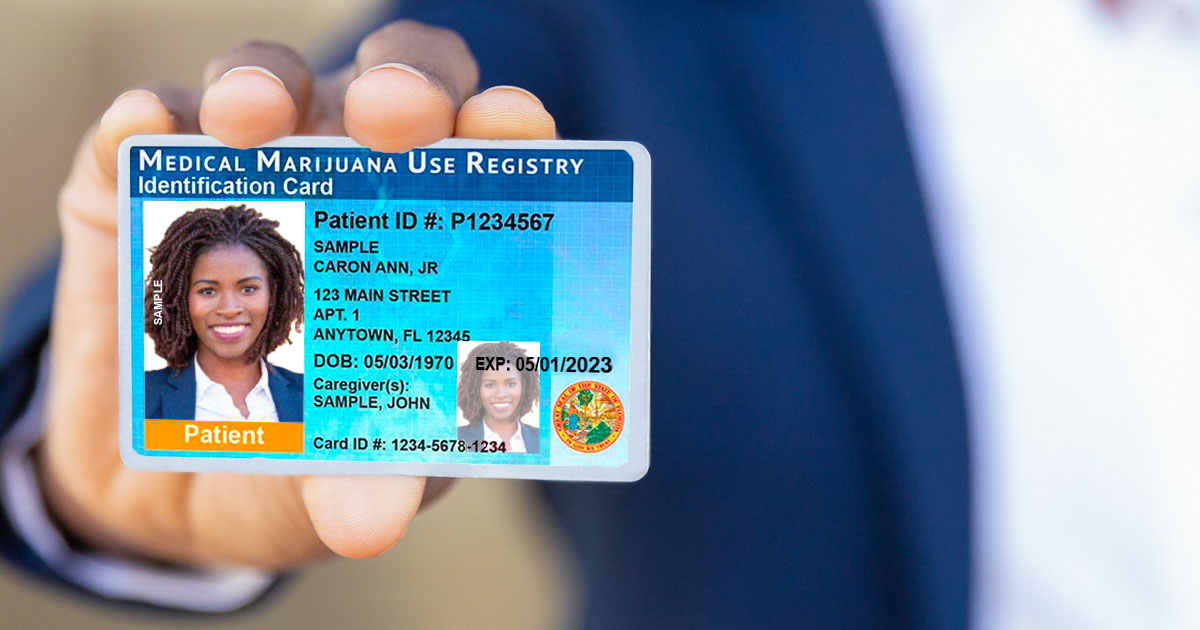
To be eligible for a medical marijuana card in Florida, a patient must have a physician’s certification for one or more of the state-approved debilitating medical conditions. These conditions are broadly defined and include, but are not limited to:
- Cancer
- Glaucoma
- HIV/AIDS
- Chronic non-malignant pain caused by a qualifying medical condition or its treatment that prevents a patient from engaging in the traditional activities of daily living or that causes significant suffering.
- Epilepsy
- Parkinson’s disease
- Multiple sclerosis
- Amyotrophic lateral sclerosis (ALS)
- Crohn’s disease
- Ulcerative colitis
- Post-traumatic stress disorder (PTSD)
- Muscle spasms
- Severe and persistent nausea
- Seizures
- Cachexia or wasting syndrome
The definition of “chronic non-malignant pain” is particularly significant, as it allows for the treatment of persistent pain not associated with a terminal illness, provided it meets the criteria of significantly impacting daily life or causing substantial suffering.
The Role of the Physician
The cornerstone of obtaining a medical marijuana card is the certification from a qualified physician. Florida law mandates that physicians must complete a specialized course and be registered with the OMMU to certify patients for medical marijuana use. These physicians are crucial in evaluating a patient’s medical history and determining if their condition qualifies under the state’s regulations.
The Application Process: Step-by-Step
The journey to acquiring a medical marijuana card in Florida is structured and requires careful attention to detail. Each step is designed to ensure compliance with state laws and to protect patient safety.
Step 1: Consultation with a Qualified Physician
The first and most critical step is to find a physician who is licensed and registered with the OMMU to recommend medical marijuana. A simple online search for “Florida medical marijuana doctor” will yield numerous results, but it’s advisable to research their credentials and patient reviews.
During the consultation, the physician will:
- Review your medical history, including any existing diagnoses and treatments.
- Discuss your symptoms and how they impact your daily life.
- Determine if your condition meets the criteria for a qualifying debilitating medical condition.
- If you qualify, the physician will enter your information into the OMMU’s patient registry and issue a physician’s certification. This certification is the primary document required for your application.
It is important to bring all relevant medical records to your appointment. This could include doctor’s notes, test results, and previous treatment plans that demonstrate the existence and severity of your qualifying condition.
Step 2: Registering with the Office of Medical Marijuana Use (OMMU)
Once you have your physician’s certification, you will need to register with the OMMU. This is done online through the OMMU’s Compassionate Use Registry Identification Card application portal.
The registration process requires you to:
- Create an account on the OMMU website.
- Upload a clear, recent photograph of yourself that meets the specifications for identification cards.
- Provide proof of Florida residency. Accepted forms of identification include a Florida driver’s license or a Florida identification card. If you do not have these, other documents such as a homestead exemption or a utility bill in your name may be accepted.
- Submit the physician’s certification number provided by your doctor.
The OMMU will review your application. If approved, they will issue a Medical Marijuana Use Registry Identification Card, commonly referred to as a medical marijuana card. This card is your official authorization to purchase and possess medical marijuana from licensed dispensaries in Florida.
Step 3: Receiving Your Medical Marijuana Card
Upon approval, your medical marijuana card will be mailed to the address you provided during registration. The processing time can vary, but typically it takes a few weeks. Some patients may receive an email confirmation with a temporary ID number that can be used to purchase marijuana while waiting for the physical card.
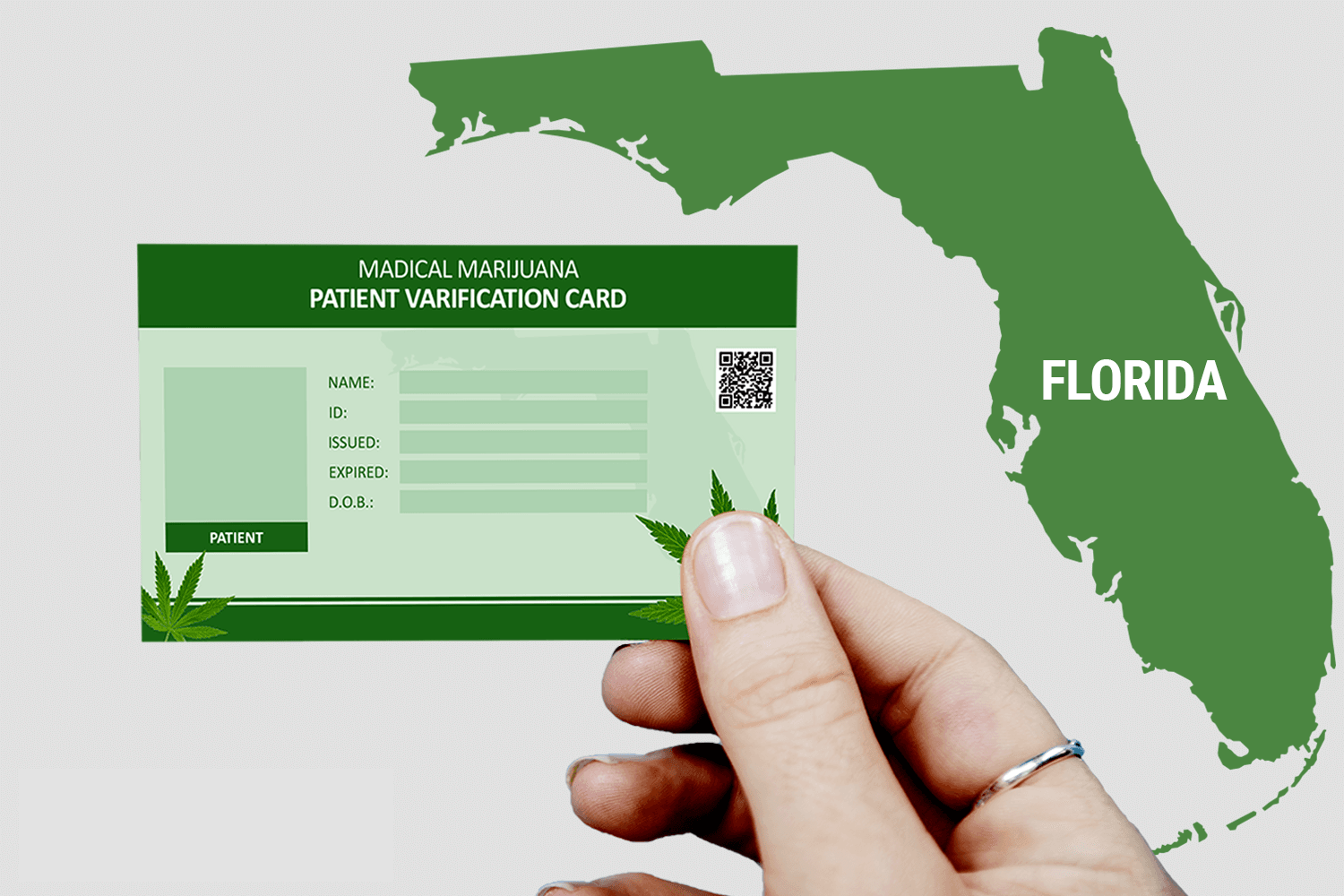
It’s crucial to keep your medical marijuana card secure and to present it whenever you visit a dispensary or if you are asked to provide proof of your medical cannabis status.
Navigating Dispensaries and Product Selection
Having a Florida medical marijuana card opens the door to a regulated market of cannabis products. Licensed dispensaries operate under strict guidelines to ensure product safety, potency, and accurate labeling.
Choosing a Dispensary
Florida has a growing number of licensed dispensaries across the state. Patients can choose any licensed dispensary, regardless of where they received their physician’s certification. Some of the well-known dispensary chains in Florida include:
When selecting a dispensary, consider factors such as location, product variety, pricing, and any patient loyalty programs they might offer. Many dispensaries also provide educational resources and consultations to help patients understand different product types and their effects.
Product Types and Consumption Methods
Medical marijuana products in Florida are available in various forms, catering to different patient needs and preferences. These include:
- Flower: The traditional form of cannabis, which can be smoked or vaporized.
- Oils and Tinctures: Concentrated cannabis extracts that can be taken orally or sublingually.
- Edibles: Food products infused with cannabis, offering a discreet and long-lasting effect.
- Vape Cartridges: Pre-filled cartridges containing cannabis oil that are used with a vaporizer pen.
- Topicals: Creams and balms applied to the skin for localized relief.
- Capsules: Oral dosage forms that offer precise and convenient administration.
The THC (tetrahydrocannabinol) and CBD (cannabidiol) content varies significantly across products. Patients should consult with their physician or a dispensary staff member to determine the most appropriate product and dosage for their specific condition and desired outcomes. It’s important to start with a low dose and gradually increase as needed, paying attention to how your body responds.
Beyond the Card: Legal Considerations and Responsibilities
Owning a medical marijuana card in Florida comes with specific legal rights and responsibilities. Understanding these nuances is crucial for responsible use and to avoid potential legal complications.
Possession Limits and Regulations
Florida law outlines specific limits on the amount of marijuana a qualified patient can possess. Generally, patients are allowed to possess a 31-day supply of marijuana, which is defined by the physician at the time of certification. This typically translates to a certain amount of flower, concentrate, or edibles, depending on the form.
It is illegal to:
- Possess more than the legally allowed amount.
- Share your medical marijuana with anyone else.
- Consume medical marijuana in public places, including beaches, parks, and on school grounds.
- Operate a vehicle or heavy machinery while under the influence of marijuana.
Travel Considerations
Traveling with medical marijuana in Florida can be complex. While you can legally possess and consume medical marijuana in private residences (provided the landlord permits it) and in licensed dispensaries, interstate travel is a significant concern. Marijuana remains illegal under federal law, and transporting it across state lines, even between states where it is legal, can lead to federal charges.
Within Florida, carrying your medical marijuana card and a supply within the legal limits is generally permissible. However, discretion is advised, and it’s always best to keep products in their original dispensary packaging. If you are staying at a hotel or resort, it is crucial to check their specific policies regarding cannabis consumption, as many may prohibit it. For instance, a hotel like the Fontainebleau Miami Beach might have strict no-smoking policies that extend to cannabis.
Renewing Your Card
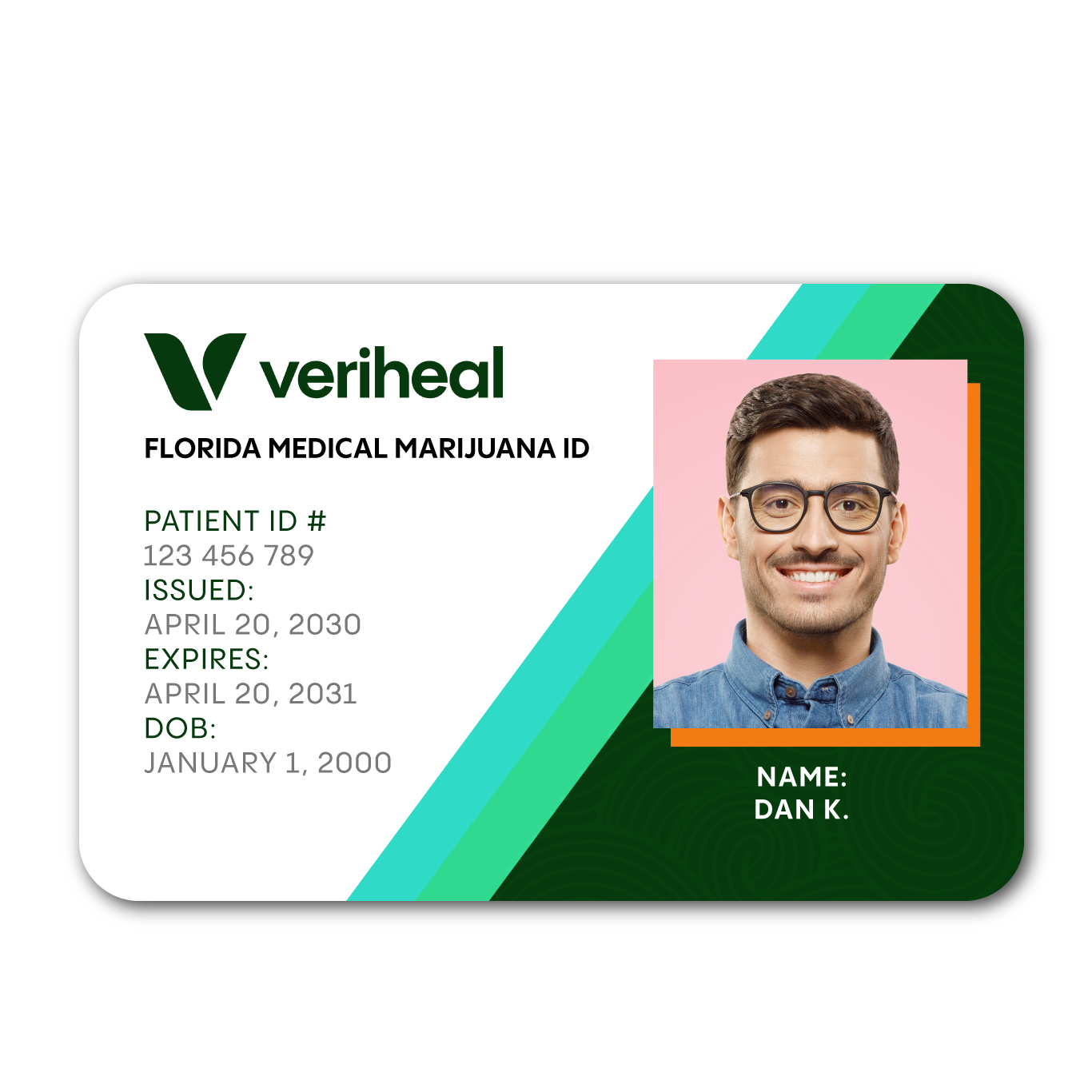
Your Florida Medical Marijuana Use Registry Identification Card is valid for one year from the date of issuance. Approximately 30 days before your card expires, you should schedule a follow-up appointment with your certifying physician to renew your certification. You will also need to reapply through the OMMU website with updated documentation.
The renewal process is similar to the initial application: a physician’s re-certification is required, and you must update your personal information and photograph if necessary. Missing the renewal deadline will result in the expiration of your card, and you will not be able to legally purchase medical marijuana until it is renewed.
The process of obtaining and maintaining a medical marijuana card in Florida is designed to provide safe and legal access to cannabis for patients with qualifying conditions. By understanding the requirements, consulting with qualified professionals, and adhering to all state regulations, patients can effectively navigate the program and access the relief they seek.
LifeOutOfTheBox is a participant in the Amazon Services LLC Associates Program, an affiliate advertising program designed to provide a means for sites to earn advertising fees by advertising and linking to Amazon.com. Amazon, the Amazon logo, AmazonSupply, and the AmazonSupply logo are trademarks of Amazon.com, Inc. or its affiliates. As an Amazon Associate we earn affiliate commissions from qualifying purchases.