
Colorado, a state celebrated for its breathtaking natural landscapes and burgeoning tourism industry, also holds a pioneering status in the realm of cannabis legalization. While recreational cannabis has long been accessible to adults, the path to obtaining a medical marijuana card in Colorado remains a crucial one for individuals seeking therapeutic benefits. This guide is designed to navigate you through the process, offering insights relevant to travelers and lifestyle enthusiasts alike who might be interested in understanding Colorado’s medical cannabis program. Whether you’re planning a visit to the majestic Rocky Mountains or considering a longer stay in vibrant Denver, understanding this aspect of Colorado’s lifestyle can enhance your experience.
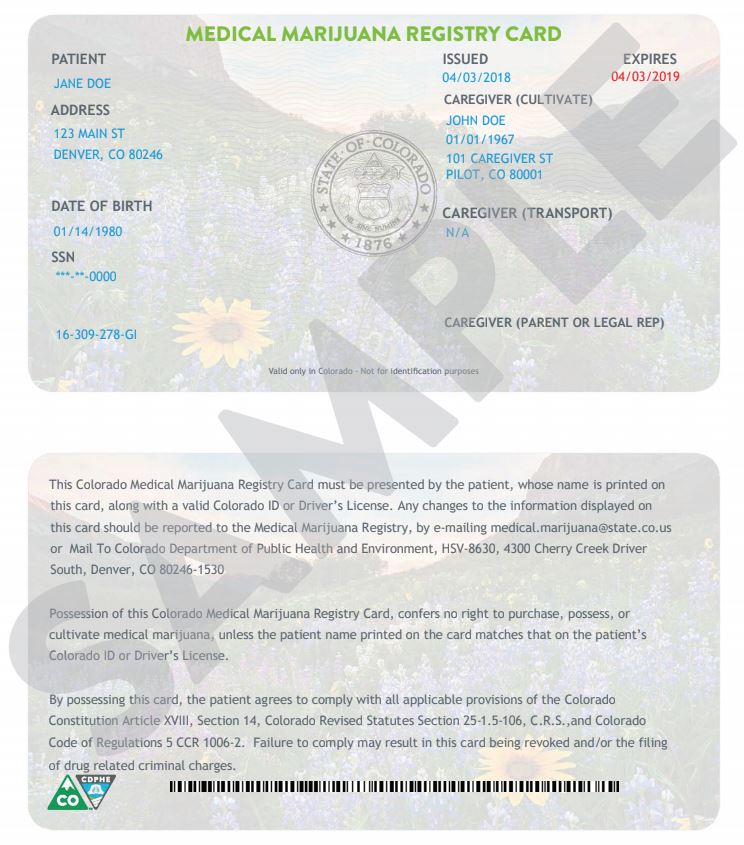
Understanding the Colorado Medical Marijuana Program
Colorado’s journey into legal cannabis began with the establishment of its medical marijuana program in 2000, predating recreational legalization by over a decade. This program was designed to provide patients with access to marijuana for documented medical conditions. The state’s commitment to this program reflects a broader understanding of cannabis as a potential therapeutic agent, aligning with a lifestyle that increasingly embraces holistic wellness and alternative treatment options. For many, particularly those managing chronic pain, epilepsy, or other debilitating conditions, a medical marijuana card represents access to relief that conventional medicine may not fully provide.
Eligibility Criteria for Medical Marijuana Patients
To qualify for a medical marijuana card in Colorado, prospective patients must meet specific criteria established by the state’s Department of Public Health and Environment. The primary requirement is that the patient must be at least 18 years old, although minors can obtain a card with parental or guardian consent and the recommendation of two physicians. Crucially, the patient must have a qualifying medical condition as recognized by Colorado law. These conditions are generally severe or debilitating and include, but are not limited to, chronic pain, cancer, glaucoma, HIV/AIDS, cachexia (wasting syndrome), severe nausea, seizures, and persistent muscle spasms.
The application process begins with a visit to a physician licensed to practice in Colorado. This physician must be registered with the Medical Marijuana Registry. During the appointment, the physician will evaluate the patient’s medical history and current condition. If the physician determines that medical marijuana is an appropriate treatment, they will issue a written recommendation, which is a cornerstone of the application. This recommendation must be specific about the patient’s qualifying condition and the physician’s belief that marijuana may alleviate their symptoms. This process underscores the medical nature of the program, distinguishing it from recreational use and aligning it with a patient-centered lifestyle focused on health and well-being.
The Application Process: From Physician’s Recommendation to State Registry
Obtaining your medical marijuana card involves a structured application process managed by the state. This process ensures that only legitimate patients with verified medical needs are granted access. For travelers or those considering a long-term stay, understanding these steps is essential for planning.
Step 1: Securing a Physician’s Recommendation
The initial and most critical step is to consult with a qualified Colorado-licensed physician. It’s important to find a doctor who is registered with the state’s Medical Marijuana Registry. Many physicians specialize in medical marijuana evaluations, and their contact information can often be found through online searches or recommendations from dispensaries. Before your appointment, gather all relevant medical records pertaining to your qualifying condition. This documentation will help the physician make an informed decision about your eligibility. Be prepared to discuss your symptoms, medical history, and how your condition impacts your daily life. The physician will conduct an examination and, if they deem it appropriate, will provide you with a written recommendation. This document is typically valid for 30 days, so it’s crucial to proceed with the state application promptly. This initial step is vital for anyone considering Colorado as a destination for health and wellness tourism, offering a regulated avenue for therapeutic cannabis.
Step 2: Submitting Your Application to the State
Once you have your physician’s recommendation, you can begin the official application process with the Colorado Department of Public Health and Environment (CDPHE). The application is primarily handled online through the CDPHE’s Medical Marijuana Registry portal. You will need to create an account to access the online system. The application will require you to upload several key documents:
- Physician’s Written Recommendation: The original or a clear copy of the signed recommendation from your Colorado-licensed physician.
- Proof of Colorado Residency: This is a critical requirement. You must prove you are a resident of Colorado to apply for a medical marijuana card. Accepted forms of proof typically include a valid Colorado driver’s license or state-issued identification card, a utility bill in your name at a Colorado address, or a lease agreement for a Colorado property. For those considering extended stays or exploring Colorado as a lifestyle destination, establishing residency is a key step in accessing these services.
- Government-Issued Photo Identification: A copy of your valid driver’s license, state ID, or passport.
You will also need to pay an application fee. The fee amount can vary, so it’s advisable to check the CDPHE website for the most current fee schedule. Submitting accurate and complete information is paramount to avoid delays or rejection of your application. The state reviews each application thoroughly to ensure all requirements are met, maintaining the integrity of the medical program.
Step 3: Waiting for Approval and Receiving Your Card
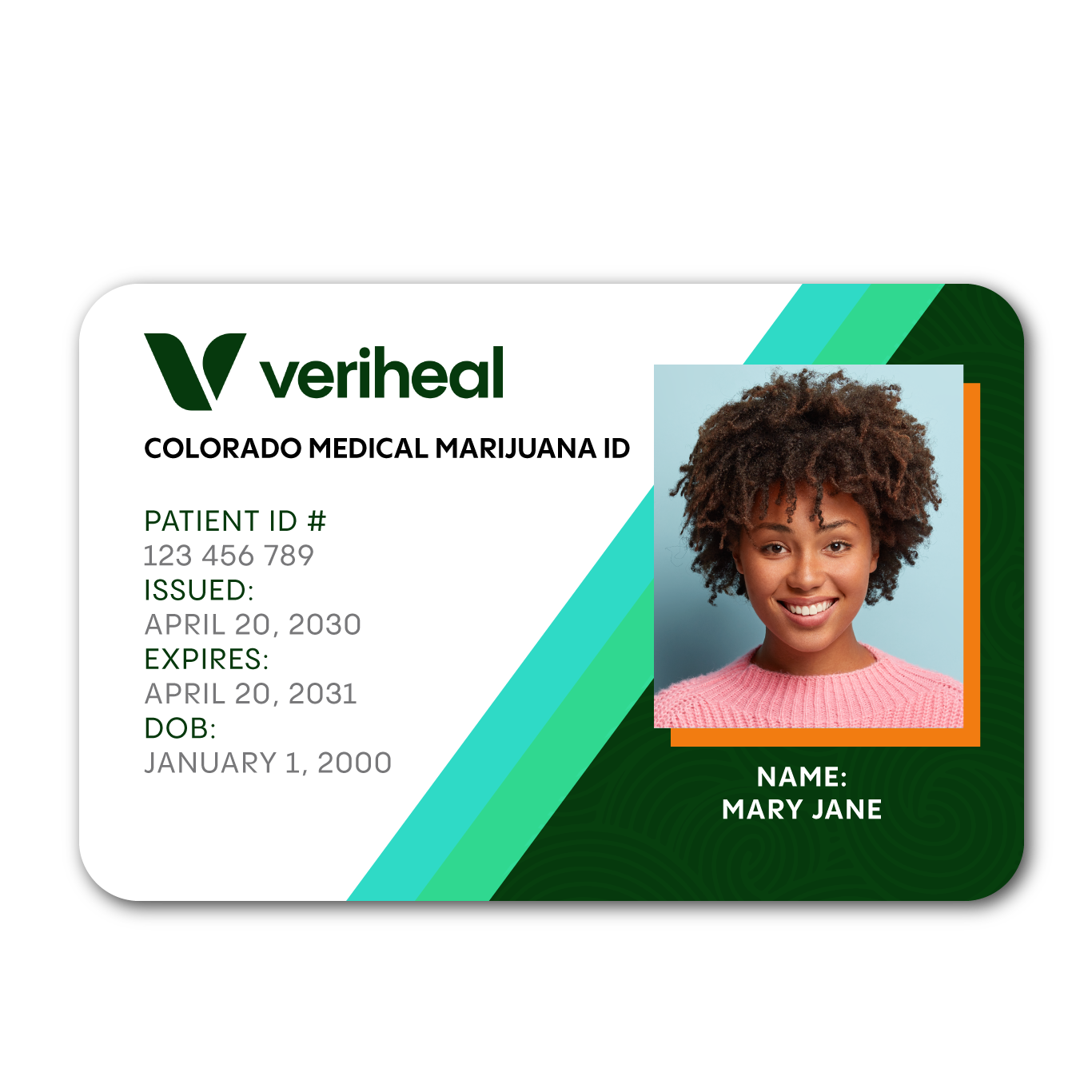
After submitting your application and all supporting documents, the CDPHE will review your submission. The processing time can vary, but it typically takes a few weeks. You will be notified via email or mail once your application has been approved or if any further information is required. Upon approval, your official Colorado Medical Marijuana Registry card will be mailed to the address you provided.
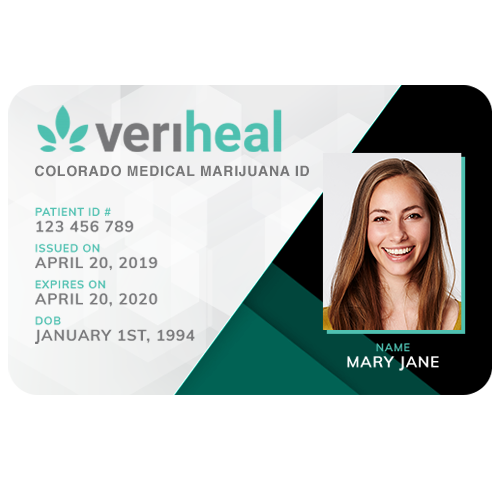
This card serves as your legal authorization to purchase and possess medical marijuana from licensed dispensaries in Colorado. It’s important to keep your card with you at all times when you are in possession of medical marijuana. The card is usually valid for one year, after which you will need to go through the renewal process, which involves obtaining a new physician’s recommendation and reapplying through the state registry. The renewal process mirrors the initial application, ensuring ongoing compliance with medical necessity and residency requirements, supporting a consistent approach to health management for patients.
Navigating Colorado’s Dispensaries and Consumption Guidelines
Possessing a medical marijuana card in Colorado opens up a world of regulated dispensaries and specific consumption guidelines, crucial for responsible use and a positive experience, whether you are a visitor exploring the state’s tourism offerings or a resident embracing a new lifestyle.
Visiting Licensed Medical Dispensaries
With your Colorado Medical Marijuana Registry card in hand, you gain access to licensed dispensaries across the state. These establishments are specifically authorized to serve registered medical patients. Unlike recreational dispensaries, medical dispensaries often have a wider selection of products tailored to specific medical needs and may offer lower prices or tax rates for cardholders.
When you visit a dispensary, you will be asked to present your medical marijuana card and a valid government-issued photo ID. The staff, often referred to as “budtenders,” are knowledgeable about the various strains, forms, and potencies of medical cannabis available. They can provide guidance on products that may be suitable for your specific condition and symptoms, helping you make informed choices. It’s a good practice to discuss your needs and any concerns you might have with them. Some dispensaries also offer educational resources and workshops on medical cannabis use, further enhancing the patient experience. Exploring these dispensaries can be an integral part of understanding Colorado’s unique lifestyle and its approach to patient-focused wellness.
Understanding Consumption Laws and Etiquette
Colorado has strict laws regarding the consumption of marijuana, whether medical or recreational. It is illegal to consume marijuana in public places, including parks, sidewalks, and on federal land. Consumption is generally restricted to private residences. Hotels and other accommodations may have specific policies regarding cannabis use, so it’s always best to check with the establishment before consuming on their property. For instance, while some suites or apartments might allow it, most resorts will prohibit it.
Possession limits are also in place. Medical marijuana patients are generally allowed to possess up to two ounces of usable marijuana. It is also illegal to transport marijuana across state lines, regardless of whether you are traveling to a state where it is legal. Driving under the influence of marijuana is illegal in Colorado, just as driving under the influence of alcohol is. Always consume responsibly and be aware of the local laws and etiquette to ensure a safe and legal experience. Adhering to these guidelines is crucial for respecting local regulations and contributing to a positive environment for both residents and tourists interested in Colorado’s innovative approach to cannabis.
LifeOutOfTheBox is a participant in the Amazon Services LLC Associates Program, an affiliate advertising program designed to provide a means for sites to earn advertising fees by advertising and linking to Amazon.com. Amazon, the Amazon logo, AmazonSupply, and the AmazonSupply logo are trademarks of Amazon.com, Inc. or its affiliates. As an Amazon Associate we earn affiliate commissions from qualifying purchases.