
Embarking on the journey to obtain a motorcycle license in California is more than just a bureaucratic process; it’s an initiation into a lifestyle marked by unparalleled freedom, breathtaking scenic routes, and a vibrant community of fellow enthusiasts. For many, the open road on two wheels represents the ultimate escape, a personal challenge, and a profound connection with the landscape. California, with its diverse topography ranging from coastal highways to mountain passes and desert expanses, offers an ideal playground for motorcyclists. Navigating the requirements set forth by the California Department of Motor Vehicles (DMV) can seem daunting, but with a clear understanding of each step, you can smoothly transition from an aspiring rider to a licensed one. This comprehensive guide will walk you through everything you need to know, from initial eligibility to passing your skills test, ensuring your path to two-wheeled adventure is as smooth as the asphalt beneath your tires.

The Path to Two-Wheeled Freedom: An Overview
The allure of motorcycling in California is undeniable. Imagine cruising down the Pacific Coast Highway, winding through the vineyards of Napa Valley, or exploring the vast beauty of national parks like Yosemite and Joshua Tree on a motorcycle. This lifestyle offers a unique perspective, a sense of adventure, and an immediate connection to your surroundings that few other forms of travel can match. But before you can experience these exhilarating rides, you must first earn your stripes – specifically, a Class M1 or M2 license.
Why California is a Motorcyclist’s Paradise
California’s diverse geography and consistently pleasant weather create an ideal environment for year-round motorcycling. From the sun-drenched beaches of Southern California to the majestic redwood forests of the north, every ride is an opportunity for discovery. The state boasts an impressive network of roads and highways, many of which are renowned globally for their beauty and riding quality. Beyond the natural beauty, California also hosts numerous motorcycle events, rallies, and clubs, fostering a strong sense of community among riders. This vibrant scene adds another layer to the motorcycling lifestyle, offering opportunities for camaraderie and shared experiences. However, enjoying these benefits responsibly requires a proper license, ensuring you possess the necessary skills and knowledge to navigate the roads safely.
Understanding the California Department of Motor Vehicles (DMV) Process
The process of obtaining a motorcycle license in California involves a few distinct stages, primarily focused on proving your knowledge of traffic laws and your ability to operate a motorcycle safely. The DMV requires applicants to demonstrate both theoretical and practical proficiency. While the exact steps might vary slightly depending on your age, the general framework includes: obtaining a learner’s permit, completing a safety training course (which can sometimes waive the riding test), and ultimately passing a skills examination. Each step is designed to equip you with the confidence and competence needed to ride responsibly.
Prerequisites and the Learner’s Permit
The initial phase of your journey to licensure begins with meeting basic eligibility requirements and securing a motorcycle learner’s permit. This permit allows you to practice riding under certain restrictions, giving you the necessary experience before taking the final licensing tests.
Eligibility Requirements: Age and California Driver’s License
To apply for a motorcycle license in California, you generally need to meet specific age requirements and, in most cases, already possess a valid California Driver’s License.
- 18 years old or older: If you are 18 or older, you must apply for a Class M1 or M2 instruction permit. This permit is valid for 12 months.
- Under 18 years old: If you are between 15½ and 18, you must already have a provisional California Driver’s License and complete a motorcycle driver training course approved by the DMV (the California Motorcyclist Safety Program, or CMSP). You must also hold your instruction permit for at least six months before applying for the full license.
Having an existing driver’s license indicates a foundational understanding of road rules, which is crucial for safe motorcycling.
The Written Knowledge Test: What to Expect
Before you can obtain your instruction permit, you must pass a written knowledge test at the DMV. This test assesses your understanding of traffic laws, road signs, and specific motorcycle safety information. The questions are derived from the California Driver Handbook and, more specifically, the California Motorcycle Handbook. It’s imperative to study both of these resources thoroughly. The motorcycle handbook, in particular, covers critical topics such as safe riding practices, identifying hazards, lane positioning, and how to operate a motorcycle in various conditions. Passing this test demonstrates your theoretical readiness to ride safely and legally.
The Importance of the California Motorcyclist Safety Program (CMSP)
The California Motorcyclist Safety Program (CMSP) is a cornerstone of motorcycle licensing in California. It offers comprehensive rider training courses designed to teach essential riding skills and safety principles.
Under 21: Mandatory Enrollment
If you are under 21 years old, completing a CMSP course is mandatory before you can obtain your motorcycle license. This requirement emphasizes the state’s commitment to ensuring younger riders receive formal training to mitigate risks associated with inexperience. The course typically includes both classroom instruction and hands-on riding practice, often using training motorcycles provided by the program.
Over 21: Highly Recommended and Skill Test Waiver
For applicants 21 and older, completing a CMSP course is not mandatory, but it is highly recommended. More importantly, successful completion of the Basic RiderCourse (BRC) within the CMSP can waive the mandatory DMV motorcycle skills test. This is a significant advantage, as the DMV riding test can be challenging for some, and the structured environment of a safety course provides excellent preparation. Furthermore, the skills learned in a CMSP course go far beyond what’s required for the test, instilling a strong foundation of safe riding habits that will serve you throughout your motorcycling life.
Navigating Permit Restrictions
Once you have your motorcycle instruction permit, you are allowed to practice riding, but with certain restrictions designed to ensure your safety and the safety of others. These typically include:
- No passengers allowed.
- No freeway riding.
- No night riding.
- You must wear a helmet.
- You must avoid carrying passengers.
- You cannot ride on roads with speed limits over 55 mph (unless specifically allowed by local ordinance).
These restrictions are in place to help you gain experience in lower-risk environments before you’re fully licensed. Use this permit period wisely to practice fundamental skills like starting, stopping, turning, and clutch control in safe, controlled settings.
Mastering the Skills Test and Final Licensing
With your permit in hand and plenty of practice under your belt, the next major hurdle is demonstrating your riding proficiency through the DMV motorcycle skills test, or leveraging your CMSP completion for a waiver.
Preparing for the DMV Motorcycle Skills Test
The DMV motorcycle skills test is a practical examination designed to assess your ability to control a motorcycle in various low-speed maneuvers. It evaluates your balance, coordination, and judgment.
Test Maneuvers: Control and Balance
The test typically involves a series of exercises performed in a designated area. These usually include:
- Pre-trip inspection: Demonstrating knowledge of your motorcycle’s controls and safety checks.
- Serpentine ride: Weaving through a series of cones, testing slow-speed control and turning.
- Circle ride: Riding in a figure-eight pattern or a tight circle, assessing balance and steering.
- Slow ride: Maintaining balance at very low speeds.
- Gear shift: Smoothly accelerating and shifting gears.
- Quick stop: Demonstrating effective emergency braking.
- Obstacle avoidance: Swerving to avoid an imaginary obstacle.
Practicing these specific maneuvers extensively is crucial for success. Set up cones or use chalk to draw out the patterns in a safe, empty parking lot.
Motorcycle Requirements for the Test
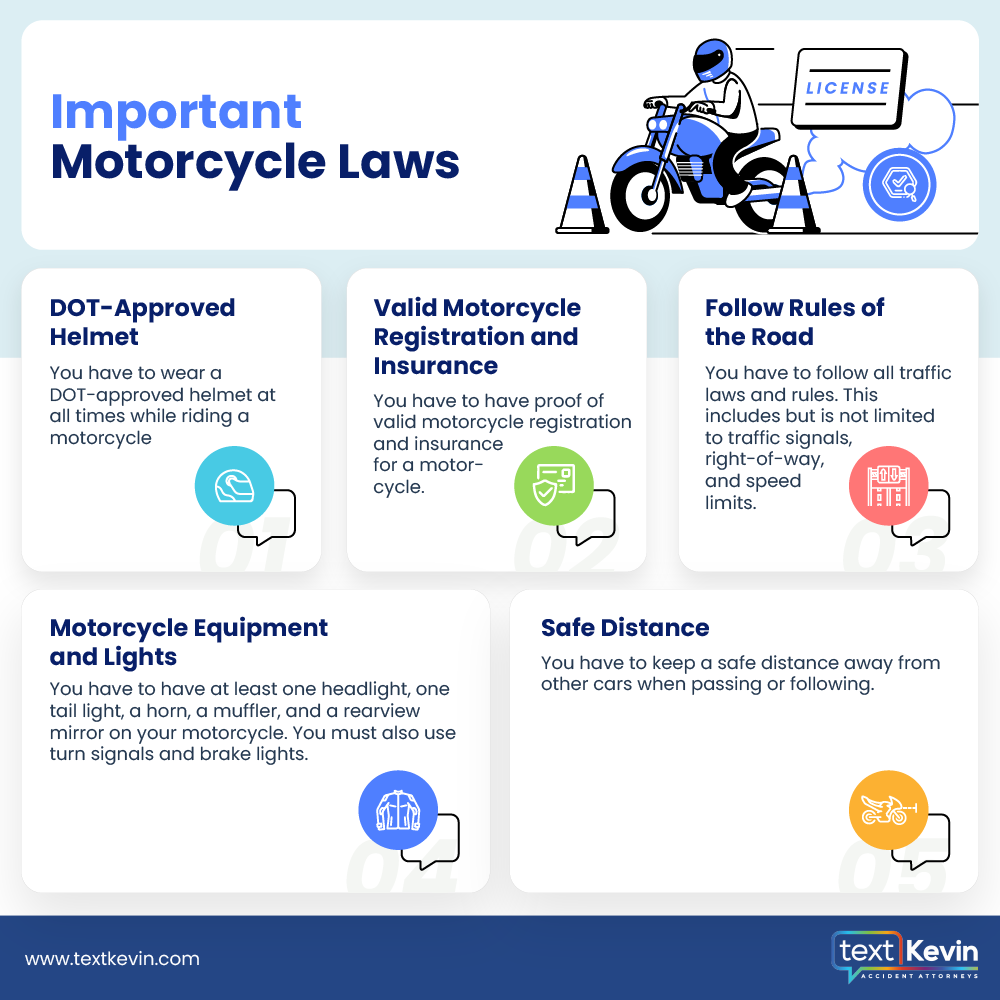
When you arrive for your skills test, you must bring a street-legal motorcycle that is properly registered and insured. It should be in good working order, with functional headlights, taillights, turn signals, and brakes. You will also need to wear a DOT-approved helmet and other appropriate riding gear, such as gloves, sturdy shoes, and long pants. The DMV examiner will check these items before allowing you to proceed with the test.
The Alternative: CMSP Completion and Waiver
As mentioned, if you are 21 or older and successfully complete the CMSP Basic RiderCourse, you can present your completion certificate to the DMV to waive the skills test. This is often the preferred route for many, as the course provides structured instruction and a supportive learning environment, often leading to a higher success rate than attempting the DMV test without formal training. The skills learned in the CMSP are invaluable for real-world riding.
The Final Steps: Application and Fees
Once you’ve passed the written knowledge test and either completed the CMSP or passed the DMV skills test, you’re on the home stretch. You will need to return to the DMV with your permit, any necessary certificates, proof of identity and residency, and pay the application fee. They will then process your application, take your photo, and issue you a temporary license. Your official motorcycle license will typically be mailed to you within a few weeks. Congratulations, you are now a licensed motorcyclist in California!
Essential Tips for Aspiring Riders
Beyond the official steps, there are several practical considerations that will enhance your safety, comfort, and enjoyment as a new motorcyclist. Embracing the motorcycling lifestyle means more than just having a license; it means adopting a mindset of continuous learning and responsibility.
Investing in Proper Riding Gear
Proper riding gear is non-negotiable for safety. A DOT-approved helmet is legally required in California and is your most important piece of safety equipment. Beyond the helmet, consider:
- Jacket and Pants: Made from abrasion-resistant materials like leather or specialized textiles with armor inserts for impact protection.
- Gloves: Protect your hands in a fall and improve grip.
- Boots: Over-the-ankle boots provide crucial ankle protection.
Investing in quality gear is an investment in your safety and comfort, allowing you to ride with greater confidence.
Practice Makes Perfect: Safe Riding Habits
Even after you’re licensed, your learning journey has just begun. Continuously practice your riding skills in varied environments. Focus on defensive riding techniques:
- Maintain Awareness: Always be aware of your surroundings, checking mirrors frequently and performing head checks.
- Anticipate Hazards: Look far ahead and anticipate potential dangers from other vehicles, road conditions, and pedestrians.
- Lane Positioning: Use smart lane positioning to maximize your visibility to other drivers and provide an escape route.
- Braking and Swerving: Practice emergency braking and swerving techniques in a safe, controlled environment.
The more you practice, the more intuitive and safe your riding will become.
Understanding Insurance and Registration
Before you hit the open road, ensure your motorcycle is properly insured and registered with the DMV. California requires all vehicles to carry minimum liability insurance. Research different insurance providers to find a policy that fits your needs, considering additional coverage like collision and comprehensive. Proper registration ensures your motorcycle is legally allowed on public roads.
Joining the California Motorcycle Community
One of the most rewarding aspects of the motorcycling lifestyle in California is the vibrant community. Joining local motorcycle clubs, attending rallies, or participating in group rides can enrich your experience, provide opportunities for learning from experienced riders, and forge lasting friendships. The collective knowledge and shared passion within the community are invaluable resources for new riders.
Beyond the License: Embracing the Open Road
With your license secured and your gear ready, the real adventure begins. California’s open roads beckon, promising countless opportunities for exploration and enjoyment.
Exploring California’s Scenic Routes
California offers an unparalleled array of scenic routes perfect for motorcycling. From the twists and turns of Highway 1 along the coast, offering stunning ocean vistas, to the challenging mountain passes of the Sierra Nevada, each ride is an experience in itself. Plan weekend trips to destinations like Big Sur, Lake Tahoe, or even the desert landscapes surrounding Palm Springs. These rides are not just about reaching a destination; they are about the journey, the freedom, and the profound connection you feel with your environment.
Continuous Learning and Advanced Training
The journey of a motorcyclist is one of continuous learning. Consider taking advanced rider training courses even after you’ve obtained your license. Programs like the Motorcycle Safety Foundation (MSF) Advanced RiderCourse or specific track day training can significantly enhance your skills, confidence, and ability to handle challenging riding situations. The more skilled and knowledgeable you become, the safer and more enjoyable your motorcycling lifestyle will be. Embrace the freedom of the open road, but always ride responsibly and with respect for the journey ahead.
LifeOutOfTheBox is a participant in the Amazon Services LLC Associates Program, an affiliate advertising program designed to provide a means for sites to earn advertising fees by advertising and linking to Amazon.com. Amazon, the Amazon logo, AmazonSupply, and the AmazonSupply logo are trademarks of Amazon.com, Inc. or its affiliates. As an Amazon Associate we earn affiliate commissions from qualifying purchases.