
Navigating a new state, whether for a permanent move, an extended stay, or even seasonal residence, often comes with a host of logistical challenges. Among the most critical for anyone planning to drive is securing a local driver’s license. For those setting roots or spending significant time in the Sunshine State, understanding “How To Get My Florida Drivers License” is not just a convenience, but a necessity for independent travel and daily life. Florida, with its vast landscapes, dispersed attractions, and car-centric infrastructure, makes a personal vehicle almost indispensable. This comprehensive guide aims to demystify the process, providing a clear, step-by-step roadmap to obtaining your Florida driver’s license, ensuring you can explore everything from the vibrant beaches of Miami to the serene springs of Central Florida with ease and legality.
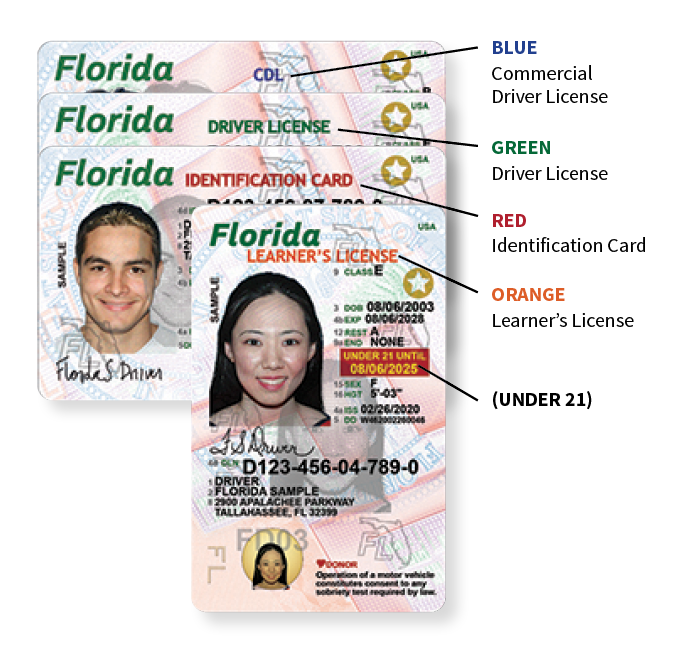
The process, while seemingly daunting, is straightforward once you understand the requirements and procedures set forth by the Florida Department of Highway Safety and Motor Vehicles (DHSMV). This article will walk you through eligibility, required documentation, the application journey, and crucial tips to ensure a smooth experience, turning what could be a bureaucratic hurdle into a simple administrative task.
Eligibility and Documentation: Laying the Groundwork
Before you even think about stepping into a DHSMV office, it’s paramount to understand who needs a Florida license and, crucially, what documents you’ll need to present. Proper preparation at this stage can save immense time and frustration.
Who Needs a Florida License?
Generally, if you establish residency in Florida, you are required to obtain a Florida driver’s license within 30 days of becoming a resident. Establishing residency typically means:
- Registering to vote in Florida.
- Filing for homestead exemption on property in Florida.
- Enrolling your children in public school in Florida.
- Accepting employment in Florida.
- Residing in Florida for more than six consecutive months.
Even if you are not a permanent resident but plan an extended stay and wish to drive legally, understanding these requirements is crucial. Visitors from other countries might be able to drive with an international driving permit and their valid foreign license for up to one year, but for longer periods, a Florida license becomes necessary.
Gathering Your Essential Documents
The DHSMV operates under the “3-Proofs” rule, requiring applicants to provide specific documentation to prove their identity, Social Security number, and residential address. Failing to bring the correct documents is the most common reason for delays.
-
Primary Identification: You’ll need one document from this category. Acceptable documents include:
- Original or certified copy of your birth certificate (issued by a government agency, not a hospital).
- Valid United States passport or passport card.
- Certificate of Naturalization or Citizenship.
- Valid alien registration receipt card (Green Card).
- Employment authorization card.
- Valid foreign passport with an appropriate visa and an I-94 form (for non-U.S. citizens).
-
Proof of Social Security Number (SSN): You’ll need one document. Examples include:
- Your Social Security card.
- W-2 form.
- Pay stub showing your SSN.
- Social Security Administration (SSA) statement.
- Important: The name on your SSN document must match the name on your primary identification. If there’s a discrepancy due to marriage, divorce, or other reasons, you’ll need to provide supporting legal documentation (e.g., marriage certificate, divorce decree).
-
Proof of Residential Address (Two Documents): These demonstrate that you currently live in Florida. You need two different documents from this list. They must display your current residential address (P.O. Boxes are not accepted) and your name. Examples include:
- Deed, mortgage, monthly mortgage statement, or residential rental/lease agreement.
- Utility bills (water, electric, gas, cable, internet) from two different companies or two statements from the same company for consecutive months.
- Automobile insurance policy or bill.
- Current automobile registration or title.
- Mail from financial institutions (checking, savings, investment account statements) within the last year.
- Mail from local, state, or federal government agencies.
- School transcript or report card (for students).
- Professional license issued by a Florida government agency.
It is crucial to bring original documents or certified copies; photocopies are typically not accepted. When in doubt, err on the side of bringing more documentation than you think you need.
Specifics for Non-US Citizens
For non-U.S. citizens, the process includes an additional layer of verification. You’ll need to provide your valid foreign passport with an appropriate visa and your most recent I-94 form (Arrival/Departure Record). The DHSMV utilizes the Systematic Alien Verification for Entitlements (SAVE) system to verify immigration documents, which can sometimes extend the processing time. It’s advisable to ensure your visa status is active and that all immigration documents are readily available and up-to-date.
Navigating the Application Process
With your documents in hand, the next step is to tackle the application process itself. This typically involves a visit to a DHSMV office or a local Tax Collector’s Office that provides driver’s license services.
Locating Your Local DHSMV or Tax Collector’s Office
The Florida DHSMV website is your primary resource for finding the nearest service center. Many offices now recommend or require appointments, especially for driver’s license services, to manage wait times. Booking an appointment online can significantly streamline your visit. Be sure to check the specific services offered at your chosen location, as not all offices handle all types of transactions.
The Application Form and Fees
Upon arrival (or sometimes online, depending on the office), you’ll complete a driver’s license application form. This form collects your personal information and declarations regarding your driving history and medical fitness. There will also be a fee for the initial issuance of your driver’s license, which varies depending on the type of license and whether you are a first-time applicant or transferring an out-of-state license. Check the DHSMV website for the most current fee schedule.
Vision and Hearing Tests
All applicants for a Florida driver’s license must pass a vision test. This typically involves reading letters or numbers on an eye chart. If you wear corrective lenses, be sure to bring them and wear them during the test. There is also a basic hearing standard, though a formal hearing test is less common unless there are specific concerns. If you fail the vision test, you may be required to get an eye exam from a licensed optometrist or ophthalmologist and provide a report to the DHSMV.
Knowledge Exam: What to Study
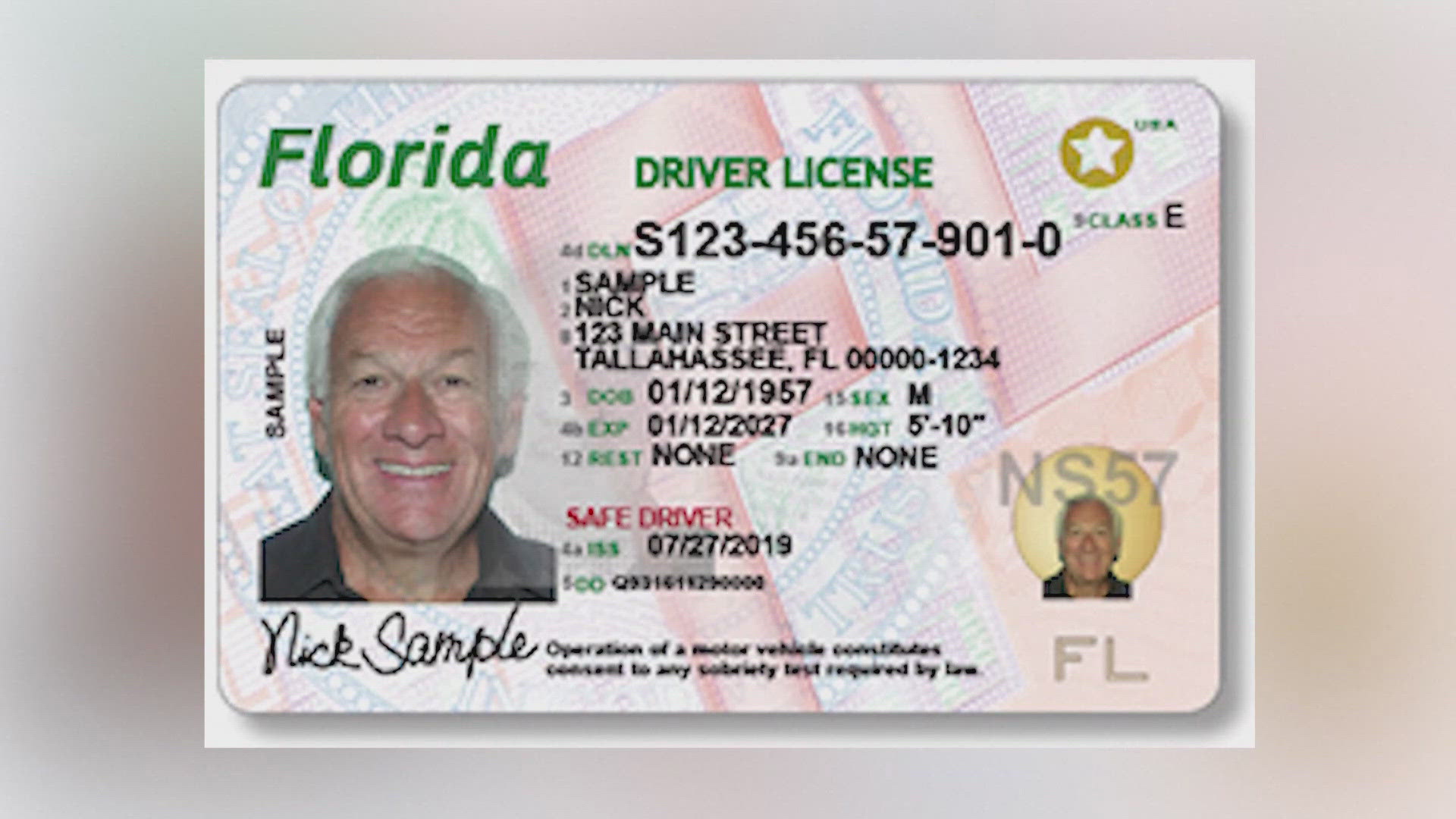
Unless you are transferring a valid driver’s license from another state, you will generally need to pass a Class E Knowledge Exam. This test assesses your understanding of Florida traffic laws, road signs, and safe driving practices.
- Study Material: The official Florida Driver Handbook is the definitive source for all information covered on the test. It’s available for free download on the DHSMV website.
- Practice Tests: Numerous online practice tests can help you prepare and gauge your readiness.
- Format: The exam typically consists of 50 multiple-choice questions. You must answer at least 40 questions correctly (80%) to pass.
Driving Skills Test (Road Test)
The driving skills test, or road test, is required for first-time drivers and may be waived for individuals transferring a valid out-of-state license, depending on their driving history and the validity of their previous license.
- Requirements: You must provide a vehicle that is properly registered, insured, and in safe working condition for the test. The vehicle must pass a brief inspection before the test begins.
- What to Expect: A DHSMV examiner will accompany you, evaluating your ability to safely operate a vehicle and obey traffic laws. The test covers various maneuvers, including turns, lane changes, parking, stopping, backing up, and demonstrating proper use of signals and mirrors. The examiner will look for safe driving habits, adherence to speed limits, and overall control of the vehicle.
- Preparation: Practice driving in various conditions, familiarize yourself with common test routes in the area if possible, and ensure your vehicle is ready.
Special Considerations and Tips for Success
Beyond the basic steps, several specific scenarios and proactive measures can further smooth your path to obtaining a Florida driver’s license.
First-Time Drivers and Learner’s Permits
If you are 18 years or older and have never held a driver’s license, you must first complete a Traffic Law and Substance Abuse Education (TLSAE) course. This 4-hour course covers the dangers of drug and alcohol abuse while driving, Florida traffic laws, and safe driving techniques. After completing the TLSAE, you can take the Class E Knowledge Exam.
For those under 18, the process is slightly different, starting with a Learner’s Permit, which requires holding the permit for at least 12 months without major traffic convictions, accumulating 50 hours of supervised driving (10 at night), and passing the road test.
Transferring an Out-of-State License
If you are moving to Florida with a valid driver’s license from another U.S. state, territory, or district, you generally do not need to take the knowledge or driving skills tests. You will still need to provide your primary identification, proof of Social Security number, and two proofs of residential address. Your out-of-state license will be surrendered when you receive your new Florida license.
Preparing for Your Tests
Success on both the knowledge and road tests comes down to diligent preparation.
- Knowledge Test: Read the Florida Driver Handbook multiple times. Don’t just skim it; understand the rules and regulations. Take advantage of free online practice tests to identify areas where you need more study.
- Road Test: Practice, practice, practice. Drive in various conditions, practice parking maneuvers, and ensure you are comfortable with basic vehicle controls. If possible, have an experienced driver observe your practice sessions and provide feedback. Remember to be courteous, follow all traffic laws, and demonstrate confident yet safe driving.
What to Do After You Get Your License
Once you successfully complete all requirements, you will be issued a temporary paper license, with your permanent card mailed to your residential address within a few weeks. Keep the temporary license with you, as it is valid proof of your driving privilege. Ensure all information on your new license is correct, and understand its expiration date to plan for future renewals. Different licenses may have endorsements (e.g., for motorcycles, commercial vehicles) or restrictions (e.g., corrective lenses), which are clearly noted.
Common Pitfalls and How to Avoid Them
Even with a clear guide, minor missteps can lead to delays. Being aware of common issues can help you avoid them.
Incomplete Documentation
This is by far the most frequent reason for applicants being turned away. Double-check the DHSMV’s official list of required documents for your specific situation. Create a checklist and gather all originals the day before your appointment. If any names on your documents don’t match (e.g., maiden name vs. married name), ensure you have the legal documentation (marriage certificate, divorce decree) to explain the discrepancy.
Not Booking an Appointment
While some offices accept walk-ins, particularly in less populated areas, major metropolitan centers often have long wait times for unappointed visits. Booking an appointment online is highly recommended to minimize your time at the DHSMV office.
Underestimating the Knowledge Test
Many experienced drivers assume the knowledge test is simple, leading them to skip studying the handbook. While some questions are common sense, Florida’s specific laws, signage rules, and penalties can be unique. Take the test seriously and dedicate time to preparation.
Test Day Nerves
It’s natural to feel nervous before your driving tests. To combat this, ensure you get a good night’s sleep, eat a light meal, and arrive early for your appointment. If possible, drive the route to the DHSMV office beforehand to familiarize yourself with the area. During the road test, take deep breaths, listen carefully to the examiner’s instructions, and focus on safe, steady driving rather than trying to impress. Remember, the examiner is looking for safe and lawful driving, not perfection.
Obtaining your Florida driver’s license is a significant step towards fully embracing life and travel in the Sunshine State. By understanding the requirements, meticulously gathering your documents, and preparing thoroughly for the necessary tests, you can navigate this administrative process with confidence and ease. Soon, you’ll be able to enjoy the freedom of the open road, exploring all the diverse attractions and hidden gems that Florida has to offer, from the historic streets of St. Augustine to the vibrant nightlife of South Beach, all with the legal authority to drive. Safe travels!
LifeOutOfTheBox is a participant in the Amazon Services LLC Associates Program, an affiliate advertising program designed to provide a means for sites to earn advertising fees by advertising and linking to Amazon.com. Amazon, the Amazon logo, AmazonSupply, and the AmazonSupply logo are trademarks of Amazon.com, Inc. or its affiliates. As an Amazon Associate we earn affiliate commissions from qualifying purchases.