
California, often celebrated as the Golden State, isn’t just a magnet for travel enthusiasts seeking stunning destinations, vibrant cities like Los Angeles and San Francisco, or world-class resorts and hotels. It’s also a thriving hub for real estate, offering unparalleled opportunities for those looking to build a career in this dynamic field. From the sun-drenched beaches of San Diego to the tech-driven markets of Silicon Valley and the serene vineyards of Napa Valley, California’s diverse landscape translates into an equally diverse and lucrative real estate market.
Becoming a licensed real estate agent in California can unlock a world of possibilities, whether your goal is to help individuals find their dream homes, facilitate commercial property deals for expanding businesses, or delve into the burgeoning market of vacation rentals and investment properties. This comprehensive guide will walk you through every essential step, demystifying the process and equipping you with the knowledge to successfully obtain your California real estate license. It’s more than just a job; it’s a lifestyle choice that allows you to engage with the state’s unique culture, economy, and breathtaking landmarks.
Embarking on a Golden State Journey: Why California Real Estate?
The appeal of a real estate career in California extends far beyond its robust property values. It’s about being an integral part of people’s life-changing decisions, navigating a market influenced by global trends, and enjoying the flexibility and potential for high earnings that this profession offers. For many, it’s a gateway to a desirable lifestyle, whether that means living in a bustling urban center, a tranquil coastal town, or a vibrant desert community like Palm Springs.
The Allure of California’s Diverse Markets
California boasts an extraordinary array of micro-markets, each with its own character and demand. In Los Angeles, you might find yourself specializing in luxury villas in Beverly Hills or historic homes in Hollywood. In San Francisco, the focus could be on charming Victorian apartments or cutting-edge commercial spaces for tech giants. Meanwhile, Napa Valley offers opportunities in vineyards and expansive estates, and regions around Lake Tahoe cater to those seeking scenic retreats and vacation homes. This diversity means a real estate career here isn’t one-size-fits-all; it allows for specialization and a deeper connection to specific communities and their unique needs.
Furthermore, California’s status as a top global tourism destination directly impacts its real estate market. The demand for short-term rental properties, boutique hotels, and resorts creates a niche for agents interested in investment properties catering to visitors. Whether it’s facilitating the purchase of a beachfront condo for seasonal accommodation or helping an investor acquire a property near a popular attraction like Disneyland, the intersection of real estate and tourism presents exciting avenues for growth and specialization.
Lifestyle Opportunities and Investment Potential
For many, pursuing a real estate license in California aligns with a broader lifestyle aspiration. It offers the chance to work independently, manage your own schedule, and essentially be your own boss. This flexibility is particularly appealing for those who value work-life balance or wish to integrate their professional life with personal passions, such as travel or exploring California’s many experiences.
Beyond personal fulfillment, the investment potential in California real estate is consistently attractive. While markets fluctuate, the long-term appreciation of property values in many parts of the state remains strong. As a licensed agent, you’ll gain intimate knowledge of these markets, positioning yourself to not only assist clients but also to make astute personal investments. Whether you’re advising on luxury travel properties or exploring options for budget travel accommodations that offer steady rental income, the insights you gain are invaluable.
Navigating the Path to Becoming a California Real Estate Agent
The journey to becoming a licensed real estate agent in California is structured and requires dedication, but it is entirely achievable. The process is overseen by the California Department of Real Estate (DRE), which sets the standards for education, examination, and licensing. Understanding each phase is crucial for a smooth and successful application.
Meeting the Core Requirements: Eligibility & Education
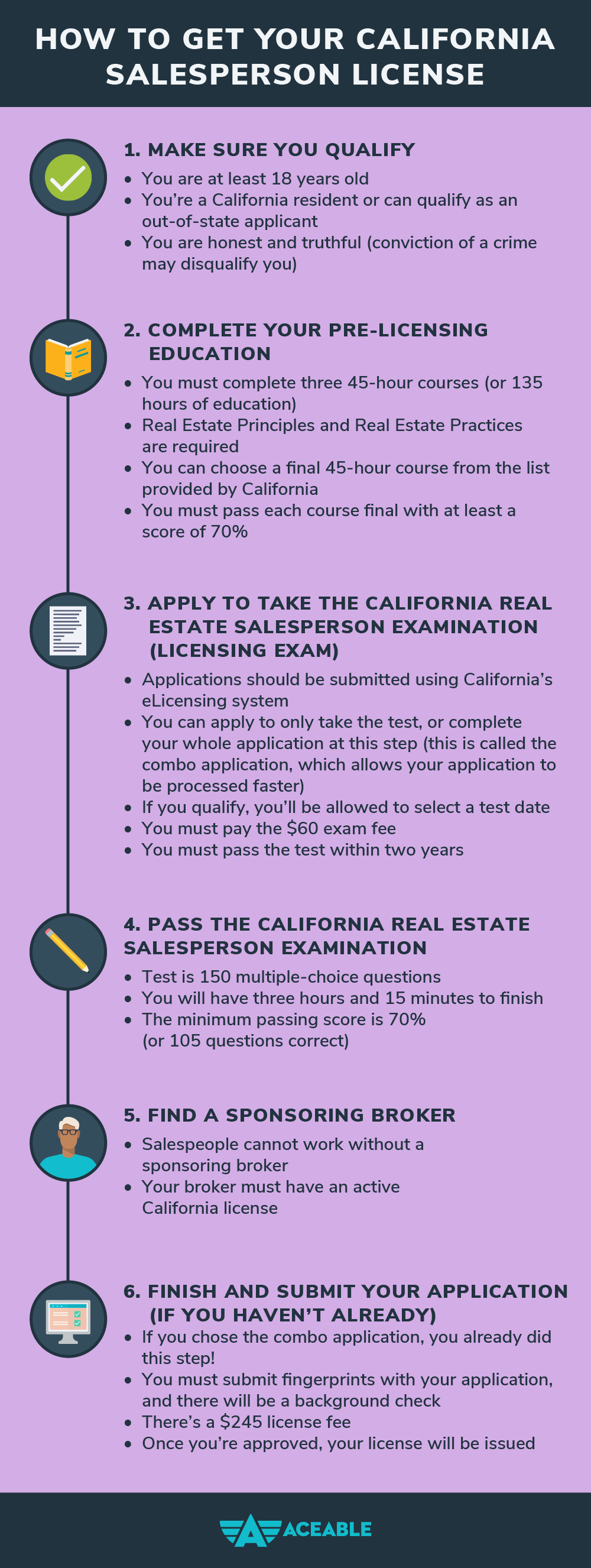
Before you can even think about the exam, there are foundational requirements you must meet:
- Age Requirement: You must be at least 18 years old to apply for a real estate license in California.
- Residency: While you don’t need to be a California resident to apply, you will be subject to the state’s licensing laws and regulations.
- Honesty & Character: The DRE requires applicants to be honest and truthful. Any criminal convictions (felonies or certain misdemeanors) or disciplinary actions from other licensing agencies could impact your eligibility. It’s often advisable to disclose any such history upfront and be prepared to provide supporting documentation.
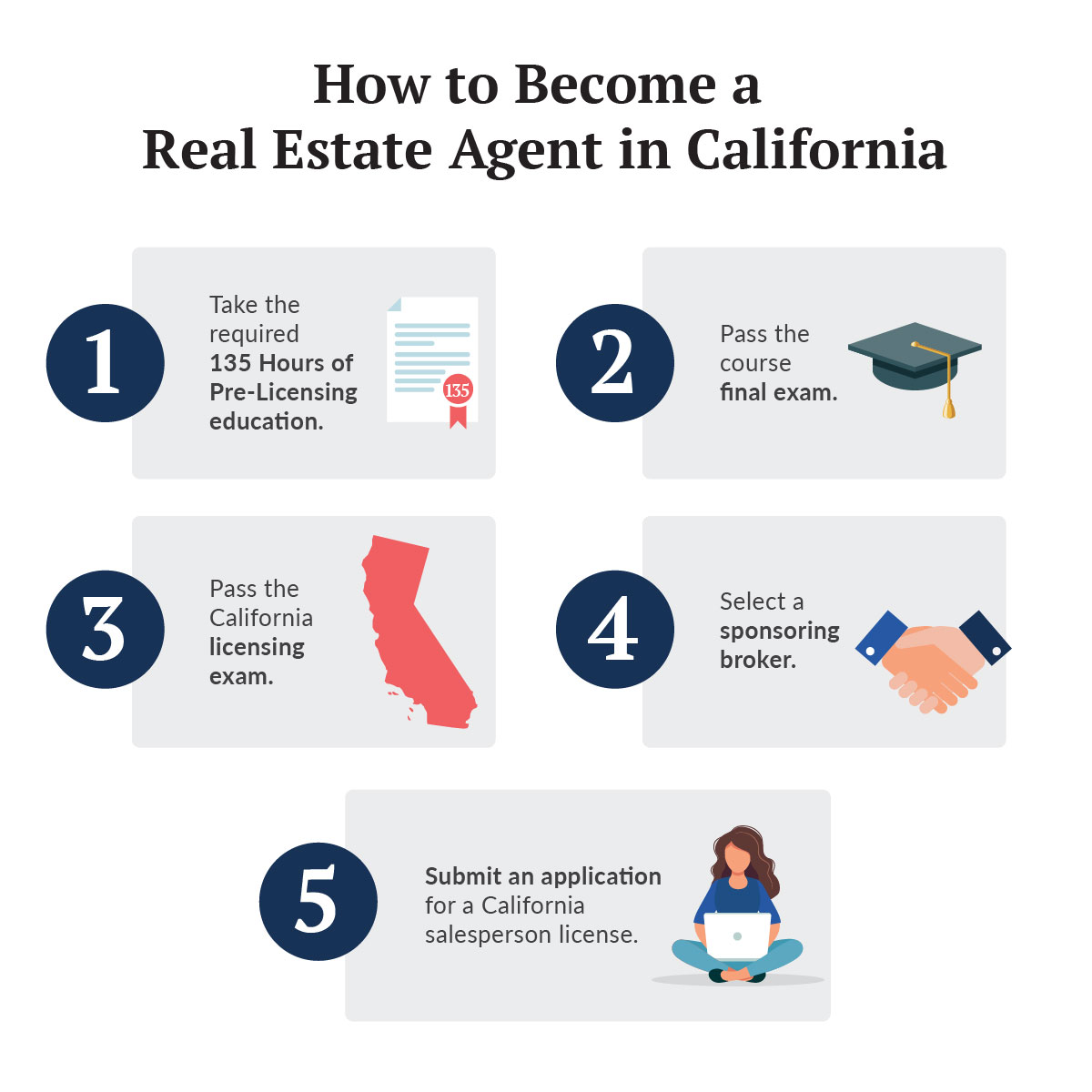
The most substantial initial hurdle is the educational requirement. You must complete three college-level courses, each a minimum of 45 hours, from an institution approved by the DRE. These courses typically cover:
- Real Estate Principles: This foundational course introduces the basic concepts of real estate, including property ownership, types of estates, legal descriptions, contracts, and agency relationships. It’s the bedrock of your real estate knowledge.
- Real Estate Practice: Building on principles, this course delves into the practical aspects of working as an agent. It covers topics like listing agreements, buyer representation, marketing properties, disclosures, and ethical considerations.
- One Elective Course: You’ll need to choose one additional 45-hour course from an approved list. Popular choices include:
- Real Estate Finance: Understanding mortgages, financing options, and investment strategies is critical in any market, especially one as dynamic as California’s.
- Real Estate Appraisal: Learning how properties are valued is essential for both listing and buying agents.
- Real Estate Economics: This course provides a broader understanding of market forces, trends, and their impact on property values.
- Property Management: Ideal for those interested in the accommodation and rental market, particularly for vacation villas or multi-unit apartments.
- Legal Aspects of Real Estate: A deeper dive into the laws governing real estate transactions.
These courses can be completed in-person at community colleges or private real estate schools, or online, offering flexibility for those balancing work or other commitments. Many online providers cater specifically to busy professionals, allowing you to study at your own pace from anywhere, be it a quiet corner in a boutique hotel or your home office.
The Application and Background Check: Live Scan Fingerprinting
Once your educational requirements are met, the next step is to submit your application for the real estate salespersons examination. This involves:
- Completing the Application: You’ll fill out the official
Salesperson Exam Application(RE 400A) and theSalesperson License Application(RE 202). You can apply for both simultaneously, which streamlines the process. - Fingerprinting via Live Scan: A mandatory background check is conducted through Live Scan fingerprinting. This electronic submission of fingerprints to the California Department of Justice (DOJ) and the FBI is crucial for uncovering any criminal history. You’ll need to visit an approved Live Scan provider, pay a fee, and ensure the
Request for Live Scan Serviceform (RE 237) is correctly filled out, specifically referencing the DRE as the requesting agency. This step is critical for maintaining the integrity and trustworthiness of licensed professionals in the Golden State’s real estate market. - Paying Fees: There are separate fees for the exam application and the license application. Check the current fee schedule on the DRE website, as these can change.
After submitting your application and completing Live Scan, the DRE will process your documents and notify you of your eligibility to schedule the state exam. This waiting period can vary, so patience is key.

Conquering the California Real Estate Exam
The California Real Estate Salesperson Exam is notoriously challenging, designed to ensure that only competent and knowledgeable individuals enter the profession.
- Exam Format: The exam consists of 150 multiple-choice questions and is timed for 3 hours and 15 minutes. It covers a broad range of topics derived from your required coursework, including property ownership, agency, contracts, finance, valuation, land use, and real estate law.
- Passing Score: You must correctly answer at least 70% of the questions to pass.
- Preparation is Key: Given the difficulty, thorough preparation is paramount. This typically involves:
- Reviewing Course Materials: Go back through your textbooks and notes from the three required courses.
- Practice Exams: Utilize online practice tests, study guides, and flashcards. Many real estate schools offer comprehensive exam prep courses specifically designed to help you pass the California exam.
- Time Management: Practice answering questions under timed conditions to improve your speed and efficiency.
- Scheduling the Exam: Once you receive your
Authorization to Take Examfrom the DRE, you can schedule your exam at one of the designated testing centers located throughout the state, including major cities like Los Angeles, San Francisco, and San Diego.
Upon passing the exam, you’ll be notified immediately. If you’ve already submitted your license application and cleared your background check, your license will be issued shortly thereafter. If not, you’ll need to complete any outstanding requirements.
Beyond the License: Launching Your Career and Sustaining Success
Obtaining your license is a significant achievement, but it’s just the beginning. The real journey starts with launching your career and committing to continuous growth in the dynamic California real estate market.
Finding Your Brokerage Home
A real estate salesperson in California must operate under the supervision of a licensed real estate broker. Your first critical step post-licensing is finding a brokerage that aligns with your goals, work style, and desired specialization.
When choosing a broker, consider:
- Training and Mentorship: Many successful agents attribute their early success to strong mentorship. Look for a brokerage that offers robust training programs, ongoing education, and opportunities to learn from experienced professionals.
- Commission Splits and Fees: Understand the financial structure, including commission splits, desk fees, and other charges.
- Office Culture and Support: A supportive and collaborative environment can make a significant difference, especially for new agents. Some brokerages specialize in luxury travel properties, while others focus on first-time homebuyers or commercial real estate, impacting the kind of mentorship and resources available.
- Technology and Marketing Tools: Access to cutting-edge CRM systems, lead generation tools, and marketing support is invaluable in today’s competitive market.
- Location and Market Focus: If you’re passionate about a specific area like Napa Valley or a specific type of property like vacation villas, look for a broker with a strong presence and expertise in that niche.
Interview several brokers before making a decision. This relationship is crucial for your professional development and can shape the trajectory of your career.
Continuous Learning and Market Acumen
The California real estate landscape is constantly evolving, influenced by economic shifts, legislative changes, and new lifestyle trends. To remain competitive and relevant, continuous learning is not just recommended but required. The DRE mandates continuing education for license renewal, typically 45 hours every four years. This ensures that agents stay updated on legal changes, ethical practices, and emerging market trends.
Beyond mandated education, proactively immersing yourself in market intelligence is key. This includes:
- Networking: Attend local real estate association meetings, industry conferences, and community events. Building a strong network of peers, lenders, inspectors, and other professionals is vital for referrals and support.
- Market Research: Stay informed about local market statistics, interest rates, inventory levels, and economic forecasts. Understanding the nuances of areas like Silicon Valley’s commercial market versus Palm Springs’ vacation home market is essential.
- Specialization: Consider specializing in a niche that excites you, such as luxury homes, investment properties, commercial real estate, or even properties tailored for long-term stays and accommodation for digital nomads.
Real Estate in the Golden State: A Lifestyle and Investment Perspective
A career in California real estate offers a unique blend of professional opportunity and personal fulfillment, deeply intertwined with the state’s vibrant lifestyle and robust tourism industry. It’s not just about transactions; it’s about facilitating dreams, building communities, and contributing to the economic fabric of one of the world’s most dynamic regions.
Tapping into California’s Tourism and Accommodation Sectors
With millions of visitors flocking to California annually for its breathtaking destinations, iconic landmarks, and diverse experiences, the demand for accommodation goes beyond traditional hotels and resorts. Vacation rentals, short-term lease apartments, and investment villas are booming segments. As a real estate agent, you can specialize in helping clients acquire properties specifically for these purposes. Imagine guiding a client to purchase a charming bungalow in Laguna Beach that serves as a popular Airbnb rental, or assisting an investor in finding a multi-unit property near Disneyland for family vacationers. Understanding zoning laws, local rental regulations, and the specific needs of the tourism market can position you as an invaluable expert.
From Luxury Villas to Budget-Friendly Stays: The Agent’s Role
The spectrum of California real estate mirrors its diverse population and economic strata. You might find yourself working with clients seeking opulent luxury travel properties in Malibu, complete with ocean views and private amenities, or assisting families looking for budget travel-friendly starter homes in inland communities. An effective agent understands that every client, regardless of their budget or lifestyle, deserves professional, ethical, and dedicated service.
Becoming a real estate agent in California is a journey that demands effort, knowledge, and perseverance. However, the rewards—both professional and personal—are substantial. It’s a career that places you at the heart of the Golden State’s vibrant economy, connecting people with their dreams, whether they involve a permanent residence, a vacation retreat, or a strategic investment in the ever-attractive California market. By following these steps and committing to lifelong learning, you can build a thriving and fulfilling career that truly resonates with the spirit of California.
LifeOutOfTheBox is a participant in the Amazon Services LLC Associates Program, an affiliate advertising program designed to provide a means for sites to earn advertising fees by advertising and linking to Amazon.com. Amazon, the Amazon logo, AmazonSupply, and the AmazonSupply logo are trademarks of Amazon.com, Inc. or its affiliates. As an Amazon Associate we earn affiliate commissions from qualifying purchases.