
Embracing the vibrant lifestyle of Florida, whether as a new resident, a seasonal snowbird, or someone simply seeking to establish roots in the Sunshine State, often involves the practical necessity of vehicle ownership. The freedom to explore Florida’s stunning beaches, bustling cities, and serene natural parks is significantly enhanced by having your own car. However, before you hit the open road, securing your vehicle’s title is a crucial administrative step. This process, while seemingly bureaucratic, is your official entry into legally owning and operating a vehicle within Florida, solidifying your ability to fully immerse yourself in the local way of life. Understanding the requirements and procedures will ensure a smooth transition, allowing you to focus on enjoying everything Florida has to offer.
The Significance of a Florida Car Title for Your Lifestyle
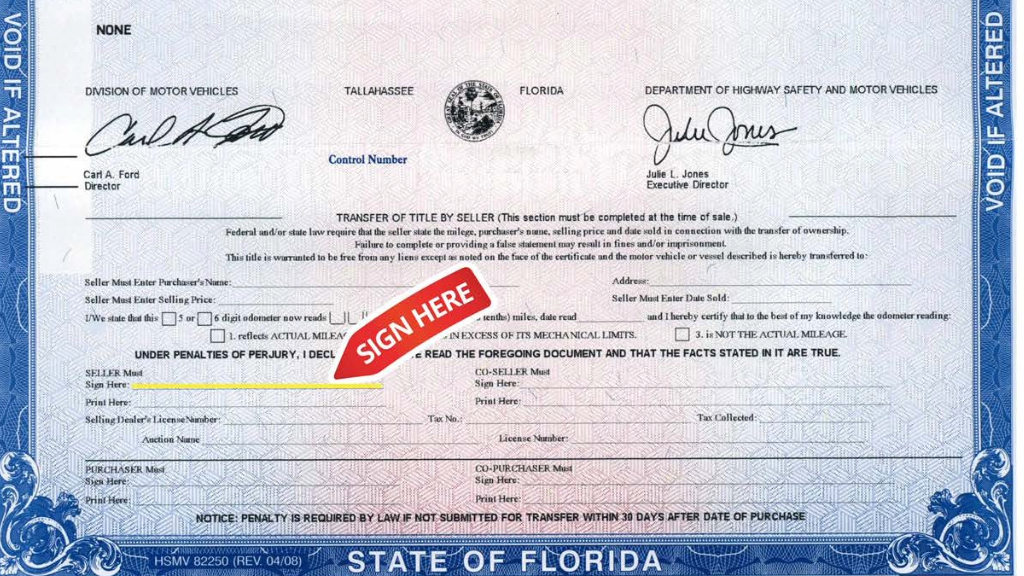
A car title is far more than just a piece of paper; it’s the legal document proving ownership of your vehicle. For anyone living or establishing an extended presence in Florida, a properly titled and registered car is fundamental. It enables you to confidently traverse the state, from the theme parks of Orlando to the Art Deco splendor of Miami Beach, without concern for legal complications. Without a valid Florida title, you cannot legally register your vehicle, obtain Florida license plates, or purchase proper insurance – all essential elements for a worry-free existence and seamless integration into the state’s mobile culture. This official document is especially important for long-term residents, seasonal residents, and even those running businesses that rely on local transportation. It’s about establishing your independence and ensuring smooth operation within the legal framework of your new home.
Why a Local Title Matters for Residency and Convenience
For new residents moving from another state, transferring your vehicle title to Florida is a primary step in establishing residency. It signals your commitment to the state and unlocks numerous conveniences, from obtaining a Florida driver’s license to accessing resident-specific benefits. Beyond legal compliance, having a local title simplifies future transactions, such as selling your vehicle, transferring it to another family member, or using it as collateral. Imagine planning a spontaneous weekend trip to the Florida Keys or a visit to Everglades National Park; a properly titled and registered vehicle ensures that your explorations are unhindered by administrative concerns. It embodies the freedom and flexibility that many seek when choosing the Florida lifestyle.
Navigating the Florida Department of Highway Safety and Motor Vehicles (DHSMV)
The primary authority for vehicle titles and registration in Florida is the Florida Department of Highway Safety and Motor Vehicles (DHSMV). While the DHSMV sets the policies and procedures, the actual processing of titles and registrations is typically handled by your local Tax Collector’s Office. It’s crucial to understand that these offices operate somewhat independently, so while the core requirements are uniform across the state, specific office hours, appointment systems, or preferred payment methods may vary slightly. Planning your visit to a Tax Collector’s Office with all necessary documentation is paramount to avoiding multiple trips and expediting the process, allowing you more time to enjoy your new Florida life.
Essential Steps for Obtaining Your Florida Title
The path to obtaining your Florida car title varies slightly depending on whether you’re bringing a vehicle from out of state, purchasing a used car within Florida, or dealing with a brand-new purchase from a dealership.
For New Residents (Out-of-State Vehicles):
If you’re relocating to Florida with a car already titled in another state, you’ll need to transfer that title to Florida. This usually involves:
- Proof of Identity: A valid driver’s license or state ID. If you’ve just moved, your new Florida driver’s license is ideal.
- Out-of-State Title: The original physical title for your vehicle. If it’s held by a lienholder, you’ll need their name and address, and potentially documentation from them.
- Vehicle Identification Number (VIN) Verification: This confirms that the vehicle you’re titling matches the documentation. This is often done by a police officer, a licensed motor vehicle dealer, or a DHSMV or Tax Collector’s Office employee. Form HSMV 82042, “Vehicle Identification Number and Odometer Verification,” is typically used.
- Odometer Disclosure: Required for vehicles less than 10 years old.
- Proof of Florida Insurance: You must have personal injury protection (PIP) and property damage liability (PDL) coverage from a Florida insurance provider.
- Application for Certificate of Title With/Without Registration: Form HSMV 82040 is the standard application.
- Payment for Fees and Taxes: This includes title fees, registration fees, and potentially sales tax if you haven’t paid it in full in your previous state or if you’ve owned the vehicle for less than 6 months.
For Vehicles Purchased in Florida (Used):
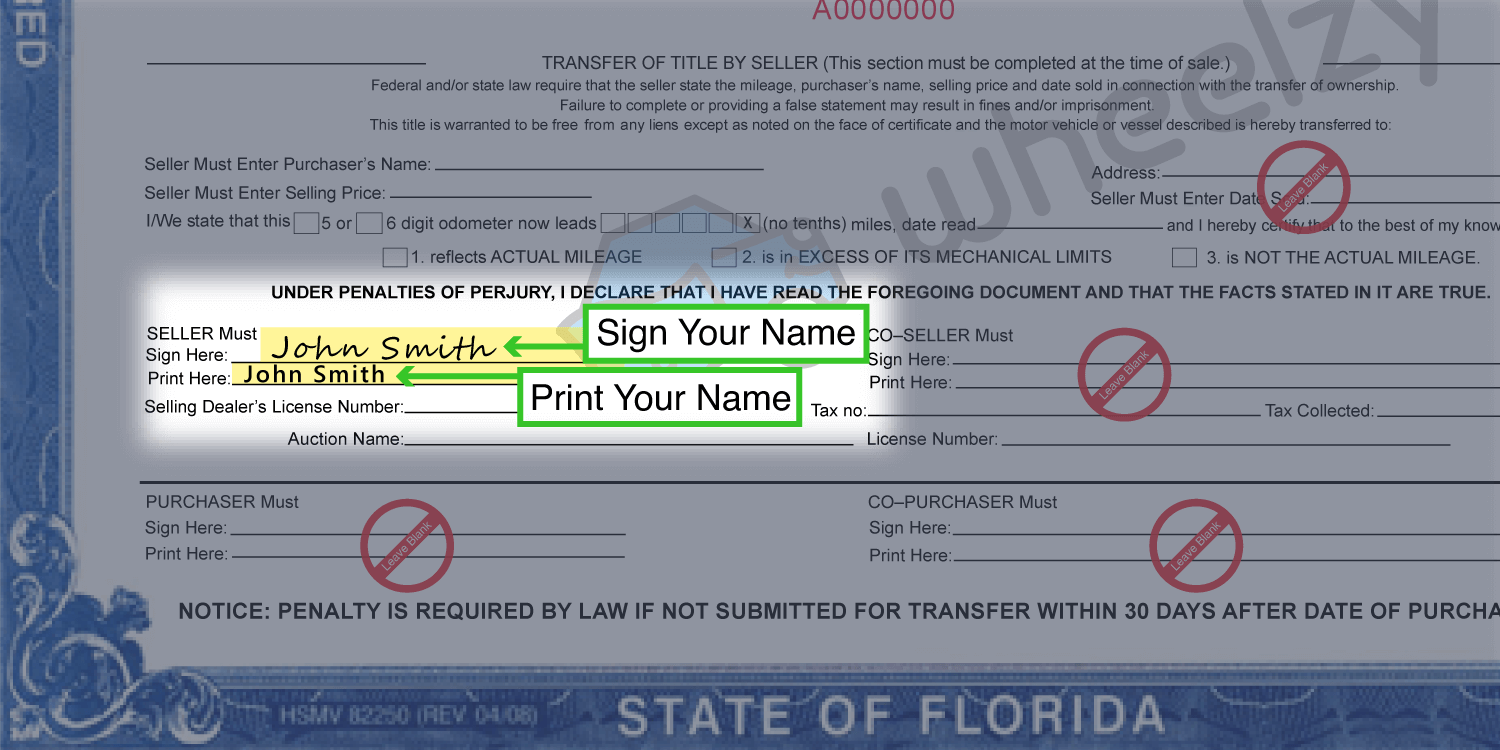
When buying a used vehicle from a private party within Florida, the title transfer process is straightforward:
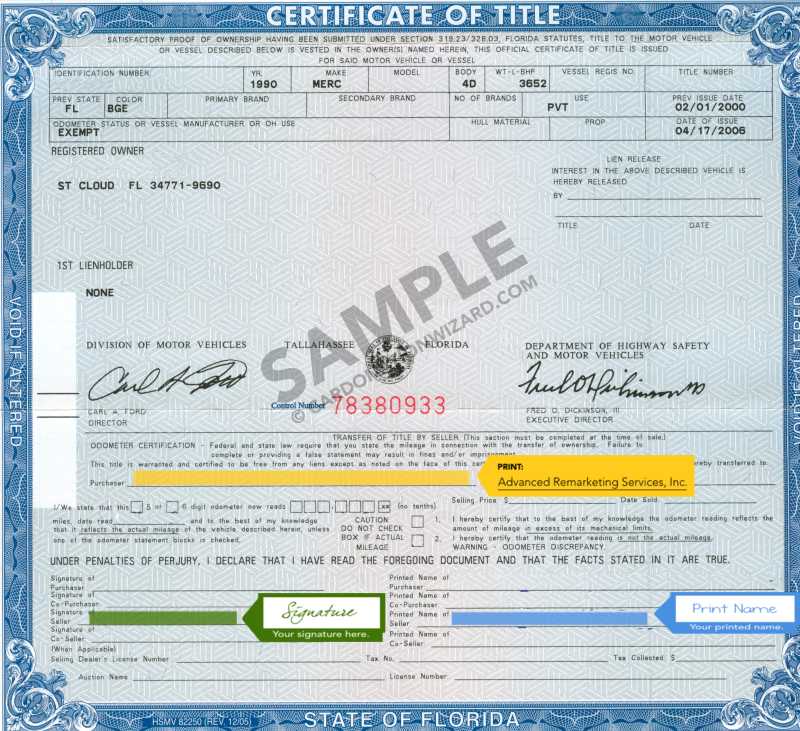
- Original Title Signed by Seller: Ensure the seller has properly signed and completed the “transfer of ownership” section on the existing Florida title. Verify that the VIN on the title matches the vehicle.
- Bill of Sale: While not always strictly required if the title is fully completed, a detailed bill of sale with the purchase price can prevent discrepancies and is good practice.
- Proof of Identity: Your valid Florida driver’s license or state ID.
- Proof of Florida Insurance: Mandatory for registration.
- Form HSMV 82040: Completed application.
- Payment for Fees and Sales Tax: Florida sales tax (currently 6%) will be collected on the purchase price, along with title and registration fees.
For New Vehicles Purchased from a Florida Dealership:
Typically, when you purchase a new vehicle from a licensed Florida dealership, they will handle all the title and registration paperwork on your behalf. They will submit the necessary forms, collect the sales tax and fees, and arrange for your temporary tag until your permanent license plate and registration arrive. This streamlined process is designed to get you on the road quickly, integrating you into the Florida driving experience with minimal administrative burden.
Special Scenarios and Considerations
While the general guidelines cover most situations, certain scenarios might require additional steps or documentation. Being prepared for these can save you time and ensure your journey to full Florida vehicle ownership remains smooth.
Lost, Stolen, or Damaged Titles
If your existing Florida title is lost, stolen, or damaged, you’ll need to apply for a duplicate title using Form HSMV 82101, “Application for Duplicate or Lost in Transit/Reassignment Title.” This form requires your vehicle information, signature, and payment of a fee. Having a duplicate title is essential before you can sell or transfer ownership of your vehicle.
Vehicles with Liens
If there is an outstanding loan on your vehicle (a lien), the original title will be held by the lienholder (e.g., the bank or credit union). When you transfer your title to Florida, the DHSMV will issue an electronic title directly to your lienholder. Once the loan is paid off, the lienholder will notify the DHSMV electronically, and a paper title will then be mailed to you. You may also request a paper title be sent directly to you upon transfer, but this might involve additional paperwork from your lienholder.
Inherited Vehicles
Dealing with an inherited vehicle involves specific legal steps. Typically, you will need the deceased owner’s death certificate, the original title, and possibly probate documents or a legal affidavit depending on the value of the estate and how ownership is transferred according to Florida law. It’s advisable to consult with the Tax Collector’s Office or an attorney for precise guidance in these sensitive situations to ensure a legal and respectful transfer of ownership.
Maintaining Your Florida Vehicle Status
Once you’ve successfully obtained your Florida car title and registration, remember that vehicle registration requires annual renewal. The DHSMV typically sends renewal notices, but it remains your responsibility to renew on time. You can often renew online, by mail, or in person at a Tax Collector’s Office. Maintaining active Florida insurance is also mandatory and will be verified during renewal. Keeping your vehicle documentation current is not just a legal obligation; it’s a seamless part of the Florida lifestyle, ensuring that your means of exploring and enjoying the state remains perpetually ready for adventure. A well-maintained vehicle status means you can always pursue your passions, whether it’s a spontaneous road trip to a new Florida destination, commuting to your dream job, or simply running errands with the ease and freedom that personal transportation provides.
LifeOutOfTheBox is a participant in the Amazon Services LLC Associates Program, an affiliate advertising program designed to provide a means for sites to earn advertising fees by advertising and linking to Amazon.com. Amazon, the Amazon logo, AmazonSupply, and the AmazonSupply logo are trademarks of Amazon.com, Inc. or its affiliates. As an Amazon Associate we earn affiliate commissions from qualifying purchases.