
California stands as an unrivaled destination for couples seeking to formalize their union, offering everything from sun-kissed beaches to majestic redwood forests, and vibrant urban landscapes to tranquil wine country. For those planning a destination wedding or simply choosing the Golden State as the backdrop for their vows, understanding the legal process of getting officiated is paramount to a seamless and memorable experience. This comprehensive guide navigates the essential steps, ensuring your journey to matrimony in California is as smooth as it is magical.
Navigating California’s Marriage License Requirements
The foundation of any legal marriage in California is obtaining a valid marriage license. This step is critical and must be completed before your ceremony takes place.
Eligibility and Identification
To be eligible to marry in California, both parties must be at least 18 years old. There are no residency requirements, meaning out-of-state or international couples can easily get married here, making it an accessible destination for unique wedding experiences. Both individuals must appear together in person at a County Clerk’s Office to apply for the license.
When applying, you will need to present valid government-issued identification, such as a driver’s license, passport, or state ID, to prove your age and identity. Some counties may also require proof of birthdate if your ID doesn’t clearly show it. If either party has been previously married, they may need to provide the exact date their last marriage ended (divorce, annulment, or death). While documentation of previous divorces is generally not required at the time of application, it’s wise to have it accessible in case of specific county requirements or questions.
Applying for Your Marriage License
The application process for a marriage license is handled by the County Clerk’s office in any of California’s 58 counties. You can apply in one county and get married in any other county within the state. For instance, if you’re planning a scenic beach wedding in Santa Barbara, you could apply for your license in Los Angeles County before heading north. Many counties now offer online pre-application forms, which can expedite your in-person visit. However, both parties must still appear together to sign the application and present their IDs.
The fee for a marriage license varies by county, typically ranging from $70 to $100. It’s advisable to check the specific fees and accepted payment methods for the county where you plan to apply. Once issued, a California marriage license is valid for 90 days, meaning your ceremony must take place within this window. If the 90 days expire, you’ll need to apply and pay for a new license.
Understanding Public vs. Confidential Licenses
California offers two types of marriage licenses: public and confidential. Understanding the distinction is crucial for couples, especially those prioritizing privacy or specific legal situations.
A public marriage license is the most common type. Once recorded, the information on the license becomes a matter of public record, accessible to anyone. This means names, birthplaces, and parents’ names will be available upon request. For a public license, you need at least one witness (though two are allowed and often customary for the ceremony itself) to sign the certificate. This is generally the preferred choice for most couples.
A confidential marriage license is designed for couples who wish to keep their marriage record private. The primary requirement for this type of license is that the couple must already be living together as spouses. The confidential license does not require a witness to sign the certificate, and the record itself is not available to the public except by court order. This option is often chosen by couples who have been together for a long time, wish for utmost privacy, or perhaps are eloping and do not want to involve witnesses in the legal signing process. While the records are confidential, the fact that a marriage occurred is still registered with the state.
Both types of licenses lead to a legally recognized marriage in California, and the validity of the marriage is identical regardless of the license type chosen.
Selecting and Empowering Your Wedding Officiant
The officiant is the individual who solemnizes your marriage, making it legally binding. Their role is central to the ceremony and the legal process of getting officiated in California.
Who Can Legally Officiate a Wedding in California?
California’s laws are relatively flexible regarding who can solemnize a marriage, allowing couples a wide range of choices for their special day. Legally authorized officiants include:
- A priest, minister, rabbi, or any other religious leader of any religious denomination.
- A judge, commissioner of a court, or a retired judge or commissioner.
- The mayor of a city.
- A county supervisor.
- A Member of the California State Legislature or a Member of the U.S. Congress representing a California district.
- A Deputy Commissioner of Civil Marriages, designated by the County Clerk.
One unique and popular option in California is the “Deputy Commissioner for a Day” program. Many County Clerk’s offices, including those in Orange County and San Diego County, allow a friend or family member to be deputized for a specific day to perform a single civil marriage ceremony. This adds a deeply personal touch to the wedding experience. The person must apply with the County Clerk, pay a fee, and often attend a brief training session.
The Process for Non-Clergy Officiants
For couples wishing to have a friend or family member officiate who doesn’t fall into the categories above, they can typically become legally authorized in one of two main ways:
- Online Ordination: Numerous online organizations offer ordination that is legally recognized in California. Examples include the Universal Life Church. While easy and quick, it’s essential to confirm the specific organization’s standing and ensure it meets California legal requirements, as some counties might have specific interpretations.
- Deputy Commissioner for a Day: As mentioned, this program allows a specific individual to be authorized by the County Clerk for one ceremony. This is often preferred by couples seeking to involve a loved one without delving into religious ordination. The individual usually needs to attend an in-person or virtual training session at the County Clerk’s office where the marriage license was issued or will be filed.
Ensuring Your Officiant is Prepared
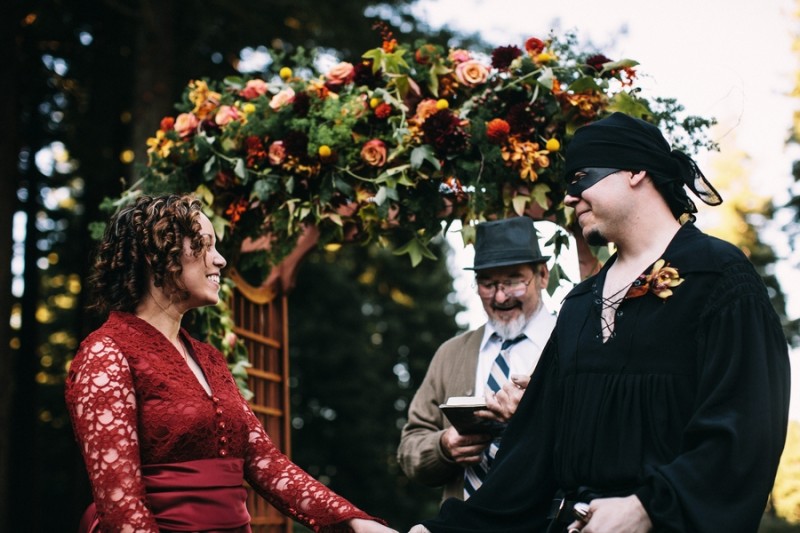
Regardless of who you choose, it is vital to ensure your officiant understands their legal responsibilities. They must be present at the ceremony, confirm the identity of the couple, perform the solemnization, and, most importantly, accurately complete and sign the marriage license. They will need to provide their official title and mailing address on the license. Before the wedding, confirm they know where and how to return the completed license to the County Clerk’s office within the stipulated 10-day period after the ceremony. This attention to detail prevents potential delays or issues in registering your marriage.
The Ceremony, Documentation, and Post-Wedding Logistics
Once the marriage license is secured and your officiant is ready, the focus shifts to the ceremony itself and the crucial steps that follow to legally record your union.
The Ceremony: Witnesses and Vows
The wedding ceremony in California needs to be solemnized by the authorized officiant. While the state law for a public license only requires the officiant, both parties, and at least one witness to be present for the signing of the marriage certificate, many couples choose to have more witnesses. For a confidential license, no witnesses are required to sign.
During the ceremony, the officiant will lead the proceedings, which typically include vows, an exchange of rings, and a declaration of marriage. Immediately following the ceremony, the officiant, the couple, and any required witnesses must sign the marriage license in the designated areas. It is crucial to ensure all signatures are legible and accurate, matching the names on the identification used to obtain the license.
Returning the Signed Marriage License
This is perhaps the most critical step to ensure your marriage is legally recorded. After the ceremony, the officiant is responsible for returning the signed marriage license to the County Clerk’s office where it was issued. The license must be returned within 10 days of the ceremony date. Failure to do so can result in significant delays or even invalidate the marriage, requiring the couple to apply for a new license and potentially re-solemnize the marriage.
Couples should confirm with their officiant how and when they plan to return the license. Some officiants offer to mail it, while others prefer to deliver it in person. Keeping a copy of the completed license for your records before it is returned is a wise precaution, although this copy is not a legal document.
Obtaining Your Certified Marriage Certificate
Once the County Clerk’s office receives and processes the signed marriage license, your marriage is officially registered. At this point, you can request certified copies of your marriage certificate. These certified copies are vital for various legal and administrative purposes, such as:
- Changing your name on your driver’s license, passport, and social security card.
- Updating insurance policies (health, life, auto).
- Estate planning and beneficiary designations.
- Applying for certain visas or immigration benefits (especially for international couples).
You can typically order certified copies from the County Clerk’s office where the license was filed, either in person, by mail, or through their online portal. There is usually a fee for each certified copy. It is recommended to order several copies, as different agencies may require original certified copies and not photocopies.
Crafting Your California Wedding Experience
Beyond the legalities, getting married in California is an immersive experience, offering an unparalleled array of settings and opportunities to create the wedding of your dreams.
Iconic Destinations for Your Nuptials
California’s diverse geography provides a stunning canvas for any wedding vision. Imagine exchanging vows against the backdrop of the Golden Gate Bridge at San Francisco City Hall, an architectural marvel in San Francisco. Or perhaps a rustic-chic celebration in the world-renowned vineyards of Napa Valley or Sonoma Valley, where gourmet food and fine wines complement your union.
For nature lovers, the dramatic cliffs and redwood groves of Big Sur offer a breathtakingly intimate setting, while the pristine shores of Malibu or Laguna Beach provide an idyllic coastal ambiance. Further inland, the grandeur of Yosemite National Park or the alpine beauty of Lake Tahoe promise unforgettable experiences amidst natural wonders. Urbanites might prefer the sophisticated venues and vibrant energy of Los Angeles or San Diego, blending city chic with California cool. Each location offers distinct vendors, accommodation options, and unique flavors to infuse into your special day.
Planning for Out-of-State and International Couples
As previously noted, California does not have residency requirements for marriage, making it an ideal destination for couples traveling from other states or countries. For international couples, remember to consider passport validity and any necessary visa requirements for entry into the United States. While the marriage license process itself is straightforward, ensuring smooth travel logistics is crucial. Many wedding planners in popular California destinations specialize in assisting destination wedding clients, navigating both the legalities and local vendor selection.

Integrating Your Wedding with a California Honeymoon or Getaway
One of the greatest advantages of getting married in California is the opportunity to seamlessly blend your wedding celebration with an unforgettable honeymoon or extended getaway. After saying “I do,” you could embark on a romantic road trip along Highway 1, explore the theme parks of Anaheim, hike the trails of Joshua Tree National Park, or indulge in the culinary delights of San Francisco. From luxurious resorts to charming boutique hotels, the state offers diverse accommodation options to complement any post-wedding adventure. This integration creates a holistic travel experience, transforming your wedding into an extended celebration of love and exploration in one of the world’s most captivating destinations.
LifeOutOfTheBox is a participant in the Amazon Services LLC Associates Program, an affiliate advertising program designed to provide a means for sites to earn advertising fees by advertising and linking to Amazon.com. Amazon, the Amazon logo, AmazonSupply, and the AmazonSupply logo are trademarks of Amazon.com, Inc. or its affiliates. As an Amazon Associate we earn affiliate commissions from qualifying purchases.