
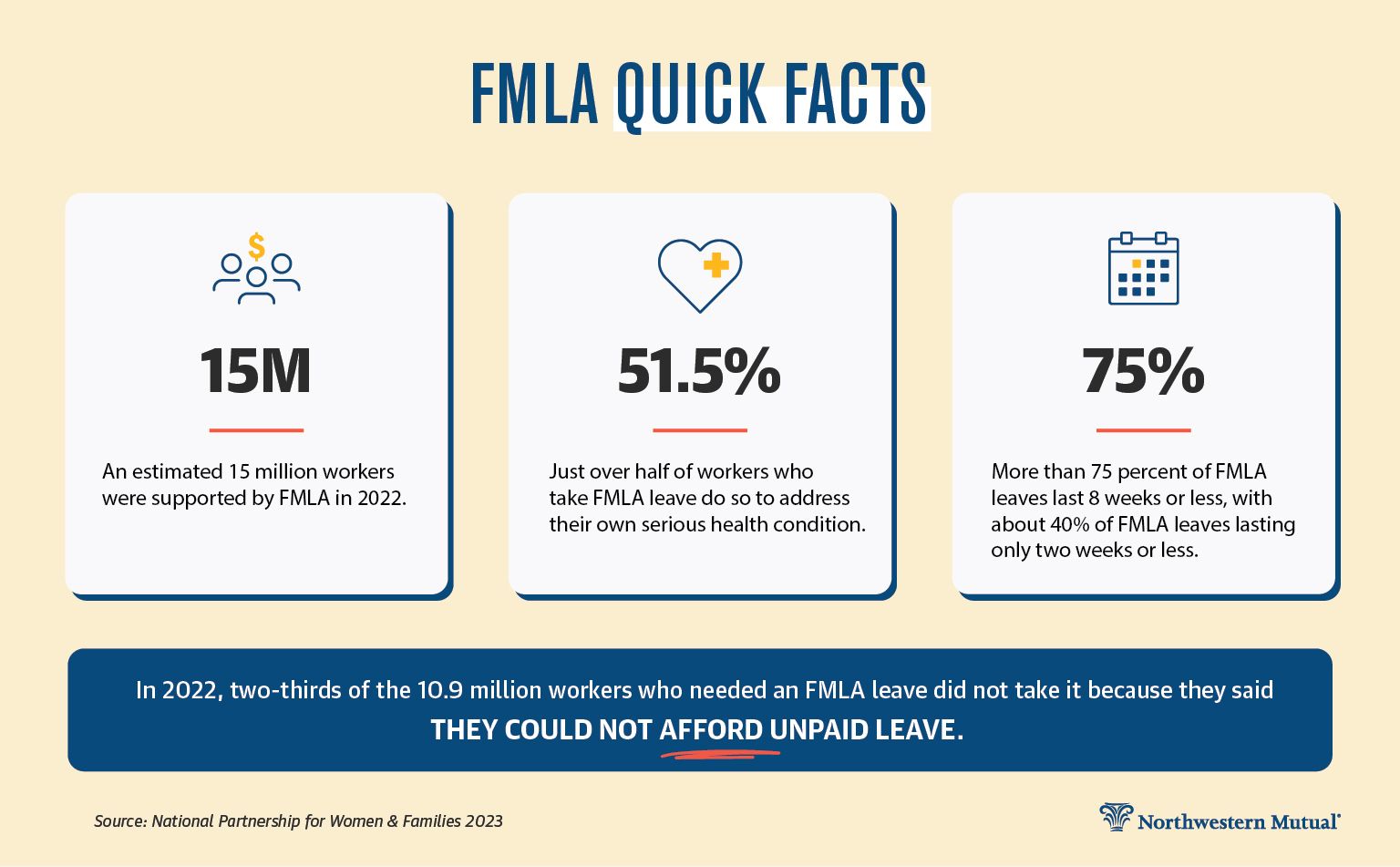
Navigating the complexities of taking time off for significant life events, such as caring for a newborn, a seriously ill family member, or recovering from one’s own serious health condition, can be daunting. In Texas, the Family and Medical Leave Act (FMLA) provides eligible employees with job-protected, unpaid leave. However, the “unpaid” aspect often raises concerns about financial stability during this critical period. Fortunately, while FMLA itself doesn’t mandate paid leave, there are several avenues in [Texas] to help ensure you receive some form of compensation while on leave. This guide explores these options, focusing on how to maximize financial support during your FMLA period.
Understanding FMLA and Your Rights in Texas
The Family and Medical Leave Act is a federal law that allows eligible employees of covered employers to take unpaid, job-protected leave for specified family and medical reasons. To be eligible, an employee must have worked for the employer for at least 12 months, have worked at least 1,250 hours of service during the 12 months before the date leave is to begin, and work at a location where the employer has at least 50 employees within 75 miles. Employers covered by FMLA include private-sector employers with 50 or more employees, all public employers, and elementary and secondary schools.
In [Texas], FMLA rights are consistent with federal law. This means that if you meet the federal eligibility criteria, your employer in [Texas] must grant you up to 12 workweeks of unpaid leave in a 12-month period for any of the following reasons:
- The birth of a child and to care for the newborn child within one year of birth.
- The placement of a child with the employee for adoption or foster care and to care for the newly placed child within one year of placement.
- To care for the employee’s spouse, child, or parent who has a serious health condition.
- A serious health condition that makes the employee unable to perform the essential functions of their job.
- Any qualifying exigency arising out of the fact that the employee’s spouse, son, daughter, or parent is a covered military member on “covered active duty.”
- To care for a covered servicemember with a serious injury or illness if the eligible employee is the servicemember’s spouse, son, daughter, parent, or next of kin.
While FMLA guarantees your job will be there when you return, it does not guarantee that you will be paid for the time off. This is where planning and understanding available resources become paramount.
Employer Policies and Paid Leave Options
The most direct way to receive pay during FMLA leave is through your employer’s policies. Many employers offer paid leave benefits that can run concurrently with FMLA.
Paid Time Off (PTO) and Vacation Days
Most employers allow employees to use accrued paid time off (PTO), vacation days, or sick leave to cover some or all of their FMLA absence. This is typically the first and easiest option for employees to explore. Your employer’s HR department can clarify how your PTO can be applied. It’s important to understand that using PTO doesn’t extend your FMLA entitlement; it simply provides pay during a portion of that protected leave.
Company-Provided Disability Insurance
Some employers offer short-term disability (STD) or long-term disability (LTD) insurance plans as part of their benefits package. These plans can provide a percentage of your regular salary if you are unable to work due to a qualifying medical condition.
- Short-Term Disability (STD): STD policies typically kick in after a waiting period (often one week) and can provide benefits for a period ranging from a few weeks to several months. This can be invaluable for covering the initial period of an illness or recovery from childbirth.
- Long-Term Disability (LTD): LTD policies are designed to provide benefits for longer durations, often years, if you are unable to return to work due to a disabling condition.
If your employer offers these benefits, carefully review the policy details. You will likely need to file a claim and provide medical documentation to support your inability to work. The benefits received from disability insurance can often run concurrently with your FMLA leave.
Paid Sick Leave Policies
While FMLA doesn’t mandate paid sick leave, some employers in [Texas] may have their own paid sick leave policies. These might be separate from general PTO or integrated into it. Check your employee handbook or speak with your HR representative to understand if your employer offers paid sick leave that can be utilized during your FMLA absence.
State and Federal Benefits During FMLA
Beyond employer-specific benefits, there are state and federal programs that may offer financial assistance during periods of leave, though these are often not directly tied to FMLA but rather to the underlying reason for the leave.
Texas Workforce Commission (TWC) Programs
The Texas Workforce Commission administers several programs that could be relevant, particularly unemployment benefits and workers’ compensation.
Unemployment Benefits
Generally, unemployment benefits are for individuals who have lost their job and are actively seeking new employment. Therefore, unemployment benefits are typically not available to individuals on FMLA leave because you are still considered employed and intend to return to your job. However, if your FMLA leave is due to a condition that ultimately leads to your employer terminating your employment, or if your position becomes unavailable upon your return, you might then become eligible for unemployment benefits. This is a nuanced situation, and it’s crucial to consult with the TWC directly.
Workers’ Compensation
If your need for FMLA leave arises from a workplace injury or illness, you may be eligible for [Texas] workers’ compensation benefits. Workers’ compensation is a form of insurance providing wage replacement and medical benefits to employees injured in the course of employment. If approved, workers’ comp can cover medical expenses and a portion of lost wages. This benefit would run concurrently with your FMLA leave, providing financial support during your recovery.
Social Security Administration (SSA) Benefits
For longer-term or more severe health conditions, Social Security Disability Insurance (SSDI) or Supplemental Security Income (SSI) may be an option.
- Social Security Disability Insurance (SSDI): This program provides benefits to individuals who have a qualifying disability and have worked long enough and recently enough to have earned sufficient work credits. If your medical condition is expected to last for at least 12 months and prevents you from engaging in substantial gainful activity, you may be eligible. The application process can be lengthy, so it’s advisable to start as soon as possible if you anticipate a long-term disability.
- Supplemental Security Income (SSI): SSI is a needs-based program that provides benefits to individuals with limited income and resources who are disabled, blind, or age 65 or older. This program is not dependent on work history.

Receiving SSDI or SSI can significantly impact your financial situation if you are unable to work for an extended period, potentially covering the gap after employer-provided benefits or FMLA leave has ended.
Other Financial Support Avenues
When employer benefits and state/federal programs don’t fully cover your needs, or if you don’t qualify for them, there are other avenues to consider.
Private Disability Insurance
If your employer doesn’t offer disability insurance, you may have purchased a private disability insurance policy. These policies work similarly to employer-provided plans, offering income replacement if you become disabled and unable to work. Review your policy terms carefully to understand coverage, waiting periods, and benefit duration.
State-Specific Paid Family Leave Programs
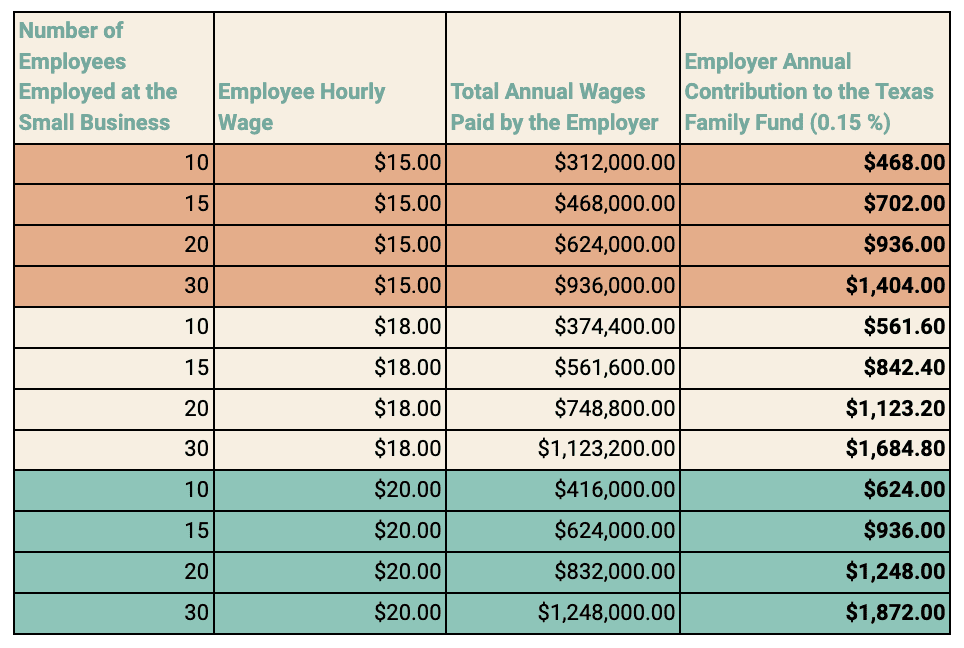
It is important to note that [Texas] does not currently have a state-mandated paid family leave program. This is a significant distinction from some other states like California or New York, which offer paid family leave benefits funded through payroll deductions. For residents of [Texas], relying on employer-provided benefits or federal programs is essential.
Community Resources and Assistance Programs
Depending on your specific circumstances and financial needs, various community organizations and government assistance programs might offer support.
- Temporary Assistance for Needy Families (TANF): This program provides temporary financial assistance to families with children.
- Medicaid/CHIP: If your FMLA leave is due to a health condition or childbirth, and your income is reduced, you might qualify for [Texas’] Medicaid program or the Children’s Health Insurance Program (CHIP) for your children.
- Local Charities and Non-profits: Many local charities, religious organizations, and non-profits offer assistance with bills, food, or other necessities during times of financial hardship.
It is worth researching what resources are available in your specific city or county.
Personal Savings and Financial Planning
While not a direct source of “getting paid,” utilizing personal savings is often a necessary component of managing finances during unpaid leave. This highlights the importance of having an emergency fund. For individuals who anticipate needing FMLA leave, proactive financial planning, including building savings and understanding all potential income streams, is crucial.
Navigating the Process: Key Steps and Advice
Successfully securing income while on FMLA leave requires diligent planning and understanding of the available resources.
1. Understand Your FMLA Eligibility and Rights
Before initiating leave, confirm you meet the eligibility requirements and have a clear understanding of your rights and your employer’s obligations under FMLA. Review your company’s FMLA policy thoroughly.
2. Consult Your HR Department Early
Your Human Resources department is your primary point of contact for understanding employer-provided benefits. Discuss how your paid time off, sick leave, and any disability insurance policies can be applied during your FMLA leave. Get all confirmations in writing.
3. Research State and Federal Benefits
Investigate potential eligibility for state programs like workers’ compensation (if applicable) and federal programs like Social Security Disability. Understand the application processes and timelines for these benefits.
4. Prepare for the Application Processes
Gather all necessary documentation. This often includes medical certifications from your doctor, proof of employment, and potentially financial information. For disability claims, precise and comprehensive medical records are vital.
5. Manage Your Finances Proactively
Create a budget that accounts for reduced income. Prioritize essential bills and explore all available income streams. Consider if you need to draw from savings, adjust spending, or seek external financial assistance.
6. Seek Professional Advice When Needed
If you are unsure about your rights, benefit eligibility, or how to navigate complex application processes, consider consulting with an employment lawyer or a financial advisor. They can provide tailored guidance based on your specific situation.
Taking family and medical leave is a significant life event. By thoroughly understanding your rights and proactively exploring all available avenues for financial support, you can mitigate the financial stress associated with this period, allowing you to focus on your health and your family. While FMLA itself is unpaid, a combination of employer benefits, state and federal programs, and personal planning can ensure a more secure financial footing during your leave in [Texas].
LifeOutOfTheBox is a participant in the Amazon Services LLC Associates Program, an affiliate advertising program designed to provide a means for sites to earn advertising fees by advertising and linking to Amazon.com. Amazon, the Amazon logo, AmazonSupply, and the AmazonSupply logo are trademarks of Amazon.com, Inc. or its affiliates. As an Amazon Associate we earn affiliate commissions from qualifying purchases.