
Florida, the Sunshine State, is a beacon for travelers worldwide, famous for its stunning beaches, vibrant cities, and diverse ecosystems. From the bustling theme parks of Orlando to the tranquil shores of the Florida Keys, this peninsular paradise offers an unparalleled array of experiences. Whether you’re planning a short vacation, an extended stay, or considering making Florida your new home, understanding the various permits and licenses required for certain activities is crucial. Navigating these requirements ensures a smooth, enjoyable, and lawful visit or transition.
The scope of permits in Florida can range widely, encompassing everything from driving a vehicle and engaging in recreational activities like fishing and boating, to obtaining specific permissions for exploring its renowned natural landscapes. Our comprehensive guide is designed to demystify the process, providing clear, actionable information on how to acquire the necessary permits. We’ll delve into the specifics, highlighting who needs what, where to apply, and what documents you’ll typically need to prepare. This resource is tailored for both domestic and international visitors, ensuring that everyone can confidently plan their Florida adventure or residency without unnecessary hurdles. Prepare to unlock the full potential of your Florida experience by understanding and securing the right permits.

Navigating Florida’s Driving Regulations: Licenses for Visitors
Driving is often the preferred mode of transport for exploring the vast and varied landscapes of Florida. Whether you’re cruising down the Overseas Highway to Key West, heading to the theme parks in Orlando, or exploring the vibrant nightlife of Miami, having the correct driving credentials is paramount. Florida has specific regulations for both United States residents from other states and international visitors. Understanding these rules is essential to avoid legal issues and ensure a stress-free journey across the Sunshine State’s extensive road network.
Driver’s Licenses for U.S. Visitors
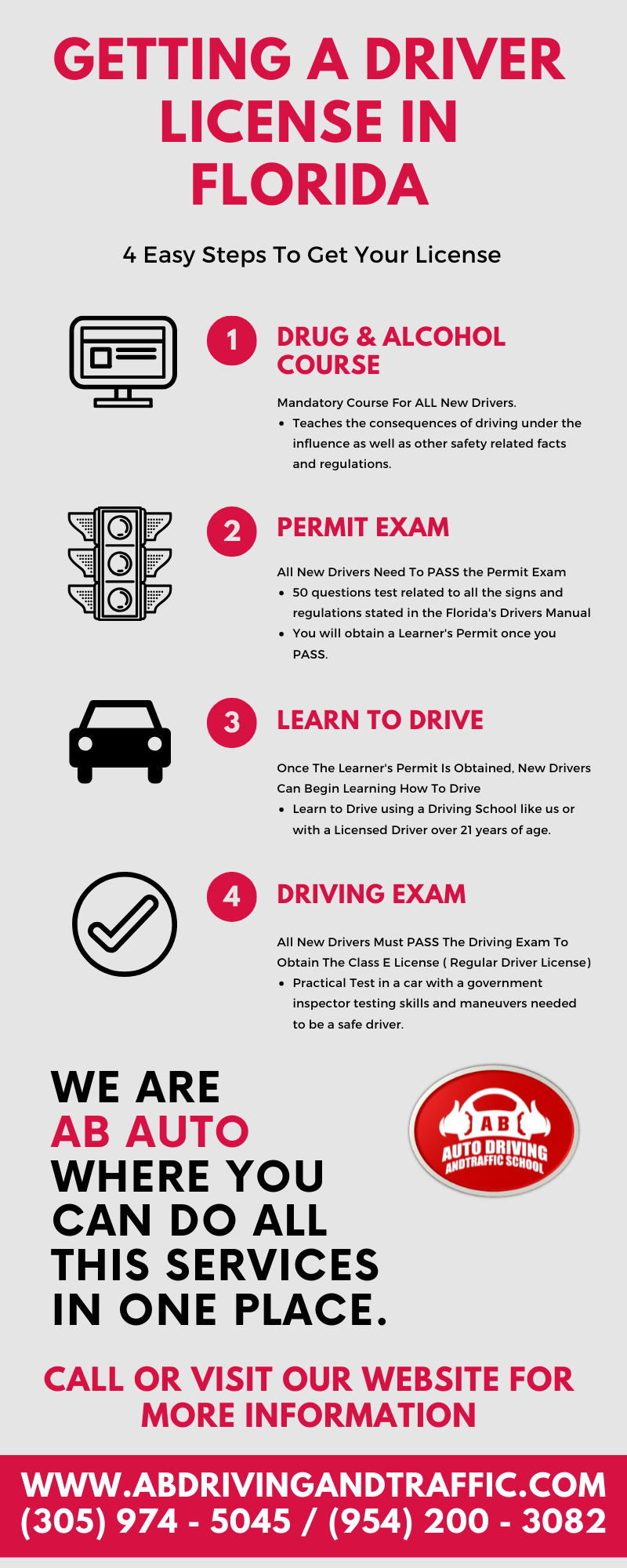
For visitors from other United States states, the process is generally straightforward. Your valid driver’s license issued by any U.S. state, U.S. territory, or the District of Columbia is recognized in Florida. This means you typically do not need to obtain a special permit or a Florida driver’s license if you are visiting for tourism or a temporary stay. The key is that your license must be current and valid. It’s always a good practice to carry your physical license with you at all times when operating a vehicle. If you plan to establish residency in Florida, you will be required to obtain a Florida driver’s license within 30 days of becoming a resident. This involves visiting a local office of the Florida Department of Highway Safety and Motor Vehicles (FLHSMV), passing a vision test, and potentially a written and driving test if your out-of-state license is expired or has certain restrictions. However, for most temporary visitors from other U.S. states, your existing license is sufficient for enjoying the scenic drives from Jacksonville to Naples.
International Driving Permits for Overseas Travelers
International visitors to Florida typically need to present their valid driver’s license issued by their country of residence. While Florida law allows non-U.S. citizens to drive in the state using their foreign driver’s license, it is strongly recommended that international travelers also carry an International Driving Permit (IDP). An IDP is a document recognized in over 150 countries that translates your domestic driver’s license into multiple languages, making it easier for law enforcement to interpret your credentials. It is not a standalone license but rather a supplement to your valid national driver’s license.
To obtain an IDP, you must apply in your home country through an authorized organization, such as your national automobile association, before traveling to the United States. It cannot be issued in the U.S. The IDP is usually valid for one year and requires a current passport-style photo, an application form, and a fee. While it may not be strictly legally required in all situations in Florida, carrying an IDP can significantly simplify interactions with rental car agencies, insurance companies, and law enforcement, especially if your national driver’s license is not in English. Countries like Canada, Mexico, and many in Europe, Asia, Africa, and Australia/New Zealand have agreements that make an IDP a wise precaution for anyone planning to drive extensively, perhaps exploring coastal towns like St. Augustine or the vibrant arts scene of Sarasota.
Vehicle Registration and Insurance Requirements
Beyond the driver’s license, any vehicle operated in Florida must meet certain registration and insurance requirements. If you are renting a car, the rental agency will handle the vehicle’s registration, and mandatory liability insurance is usually included in the rental agreement, though additional coverage options are often available. It is advisable to review these insurance options carefully, especially for international visitors, to ensure adequate protection.
For those driving their own vehicle into Florida from another state, your vehicle must be properly registered in your home state and carry valid insurance that meets Florida’s minimum coverage requirements. Florida is a no-fault insurance state, meaning drivers are typically required to carry Personal Injury Protection (PIP) and Property Damage Liability (PDL) coverage. While your out-of-state insurance policy may be sufficient for a temporary visit, it’s prudent to confirm with your insurance provider that your policy extends to Florida and meets its minimum standards. This preparation ensures you can confidently navigate popular destinations from Tampa’s cultural attractions to Fort Lauderdale’s bustling waterways.
Recreational Pursuits: Fishing and Boating Permits
Florida’s abundant waters, encompassing the Atlantic Ocean, the Gulf of Mexico, and countless freshwater lakes and rivers, make it a haven for fishing and boating enthusiasts. These activities are central to the state’s tourism and lifestyle offerings, attracting millions each year. However, to preserve these natural resources and ensure public safety, specific permits and licenses are required. Whether you’re planning a deep-sea fishing excursion off Miami Beach or a leisurely boat ride around Clearwater Beach, understanding these regulations is essential for a legal and enjoyable experience.
Understanding Florida Fishing Licenses
Anyone 16 years of age or older who wishes to fish in Florida’s freshwaters or saltwater, from shore or boat, generally needs a Florida fishing license. There are separate licenses for freshwater and saltwater fishing, although combination licenses are available. These licenses are issued by the Florida Fish and Wildlife Conservation Commission (FWC).
Who Needs a License?
- Residents and Non-Residents: Both Florida residents and non-residents are required to have a fishing license.
- Exceptions: Certain individuals may be exempt, such as children under 16, residents fishing from their homestead property, and individuals fishing from a pier that has purchased a pier fishing license covering all anglers. Always check the latest FWC guidelines for specific exemptions.
How to Obtain a License:
- Online: The easiest way to get a license is through the Go Outdoors Florida website, where you can purchase and print your license instantly.
- In Person: Licenses can be purchased at most bait and tackle shops, sporting goods stores (like Bass Pro Shops or West Marine), and tax collector’s offices across the state.
- By Phone: You can also purchase licenses over the phone through the FWC’s licensing system.
Required Information: You’ll typically need to provide your full name, date of birth, address, and proof of residency if applying for a resident license. Non-residents will need similar identification.
Costs and Validity: Licenses vary in cost depending on residency, duration (from 3-day to annual), and type (freshwater, saltwater, or combination). For instance, a 3-day non-resident saltwater license is ideal for a short vacation in the Florida Keys, while an annual combination license suits longer stays or frequent visits. Revenues from license sales directly support conservation efforts and management of Florida’s fisheries.
Remember that possessing a license is just one part of responsible angling. Anglers must also adhere to catch limits, size limits, and seasonal restrictions for various species, all of which are detailed on the FWC website. This ensures the sustainability of popular fishing spots near Fort Myers and Pensacola.
Boating Safety Education Requirements
Operating a boat in Florida’s waters is a quintessential experience, whether you’re navigating the canals of Fort Lauderdale or exploring the intercoastal waterways near Sarasota. To enhance safety and prevent accidents, Florida has specific boating safety education requirements, particularly for younger operators.
Who Needs Boating Education?
- Age Requirement: Anyone born on or after January 1, 1988, who operates a motorboat with 10 horsepower or more is required to have successfully completed an approved boating safety course and possess a Boating Safety Education Identification Card.
- Exemptions: Operators who are accompanied on board by a person 18 years of age or older who possesses the Boating Safety Education ID Card, or those operating boats on private lakes or ponds, may be exempt. Visitors operating boats with a valid license from another state or country (and meeting their state/country’s education requirements) are also typically exempt for up to 90 days.
How to Fulfill the Requirement:
- Approved Courses: Boating safety courses are offered by various organizations, including the United States Coast Guard Auxiliary, United States Power Squadrons, and several online providers. These courses cover essential topics such as navigation rules, safety equipment, emergency procedures, and responsible boating practices.
- Boating Safety Education ID Card: Upon successful completion of an approved course, you will receive a Boating Safety Education ID Card (often referred to simply as a “boating license” by many). This card must be carried onboard when operating a vessel that meets the horsepower criteria.
Key Considerations for Boat Rentals: Many boat rental agencies in Florida will require you to demonstrate proficiency or provide proof of boating education before allowing you to rent a vessel. If you do not meet the age requirement or do not have the ID card, some rental agencies may offer a temporary certificate after a brief educational orientation. However, it is always best to come prepared, especially if you plan to enjoy water sports or cruising in areas like Tampa Bay or near Amelia Island. Prior completion of the safety course ensures you can rent and operate a boat with confidence and compliance.
Exploring Florida’s Natural Wonders: Park Entry and Camping Permits
Florida’s natural beauty extends far beyond its famous beaches. The state is home to an incredible network of state parks, national parks, and preserves, offering diverse ecosystems from wetlands and pine forests to coral reefs. These protected areas provide unparalleled opportunities for hiking, wildlife viewing, kayaking, and camping. To maintain their pristine condition and manage visitor flow, specific entry fees, passes, and camping permits are often required. Planning ahead for these permits will ensure seamless access to some of Florida‘s most breathtaking natural landmarks.
State Parks and National Preserves
Florida State Parks are jewels offering a wide range of outdoor activities. From the stunning springs near Gainesville to the historic sites around St. Augustine, each park has a unique charm. Most state parks charge a nominal entry fee per vehicle or per person, which can be paid upon arrival at the park entrance. These fees contribute directly to the maintenance and preservation of the parks.
For frequent visitors, purchasing an annual Florida State Parks Pass can be a cost-effective option. The pass grants unlimited entry to most state parks for the pass holder and up to eight other people in the same vehicle for a full year. Passes can be purchased at any state park ranger station or online. This is an excellent investment for those planning extended stays or multiple trips to parks like Myakka River State Park or Bahia Honda State Park in the Florida Keys.
Florida also boasts several significant national parks and preserves, each with its own entry fee structure.
- Everglades National Park: A vast wilderness in South Florida, known for its unique ecosystem and wildlife. Entry fees are typically per vehicle or per person and are valid for seven consecutive days.
- Biscayne National Park: Mostly underwater, offering incredible snorkeling and diving opportunities. While there’s no entry fee for the land-based visitor center, access to the water requires personal boats or authorized tour operators.
- Dry Tortugas National Park: Located 70 miles west of Key West, this remote park is only accessible by ferry or seaplane. Entry fees are typically included in the transportation cost, but separate camping permits are required.
- Big Cypress National Preserve: Adjoining the Everglades, this preserve is popular for hiking, paddling, and hunting. Day-use is often free, but specific activities like backcountry camping or hunting require permits.
For national parks, the America the Beautiful – National Parks & Federal Recreational Lands Pass provides access to all national parks and federal recreational lands for a year. This pass is ideal for visitors planning to explore multiple national sites across the United States.
Camping Reservations and Backcountry Permits
Camping in Florida’s natural settings, whether in a tent under the stars or in an RV, offers an immersive experience. Due to high demand, especially during peak seasons, making advance reservations for campsites is strongly recommended.
State Park Camping:
- Reservations: Campsite reservations for Florida State Parks can be made up to 11 months in advance through the Florida State Parks website or via phone. Each campsite typically includes a nightly fee, which varies by park and amenities (e.g., electric hookups).
- Types of Camping: Options include primitive tent sites, developed RV sites with full hookups, and even cabin rentals in some parks. Popular coastal parks like John Pennekamp Coral Reef State Park fill up quickly, so early booking is crucial.
National Park and Preserve Camping:
- Everglades National Park: Offers both front-country campgrounds (reservable via recreation.gov) and extensive backcountry camping opportunities. Backcountry camping requires a permit, which must be obtained in person at a park visitor center up to 24 hours in advance of your trip. This ensures safety and resource protection in the remote wilderness.
- Dry Tortugas National Park: Has a small, primitive campground on Garden Key that requires advance reservation. This unique camping experience provides access to incredible snorkeling and stargazing.
- Big Cypress National Preserve: Offers several campgrounds with varying amenities, some reservable and some first-come, first-served. Backcountry permits for hiking and primitive camping are also required and can typically be obtained at ranger stations.
When planning any backcountry excursion, whether it’s backpacking along a segment of the Florida National Scenic Trail or paddling through the Everglades, always check the specific park’s regulations for required permits. These permits often involve an orientation or safety briefing to ensure visitors are well-prepared for the challenges of Florida’s unique wilderness. Adhering to these permit requirements helps protect these invaluable natural resources for future generations to enjoy.
Special Considerations for Longer Stays and Relocation
For those captivated by Florida’s allure and considering a longer stay or permanent relocation, the permit landscape expands beyond typical tourist activities. From establishing a professional career to managing personal property, various licenses and permits become relevant, touching upon aspects of lifestyle, accommodation, and even business ventures. Understanding these requirements is a crucial step in transitioning from a visitor to a resident or long-term guest in the Sunshine State.
Professional Licenses and Business Permits
Florida’s dynamic economy attracts entrepreneurs and professionals seeking new opportunities. However, almost every profession and business operation in Florida requires specific licensing or permits.
- Professional Licensing: Professions such as healthcare, law, real estate, cosmetology, and engineering are regulated by various state boards and departments. Individuals moving to Florida with existing licenses from other states or countries will need to apply for licensure by endorsement or complete specific Florida-specific requirements. The process often involves background checks, examinations, and demonstrating compliance with state standards. Resources like the Florida Department of Business and Professional Regulation (DBPR) are invaluable for navigating these requirements.
- Business Permits: Starting a business in Florida, whether it’s a small shop in Daytona Beach, a tourism venture in Orlando, or a tech startup in Miami, involves multiple layers of permits. These can include:
- Business Tax Receipts (formerly Occupational Licenses): Required at the county and sometimes city level (e.g., Miami-Dade County, City of Tampa).
- Employer Identification Number (EIN): From the IRS if you have employees.
- Sales Tax Permit: Required for businesses selling taxable goods or services, obtained from the Florida Department of Revenue.
- Specific Industry Licenses: Restaurants need food permits from the Florida Department of Health or Department of Business and Professional Regulation, while construction companies require contractor licenses.
- Zoning and Building Permits: For establishing a physical location, local government permits are necessary to ensure compliance with zoning laws and building codes.
The complexity of these permits underscores the importance of consulting with local government agencies and possibly legal counsel when planning to establish a business or professional practice in Florida.
Concealed Weapon or Firearm Licenses
Florida is a state that recognizes the right to bear arms, and it issues Concealed Weapon or Firearm Licenses (CWFL) to eligible individuals. While not directly related to tourism in the traditional sense, understanding this permit is part of the broader “How To Get Permit In Florida” discussion, particularly for residents or long-term visitors interested in exercising this right as part of their lifestyle in the state.
Eligibility and Application:
- Residency: Applicants must generally be a U.S. citizen or a permanent resident alien and a resident of Florida. Non-residents may obtain a license if they meet the specific requirements and hold a valid license from a reciprocal state.
- Age: Must be 21 years of age or older.
- Training: Requires proof of competency with a firearm, typically satisfied by completing an approved firearms training course.
- Background Check: Applicants undergo a comprehensive background check by the Florida Department of Agriculture and Consumer Services (FDACS), which is the issuing authority.
- Disqualifying Factors: Certain criminal convictions, mental health adjudications, or domestic violence restraining orders can disqualify an applicant.
Carrying and Reciprocity:
- A Florida CWFL allows the licensee to carry a concealed firearm or weapon in many public places, with specific restrictions for certain locations (e.g., schools, courthouses, airports).
- Florida has reciprocity agreements with many other states, meaning a Florida CWFL may be recognized in those states, and licenses from those states may be recognized in Florida. It’s crucial to verify reciprocity laws before traveling with a firearm.
Applying for a CWFL is a detailed process that can take several weeks or months. Interested individuals should consult the FDACS website for the most up-to-date requirements and application procedures. This permit reflects a specific aspect of individual liberty within Florida’s legal framework and is a significant consideration for those making the state their permanent home, whether in bustling Tallahassee or the calmer locales of Sanibel Island.
In conclusion, the range of permits in Florida is as diverse as its landscapes and lifestyle offerings. From the essential driving credentials for traversing its scenic routes and the recreational licenses needed to enjoy its abundant natural resources, to the complex professional and personal permits for those establishing roots, careful planning and adherence to regulations are key. By understanding and proactively securing the necessary permits, you ensure that your experience in the Sunshine State, whether as a temporary visitor or a long-term resident, is both enjoyable and fully compliant with local laws. This guide serves as a foundational resource, encouraging deeper exploration into specific requirements as they pertain to your unique journey in Florida.
LifeOutOfTheBox is a participant in the Amazon Services LLC Associates Program, an affiliate advertising program designed to provide a means for sites to earn advertising fees by advertising and linking to Amazon.com. Amazon, the Amazon logo, AmazonSupply, and the AmazonSupply logo are trademarks of Amazon.com, Inc. or its affiliates. As an Amazon Associate we earn affiliate commissions from qualifying purchases.