
Obtaining a Police Clearance Certificate (PCC) in New York is a crucial step for many individuals, particularly those planning to travel abroad, seeking employment, or applying for immigration purposes. This document, also known as a criminal history record or police certificate, serves as official verification that an individual has no criminal record on file with the New York Police Department (NYPD) or other relevant law enforcement agencies within the state. While the process might seem daunting, understanding the requirements and steps involved can streamline the application. This guide aims to provide a comprehensive overview of how to secure your Police Clearance Certificate in New York, focusing on its relevance to international travel and personal documentation needs.

Understanding the Purpose and Requirements of a Police Clearance Certificate
A Police Clearance Certificate is not a universal document issued by a single entity for all of New York. Instead, its issuance depends on the specific jurisdiction and the applicant’s residency history within the state. For individuals who have resided in New York City, the primary authority is the New York Police Department (NYPD). For those who have lived in other parts of New York State, the process might involve county sheriffs’ offices or state police.
The primary purpose of a PCC is to confirm an individual’s clean criminal record. This is vital for:
- International Travel and Immigration: Many countries require a PCC as part of their visa application process, especially for long-term stays, work permits, or permanent residency. It demonstrates that the applicant is not considered a security risk.
- Employment: Some employers, particularly in sensitive sectors or those involving international operations, may request a PCC as part of their background check.
- Adoption and Foster Care: Individuals seeking to adopt or become foster parents may need to provide a PCC to ensure the safety and well-being of children.
- Licensing and Professional Certifications: Certain professional licenses or certifications might necessitate a clean criminal record.
It is imperative to ascertain which agency is the correct one to apply to based on your residency history. If you have lived in multiple locations within New York, you may need to obtain separate certificates from each relevant jurisdiction.
Eligibility Criteria
Generally, to be eligible for a PCC from the NYPD, you must have been a resident of New York City at some point. The certificate will reflect your criminal history within the NYPD’s jurisdiction. For those residing outside New York City but within New York State, the process typically involves contacting the sheriff’s office of the county you resided in, or potentially the New York State Police for statewide records if applicable.
Required Documentation
The documentation required can vary slightly, but generally, applicants will need:
- Proof of Identity: A valid government-issued photo identification document is mandatory. This could include a driver’s license, state ID, passport, or a military ID.
- Proof of Residency: Documents that verify your past residency in New York are often required. This might include utility bills, lease agreements, or official mail addressed to you at the New York address. The period of residency for which the certificate is requested should be clearly stated.
- Application Form: You will need to complete an official application form provided by the issuing agency. This form will ask for personal details, residency history, and the reason for the PCC request.
- Fingerprints: In most cases, applicant fingerprints are required to conduct a thorough background check. These are typically taken electronically by the issuing agency or an authorized third-party service.
- Application Fee: There is usually a fee associated with processing the PCC application, which can be paid via money order, cashier’s check, or sometimes online.
Navigating the Application Process with the New York Police Department (NYPD)
For residents and former residents of New York City, the NYPD is the primary point of contact for obtaining a Police Clearance Certificate. The process has been largely digitized to enhance efficiency and accessibility.
Step-by-Step Application Guide for NYPD
- Visit the Official NYPD Website: The application process typically begins online. Navigate to the official New York Police Department website and locate the section dedicated to Police Certificates or Criminal History Records.
- Complete the Online Application: You will be guided through an online application form. It is crucial to fill out all required fields accurately. This includes your full legal name, date of birth, social security number (if applicable and requested), address history within New York City, and contact information. Be precise with dates of residency.
- Schedule an Appointment for Fingerprinting: Most applications require the applicant to submit fingerprints. The online system will usually allow you to schedule an appointment at an NYPD precinct or a designated fingerprinting location within New York City. Be aware that appointment availability can vary.
- Attend Your Fingerprinting Appointment: Arrive at your scheduled appointment on time with all the necessary identification and any other documents requested. The fingerprinting process is usually quick and performed by trained personnel.
- Submit Payment: Pay the required application fee. The online system or the fingerprinting location will provide details on accepted payment methods. Keep a receipt of your payment.
- Await Processing and Issuance: After your fingerprints are taken and payment is processed, the NYPD will conduct a background check. The processing time can vary, but it typically takes several business days to a few weeks. You will be informed of the estimated turnaround time.
- Receive Your Certificate: Once processed, the Police Clearance Certificate will be mailed to the address you provided on your application, or you may be notified to pick it up in person, depending on the NYPD’s current policy. Some agencies may offer an electronic version as well.
Tips for a Smooth Application
- Accuracy is Key: Double-check all information provided on the application form for any errors, especially dates and addresses.
- Early Application: Apply well in advance of your travel or deadline, as processing times can be unpredictable.
- Contact the NYPD Directly: If you have any specific questions or encounter issues, do not hesitate to contact the NYPD’s Records Division or the relevant department for assistance. Their contact information is usually available on their official website.
- Understand the Scope: The NYPD certificate primarily covers arrests and criminal activity within New York City. If you have resided in other parts of New York State, you may need to seek certificates from those jurisdictions as well.
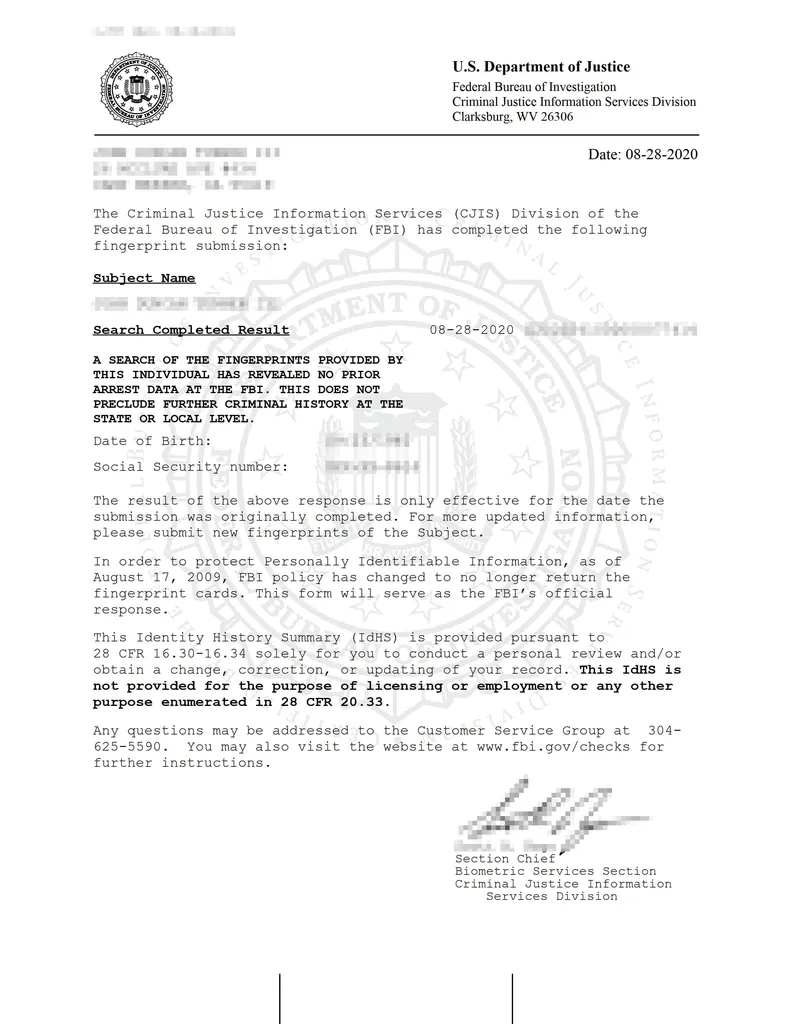
Obtaining a Police Clearance Certificate Outside New York City
For individuals whose residency history lies outside the five boroughs of New York City, the process shifts to county-level or state-level authorities.
Applications Through County Sheriff’s Offices
Many counties in New York State have their own sheriff’s departments, which may be responsible for issuing criminal history information and Police Clearance Certificates for residents within their jurisdiction.
- Identify the Correct County Sheriff’s Office: Determine the county or counties in New York State where you resided. Locate the official website for each respective county sheriff’s office.
- Check Their Specific Requirements: Sheriff’s offices often have distinct application procedures, required documents, and fees. Their websites are the best source for this information. You may need to download an application form or contact them directly to inquire about the process.
- Submit Application and Fingerprints: Similar to the NYPD process, you will likely need to submit an application form, proof of identity and residency, and have your fingerprints taken. This might require an in-person visit to the sheriff’s office or a designated fingerprinting partner.
- Payment and Processing: Be prepared to pay any associated fees and wait for the processing of your application.
State-Level Police Clearance (If Applicable)
While less common for general PCCs, some specialized situations or if you have lived in multiple counties with no single sheriff’s office being comprehensive enough, might require inquiry with the New York State Police. However, the State Police typically handle criminal record information at a broader level and might direct you to local authorities for a standard PCC. It’s always best to confirm with them directly if you believe a statewide record check is necessary for your specific needs.
International Travel Considerations and Legalization
When a Police Clearance Certificate is required for international purposes, such as visa applications for countries like Canada, the United Kingdom, or Australia, there are often additional steps to consider.
Translation and Apostille/Legalization
- Translation: If the destination country’s official language is not English, you will likely need an official translation of your PCC. Ensure the translator is certified and that the translation meets the requirements of the foreign embassy or consulate.
- Apostille or Legalization: For official use in countries that are signatories to the Hague Convention, your PCC may need an Apostille. This is a form of certification that authenticates the origin of the document. If the destination country is not a member of the Hague Convention, you will need to go through a more extensive legalization process, which typically involves authentication by the New York Department of State and then by the embassy or consulate of the destination country in the United States.
The process for obtaining an Apostille or legalization typically involves submitting the original PCC (and its translation, if required) to the appropriate government office, usually the New York Department of State. This office will verify the authenticity of the issuing agency’s signature and seal. After receiving the Apostille, you may then need to present the document to the foreign country’s consulate or embassy.
Specific Country Requirements
Always verify the exact requirements of the country for which you need the PCC. Embassies and consulates provide detailed information on their websites regarding the type of certificate needed, its validity period, and any specific formatting or authentication requirements. For instance, some countries may require a PCC that covers a specific period of your life, while others may want a comprehensive record of your entire time residing in New York.
Validity Period
Police Clearance Certificates typically have a limited validity period, often ranging from three to six months from the date of issuance. Ensure that the PCC you obtain is current enough for your application. If it expires before you can use it, you will need to reapply.

Conclusion: A Necessary Step for Global Mobility
Obtaining a Police Clearance Certificate in New York is an essential administrative task that facilitates various life transitions, from international relocation to new career opportunities. While the process requires attention to detail and adherence to specific agency protocols, understanding the steps involved—whether dealing with the NYPD or county-level authorities—makes it manageable. By gathering the necessary documents, accurately completing applications, and being aware of potential internationalization requirements like translations and Apostilles, individuals can successfully acquire this vital document, paving the way for their future endeavors both within and beyond the borders of New York.
LifeOutOfTheBox is a participant in the Amazon Services LLC Associates Program, an affiliate advertising program designed to provide a means for sites to earn advertising fees by advertising and linking to Amazon.com. Amazon, the Amazon logo, AmazonSupply, and the AmazonSupply logo are trademarks of Amazon.com, Inc. or its affiliates. As an Amazon Associate we earn affiliate commissions from qualifying purchases.