
Embarking on a career in real estate in Texas offers a unique blend of professional challenge and unparalleled lifestyle flexibility. For those with a keen interest in diverse destinations, a passion for travel, and an appreciation for the vast opportunities the Lone Star State presents, becoming a licensed real estate agent can be a truly rewarding path. Texas isn’t just a growing economic powerhouse; it’s a vibrant tapestry of cultures, landscapes, and experiences, making it an exciting market for real estate professionals. Whether your interest lies in bustling urban centers, serene coastal getaways, or historic towns rich in local culture, a real estate license opens doors to a dynamic career where every day can bring a new adventure. This guide will walk you through the essential steps to obtaining your real estate license, seamlessly integrating how this professional journey aligns with a life enriched by exploration and an understanding of various types of accommodation, from residential homes to investment properties in popular tourism hotspots.
Why a Real Estate Career in Texas? Unlocking Lifestyle and Opportunity
Texas stands as a beacon of economic growth and opportunity, consistently attracting new residents and businesses from across the nation and the globe. This influx fuels a robust real estate market, creating significant demand for knowledgeable and dedicated real estate professionals. Beyond the sheer volume of transactions, a real estate career here offers a unique lifestyle proposition, allowing agents to blend their professional pursuits with personal passions, including the joy of discovering new places and connecting with diverse communities.
The Allure of the Lone Star State Market
The economic landscape of Texas is incredibly diverse, encompassing booming technology sectors in Austin, energy and medical innovation in Houston, finance and fashion in Dallas, and a rich historical and cultural tapestry in San Antonio. This diversity translates directly into a varied and resilient real estate market. Agents can specialize in a myriad of property types, from luxury urban apartments and sprawling suburban family homes to vast ranchlands and commercial properties like boutique hotels or charming bed-and-breakfast resorts catering to travelers.
The constant growth across major metropolitan areas like Dallas-Fort Worth, Houston, and Austin means a continuous stream of buyers and sellers, from first-time homeowners to seasoned investors. Furthermore, the appeal of Texas’s lower cost of living compared to other major U.S. states, combined with its business-friendly environment, continues to draw a dynamic population, ensuring a steady demand for housing and commercial spaces. For a real estate agent, this vibrant market offers not just stability but also exciting prospects for specialization and high earning potential.
A Lifestyle That Travels With You
One of the most appealing aspects of a real estate career in Texas, especially for those who cherish flexibility and exploration, is the inherent mobility and variety it offers. As an agent, your “office” can extend across the state. You’ll have the opportunity to visit various destinations, from historic towns brimming with landmarks to burgeoning new communities, gaining an intimate understanding of each area’s unique character and real estate appeal.
Imagine assisting a client in finding a waterfront vacation home in Galveston or Corpus Christi, then later helping a business family relocate to a vibrant neighborhood in Austin. You’ll constantly be on the move, experiencing the diverse geography, architecture, and local economies of Texas. This career path naturally integrates elements of travel and discovery into your professional life, whether it’s navigating the bustling streets of Houston for a showing or exploring a charming, historic district in San Antonio. It’s a job that rewards those with a natural curiosity and a desire to truly understand the places and people that make Texas so special, offering a genuine blend of luxury travel experiences through high-end property dealings and down-to-earth exploration for all clients.
Navigating the Path to Licensure: Your Step-by-Step Guide
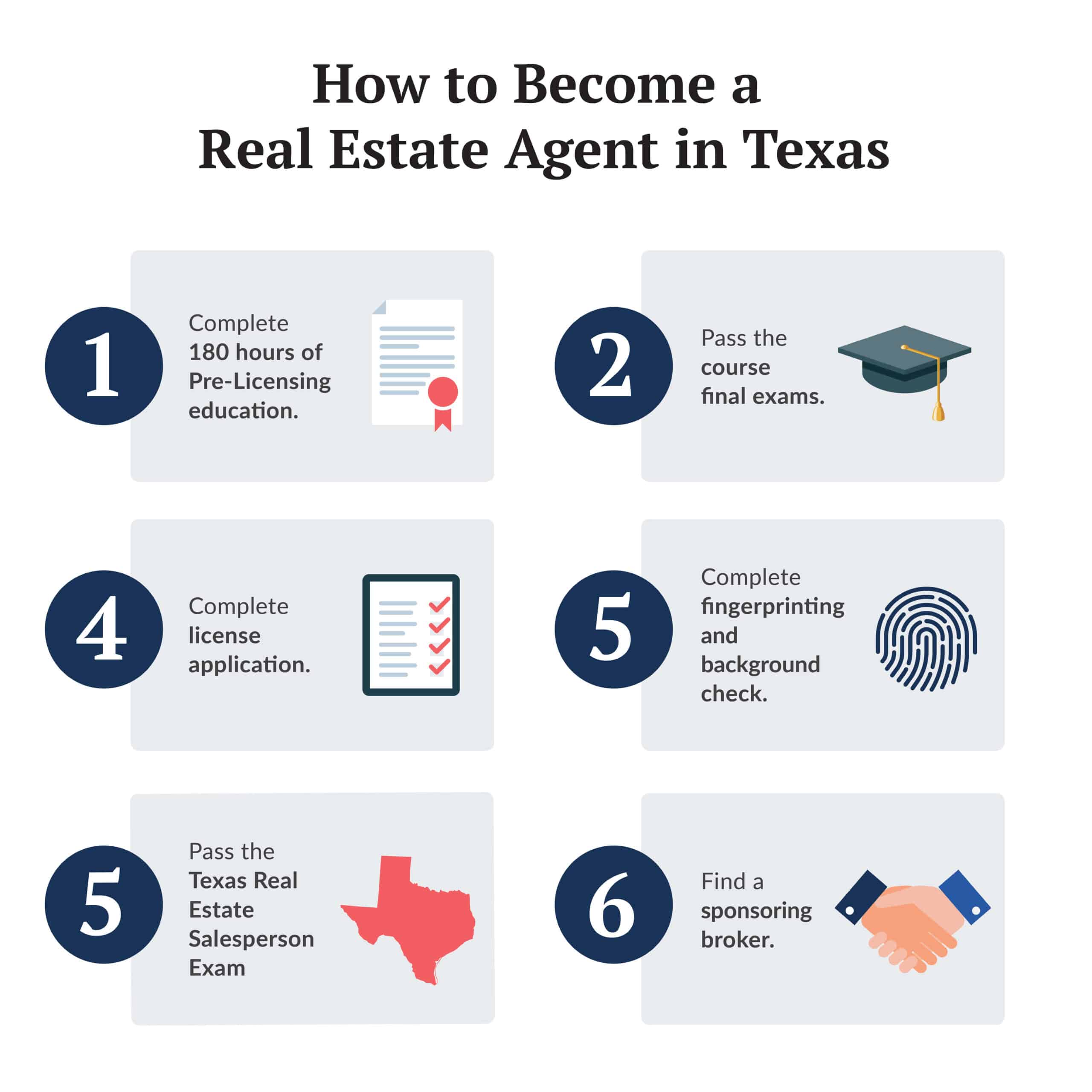
Obtaining a real estate license in Texas is a structured process governed by the Texas Real Estate Commission (TREC). While it requires dedication to education and examination, the steps are clear and designed to ensure that all licensed professionals are competent and ethical.
Meeting Eligibility Requirements
Before you even begin your education, you’ll need to confirm you meet the basic eligibility criteria set by TREC:
- Age: You must be at least 18 years old.
- Citizenship/Residency: You must be a citizen of the United States or a lawfully admitted alien.
- Texas Residency: You do not need to be a resident of Texas to apply, but the license is valid only for transactions within Texas.
- Moral Character: TREC requires applicants to be of good moral character. This involves a background check, including fingerprinting, which will be part of the application process. Any past criminal offenses could affect your eligibility, so it’s wise to consult TREC’s rules regarding criminal history if you have concerns.
Education: The Foundation of Your Career
The core of your licensing journey involves completing 180 hours of pre-licensing education from an approved provider. These courses are designed to equip you with the fundamental knowledge and principles necessary to practice real estate effectively and ethically. The required courses include:
- Principles of Real Estate I (30 hours): Covers basic real estate concepts, property rights, land use controls, and environmental regulations.
- Principles of Real Estate II (30 hours): Delves into agency relationships, real estate contracts, ethical practices, and fair housing laws.
- Law of Agency (30 hours): Focuses specifically on the legal aspects of agency relationships in real estate transactions, a critical component for protecting both clients and agents.
- Law of Contracts (30 hours): Provides an in-depth understanding of contract law as it applies to real estate, including valid contracts, common clauses, and remedies for breach.
- Promulgated Contracts Forms (30 hours): Teaches the proper use and understanding of the contract forms mandated by TREC, essential for smooth and legally compliant transactions.
- Real Estate Finance (30 hours): Explores financing options, loan types, and the overall financial aspects of real estate transactions, which is crucial for helping clients navigate purchases, especially for diverse accommodation types.
These courses can be taken in various formats, including online, in-person, or a hybrid approach, offering flexibility for those balancing work, family, or even existing travel plans. The knowledge gained from these courses extends beyond just residential sales; it provides a comprehensive foundation for understanding investment properties, commercial spaces, and even the nuances of hotels or resorts from a transactional perspective.
Application and Exam Preparation
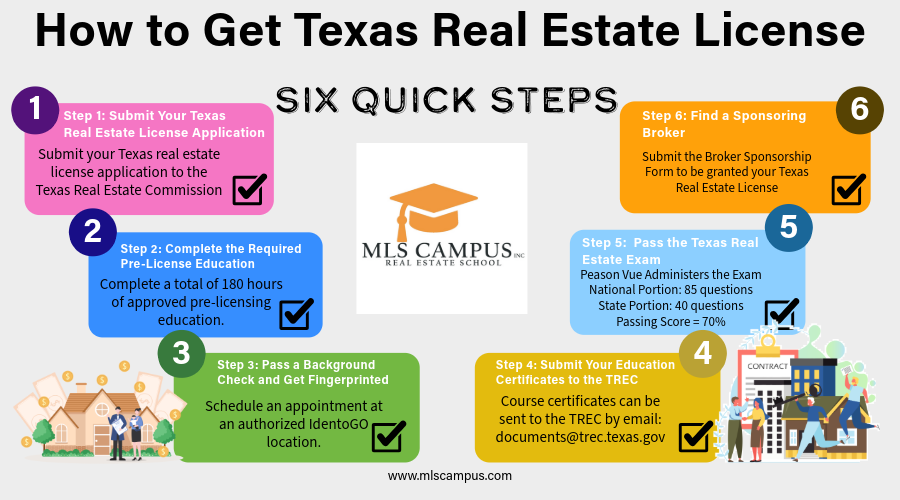
Once you’ve completed your 180 hours of pre-licensing education, the next step is to apply for your license with TREC. This involves submitting your application form, proof of education completion, and paying the required fees. As part of this process, you will receive instructions for fingerprinting, which is necessary for the mandatory background check.
After TREC processes and approves your application (and your background check clears), you’ll receive an eligibility letter. This letter grants you permission to schedule your real estate licensing examination. Effective exam preparation is paramount. Many education providers offer review courses, practice exams, and study guides tailored to the Texas exam. Dedicate ample time to review all course material, paying close attention to state-specific laws and forms, as these often present the most significant challenge for test-takers.
Passing the Texas Real Estate Exam
The Texas Real Estate Salesperson Exam is a rigorous test designed to ensure all licensees possess a high level of competency. It consists of two parts:
- National Portion: Covers general real estate principles and practices that are common across most states.
- State Portion: Focuses specifically on Texas real estate laws, rules, and promulgated forms.
You must pass both sections to receive your license. The exam is administered by a third-party testing service, usually in a proctored environment. It’s crucial to arrive well-rested and prepared. Should you not pass on your first attempt, TREC allows multiple re-takes, though there are waiting periods and additional fees. Thorough preparation, however, significantly increases your chances of success on the initial try, allowing you to move quickly toward launching your new career.
Beyond the License: Launching Your Texas Real Estate Career
Obtaining your license is a major milestone, but it’s just the beginning. The steps that follow are crucial for establishing a successful and fulfilling career in the dynamic Texas real estate market, connecting your professional aspirations with a lifestyle of continuous learning and exploration.
Activating Your License and Broker Sponsorship
In Texas, a new salesperson license must be sponsored by an active Texas real estate broker to become active. This means you cannot legally practice real estate until you’ve found a sponsoring broker. Choosing the right brokerage is a critical decision that can significantly impact your career trajectory. Consider factors such as:
- Training and Mentorship: Many brokerages offer comprehensive training programs for new agents, which can be invaluable for learning the practical aspects of the business.
- Company Culture: Find a brokerage whose values align with yours, whether it’s a focus on luxury travel clients, budget travel property investments, or a family-oriented approach to real estate.
- Specialization: Some brokers specialize in particular niches, such as residential sales, commercial properties, property management, or even vacation rentals and hotels, which might appeal to your interests in accommodation and tourism.
- Commission Splits and Fees: Understand the financial structure, including how commissions are shared and any monthly fees you might incur.
Take your time interviewing with different brokers. This is your opportunity to ask questions, understand their support systems, and find a professional home where you can thrive and grow your business.
Continuous Growth and Specialization
The real estate industry is constantly evolving, and continued education is not just a requirement but a cornerstone of a successful career. TREC mandates Continuing Education (CE) hours for license renewal, ensuring agents stay current with legal changes, market trends, and best practices. Beyond the mandatory CE, consider pursuing specialized designations and certifications. These can help you stand out in a competitive market and attract specific types of clients. For example:
- Resort and Second-Home Property Specialist (RSPS): Ideal for agents interested in properties in tourism hotspots like Galveston or near major resorts and attractions.
- Certified Luxury Home Marketing Specialist (CLHMS): Appeals to those aiming for the high-end residential market, often correlating with clients interested in luxury travel and exclusive accommodation.
- Commercial Real Estate: For agents interested in larger investments, including shopping centers, office buildings, or even hotels and industrial properties, which often involves complex booking and contractual agreements.
Specializing allows you to develop deep expertise in a particular area, making you a go-to resource for clients and enhancing your professional reputation. This continuous learning aligns perfectly with a lifestyle of growth and intellectual curiosity.
Exploring Diverse Real Estate Markets in Texas
As a licensed agent in Texas, the entire state becomes your potential playground. Each region offers unique opportunities and caters to different clientele, making your professional life as varied and engaging as the state itself.
- Austin: Known as a tech hub and “Live Music Capital of the World,” Austin’s market is vibrant and highly competitive, attracting young professionals, tech entrepreneurs, and those seeking a unique lifestyle rich in culture, food, and outdoor activities. From urban condos to sprawling suburban homes, the demand here is strong.
- Dallas-Fort Worth: This sprawling metroplex offers a diverse market ranging from upscale Dallas neighborhoods with luxury travel amenities to the more traditional, Western-heritage-rich areas of Fort Worth. It’s a hub for corporate relocations and a strong market for both residential and commercial properties, including many prominent hotels and high-rise suites.
- Houston: The energy capital of the world boasts a robust and diverse real estate market. With its international appeal, world-class medical center, and thriving arts and food scene, Houston offers opportunities in everything from single-family homes to high-density urban living and significant commercial developments, including major business stays accommodation.
- San Antonio: Rich in history and culture, San Antonio is home to iconic landmarks like The Alamo and the famous Riverwalk. Its real estate market caters to a mix of long-term residents, military families, and investors interested in properties that can serve the strong tourism industry, including vacation rentals or historic preservation projects.
- Coastal Regions (Galveston, Corpus Christi): For agents drawn to the allure of the sea, these coastal destinations offer opportunities in vacation homes, beachfront properties, and properties catering to seasonal visitors. Understanding the dynamics of tourism and long-term stay options is key in these markets.
Becoming a real estate agent in Texas is more than just obtaining a license; it’s an invitation to a multifaceted career that deeply integrates with the state’s vibrant lifestyle, diverse destinations, and endless opportunities for professional growth and personal exploration. By following the outlined steps, you can confidently embark on this exciting journey, ready to discover the vast potential that awaits you in the Texas real estate market.
LifeOutOfTheBox is a participant in the Amazon Services LLC Associates Program, an affiliate advertising program designed to provide a means for sites to earn advertising fees by advertising and linking to Amazon.com. Amazon, the Amazon logo, AmazonSupply, and the AmazonSupply logo are trademarks of Amazon.com, Inc. or its affiliates. As an Amazon Associate we earn affiliate commissions from qualifying purchases.