
Navigating the bureaucratic landscape of official identification can often feel like a daunting task, especially when it comes to obtaining a document as crucial as the REAL ID. For residents of New York, understanding the process is key to ensuring seamless travel and access to federal facilities in the near future. The REAL ID Act, passed by Congress in 2005, established minimum security standards for state-issued driver’s licenses and identification cards. These enhanced security features are designed to prevent identity theft and terrorism. Starting May 7, 2025, a REAL ID compliant license or identification card, or another acceptable form of identification, will be required to board commercial aircraft and enter certain federal facilities. This guide aims to demystify the process for obtaining your REAL ID in New York, ensuring you are well-prepared and avoid any last-minute complications.

Understanding REAL ID Requirements in New York
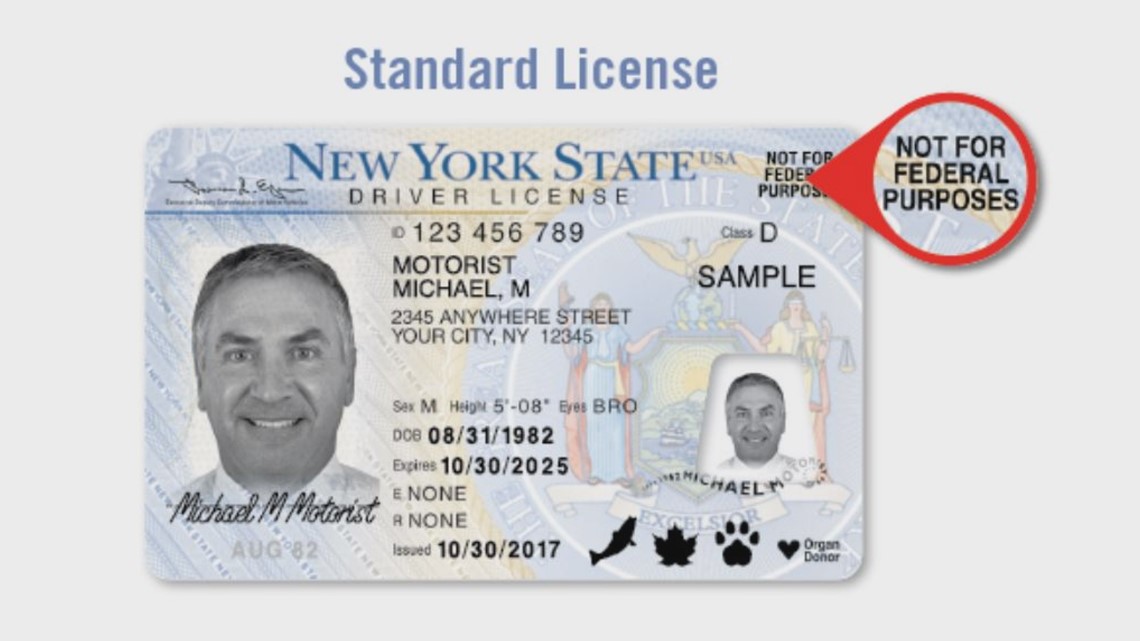
The REAL ID card looks similar to a standard New York State driver’s license or non-driver ID but features a distinguishing mark – a small golden star in a circle – indicating its compliance with federal standards. This star is your visual confirmation that the card meets the stringent security requirements set forth by the REAL ID Act. It’s important to differentiate between a standard New York State license and a REAL ID compliant one. While both are issued by the New York State Department of Motor Vehicles (DMV), only the REAL ID will be accepted for federal purposes after the deadline.
Why You Need a REAL ID
The primary impetus for obtaining a REAL ID is its future necessity for air travel. Beginning May 7, 2025, if you plan to fly domestically within the United States, you will need a REAL ID compliant license or ID card to pass through TSA checkpoints. This applies to all individuals aged 18 and older. Beyond air travel, REAL ID will also be required for entry into federal buildings, including courthouses, federal prisons, and military bases that do not have specialized identification checks. It’s worth noting that other forms of federal identification, such as a U.S. passport, passport card, or Department of Defense ID, will also be acceptable for these purposes. However, for everyday convenience and to avoid carrying multiple forms of identification, upgrading to a REAL ID is often the most practical solution for New York residents.
Eligibility and Application Process Overview
To be eligible for a REAL ID in New York, you must be a resident of the state and possess a valid New York State driver’s license or non-driver ID. The application process involves proving your identity and residency through a series of required documents. Unlike previous renewals where you might have been able to complete certain steps online, obtaining a REAL ID typically requires an in-person visit to a New York State Department of Motor Vehicles (DMV) office. This is because the DMV needs to verify your original documents and capture your photograph for the new, more secure card. While this might seem like an inconvenience, it’s a crucial step in ensuring the integrity of the REAL ID system.
Gathering Your Required Documentation
The cornerstone of a successful REAL ID application in New York is the meticulous collection of specific documents. The New York State DMV has a structured approach to verification, requiring proof in several categories. Failing to bring the correct documentation is the most common reason for application delays or rejections, so it’s essential to prepare thoroughly. The DMV provides a handy online tool, the “Document Guide,” which allows you to select the documents you have and it will generate a personalized checklist. This is a highly recommended resource to ensure you have everything you need before your appointment.
Proof of Identity
You will need to provide at least one document that proves your identity. This document must contain your full legal name and date of birth. Acceptable primary documents include:
- A New York State driver’s license or non-driver ID (if it’s not already a REAL ID).
- A United States passport.
- A United States passport card.
- A United States military ID card.
- A United States military dependent ID card.
- A Permanent Resident Card.
- A foreign passport with a valid United States visa and I-94.
- An Employment Authorization Card.
The key here is that the name on the document must match your current legal name. If your name has changed due to marriage or any other legal reason, you will need to provide documentation to support that change, which we will discuss later.
Proof of Social Security Number
You must also provide proof of your Social Security number (SSN). Acceptable documents include:
- Your Social Security card.
- A W-2 form (with your SSN).
- A pay stub (with your SSN).
- A SSA-1099 form.
If you do not have a Social Security card, you can obtain a replacement from the Social Security Administration. However, be aware that this can take time, so it’s best to start this process well in advance if needed.
Proof of Date of Birth
While some of the identity documents listed above also serve as proof of date of birth, you might need an additional document if your primary proof of identity does not clearly display your full date of birth. Generally, the identity documents suffice for this requirement.
Proof of New York Residency
You will need to present two different documents that prove you are a New York resident. These documents must be current and show your New York address. Examples include:
- A New York State driver’s license or non-driver ID (if it’s not a REAL ID and you’re using it as proof of identity).
- A New York State vehicle registration.
- A mortgage statement or lease agreement.
- A utility bill (e.g., electric, gas, water) issued within the last 60 days.
- A bank statement issued within the last 60 days.
- A New York State tax return.
- A Social Security benefits statement.
- A homeowners or renters insurance policy.

It is crucial that these documents bear your current New York address. If you have recently moved, ensure your updated address is reflected on at least one of the residency documents, or be prepared to provide proof of your address change.
Proof of Name Change (If Applicable)
If your current legal name is different from the name that appears on your proof of identity document, you must provide original or certified copies of legal documents that demonstrate the name change. This can include:
- A marriage certificate.
- A divorce decree.
- A court order for a name change.
Each document must clearly link your previous name to your current name. For example, if you are married and your driver’s license shows your maiden name but you are applying under your married name, you would need your marriage certificate.
Navigating the In-Person Application at the DMV
Once you have meticulously gathered all your required documents, the next step is to visit a New York State DMV office. It is highly recommended to schedule an appointment in advance to minimize your wait time. Many DMV offices offer online appointment scheduling, which can save you hours of waiting. Arriving early for your appointment is also a good strategy.
Scheduling Your Appointment
The New York State DMV website is your primary resource for scheduling appointments. Look for the “Appointments” section. You will likely need to provide your current driver’s license or non-driver ID number. Be prepared to select the type of service you require, which in this case is a REAL ID application. Remember that DMV offices can be busy, especially during peak hours, so planning ahead is key.
What to Expect at the DMV Office
Upon arrival at the DMV office, you will typically join a queue or proceed to a designated window based on your appointment. A DMV representative will review your documents to ensure they are complete and valid. They will verify the authenticity of your documents and confirm that they meet all the requirements for a REAL ID. After your documents are processed, you will likely be asked to have your photograph taken for the new REAL ID card. Your signature will also be captured.
Fees and Processing Time
There is a fee associated with obtaining a REAL ID. This fee is typically the same as the fee for a standard New York State driver’s license or non-driver ID. You can usually find the current fee schedule on the New York State DMV website. The processing time for your REAL ID can vary. In some cases, you may receive a temporary REAL ID on the spot, with the permanent card mailed to you within a few weeks. In other instances, the permanent card may be mailed directly to your address. It’s important to ask the DMV representative about the expected timeline for receiving your REAL ID card.
Alternatives to a REAL ID and Future Considerations
While obtaining a REAL ID is becoming increasingly necessary for certain federal purposes, it’s important to know that there are alternatives available. Understanding these options can help you make the best decision for your personal circumstances. Furthermore, staying informed about any updates or changes to REAL ID requirements is crucial.
Acceptable Alternatives for Travel and Federal Facilities
As mentioned earlier, a REAL ID is not the only document that will grant you access to commercial aircraft and secure federal facilities after May 7, 2025. Other acceptable forms of identification include:
- United States Passport
- United States Passport Card
- United States Department of Homeland Security Trusted Traveler Cards (Global Entry, NEXUS, SENTRI, FAST)
- United States Military ID or military dependent ID
- Permanent Resident Card
- Foreign government-issued passport
- Canadian provincial driver’s license or Indian and Northern Affairs Canada ID
- Transportation Worker Identification Credential (TWIC)
- U.S. Citizenship and Immigration Services Employment Authorization Card (I-766)
- United States Merchant Mariner Credential
- A tribal identification card that meets federal security standards
If you frequently travel internationally, already possess a valid United States passport, or have one of the other listed federal identification options, you may not need to obtain a REAL ID. However, for convenience and ease of access to domestic flights and federal buildings, a REAL ID is often the most practical choice.
Keeping Your REAL ID Up-to-Date
Just like any other driver’s license or identification card, your REAL ID will have an expiration date. It is essential to be aware of this date and to renew your REAL ID before it expires to avoid any lapse in its federal acceptance. The renewal process for a REAL ID is generally similar to renewing a standard driver’s license, but always check the New York State DMV website for the most up-to-date renewal procedures and requirements. It’s also important to note that any changes to your legal name or address will require you to update your REAL ID accordingly, which may involve another in-person visit to the DMV and providing supporting documentation.
The Importance of Planning Ahead
The deadline for REAL ID compliance is fast approaching. It is strongly advised to begin the process of obtaining your REAL ID well in advance of May 7, 2025. DMV offices can experience increased demand as the deadline nears, leading to longer wait times and potential difficulties in securing appointments. By proactively gathering your documents and scheduling your visit, you can ensure a smooth and stress-free experience. A REAL ID is more than just an identification card; it’s a gateway to future travel and access, and preparing for it now will save you considerable effort later.
LifeOutOfTheBox is a participant in the Amazon Services LLC Associates Program, an affiliate advertising program designed to provide a means for sites to earn advertising fees by advertising and linking to Amazon.com. Amazon, the Amazon logo, AmazonSupply, and the AmazonSupply logo are trademarks of Amazon.com, Inc. or its affiliates. As an Amazon Associate we earn affiliate commissions from qualifying purchases.