
Navigating the process of obtaining a state identification card in Colorado is a crucial step for many residents, whether for everyday identification, opening bank accounts, or accessing various services. The Colorado Division of Motor Vehicles (DMV) oversees the issuance of these essential documents. This guide provides a comprehensive overview of how to secure your official state ID, ensuring a smooth and efficient experience.
Understanding Your Colorado State ID
A Colorado state identification card, often referred to as a state ID, is a government-issued credential that serves as proof of identity and residency. Unlike a driver’s license, it does not grant driving privileges. It is a valuable tool for individuals who do not drive or those who prefer a dedicated identification document separate from their driving permit. These IDs are vital for a multitude of activities, including age verification for purchasing alcohol or tobacco, accessing government buildings, claiming benefits, and boarding domestic flights without a driver’s license. The security features embedded in the state ID are designed to prevent fraud and ensure its legitimacy.
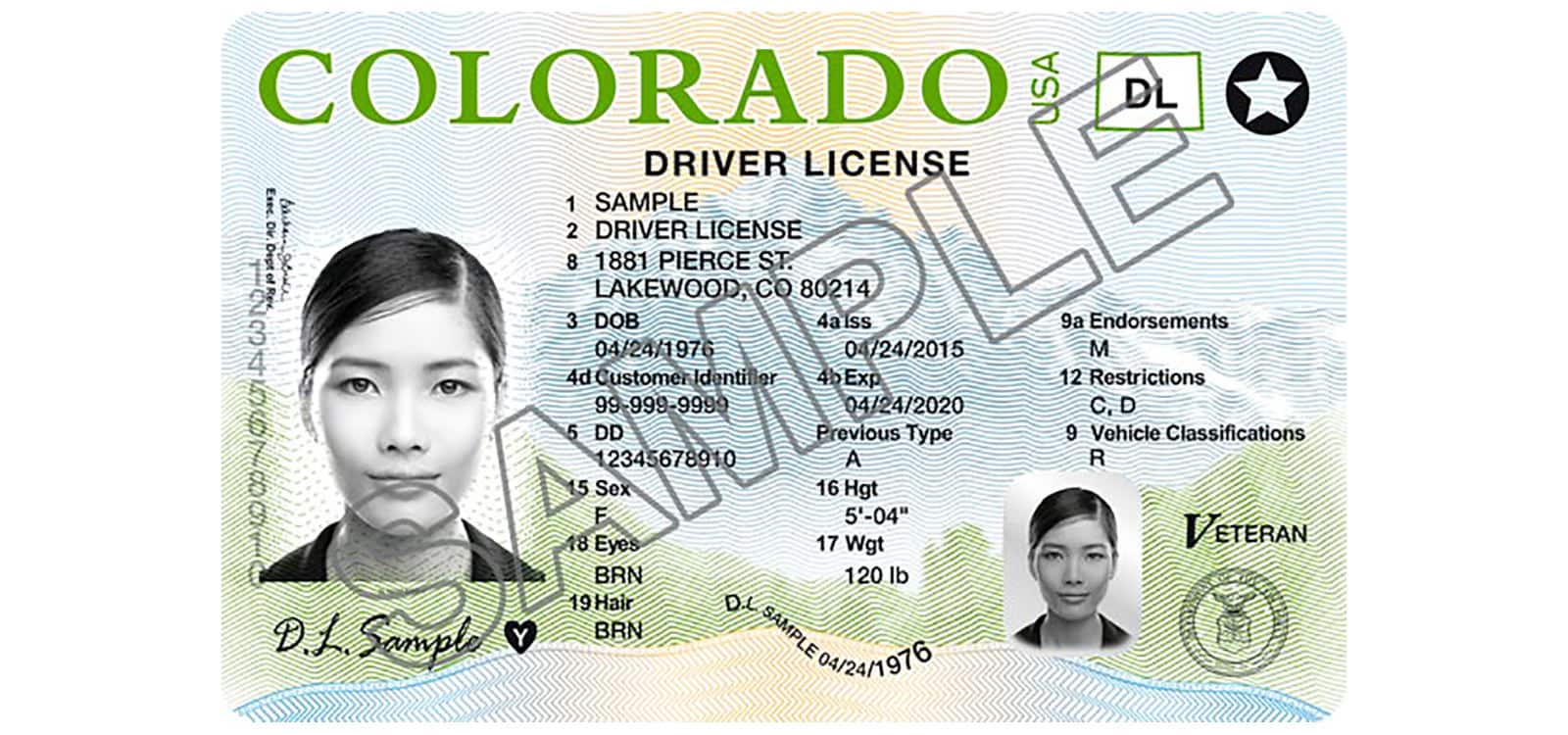
Types of Identification Cards
Colorado offers several types of state identification cards tailored to specific needs. The standard state ID is available to all Colorado residents who meet the eligibility requirements. For seniors, there are specific considerations, and while a distinct “senior ID” card might not be formally issued, senior citizens can obtain a standard state ID that serves their needs. Similarly, individuals with disabilities can acquire a state ID, and there may be provisions for special notations or features depending on the applicant’s circumstances. It’s important to note that a Commercial Driver’s License (CDL) is a separate credential for operating commercial vehicles and is not the same as a standard state ID.
Eligibility Requirements
To be eligible for a Colorado state identification card, applicants must meet specific criteria set forth by the Division of Motor Vehicles. The primary requirement is proof of identity and legal presence in the United States. This typically involves presenting a birth certificate or a valid U.S. passport. Additionally, applicants must provide proof of their Colorado residency. This can be demonstrated through documents such as utility bills, lease agreements, or bank statements bearing the applicant’s name and Colorado address. Social Security numbers are also generally required, though exceptions may apply under certain circumstances, such as for individuals who cannot provide proof of a Social Security number. Applicants must be at least Colorado state law may have specific age requirements, and it’s advisable to check the most current regulations for the minimum age to obtain a state ID.
The Application Process: Step-by-Step
Obtaining a Colorado state identification card involves several distinct steps, from gathering necessary documents to visiting a DMV office. Understanding this process beforehand will streamline your application and minimize potential delays.
Gathering Required Documents
The most critical part of the application process is assembling the correct documentation. Failure to present the appropriate paperwork is the most common reason for application rejection. Applicants will need to provide:
- Proof of Identity and Legal Presence: This includes original documents such as a certified U.S. Birth Certificate, a U.S. Passport (valid or expired by no more than 10 years), a Certificate of Citizenship, or a Certificate of Naturalization.
- Proof of Social Security Number: This can be a Social Security card, a W-2 form, or a pay stub with your name and Social Security number. If you do not have a Social Security number, you may need to provide proof of ineligibility.
- Proof of Colorado Residency: You will need two distinct documents that show your current Colorado address. Acceptable documents include utility bills (gas, electric, water), bank statements, mortgage statements, rental agreements, or insurance policies. The documents must be current and clearly display your name and Colorado address.
- Proof of Legal Name Change (if applicable): If your current name differs from the name on your identity document (e.g., due to marriage or divorce), you must provide an original or certified copy of a marriage certificate, divorce decree, or court order reflecting the legal name change.
It is highly recommended to visit the official Colorado Division of Motor Vehicles website or contact them directly to obtain the most up-to-date list of acceptable documents and any specific requirements, as these can change.
Scheduling an Appointment
While some Colorado DMV offices may accommodate walk-in customers, it is strongly advised to schedule an appointment in advance. Appointments significantly reduce your waiting time and ensure that a customer service representative is available to assist you. Appointments can typically be scheduled online through the Colorado DMV website or by phone. When scheduling, select the option for a state identification card or a similar service. Arrive at your appointment a few minutes early to allow time for check-in.
Visiting a DMV Office
On the day of your appointment, report to the designated Colorado DMV office. You will be called to a service window where a DMV representative will review your documents, verify your identity, and process your application. Be prepared to answer questions about your application and your residency in Colorado.
The Photo and Signature
A critical part of the process is having your photograph taken for the identification card. The DMV has specific guidelines for photos, which include looking directly at the camera, having a neutral expression, and ensuring your face is clearly visible. You will also be asked to provide your signature electronically. This signature will appear on your state ID.

Fees and Payment
There is a fee associated with obtaining a Colorado state identification card. The amount can vary, so it’s best to check the Colorado DMV website for the current fee schedule. Payment methods typically include cash, check, money order, and sometimes credit or debit cards. Ensure you have the correct form of payment ready.
Receiving Your State ID
Once your application is processed and approved at the DMV office, you will typically receive your official Colorado state identification card by mail.
Temporary Identification
In some cases, you may be issued a temporary paper identification document at the DMV office that is valid for a limited period until your permanent card arrives. This temporary document can serve as proof of identification for most purposes.
Mail Delivery
Your permanent state ID card will be mailed to the address you provided on your application. The processing and mailing time can vary, but it generally takes a few weeks for the card to arrive. If you do not receive your ID within the expected timeframe, contact the Colorado DMV for an update on its status.
What to Do if Your ID is Lost or Stolen
Losing your state ID or having it stolen can be a stressful experience, but it’s essential to take prompt action. You will need to apply for a replacement identification card. The process for obtaining a replacement is similar to the initial application, requiring proof of identity and residency. You may also need to report the loss or theft to the Colorado DMV and potentially to local law enforcement, especially if identity theft is suspected. There will be a fee for a replacement ID.
Special Considerations and Tips
Beyond the standard application process, there are a few special considerations and tips that can make obtaining your Colorado state ID even smoother.
For New Residents
If you are new to Colorado, you will need to establish residency and gather the required documents as outlined above. You will also need to ensure that any previous state identification or driver’s license from another state is surrendered or invalidated.
For Seniors and Individuals with Disabilities
While there isn’t a separate “senior” or “disability” ID card, seniors and individuals with disabilities can obtain a standard Colorado state ID. If there are specific needs or accommodations related to a disability, it’s advisable to discuss these with the DMV representative during your application process. They can advise on any available options or notations that might be relevant.
Keeping Your Information Updated
It is the responsibility of the cardholder to ensure that the information on their state ID is accurate and up-to-date. If you move or change your name, you are required to update your identification information with the Colorado DMV. This may involve visiting a DMV office and providing updated documentation.

Checking the Official DMV Website
The Colorado Department of Revenue’s Division of Motor Vehicles website is the definitive source for all information regarding state identification cards. It provides the most current requirements, fee structures, office locations, and online services. Always consult this official resource before beginning your application to ensure you have the latest information. This proactive approach will save you time and prevent common application errors.
LifeOutOfTheBox is a participant in the Amazon Services LLC Associates Program, an affiliate advertising program designed to provide a means for sites to earn advertising fees by advertising and linking to Amazon.com. Amazon, the Amazon logo, AmazonSupply, and the AmazonSupply logo are trademarks of Amazon.com, Inc. or its affiliates. As an Amazon Associate we earn affiliate commissions from qualifying purchases.