
While the thought of obtaining a teaching license in Texas might initially seem complex, especially when juxtaposed with the vibrant world of travel, hotels, and tourism, the process, when broken down, is quite manageable. Imagine planning an unforgettable journey to the heart of Texas, perhaps exploring the historic charm of San Antonio or the bustling metropolis of Dallas. In a similar vein, embarking on the path to becoming a certified educator in the Lone Star State requires careful planning, adherence to requirements, and a clear understanding of the steps involved. This guide aims to demystify the process, much like a seasoned travel guide would illuminate the hidden gems of a destination.
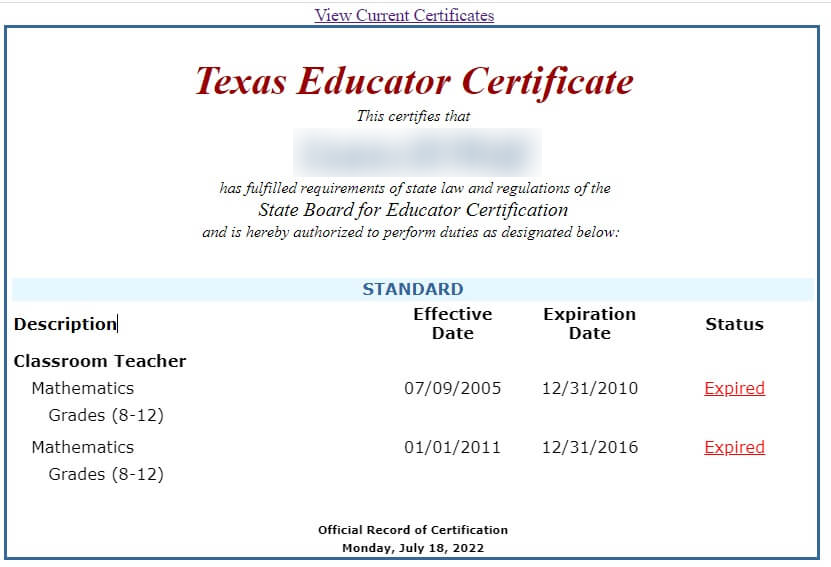
The Texas Education Agency (TEA) oversees the issuance of teaching credentials, ensuring that all educators meet a high standard of competency and preparedness. Whether your passion lies in igniting young minds in elementary school classrooms or shaping future professionals in secondary education, securing this license is your gateway. Think of it as acquiring a passport to a rewarding career, enabling you to contribute significantly to the educational landscape of Texas.
Understanding the Pathways to Certification
The journey to becoming a certified teacher in Texas is not a monolithic one; rather, it presents several distinct pathways, catering to individuals with varying educational backgrounds and experiences. This flexibility is akin to the diverse range of accommodation options available to travelers, from luxurious resorts to cozy apartments. Each pathway has its own set of prerequisites and procedures, designed to ensure that all certified teachers possess the foundational knowledge and practical skills necessary for effective instruction.
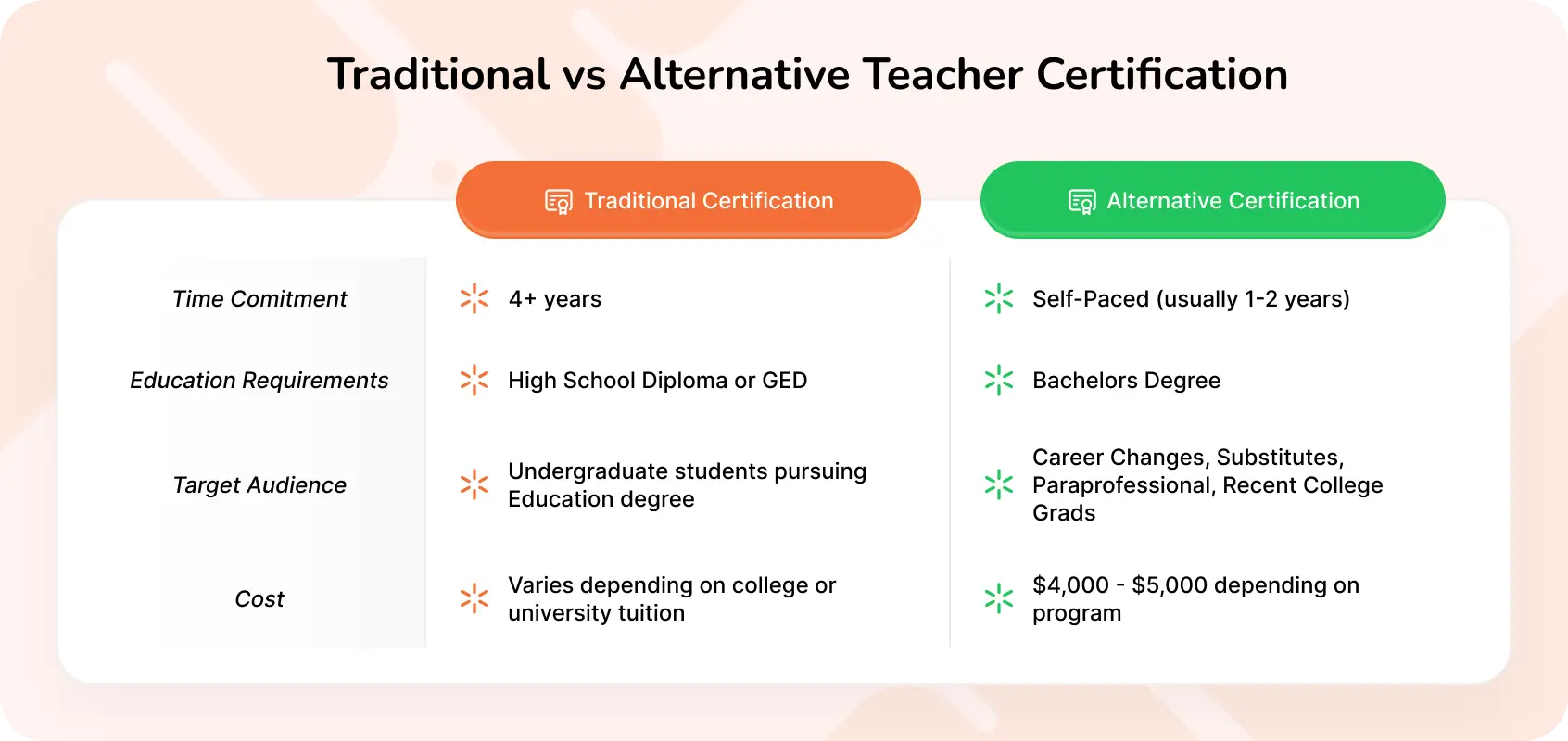
Traditional Route: Bachelor’s Degree and Educator Preparation Programs
For many aspiring educators, the most familiar route involves obtaining a bachelor’s degree from an accredited institution and subsequently enrolling in an approved Educator Preparation Program (EPP). These programs are designed to provide rigorous training in pedagogy, curriculum development, classroom management, and child development.
Key Components of the Traditional Route:
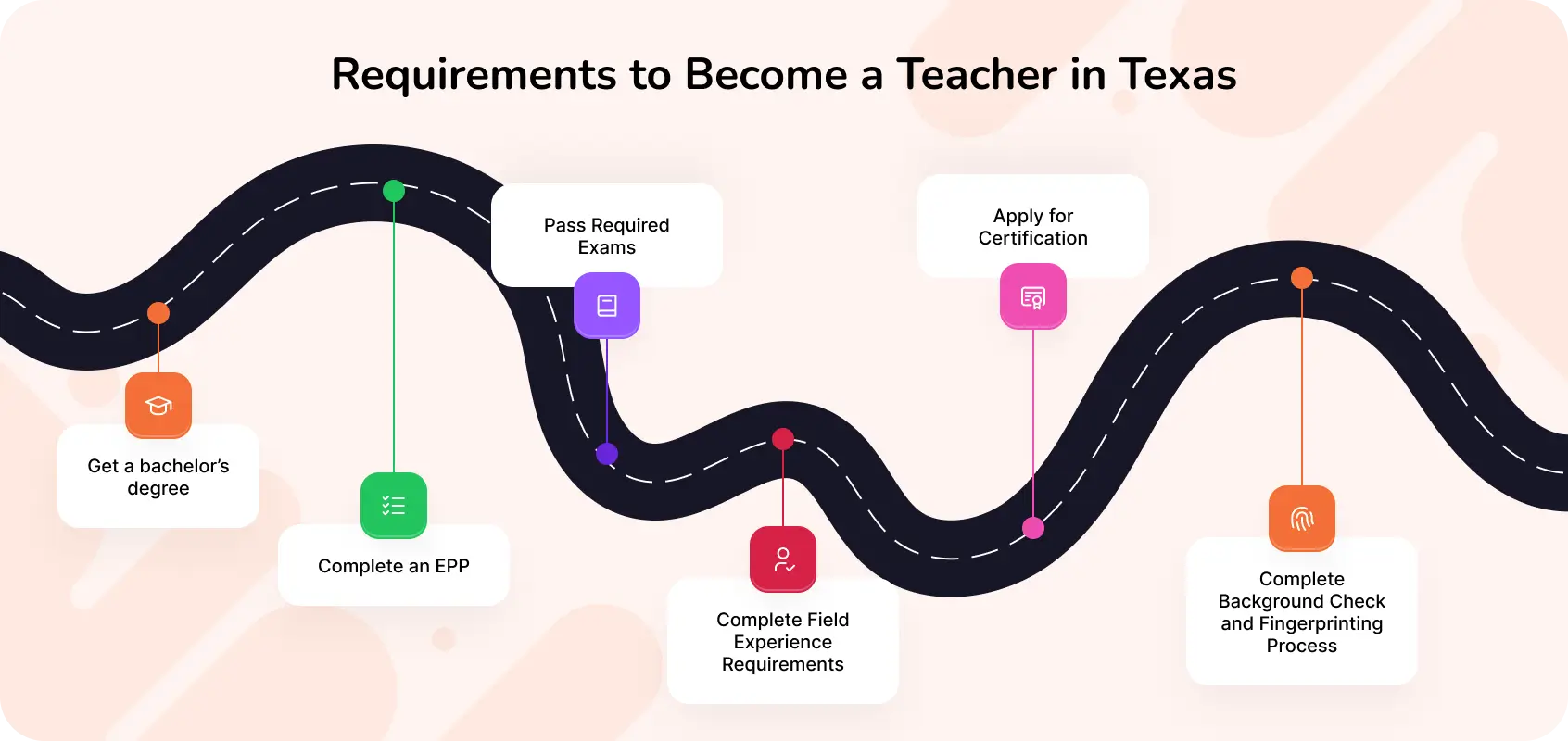
- Bachelor’s Degree: A four-year degree from a regionally accredited college or university is the fundamental requirement. This degree should ideally be in the subject area you intend to teach, although many EPPs can accommodate individuals with degrees in related fields.
- Educator Preparation Program (EPP): Once you have your degree, you will need to complete an EPP. These programs can be university-based (offered by colleges and universities) or alternative EPPs (offered by various organizations, often designed for individuals who already hold a bachelor’s degree). A good EPP will provide a comprehensive curriculum that blends theoretical knowledge with practical, hands-on experience. This is where you’ll learn the “how-to” of teaching, much like a travel guide details the “how-to” of navigating a new city.
- Field-Based Experience/Student Teaching: A crucial element of any EPP is the opportunity to gain practical experience in a real classroom setting. This often involves observations, assistant teaching roles, and ultimately, a period of supervised student teaching. This immersive experience is invaluable, allowing you to apply what you’ve learned in a supportive environment, much like staying in a well-appointed hotel suite provides comfort and a base for exploration.
- Content and Pedagogy Exams: Upon completion of your EPP, you will be required to pass standardized examinations administered by the state. These exams typically cover your subject matter knowledge (e.g., Mathematics, English Language Arts) and your understanding of teaching principles and practices (pedagogy). Passing these exams is a critical step in demonstrating your readiness to teach.
Alternative Certification Programs (ACPs)
For individuals who already hold a bachelor’s degree and are looking to transition into teaching without completing a traditional education degree, Alternative Certification Programs (ACPs) offer a streamlined path. These programs are often designed for working professionals who wish to bring their real-world expertise into the classroom. The structure of ACPs can vary, but they generally focus on providing the necessary pedagogical training and field experience in a more condensed timeframe.
Benefits of ACPs:
- Efficiency: ACPs are typically shorter than traditional EPPs, allowing individuals to enter the teaching profession more quickly. This can be appealing for those eager to begin their careers, much like finding a direct flight can save valuable time on a trip.
- Career Changers: They are an excellent option for individuals with strong backgrounds in specific fields, such as science, technology, engineering, and mathematics (STEM), who may not have an education degree but possess the subject matter expertise.
- Practical Focus: Many ACPs emphasize practical application and may offer opportunities for paid internships or residencies, allowing participants to earn while they learn.
Common ACP Requirements:
- A bachelor’s degree with a minimum GPA.
- Completion of specific coursework or training modules.
- Passing state certification exams.
- Often, a period of supervised teaching while under an internship or probationary certificate.
The Essential Examinations for Certification
Regardless of the pathway you choose, demonstrating your mastery of subject matter and teaching skills through standardized tests is a non-negotiable aspect of obtaining a teaching license in Texas. These examinations are designed to be rigorous, ensuring that only qualified individuals are entrusted with the education of the state’s youth. Think of these tests as the entrance exams to a highly sought-after destination; a little preparation goes a long way.
The TExES Exams: Your Gateway to Teaching
The Texas Examinations of Educator Standards (TExES) are the primary standardized tests that candidates must pass to become certified teachers in Texas. These comprehensive exams are administered by Educational Testing Service (ETS) on behalf of the TEA. They are designed to assess your knowledge and skills in two key areas: your specific subject matter and your general pedagogical competencies.
Types of TExES Exams:
- Content Area Exams: These tests evaluate your in-depth knowledge of the subject you intend to teach. For example, if you plan to teach high school biology, you will need to pass the TExES exam for that specific subject. The breadth of subjects covered is extensive, mirroring the diverse attractions one might find in a region like Europe.
- Pedagogy Exams: These exams assess your understanding of teaching strategies, classroom management techniques, curriculum development, student assessment, and the principles of child and adolescent development. The most common pedagogy exam is the Core Subjects EC-6 or Core Subjects 4-8, depending on the grade level you aim to teach.
Preparation Strategies:
- Study Guides and Practice Tests: ETS provides official study guides and practice tests for each TExES exam. These resources are invaluable for understanding the format, content, and difficulty level of the exams.
- EPP or ACP Resources: Your Educator Preparation Program or Alternative Certification Program will offer specific training and resources to help you prepare for the TExES exams.
- Review Your Coursework: Revisit your undergraduate coursework and any materials from your EPP or ACP, focusing on the specific content and pedagogical areas covered by the exams.
- Seek Study Groups: Collaborating with other aspiring teachers can provide a supportive learning environment and different perspectives on study material.
Passing the TExES exams is a significant milestone, validating your readiness to enter the classroom and begin shaping the future, much like successfully navigating a complex itinerary ensures a fulfilling travel experience.
Navigating the Application and Issuance Process
Once you have successfully completed your chosen preparation program and passed the required TExES examinations, the final step in obtaining your teaching license is to submit your application to the Texas Education Agency (TEA). This process requires meticulous attention to detail, ensuring all necessary documentation is submitted accurately and completely.
Submitting Your Application and Documentation
The application process is primarily handled online through the TEA’s Educator Certification Online System (ECOS). It’s akin to booking your dream vacation online; you need to provide all the correct details to secure your spot.
Key Steps in the Application Process:
- Create an ECOS Account: If you haven’t already done so, you will need to create an account on the TEA’s ECOS portal.
- Complete the Online Application: Fill out the application form accurately, providing all requested personal, educational, and professional information.
- Provide Supporting Documentation: This will typically include:
- Official transcripts from all post-secondary institutions attended.
- Verification of completion from your Educator Preparation Program (EPP) or Alternative Certification Program (ACP).
- Official score reports from your passed TExES exams.
- Documentation of any required background checks (fingerprinting).
- Pay Application Fees: There will be an application fee associated with processing your request.
- Background Check: All applicants must undergo a criminal background check, which includes fingerprinting. This is a standard procedure to ensure the safety of students.
Important Considerations:
- Accuracy is Key: Double-check all information and ensure it matches your official documents. Any discrepancies can cause significant delays.
- Deadlines: Be aware of any application deadlines, especially if you are part of a specific cohort or program.
- Processing Time: The TEA typically takes several weeks to process applications once all documentation is received. It’s advisable to apply well in advance of your desired start date.
The issuance of your teaching license is the culmination of your hard work and dedication. It represents your official entry into a noble profession, ready to make a lasting impact. Just as a well-planned trip leads to cherished memories, a well-executed application process leads to a fulfilling career in education.
In conclusion, while the process of getting a teaching license in Texas involves specific educational and examination requirements, it is an achievable goal for those passionate about education. By understanding the different pathways, diligently preparing for the TExES exams, and carefully navigating the application process, aspiring teachers can successfully obtain their credentials and begin their rewarding careers. This journey, much like exploring the diverse offerings of Texas, from its historical landmarks to its vibrant local culture, promises immense personal and professional satisfaction.
LifeOutOfTheBox is a participant in the Amazon Services LLC Associates Program, an affiliate advertising program designed to provide a means for sites to earn advertising fees by advertising and linking to Amazon.com. Amazon, the Amazon logo, AmazonSupply, and the AmazonSupply logo are trademarks of Amazon.com, Inc. or its affiliates. As an Amazon Associate we earn affiliate commissions from qualifying purchases.