
Navigating the intricacies of vehicle registration, especially when it involves temporary solutions, can be a perplexing experience for many. For those residing in or planning to drive a vehicle in the Lone Star State, understanding how to obtain temporary plates in Texas is a crucial piece of knowledge. Whether you’ve just purchased a car, are bringing a vehicle from out of state, or need a temporary solution for other reasons, this guide will walk you through the process, ensuring a smooth and compliant experience. This process is vital for anyone looking to enjoy Texas‘s vast landscapes and vibrant cities, from the bustling streets of Houston to the historic charm of San Antonio, or even venturing out to explore national treasures like the Big Bend National Park.
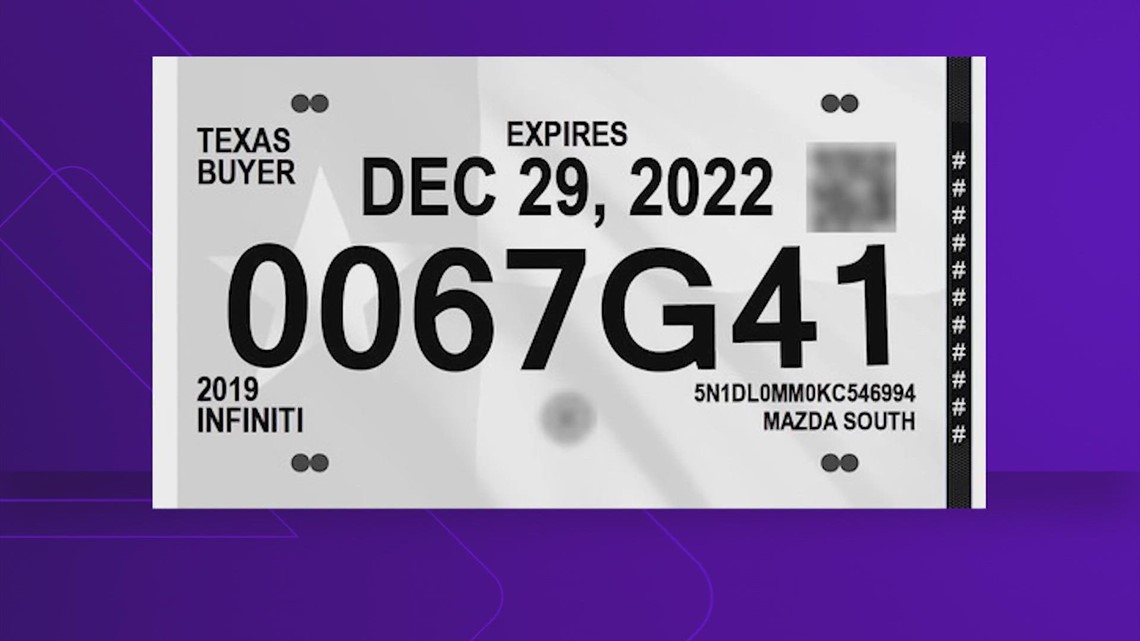
Temporary plates, often referred to as “temporary registration permits” or “temporary tags,” serve as a legal authorization for a vehicle to be operated on public roads for a limited period. This is particularly useful when a vehicle hasn’t yet received its permanent Texas registration and license plates. The necessity for temporary plates arises in several common scenarios, each with its own set of requirements and procedures. For travelers, it might be about ensuring a rental vehicle or a newly acquired car is legal for an extended exploration of Texas‘s diverse offerings, perhaps a road trip from the Gulf Coast to the Panhandle.
Understanding Temporary Plates in Texas
In Texas, the primary entity responsible for vehicle registration and titling is the Texas Department of Motor Vehicles (TxDMV). They set the rules and oversee the distribution of temporary permits. It’s important to distinguish between different types of temporary plates, as the eligibility and issuance process can vary. The most common types are those issued for newly purchased vehicles and those for vehicles being moved into Texas from another state.
The Purpose and Validity of Temporary Permits
Temporary plates are designed to bridge the gap between acquiring a vehicle and obtaining its permanent registration. They are not a substitute for full registration and have a defined expiration date. Driving with expired temporary plates is a violation of Texas law and can result in fines and penalties. The validity period typically ranges from 30 to 90 days, depending on the circumstances and the type of permit issued. This timeframe allows individuals sufficient time to complete the necessary paperwork, inspections, and insurance requirements for permanent registration. For residents planning to stay in Texas for an extended period, whether for business in Dallas or a leisurely vacation in the Texas Hill Country, having the correct temporary plates is essential.
For those planning extended stays or longer road trips, understanding these regulations is key to a hassle-free experience. Imagine planning a multi-city tour, perhaps visiting the Alamo in San Antonio, exploring the Museum District in Houston, or enjoying the vibrant nightlife of Austin. Without proper temporary plates, such adventures could be cut short by legal issues.
How to Obtain Temporary Plates for a Newly Purchased Vehicle
If you’ve recently bought a car, truck, or motorcycle from a dealership or a private seller in Texas, you’ll likely need temporary plates to drive it legally until you can register it permanently. The process differs slightly depending on the seller.
Purchasing from a Licensed Texas Dealership
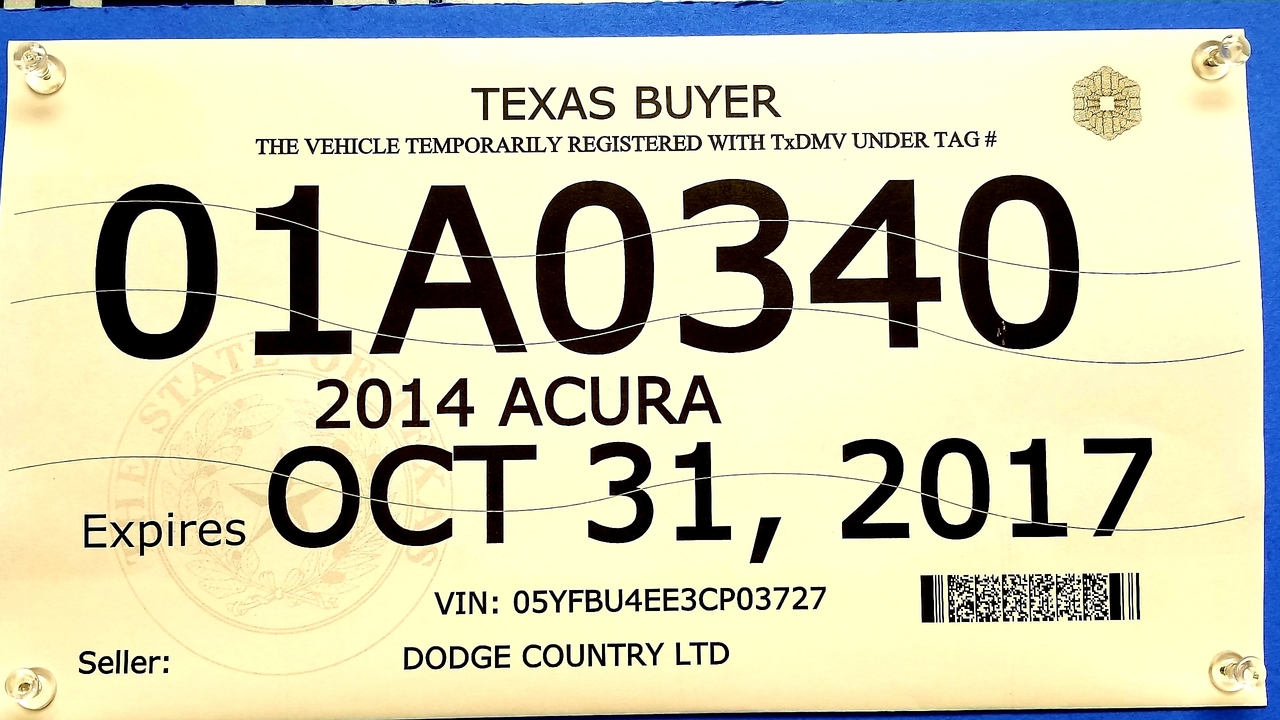
When you purchase a vehicle from a licensed Texas dealership, the dealer is legally obligated to provide you with a temporary registration permit. This permit is typically a paper tag that you affix to your vehicle. The dealership will usually handle the initial paperwork and fees associated with this temporary tag as part of the sale. They will also collect sales tax on the purchase, which is a requirement for registering the vehicle.
The temporary tag issued by a dealership is usually valid for a specific period, often 30 or 60 days. This allows you ample time to secure your permanent Texas license plates and registration. The dealership will give you all the necessary documentation, including the temporary tag and instructions on its proper display. It’s crucial to ensure the temporary tag is clearly visible on your vehicle as required by law.
Purchasing from a Private Seller in Texas
If you buy a vehicle from a private individual in Texas, the process for obtaining temporary plates is slightly different. The seller is not legally required to provide a temporary tag. In this scenario, you, as the buyer, are responsible for obtaining your own temporary registration permit.
To do this, you will need to visit a Texas county tax assessor-collector’s office. You will need to provide proof of ownership, such as a bill of sale and the vehicle’s title signed over to you. You will also need to provide proof of Texas liability insurance. The fee for a temporary permit varies but is generally a modest amount. The temporary plate obtained this way is typically valid for 30 days. This 30-day window is crucial for you to complete the title transfer, pay sales tax (if applicable), obtain a Texas vehicle inspection, and apply for your permanent registration.
For individuals moving to Texas with a newly purchased vehicle from a private seller, this initial step is vital to ensure they can legally drive their new acquisition while settling in.
Obtaining Temporary Plates for Vehicles from Out of State
Bringing a vehicle into Texas from another state, whether you’re moving to Texas or just visiting with your own car, also has specific requirements for temporary plates. This is especially relevant for individuals relocating to Texas and needing to drive their vehicle while getting it registered in the state.
Moving to Texas with Your Vehicle
If you are moving to Texas and bringing your out-of-state registered vehicle, you have a limited time to register it in Texas. Generally, new residents have 30 days after establishing residency to register their vehicle. Before you can get permanent Texas plates, you might need a temporary permit if your current out-of-state plates are expiring or if you need to drive the vehicle for a short period before completing the registration process.
You can typically obtain a temporary registration permit from a county tax assessor-collector’s office in Texas. You will need to provide proof of ownership (title, out-of-state registration), proof of Texas liability insurance, and potentially other documents depending on the county. These temporary permits are usually valid for 30 days and allow you to legally operate the vehicle while you finalize the title transfer, vehicle inspection, and permanent registration process. This is crucial for new residents who need to navigate their new city, perhaps getting acquainted with the public transit system in Dallas or the driving routes around Austin.
Temporary Use of Out-of-State Vehicles in Texas
If you are visiting Texas with a vehicle registered in another state, and your out-of-state plates are valid and current, you generally do not need Texas temporary plates. Texas law recognizes valid registration from other U.S. states. However, if you are staying in Texas for an extended period beyond the validity of your out-of-state registration, or if you have purchased a vehicle in Texas to use temporarily during your visit (and are not a Texas resident), you may need to seek a temporary registration permit.
The most straightforward approach for visitors is to ensure their current out-of-state registration and plates are valid for the duration of their stay. If any complications arise or if the need for Texas plates becomes apparent, consulting with a Texas county tax assessor-collector’s office is the best course of action. This ensures compliance with Texas vehicle laws, allowing for enjoyable travels across the state, from the historical sites of Goliad to the natural beauty of the Texas Hill Country.
The Process of Registration and Inspection
Obtaining temporary plates is often just the first step in a larger process of vehicle registration and titling in Texas. Understanding these subsequent steps is vital to avoid issues down the line.
Vehicle Inspection and Insurance Requirements
Before you can obtain permanent Texas registration and license plates, your vehicle must pass a Texas state vehicle inspection. This inspection checks that your vehicle meets safety standards. You will need to take your vehicle to an authorized inspection station. Once it passes, you will receive an inspection certificate.
Furthermore, Texas requires all registered vehicles to have liability insurance. You will need to provide proof of Texas liability insurance to the county tax assessor-collector’s office when you apply for permanent registration. It’s wise to secure this insurance as soon as possible, ideally before or immediately after purchasing a vehicle, to ensure you are covered from day one. This is critical for anyone planning a road trip to popular destinations like Galveston Island or exploring the artistic offerings in Marfa.

Applying for Permanent Texas Registration
Once you have your temporary plates, passed your vehicle inspection, and secured Texas liability insurance, you can proceed to apply for permanent Texas registration. This is done at your local county tax assessor-collector’s office. You will need to bring several documents with you:
- Proof of ownership (vehicle title)
- Your completed Application for Texas Title and/or Registration
- Your Texas vehicle inspection report
- Proof of Texas liability insurance
- Your temporary registration permit
- A valid Texas driver’s license or identification card
- Payment for registration fees and sales tax (if applicable)
The county office will process your application, collect the necessary fees, and issue you your permanent Texas license plates and registration sticker. This entire process ensures that all vehicles operating on Texas roads are properly identified, insured, and meet safety standards, contributing to the overall safety and order of the state’s transportation system. Whether you’re a resident exploring local attractions or a visitor enjoying the diverse experiences Texas has to offer, understanding these steps ensures a smooth and legal journey.
LifeOutOfTheBox is a participant in the Amazon Services LLC Associates Program, an affiliate advertising program designed to provide a means for sites to earn advertising fees by advertising and linking to Amazon.com. Amazon, the Amazon logo, AmazonSupply, and the AmazonSupply logo are trademarks of Amazon.com, Inc. or its affiliates. As an Amazon Associate we earn affiliate commissions from qualifying purchases.