
Embarking on the journey to obtain a Texas driver’s permit is an exciting rite of passage for many, particularly for young adults eager to gain independence and the freedom to explore the vast landscapes and vibrant cities of the Lone Star State. Whether you dream of road tripping through the picturesque Hill Country, visiting historical landmarks in San Antonio, or simply navigating the daily commute in bustling metropolises like Houston or Dallas, your driver’s permit is the first crucial step. This comprehensive guide will walk you through the entire process, from understanding the eligibility requirements and gathering necessary documents to acing the exams and getting ready for the open road.
Gaining a driver’s permit isn’t just about passing a test; it’s about unlocking a new level of personal travel and mobility. For those considering a future in Texas, whether for extended accommodation or simply to experience its unique tourism offerings, understanding local driving regulations is paramount. This permit allows supervised driving practice, which is essential for developing the skills and confidence needed to become a safe and responsible driver. Let’s delve into the specifics of securing your Texas driver’s permit, ensuring a smooth and successful application process.
Understanding the Texas Learner’s Permit (Instruction Permit)
The Texas learner’s permit, officially known as an “Instruction Permit,” is designed for individuals who are learning to drive and require supervision. It allows you to operate a motor vehicle when accompanied by a licensed driver who is at least 21 years old, has a valid Texas driver’s license, and is seated in the front passenger seat. This supervised driving period is critical for gaining practical experience in various road conditions and traffic scenarios, setting the foundation for safe driving practices.
The requirements for obtaining an Instruction Permit can vary slightly depending on your age. Generally, the process is streamlined for applicants under 18, with specific emphasis on driver education. However, adults seeking their first license will also begin with an Instruction Permit to gain necessary driving experience before taking the final road test. This initial phase is invaluable, offering a structured environment to master the rules of the road before solo driving. It’s a key component of the state’s efforts to promote road safety and ensure new drivers are well-prepared for the responsibilities that come with a driver’s license.
Eligibility Requirements for a Texas Learner’s Permit
Before you even consider setting foot in a Texas Department of Public Safety (DPS) office, it’s crucial to understand the eligibility criteria. Meeting these requirements upfront will save you time and potential frustration.
For Applicants Under 18 Years Old:
- Age: You must be at least 15 years old to apply for an Instruction Permit.
- Driver Education: Texas mandates that all applicants under 18 complete an approved driver education course. This can be a traditional classroom course, an online course, or parent-taught driver education. You’ll need to provide proof of enrollment or completion. Typically, you can apply for your permit after completing the first phase of the course, which includes 6 hours of classroom instruction.
- School Enrollment/Graduation: You must provide proof of enrollment in school and attendance, or a high school diploma or its equivalent (GED). This is usually verified through a Verification of Enrollment and Attendance (VOE) form from your school.
- Residency: You must be a Texas resident.
- Citizenship/Lawful Presence: You must be a U.S. citizen or have lawful presence in the U.S.
For Applicants 18 Years Old and Older (First-Time Drivers):
- Age: You must be at least 18 years old.
- Driver Education: While not strictly required for the permit itself, if you are between 18 and 24 years old, you must complete an approved 6-hour adult driver education course to obtain a driver’s license. Completing this course before applying for your permit can streamline the process, as the certificate of completion typically includes the written test results.
- Residency: You must be a Texas resident.
- Citizenship/Lawful Presence: You must be a U.S. citizen or have lawful presence in the U.S.
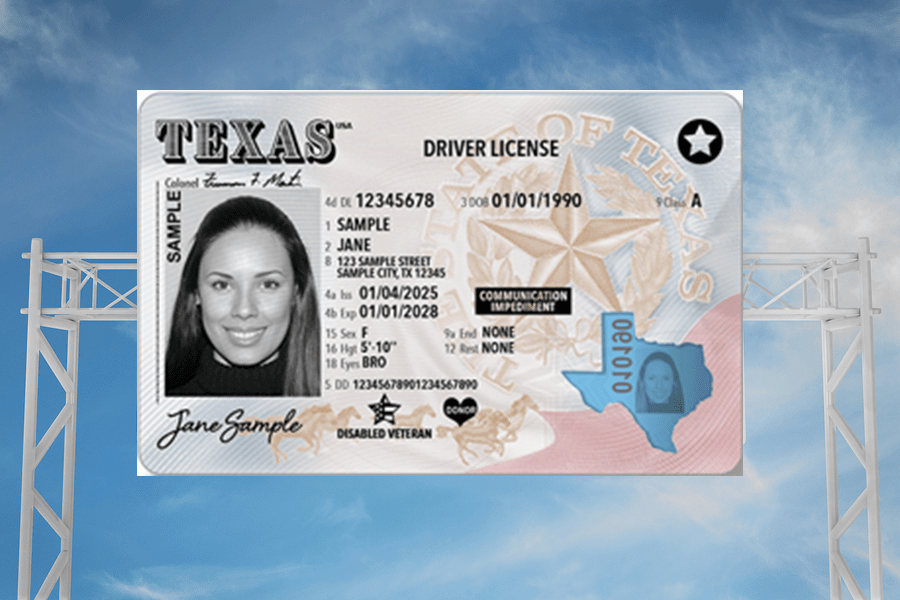
Understanding these foundational requirements is the first step towards a successful application. Each criterion plays a vital role in ensuring that permit applicants are prepared for the responsibilities of driving and are legally able to hold a Texas driver’s permit.
Required Documents for Your Application
Gathering the correct documentation is perhaps the most critical step in the application process. A single missing document can lead to delays and multiple trips to the DPS office. It’s highly recommended to prepare all necessary paperwork in advance and organize it meticulously.
Here’s a breakdown of the documents you’ll typically need to bring:
- Proof of U.S. Citizenship or Lawful Presence:
- U.S. Citizens: Original U.S. birth certificate, U.S. Passport, U.S. Passport Card, or Certificate of Naturalization.
- Lawful Permanent Residents/Non-U.S. Citizens: Valid U.S. Permanent Resident Card, foreign passport with an I-94 stamp or attached visa, Employment Authorization Document (EAD), or other acceptable documents from the U.S. Citizenship and Immigration Services (USCIS).

-
Proof of Identity:
- Primary identity documents include a Texas Driver’s License or ID Card, U.S. Passport, or U.S. Military ID.
- Secondary identity documents (if no primary) include an original or certified copy of a birth certificate or a Social Security Card.
- Supporting identity documents (if no primary or secondary) include school records, insurance policy, or a marriage certificate. Usually, you’ll need two supporting documents in this case.
-
Proof of Social Security Number (SSN):
- Original Social Security Card, W-2 form, or a pay stub with your SSN.
-
Proof of Texas Residency (Two Documents):
- These documents must show your name and current Texas residential address. Examples include:
- Current utility bill (electric, water, gas, cable, internet).
- Current Texas vehicle registration or title.
- Home mortgage statement or rent receipt.
- Insurance policy or statement.
- Bank statement.
- Mail from a government agency.
- For minors, if the residential proofs are in a parent’s name, additional documentation proving the relationship (e.g., birth certificate) might be required.
- These documents must show your name and current Texas residential address. Examples include:

-
Proof of Enrollment/Completion of Driver Education (For Applicants Under 18):
- DE-964 certificate (Certificate of Driver Education) from an approved driver education provider.
- For parent-taught courses, specific forms and records are required.
-
Verification of Enrollment and Attendance (VOE) Form (For Applicants Under 18):
- This form must be obtained from your school and verifies that you are currently enrolled and attending classes. It must be signed by a school official and can expire after a certain period, so ensure it’s current.
-
Application Fee:
- Be prepared to pay the required fee for the permit. The exact amount can be found on the DPS website and is subject to change.
Always double-check the most current requirements on the official Texas DPS website before your visit, as regulations can occasionally be updated. Bringing original documents is always preferred, as photocopies may not be accepted.
The Application Process at the DPS
Once you’ve gathered all your documents and confirmed your eligibility, it’s time to visit a DPS driver license office. While the process is fairly straightforward, understanding each step will help you navigate it with ease. Consider scheduling an appointment online beforehand, especially in larger cities like Austin or San Antonio, to minimize wait times and ensure a more efficient visit. Many DPS offices can get quite busy, akin to popular tourism spots during peak season, so planning ahead is key.
Scheduling Your DPS Appointment and Completing the Application
While walk-ins are often accepted, scheduling an appointment online is highly recommended. The Texas DPS website provides an appointment scheduler that allows you to pick a convenient date and time for your visit to a nearby driver license office. This simple step can significantly reduce the amount of time you spend waiting.
Upon arrival at your scheduled time (or as a walk-in), you’ll proceed through these steps:
- Present Documents: Hand over all your meticulously prepared documents to the DPS representative. They will review them for completeness and authenticity.
- Complete the Application Form: You’ll be given an application for a Texas Driver License or Identification Card (DL-14A) to fill out. Ensure all information is accurate and legible.
- Provide Fingerprints: Your fingerprints will be taken electronically for identification purposes.
- Take a Photo: A photograph will be taken for your permit. It’s advisable to look presentable, as this photo will appear on your official document.
- Pay the Fee: Submit the required application fee.
- Take the Vision Exam: You’ll undergo a standard vision test to ensure your eyesight meets the state’s minimum requirements for driving. If you wear glasses or contact lenses, be sure to wear them during this test.
These initial steps are crucial before you even get to the knowledge test. They ensure that all administrative and personal identification aspects are covered, preparing you for the academic portion of the permit application.
The Knowledge Exam and Vision Test
Once the administrative tasks are complete, you’ll move on to the actual tests. The two primary tests for a learner’s permit are the vision test and the knowledge (written) exam.
Vision Exam:
As mentioned, this simple test assesses your visual acuity. The DPS staff will guide you through it. If you fail, you may be required to get corrective lenses or obtain a vision statement from an eye doctor before proceeding.
Knowledge (Written) Exam:
This test covers essential road signs and traffic laws specific to Texas. It’s typically a multiple-choice exam, and you must correctly answer a certain percentage of questions to pass.
- Content: The questions are drawn from the Texas Driver Handbook. This handbook is your primary study resource and covers everything from traffic signs and signals to right-of-way rules, safe driving practices, and state-specific laws.
- Preparation: Thoroughly studying the Texas Driver Handbook is paramount. Many online resources offer practice tests that can help you gauge your understanding and identify areas where you need more study.
- Waiver for Driver Education Students: If you completed the classroom portion of an approved Texas driver education course (either traditional, online, or parent-taught), you might have already taken and passed the written exam as part of that course. In this case, your DE-964 certificate will indicate this, and you won’t need to retake the exam at the DPS office. This is a significant advantage for younger applicants.
- Passing Score: You typically need to answer 70% of the questions correctly to pass.
Upon successfully passing both the vision and knowledge tests, and with all documentation verified, the DPS will issue your Texas Instruction Permit. Congratulations! You are now legally allowed to practice driving under supervision.
Preparing for Success: Study and Practice
Obtaining your permit is just the beginning. The real work starts with dedicated study and practical driving experience. The Texas permit system is designed to ensure that you develop robust driving skills before you’re granted the privilege of solo driving. Thinking of your permit as a gateway to exploring Texas’s unique travel destinations and vibrant communities can be a great motivator!
Essential Study Resources for the Written Exam
As highlighted, the cornerstone of your preparation for the knowledge exam is the Texas Driver Handbook. This free resource is available online on the Texas DPS website and often in print at DPS offices.
- Read Thoroughly: Don’t just skim. Read the handbook multiple times, paying close attention to sections on traffic signs, signals, pavement markings, right-of-way rules, speed limits, and defensive driving techniques.
- Practice Tests: Utilize online practice tests. Many websites offer free practice exams that mimic the format and content of the actual DPS test. These are invaluable for identifying your weak areas and building confidence.
- Flashcards: Create flashcards for road signs and specific rules that you find challenging to remember. Visual aids can be very effective for memorization.
- Driver Education Courses: If you’re under 18, your driver education course will provide structured learning that covers all necessary material for the written exam. For adults (especially those 18-24), the 6-hour adult driver education course is highly beneficial and often includes the written test.
Effective preparation ensures that you don’t just pass the test, but truly understand the principles of safe driving, which will serve you well for a lifetime of travel and daily commuting.
Gaining Practical Experience with Your Permit
Once you have your Instruction Permit, the emphasis shifts to accumulating practical driving experience. This supervised practice is mandatory for younger drivers and highly recommended for all first-time permit holders.
- Supervised Driving Hours:
- Under 18: Texas requires a minimum of 30 hours of supervised driving practice, including at least 10 hours at night, with a licensed adult (21 years or older) in the front passenger seat. These hours must be logged and certified by a parent or guardian.
- 18 and Over: While not strictly mandated for adults to log hours, supervised practice is still critical for developing skills and confidence before attempting the road test.
- Variety of Conditions: Aim to practice in diverse driving environments:
- City Driving: Navigate through different neighborhoods, practicing turns, lane changes, and understanding traffic flow in areas like downtown Dallas or Austin.
- Highway Driving: Gain experience on major highways and interstates, focusing on merging, maintaining speed, and safe following distances.
- Night Driving: Practice driving after dark to adapt to reduced visibility and different light conditions.
- Adverse Weather: If safe, practice in light rain or other challenging conditions to learn how to handle your vehicle.
- Focused Practice: During your supervised drives, concentrate on specific maneuvers: parallel parking, three-point turns, backing up, understanding blind spots, and proper use of signals and mirrors. Your supervising driver should provide constructive feedback.
- Parent/Guardian Involvement: For younger drivers, active involvement from parents or guardians in the supervised driving process is invaluable. They serve as primary instructors, guiding and correcting mistakes in real-time. Resources are available from the DPS and driver education programs to assist parents in this role.
This period of supervised practice is not merely a formality; it’s a vital developmental phase. It’s during these drives that you will truly internalize road safety, develop situational awareness, and build the muscle memory necessary for becoming a competent and confident driver, ready to explore all the attractions, hotels, and unique experiences Texas has to offer.
Beyond the Permit: Getting Your Texas Driver’s License
With your Instruction Permit in hand and ample driving practice under your belt, the next step is to transition to a full Texas Driver’s License. This involves meeting additional requirements and successfully passing the driving skills test. The journey from permit to license is a significant milestone, opening up opportunities for greater independence and the freedom to pursue your lifestyle interests across Texas without supervision.
Provisional License Rules (for Drivers Under 18)
For drivers under 18, the first driver’s license issued is a “Provisional Driver License.” This license comes with certain restrictions designed to minimize risks for new, inexperienced drivers:
- Passenger Restriction: For the first 12 months, you cannot drive with more than one passenger under 21 years old who is not a family member.
- Curfew: You cannot drive between midnight and 5:00 AM, unless it’s for school, work, or a medical emergency.
- Mobile Phone Use: You are prohibited from using a wireless communications device (like a cell phone) while driving, except in emergencies.
These restrictions are in place to help new drivers focus on developing their skills in less distracting environments. Violating these rules can lead to fines and further restrictions on your license, so it’s crucial to adhere to them. After the 12-month provisional period, and if you haven’t incurred any driving offenses, these restrictions are typically lifted, and you can apply for a full unrestricted license upon turning 18.
Taking the Driving Skills (Road) Test
The final hurdle before getting your full license is the driving skills test, often referred to as the road test. This test assesses your ability to safely operate a vehicle in real-world driving conditions.
Requirements Before the Road Test:
- Instruction Permit Holding Period:
- Under 18: You must have held your Instruction Permit for at least six months.
- 18 and Over: You must have held your Instruction Permit for at least 30 days (though longer practice is always recommended).
- Driver Education Completion: If under 18, you must have completed the entire driver education course, including both classroom and in-car instruction. You’ll need the completed DE-964 certificate.
- Impact Texas Young Drivers (ITYD) Program: If you are under 18, you must complete the ITYD program within 90 days of taking your road test. This is an online video that emphasizes safe driving practices. Adults 18-24 (who took a driver’s education course) or 25+ (who took the road test at a DPS office) must complete the Impact Texas Adult Drivers (ITAD) program. Print your certificate of completion.
What to Expect During the Road Test:
- Vehicle Requirements: You must provide a vehicle that is properly registered, insured, and in safe operating condition for the test. The vehicle will undergo a brief inspection to ensure all lights, signals, and brakes are functional.
- Supervising Driver: A licensed driver (21 years or older) must accompany you to the DPS office.
- Maneuvers: The test typically includes:
- Parallel Parking: One of the most common challenges, requiring precision and control.
- Backing Up: Demonstrating control while backing a straight line for a short distance.
- Traffic Signals and Signs: Proper observation and response to all regulatory and warning signs.
- Lane Changes: Executing smooth and safe lane changes, using mirrors and signaling correctly.
- Turns: Making left and right turns correctly, staying in the proper lane.
- Stopping and Starting: Smooth acceleration and braking, coming to complete stops.
- Maintaining Safe Distances: Following at an appropriate distance and reacting to traffic.
- Observation: Regularly checking mirrors and blind spots.
The examiner will observe your ability to follow traffic laws, use proper driving techniques, and react safely to various road conditions. It’s essential to remain calm, focused, and demonstrate confidence in your abilities.
Upon successfully passing the road test, and with all fees paid, you will be issued a temporary driver’s license. Your official Texas Driver’s License will then be mailed to you within a few weeks. This moment marks a significant achievement and the beginning of your unsupervised driving privileges, allowing you to fully embrace the travel and lifestyle opportunities that come with navigating the diverse landscapes of Texas.
Getting your Texas driver’s permit is a journey that requires preparation, patience, and practice. By understanding the requirements, gathering the necessary documents, diligently studying the Texas Driver Handbook, and gaining substantial supervised driving experience, you set yourself up for success. This permit is more than just a piece of paper; it’s your first step towards independence, opening up countless possibilities for exploring the vast and vibrant state of Texas, from its bustling cities to its tranquil natural landmarks. Drive safely, explore widely, and enjoy the open roads of the Lone Star State.
LifeOutOfTheBox is a participant in the Amazon Services LLC Associates Program, an affiliate advertising program designed to provide a means for sites to earn advertising fees by advertising and linking to Amazon.com. Amazon, the Amazon logo, AmazonSupply, and the AmazonSupply logo are trademarks of Amazon.com, Inc. or its affiliates. As an Amazon Associate we earn affiliate commissions from qualifying purchases.