
Navigating the process of obtaining Texas licence plates can seem like a labyrinth, especially for newcomers to the Lone Star State. Whether you’ve just purchased a new vehicle, moved from another state, or are looking to register a classic car, understanding the requirements and procedures is key to a smooth experience. This guide aims to demystify the process, breaking down the essential steps, necessary documents, and helpful tips to ensure you get your Texas licence plates efficiently.
Understanding the Basics: Registration Requirements
Before you can even think about licence plates, you need to ensure your vehicle meets Texas registration requirements. The primary goals of vehicle registration are to ensure vehicles are roadworthy, that owners are identified, and that appropriate taxes and fees are paid.

Vehicle Inspection
Texas mandates a vehicle inspection program designed to ensure vehicles are safe and meet environmental standards. This is a crucial first step before you can register your vehicle.
- Safety Inspection: All vehicles registered in Texas must pass a safety inspection annually. This inspection checks essential components like brakes, tires, lights, wipers, and horn to ensure they are in good working order.
- Emissions Testing: Depending on the county you reside in, your vehicle may also require an emissions test. This is typically required for vehicles in the 17 most populated counties to help reduce air pollution. You can check the Texas Department of Public Safety website to see if your county requires an emissions test.
- Certificate of Inspection: Upon passing the inspection, you will receive a Vehicle Inspection Report (VIR) or sticker. You will need this document to complete your registration. It’s important to note that the inspection must be completed no more than 90 days before you register your vehicle.
Proof of Ownership and Insurance
To register your vehicle and obtain Texas licence plates, you must provide proof of ownership and mandatory liability insurance.
- Proof of Ownership: This typically includes a Manufacturer’s Certificate of Origin (MCO) for a new vehicle or a properly assigned title for a used vehicle. If you have a lienholder, they may hold the title, in which case you’ll need to provide a Title Application (Form VTR-130-UI) and proof of the lien.
- Proof of Insurance: Texas law requires all drivers to carry minimum liability insurance coverage. You’ll need to present an insurance card or policy declaration page showing coverage that meets Texas minimums: $30,000 for injury per person, $60,000 for injury per accident, and $25,000 for property damage per accident.
The Registration Process: Step-by-Step
Once your vehicle has passed inspection and you have your ownership and insurance documents ready, you can proceed with the registration process. Texas residents can typically complete this at their local county tax assessor-collector’s office.
New Residents and Vehicle Transfers
If you’re new to Texas and bringing a vehicle with you, you have 30 days to register it in the state. This process involves transferring your out-of-state title and obtaining Texas plates.
- Title Transfer: You’ll need to surrender your out-of-state title to the county tax assessor-collector’s office and apply for a Texas title. This may involve a VIN inspection, especially if the vehicle is from out of the country or has a salvaged title.
- VIN Inspection: For vehicles coming from out-of-state, a Vehicle Identification Number (VIN) inspection is usually required. This is a visual check of the vehicle’s VIN to ensure it matches the documentation. This can often be done at designated inspection stations or by law enforcement.
- New Registration: Once the title is transferred, you can then register the vehicle and receive your Texas licence plates.
New Vehicle Purchases
When you purchase a new vehicle from a dealership, they often handle much of the initial paperwork. However, it’s essential to understand your role in the process.
- Dealership Assistance: Dealerships typically collect sales tax and submit the necessary paperwork for title and registration to the county. They will provide you with temporary plates and registration documents.
- Finalizing at the County Office: You may still need to visit your local county tax assessor-collector’s office to finalize the registration and receive your permanent Texas licence plates, especially if the dealership didn’t handle the entire process. Ensure you have all required documentation from the dealership.
Obtaining Your Licence Plates
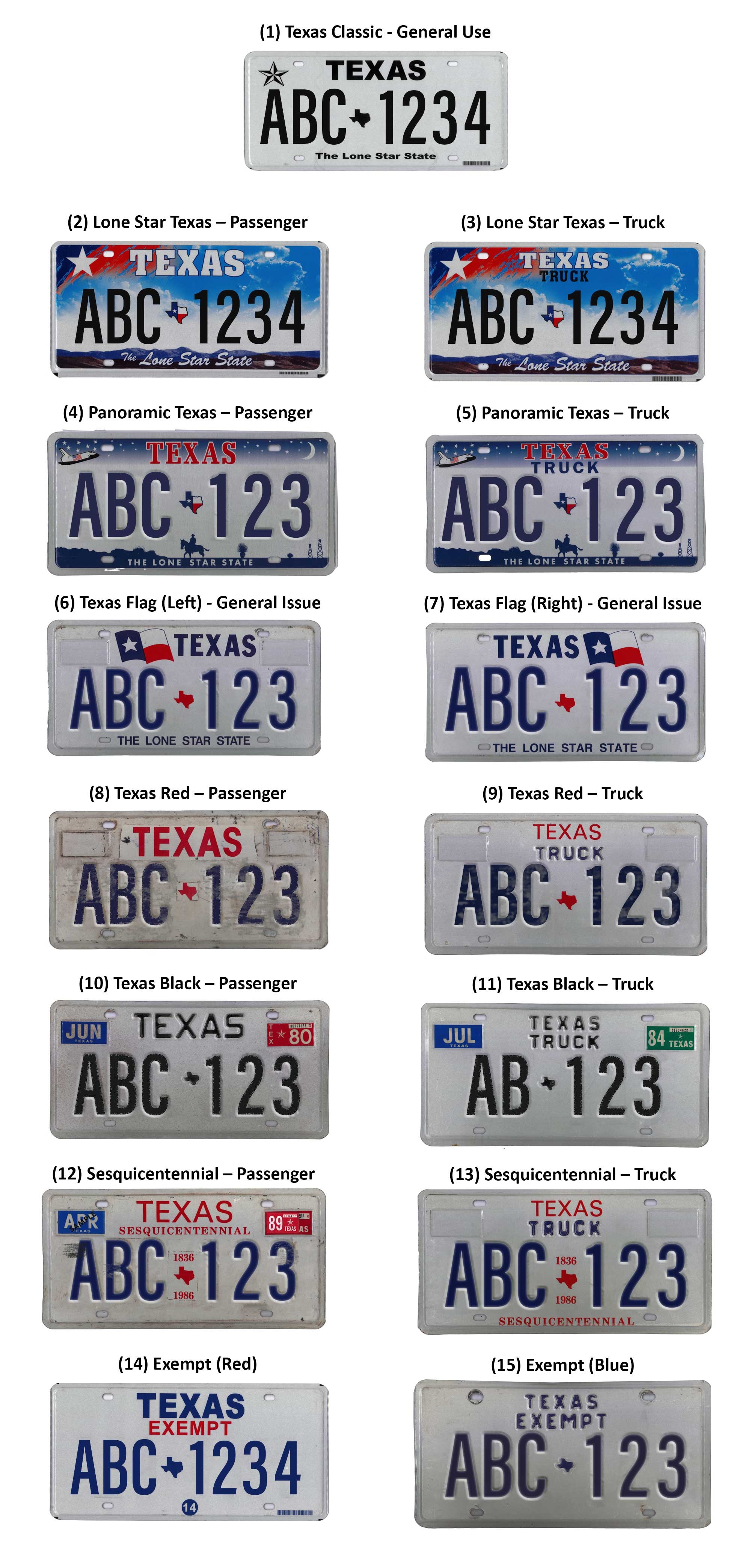
After successfully completing the registration process at the county tax assessor-collector’s office, you will be issued your licence plates.
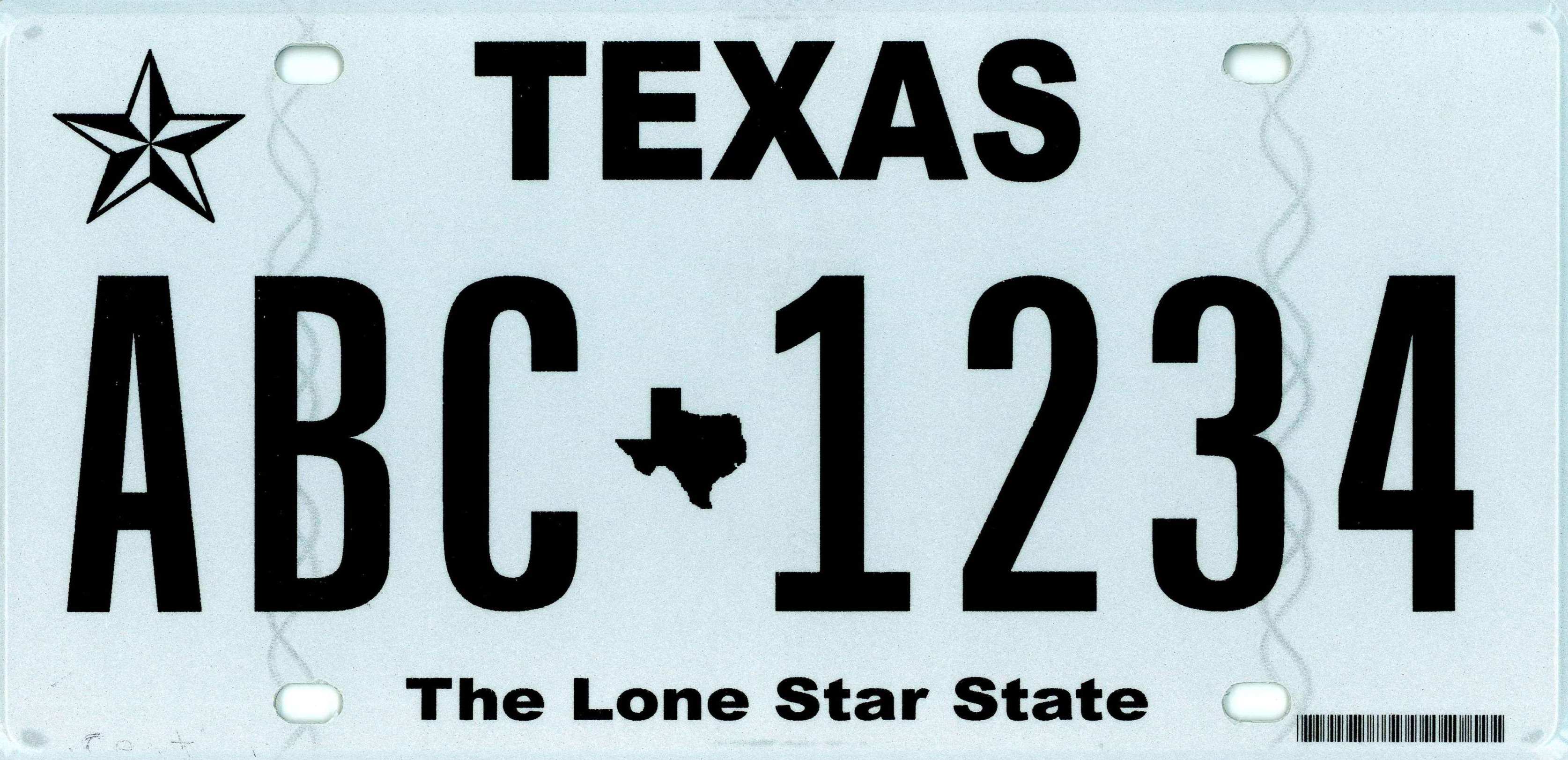
- Plate Options: You will receive standard Texas licence plates. Texas offers specialty plates for various causes, organizations, and interests, which may come with additional fees. You can inquire about these options at the county office.
- Registration Sticker: Along with your plates, you will receive a registration sticker to affix to your rear licence plate. This sticker indicates the expiration month and year of your registration.
- Fees: Be prepared to pay registration fees, which vary based on vehicle type, weight, and age. There may also be additional fees for title transfers, specialty plates, and the state’sportion of sales tax if applicable.
Special Circumstances and Considerations
While the general process is straightforward, certain situations might require additional steps or unique considerations.
Antique and Classic Vehicles
Texas offers special registration for antique and classic vehicles, allowing them to be used for pleasure purposes without the full burden of annual inspections and registration fees.
- Antique Vehicle Registration: To qualify for antique vehicle registration, a vehicle must generally be 25 years old or older and in its original or restored condition.
- Limitations: These registrations typically come with limitations on usage, often restricting the vehicle to not be used for daily commuting or commercial purposes.
- Plates: Antique vehicles may receive specific licence plates denoting their status.
Motorcycles and RVs
The registration process for motorcycles and recreational vehicles (RVs) is largely similar to that of standard vehicles, but there might be slight variations in inspection requirements or fee structures.
- Motorcycles: Require a safety inspection but are generally exempt from emissions testing.
- RVs: May have different weight classifications that affect registration fees. Ensure you understand the specific requirements for these vehicle types at your county tax assessor-collector’s office.
Personalized and Specialty Plates
Texas boasts a wide array of personalized and specialty licence plates, allowing owners to express their affiliations, interests, or simply create a unique look for their vehicle.
- Personalized Plates: You can design your own plate with a custom message, subject to availability and Texas Department of Motor Vehicles (TxDMV) regulations.
- Specialty Plates: These plates support various causes, including universities, state parks, and charitable organizations. A portion of the fee for these plates often goes to the designated cause.
- Application Process: Applying for these plates usually involves an additional form and fee beyond the standard registration costs. You can explore available options and begin the application process through the TxDMV website or at your local county office.
Tips for a Smooth Experience
To ensure your encounter with the Texas licence plate registration process is as seamless as possible, consider these helpful tips:
- Gather Documents in Advance: Having all your required documents organized before your visit will significantly speed up the process. This includes your driver’s license, proof of insurance, proof of ownership (title or MCO), and your Vehicle Inspection Report (VIR).
- Check Your County’s Specifics: While the state outlines general requirements, individual county tax assessor-collector’s offices may have specific procedures or appointment systems. It’s always wise to check their website or call ahead for the most accurate information.
- Visit During Off-Peak Hours: Like most government offices, county tax assessor-collector’s offices can experience busy periods. Visiting on weekdays during mid-morning or mid-afternoon, avoiding Mondays and Fridays, can often lead to shorter wait times.
- Utilize Online Resources: The Texas Department of Motor Vehicles (TxDMV) and the Texas Department of Public Safety (DPS) websites are invaluable resources for information on registration, inspection requirements, fees, and forms.
- Understand Fees: Be prepared for various fees, including registration fees, title fees, potential sales tax, and fees for specialty or personalized plates. Having a clear understanding of these costs will help you budget accordingly.
By familiarizing yourself with the requirements and following these steps, obtaining your Texas licence plates will be a straightforward and manageable task, allowing you to hit the open roads of the Lone Star State with confidence and compliance.
LifeOutOfTheBox is a participant in the Amazon Services LLC Associates Program, an affiliate advertising program designed to provide a means for sites to earn advertising fees by advertising and linking to Amazon.com. Amazon, the Amazon logo, AmazonSupply, and the AmazonSupply logo are trademarks of Amazon.com, Inc. or its affiliates. As an Amazon Associate we earn affiliate commissions from qualifying purchases.