
Embarking on a new adventure in the Lone Star State is an exciting prospect, whether you’re relocating for work, retirement, or simply seeking a change of scenery. Texas offers a vast landscape of experiences, from bustling metropolitan hubs to serene natural retreats, making it a prime destination for travelers and new residents alike. As you settle into your new Texas lifestyle, one of the most critical administrative tasks you’ll encounter is registering your vehicle and obtaining Texas license plates. This isn’t just a bureaucratic hurdle; it’s a vital step towards fully integrating into the state’s vibrant community and ensuring you can explore all the attractions and landmarks Texas has to offer with peace of mind.

This comprehensive guide is designed to demystify the process, providing a clear roadmap for both seasoned residents and newcomers. We’ll explore the essential steps, required documentation, and key considerations to ensure a smooth transition, allowing you to quickly hit the open roads and immerse yourself in everything from the historic Alamo in San Antonio to the cosmic wonders at the NASA Johnson Space Center near Houston. Getting your Texas plates is more than a formality; it’s your official welcome to driving through one of the most diverse and dynamic states in the United States.
Navigating Your Relocation to the Lone Star State
Moving to Texas opens up a world of possibilities, from its booming job markets in Dallas and Austin to its rich history and culture. For many, the decision to relocate to the Lone Star State is driven by its unique blend of Southern charm, Western ruggedness, and a forward-thinking spirit. As you plan your move, beyond finding the perfect accommodation – be it a cozy apartment in Fort Worth or a sprawling villa in the Hill Country – understanding the administrative aspects of becoming a true Texan is crucial. Vehicle registration is high on that list, impacting everything from your daily commute to weekend family trips to Big Bend National Park.
Essential First Steps for New Texas Residents
Before you can even think about getting your license plates, there are a few foundational steps that every new resident must undertake. These not only ensure legal compliance but also streamline the entire vehicle registration process.
Firstly, if you hold an out-of-state driver’s license, you’ll need to obtain a Texas driver’s license within 90 days of establishing residency. This process is handled by the Texas Department of Public Safety (TxDPS). You’ll typically need to visit a TxDPS office, present proof of identity, residency, Social Security number, and vehicle registration (even if out-of-state), and pass a vision test. In some cases, a written or driving test may also be required, depending on your previous license status. Having a valid Texas driver’s license will be essential for many subsequent steps.
Secondly, ensuring your vehicle passes a Texas vehicle inspection is paramount. All vehicles registered in Texas are required to pass an annual safety inspection. Most counties also require an emissions inspection, particularly in metropolitan areas like Dallas-Fort Worth, Houston-Galveston-Brazoria, and El Paso. These inspections check vital components like brakes, lights, tires, and steering, and for emissions, they ensure your vehicle meets air quality standards set by the Environmental Protection Agency (EPA). You can get your vehicle inspected at any certified inspection station across the state. This inspection must be completed before you can register your vehicle.
Finally, you must have valid Texas liability insurance. Texas law mandates that all drivers carry minimum liability coverage. While your out-of-state insurance might cover you temporarily, you’ll need to switch to a Texas-based policy once you establish residency. Proof of this insurance will be required at the time of registration. Many insurance providers offer easy transfers or new policies, making this a relatively straightforward step.
Understanding Vehicle Requirements in Texas
The requirements for registering a vehicle in Texas can vary slightly depending on whether you’re bringing an out-of-state vehicle, buying a new vehicle, or transferring ownership of a used vehicle. However, some core documents are universally needed.
For an out-of-state vehicle, you’ll need your out-of-state title or proof of registration, the vehicle inspection report, and proof of Texas liability insurance. If there’s a lien on the vehicle, you’ll also need the name and address of the lienholder. It’s advisable to bring any loan documents or previous registration paperwork you have, as they can sometimes help clarify details.
If you’ve just purchased a new or used vehicle in Texas, the dealership typically handles much of the initial paperwork for you, including temporary tags and sometimes even the title transfer. However, if you purchase from a private seller, you’ll be responsible for acquiring the title, which must be signed over to you. You’ll need the signed title, a Vehicle Identification Number (VIN) inspection (often part of the safety inspection), and proof of insurance.
In all scenarios, you’ll also need your valid Texas driver’s license or state-issued identification, as well as payment for applicable fees, including registration fees and sales tax (if not already paid). Familiarizing yourself with these requirements beforehand will save you time and potential headaches at the county office.
The Step-by-Step Guide to Securing Your Texas License Plates
Once you have your Texas driver’s license, your vehicle has passed inspection, and you have valid Texas insurance, you’re ready to tackle the main event: obtaining your Texas license plates. This process is primarily handled by your local county tax assessor-collector’s office.
Pre-Registration Checklist: What You’ll Need
To ensure a seamless experience at the county office, gather all necessary documents in advance. A complete checklist is your best friend here:
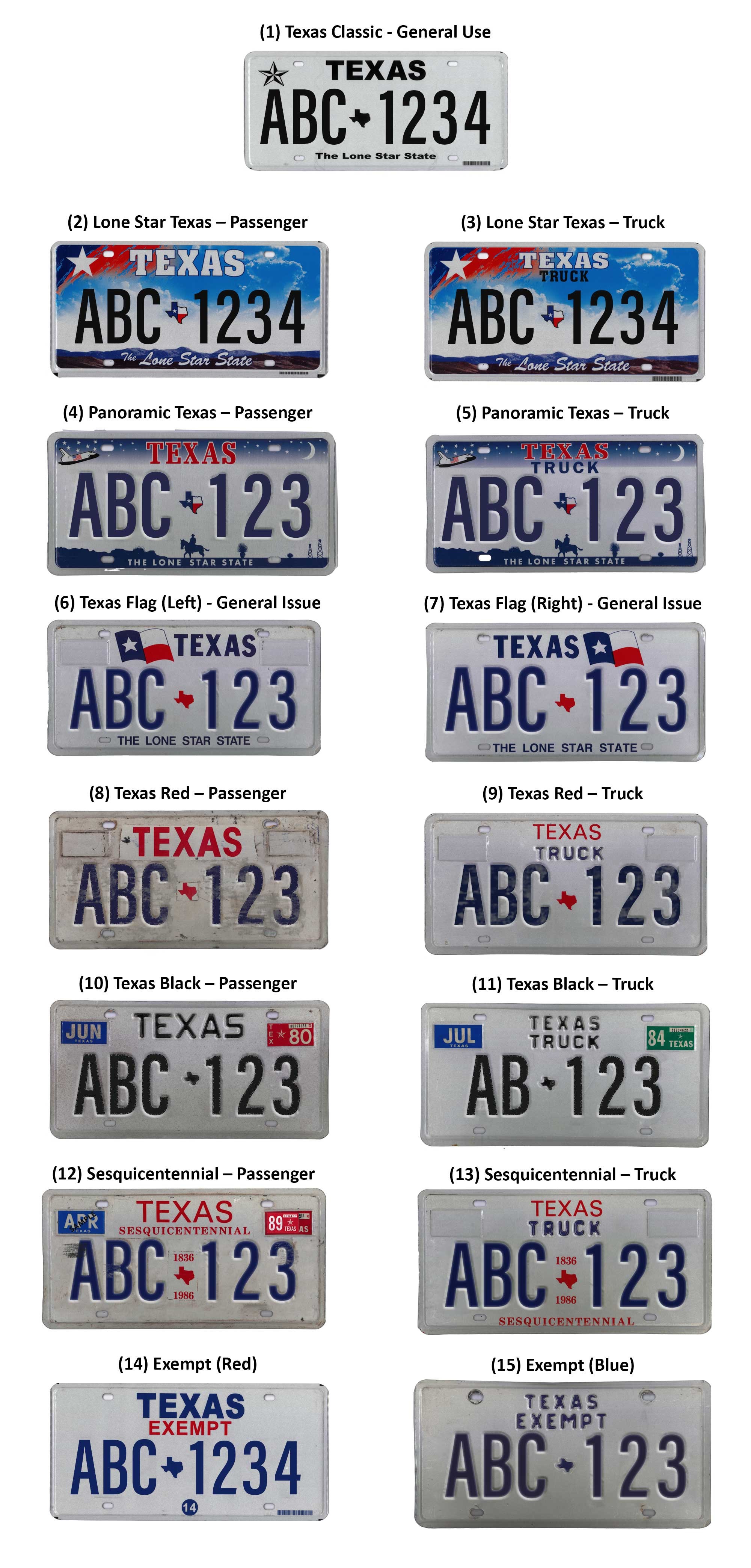
- Proof of Ownership: This is typically your original vehicle title (or signed-over title if purchased from a private seller). If your vehicle is financed and the title is held by a lienholder, you’ll need the vehicle’s current out-of-state registration receipt and the name and address of the lienholder.
- Proof of Texas Insurance: A current insurance card or declaration page showing your Texas liability coverage.
- Vehicle Inspection Report: The official Vehicle Inspection Report (VIR) showing that your vehicle has passed both safety and emissions (if applicable) inspections. This report is electronically submitted, but having a physical copy for reference can be helpful.
- Identification: Your valid Texas driver’s license or a Texas identification card.
- Application for Texas Title and/or Registration (Form 130-U): While this form is often available at the county office, you can save time by downloading and filling it out beforehand from the Texas Department of Motor Vehicles (TxDMV) website.
- Payment for Fees: Be prepared to pay registration fees, sales tax (if applicable, typically 6.25% of the sales price, unless you’ve already paid sales tax to another state), and any local county fees. Payment methods usually include cash, check, or credit/debit card, but it’s wise to confirm with your specific county office.
- Odometer Reading: You’ll need to provide an accurate odometer reading, especially if you’re titling the vehicle for the first time in Texas.
It’s always a good idea to check your specific county’s tax assessor-collector website for any additional requirements or nuances, as procedures can sometimes vary slightly by county.
Visiting Your Local County Tax Assessor-Collector’s Office
With your checklist complete and documents in hand, your next step is to visit your local county tax assessor-collector’s office. These offices are responsible for vehicle registration, title transfers, and collecting sales tax on behalf of the TxDMV.
Upon arrival, you will submit your compiled documents to a clerk. They will review everything, verify your information, and calculate the total fees due. This includes the annual registration fee, any local fees, and potentially sales tax if you purchased the vehicle recently and it hasn’t been paid. Be prepared for a brief waiting period, especially during peak hours.
Once all documents are approved and fees are paid, you will be issued your new Texas license plates, a registration sticker, and a new registration receipt. The registration sticker must be affixed to the lower left corner of your vehicle’s windshield, and your new plates should be mounted securely on the front and rear of your vehicle (unless it’s a vehicle type that only requires one plate, such as a motorcycle). Remember, Texas requires both a front and rear license plate for most passenger vehicles.
You’ll also receive an official Texas title for your vehicle, either immediately or mailed to you later, depending on the specifics of your transaction and whether a lienholder is involved. This title is proof of ownership in Texas and an important document to keep secure.
Consider exploring the options for personalized or specialty license plates. Texas offers a vast array of designs that allow you to express your interests, support your favorite sports team, or even promote a cause. These can be ordered through the TxDMV website or in person at the county office, usually for an additional fee. This is a small but fun way to personalize your vehicle and truly embrace your new Texas identity.
Beyond the Plates: Embracing the Texas Lifestyle
Once your vehicle is properly registered with Texas license plates, you’re not just legally compliant; you’re fully equipped to explore the vast and varied landscapes of the Lone Star State. Your vehicle becomes a gateway to travel, allowing you to experience the true essence of Texas from its bustling cities to its tranquil natural wonders.
Exploring Texas: Travel, Culture, and Accommodation
Texas is an immense state, offering a kaleidoscope of destinations and experiences. With your new plates, consider embarking on a road trip. Drive down to the Gulf Coast to enjoy the beaches of Galveston Island or the resort town of South Padre Island. Head west to witness the breathtaking nature of Big Bend National Park or Guadalupe Mountains National Park, where rugged beauty meets challenging activities like hiking and stargazing.
Dive into the vibrant local culture of major cities. In Austin, the “Live Music Capital of the World,” you can explore Sixth Street for live performances and savor diverse food trucks. San Antonio offers historical richness with the Alamo and the enchanting River Walk, perfect for leisurely strolls and dining. Houston boasts world-class museums, a thriving culinary scene, and the Space Center Houston, a must-visit for space enthusiasts. Dallas and Fort Worth present a blend of modern sophistication and classic cowboy heritage, with plenty of upscale hotels and boutique accommodations for every taste.
Speaking of accommodation, Texas offers an incredible range. From luxury resorts overlooking Lake Travis in the Hill Country to charming bed and breakfasts in historic towns, or modern suites in downtown Houston, you’ll find options for every type of traveler. Whether you’re planning a romantic getaway, a family vacation, or a business stay, websites offering booking, reviews, and comparison services can help you find the perfect place. For those considering a long-term stay, exploring extended-stay apartments or villas can provide a comfortable home base for deeper exploration.

Tips for a Seamless Transition and Enjoyable Stay
Beyond the administrative steps, there are practical tips to help you fully embrace your new Texas lifestyle. Driving distances in Texas can be vast, so ensure your vehicle is well-maintained for long journeys. Always check weather conditions, especially during summer months when temperatures soar, or during spring when severe weather can occur, particularly in the Panhandle.
Familiarize yourself with Texas road rules, which generally align with United States standards but may have specific nuances, like higher speed limits on rural interstates. Keep an eye out for wildlife, especially in more rural areas, and be mindful of active construction zones as the state continues to grow.
Embrace the renowned Texas cuisine, from authentic Tex-Mex and BBQ joints to upscale dining experiences. Attending local festivals, rodeos, and community events is a fantastic way to meet people and immerse yourself in the vibrant spirit of the Lone Star State. Many communities host seasonal celebrations that highlight local culture, food, and music.
In essence, getting your Texas license plates is more than just a legal requirement; it’s an empowering step that unlocks your ability to discover and connect with the diverse fabric of this magnificent state. It signifies your readiness to embark on countless adventures, whether commuting through the urban sprawl of Dallas or traversing the scenic routes of the Hill Country.
Successfully obtaining your Texas license plates marks a significant milestone in your journey as a Texas resident. By carefully following the outlined steps – from securing your Texas driver’s license and vehicle inspection to preparing your documents for the county tax assessor-collector’s office – you can navigate this process efficiently and stress-free. With your vehicle legally registered, the entire Lone Star State opens up before you. So, get ready to explore the vast landscapes, vibrant cities, and rich culture that make Texas a truly unique and unforgettable place to live and travel. Enjoy the freedom of the open road and the incredible experiences that await!
LifeOutOfTheBox is a participant in the Amazon Services LLC Associates Program, an affiliate advertising program designed to provide a means for sites to earn advertising fees by advertising and linking to Amazon.com. Amazon, the Amazon logo, AmazonSupply, and the AmazonSupply logo are trademarks of Amazon.com, Inc. or its affiliates. As an Amazon Associate we earn affiliate commissions from qualifying purchases.