
Dreaming of embracing the vast horizons, vibrant culture, and distinct lifestyle of the Lone Star State? Whether you’re drawn by the allure of its burgeoning cities like Austin or Houston, the charm of its historic towns, the promise of economic opportunity, or simply a yearning for a life more open and spirited, establishing residency in Texas is a significant step. But what does it truly mean to be a resident of this expansive state, and how do you navigate the process? This comprehensive guide will demystify the requirements and offer practical advice for making Texas your home.
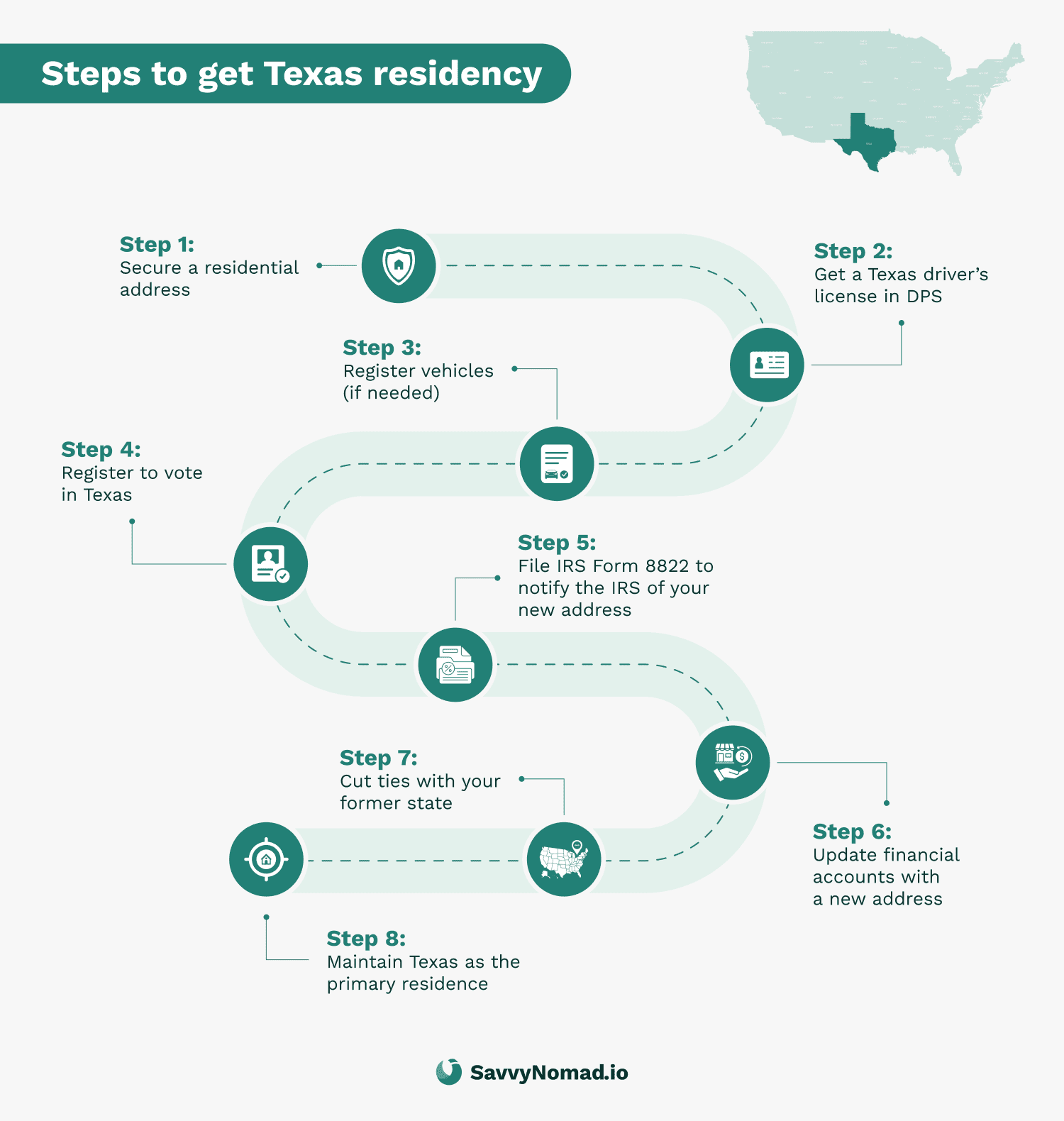
Texas boasts a unique appeal, blending a rich Western heritage with a forward-looking spirit. From the live music scene of Austin to the culinary delights of San Antonio and the energy of Dallas, there’s a corner of Texas to suit every taste. For those considering a long-term stay, understanding the official pathways to residency is paramount. This isn’t just about finding the perfect boutique hotel or a charming bed and breakfast for a vacation; it’s about planting roots.
The concept of “residency” in Texas is primarily defined by your intention and actions. Unlike some states that might have strict, multi-year physical presence requirements for certain benefits or voting, Texas leans more towards demonstrating a clear intent to make the state your permanent domicile. This distinction is crucial, as it informs the types of documentation and evidence you’ll need to gather.
Understanding the Core Requirements for Texas Residency
At its heart, establishing residency in Texas boils down to proving two key elements: your physical presence in the state and your intent to make it your permanent home. While there isn’t a single, universally mandated checklist of documents that applies to every situation, the authorities will look for consistent evidence that supports your claim. This means actively engaging with the state and demonstrating your commitment to living there.
Demonstrating Intent: The Cornerstone of Your Texas Residency Claim
The most critical aspect of becoming a Texas resident is your genuine intention to reside permanently within the state. This isn’t about a fleeting visit or a temporary assignment; it’s about making Texas your primary place of abode. Authorities will assess this intent by examining your actions and the choices you make.
- Establishing a Physical Presence: This is the most straightforward component. It means spending a significant amount of time within the state. While there’s no magic number of days, the more time you consistently spend in Texas, the stronger your claim. This includes activities like living in an apartment, renting a house, or even a long-term stay in a resort or extended-stay hotel. The idea is to show that you are living in Texas, not just visiting. Think about the rhythm of daily life: are you shopping at local grocery stores, attending community events, or engaging in activities that suggest a settled life?
- Severing Ties with Previous Domiciles: If you are moving from another state, it is essential to demonstrate that you have officially broken ties with your former residence. This might involve:
- Canceling your driver’s license from your previous state.
- Registering your vehicle in Texas.
- Registering to vote in Texas.
- Closing bank accounts in your previous state and opening new ones in Texas.
- Notifying relevant authorities (like the IRS for tax purposes) of your change of address.
- Ending leases or selling property in your previous location.
- Creating New Ties in Texas: Simultaneously, you need to actively build connections within Texas. This could include:
- Securing employment or starting a business in Texas.
- Enrolling children in Texas public schools.
- Becoming a member of a Texas church or community organization.
- Obtaining a Texas driver’s license and Texas vehicle registration.
- Opening bank accounts and establishing credit in Texas.
- Signing up for Texas utilities (electricity, water, internet) in your name at your Texas address.
Gathering Essential Documentation: Proof of Your Texas Life
The documentation you collect will serve as tangible evidence of your physical presence and intent. The more varied and consistent your proof, the stronger your case. Think of it as building a narrative of your life in Texas.
- Proof of Address: This is paramount. It demonstrates where you are physically living. Accepted forms often include:
- A lease agreement or mortgage statement for your Texas property.
- Utility bills (electricity, gas, water, internet) in your name, showing your Texas address.
- Official mail from government agencies addressed to you at your Texas residence.
- If you are staying with friends or family, a notarized letter from the homeowner confirming your residency, along with their proof of ownership or lease.
- Financial Records: Your financial activity can be a strong indicator of your commitment to Texas.
- Texas bank statements showing regular transactions and your Texas address.
- Pay stubs from Texas employment, clearly indicating your Texas address.
- Tax returns filed in Texas.
- Credit card statements with your Texas address.
- Identification: Official identification that reflects your Texas residency is crucial.
- A Texas driver’s license or Texas identification card. This is often one of the most definitive pieces of evidence, as it requires proof of residency to obtain.
- Vehicle registration for your car in Texas.
- Legal and Personal Documents: Depending on your situation, other documents can further solidify your claim.
- Marriage certificates or birth certificates if you are establishing residency with family.
- Proof of enrollment in a Texas educational institution.
- Documents related to local business licenses or permits if you are self-employed.
Navigating Specific Scenarios for Texas Residency
The pathway to residency can vary depending on your starting point and your specific circumstances. Whether you’re a recent graduate, a professional relocating for work, or a family seeking a new beginning, understanding these nuances is key.
Moving from Another U.S. State to Texas
For those transitioning from another state within the United States, the process is largely about demonstrating a clear break from your previous domicile and the establishment of a new one in Texas.
- The 12-Month Rule (and its nuances): While some interpretations suggest a need for 12 months of physical presence, Texas law, particularly concerning tuition rates at public universities, often focuses more on the intent to establish residency and demonstrable ties. For specific legal definitions, such as for in-state tuition purposes, it’s vital to consult the rules of the specific institution or governing body. Generally, the more evidence you have of living, working, and engaging in the community in Texas, the stronger your claim, regardless of hitting an exact 365-day mark.
- Key Actions for Establishing Residency:
- Obtain a Texas Driver’s License: This is a critical step. You will need proof of identity, Social Security number, and Texas residency. Once you have this, you should surrender your out-of-state license.
- Register Your Vehicle: You have a limited time after establishing residency (usually 30 days) to register your vehicle in Texas and obtain Texas license plates.
- Register to Vote: This is a powerful statement of your intent to be a participating citizen of Texas.
- Establish Financial Ties: Open a Texas bank account and begin using it for your regular transactions.
- Secure Employment: Having a job in Texas is a significant indicator of your intent to stay.
- Find Permanent Housing: While temporary stays are a start, securing a lease or purchasing a home in Texas solidifies your roots.

International Students and Texas Residency
International students often have specific visa statuses that affect their ability to claim residency for purposes like in-state tuition. Typically, those on student visas (like F-1) are considered non-residents for tuition purposes, as their primary purpose for being in Texas is educational, not permanent settlement.
- Understanding Visa Status Limitations: Most student visas are temporary and do not inherently grant residency status. Your primary goal as an international student is usually to complete your studies.
- Pathways to Potential Residency: For international students who wish to establish true Texas residency after graduation, they would need to:
- Obtain a visa that allows for permanent settlement (e.g., an employment-based visa, family-sponsored visa leading to a green card).
- Once legally authorized to reside permanently in the United States and living in Texas, then begin the process of establishing residency by fulfilling the physical presence and intent requirements described earlier.
- It’s crucial to consult with the international student office at your university, as they can provide guidance specific to visa regulations and residency rules for tuition and other benefits.
For Business Owners and Remote Workers
Texas has become a hub for entrepreneurs and offers a favorable business climate, making it an attractive destination for remote workers and business owners.
- Establishing a Business Presence: If you are starting or relocating a business to Texas, this is a strong indicator of your intent to reside there. You will need to:
- Register your business with the Texas Secretary of State.
- Obtain necessary business licenses and permits.
- Establish a physical office space or a registered agent in Texas.
- Open Texas business bank accounts.
- Remote Workers: If you work remotely for a company outside of Texas, you still need to demonstrate that Texas is your primary home. This means:
- Ensuring your employer acknowledges your Texas address for tax and HR purposes.
- Establishing all the necessary personal ties and documentation as outlined previously (driver’s license, bank accounts, utility bills, etc.).
- Paying Texas state income tax (which Texas famously does not have, though other taxes apply).
Maintaining and Proving Your Texas Residency
Once you’ve established residency, there may be instances where you need to prove it. This is particularly common for in-state tuition rates at public universities, applying for state benefits, or for certain professional licenses.
The Importance of Consistency and Longevity
The longer you maintain your Texas residency, the easier it becomes to prove. Consistent actions over time are more compelling than sporadic ones.
- Continuous Physical Presence: Avoid long absences from Texas unless absolutely necessary, as extended periods away can be interpreted as a forfeiture of domicile.
- Regular Engagement: Continue to participate in the Texas community. This includes voting in local and state elections, engaging with local businesses, and maintaining your primary residence within the state.
- Up-to-Date Documentation: Keep your Texas driver’s license, vehicle registration, and voter registration current. Ensure your address on all official documents reflects your Texas residence.
Specific Requirements for In-State Tuition
For students attending public colleges and universities in Texas, qualifying for in-state tuition is a common goal for new residents. The requirements are often detailed and specific, administered by the Texas Higher Education Coordinating Board (THECB) and individual university admissions offices.
- The 12-Month Rule Revisited: Generally, you must establish a domicile in Texas and have physically resided in the state for at least 12 consecutive months immediately preceding the date you enroll or the date residency is established.
- Demonstrating Intent for In-State Tuition: Beyond just physical presence, you must prove your intent to make Texas your permanent home. This often involves:
- Submitting an affidavit of independent status or a parent’s affidavit, along with supporting documentation.
- Providing evidence of financial independence from out-of-state individuals.
- Showing a history of filing Texas tax returns.
- Maintaining a domicile in Texas for purposes other than attending the institution.
- Exceptions and Waivers: There are specific exceptions, such as for military personnel stationed in Texas, individuals who have been continuously enrolled in higher education in Texas for a certain period, or through specific programs like the Texas Challenge. Always consult the admissions or registrar’s office of the specific university for their precise requirements and any available waivers.
The Role of the Texas Department of Public Safety (DPS)
The Texas Department of Public Safety (DPS) is the primary agency responsible for issuing Texas driver’s licenses and state identification cards. Obtaining a Texas driver’s license is often considered one of the most significant steps in demonstrating residency.
- Requirements for a Texas Driver’s License: To get a Texas driver’s license, you will typically need to provide:
- Proof of identity (e.g., birth certificate, passport).
- Proof of Social Security number.
- Proof of lawful presence in the United States.
- Proof of Texas residency (e.g., utility bills, lease agreements, bank statements).
- Passing a driving test and knowledge test.
- Surrendering Out-of-State Licenses: Once you obtain your Texas driver’s license, you are required to surrender your out-of-state license to the Texas DPS.
In conclusion, becoming a Texas resident is a multifaceted process that hinges on demonstrating a genuine intent to make the Lone Star State your permanent home. By understanding the requirements, gathering the necessary documentation, and actively engaging with your new community, you can successfully navigate the path to residency and fully embrace the unique lifestyle that Texas offers. Whether you’re drawn to the state’s natural beauty, its economic dynamism, or its rich cultural tapestry, making Texas your home is a rewarding endeavor.
LifeOutOfTheBox is a participant in the Amazon Services LLC Associates Program, an affiliate advertising program designed to provide a means for sites to earn advertising fees by advertising and linking to Amazon.com. Amazon, the Amazon logo, AmazonSupply, and the AmazonSupply logo are trademarks of Amazon.com, Inc. or its affiliates. As an Amazon Associate we earn affiliate commissions from qualifying purchases.