
Florida, often dubbed the “Sunshine State,” is more than just a popular tourist destination; it’s a vibrant economic powerhouse where the worlds of travel, tourism, and real estate converge. For those captivated by its allure and looking to forge a dynamic career path, obtaining a real estate license in Florida represents a unique opportunity. This license serves not only as a gateway to traditional property sales but also as a crucial credential for navigating the state’s bustling accommodation sector, from luxury resorts and vacation rentals to long-term residential and commercial properties.
The decision to pursue a real estate license in Florida is often driven by the state’s perennial appeal to diverse demographics: tourists seeking unforgettable experiences, families looking for a new lifestyle, retirees searching for their dream home, and investors eyeing lucrative opportunities. This article will guide you through the comprehensive process of acquiring your Florida real estate license, while simultaneously highlighting how this career is intrinsically linked to the state’s robust travel and tourism industries, and the diverse lifestyles it supports. Whether your ambition is to help a couple find their perfect beachfront apartment, manage a portfolio of high-end vacation villas, or advise on investment properties near major attractions, a Florida real estate license is your essential first step.
The Allure of Florida Real Estate: A Nexus of Travel, Tourism, and Lifestyle
Florida’s real estate market is undeniably one of the most dynamic in the United States, fueled by a continuous influx of domestic and international visitors and residents. Understanding the unique interplay between the state’s travel, tourism, and real estate sectors is fundamental for any aspiring real estate professional. It’s not just about selling homes; it’s about selling a dream, a vacation, a lifestyle, or a strategic investment in a globally renowned destination.
Sunshine State’s Irresistible Appeal for Investors and Visitors Alike
Florida’s reputation as a premier destination for travel and tourism is well-earned. Cities like Orlando, home to Walt Disney World Resort and numerous other theme parks, draw millions of visitors annually, creating a constant demand for short-term rental properties, hotels, and vacation homes. Miami, with its vibrant nightlife, art deco architecture, and stunning beaches, is a global hub for luxury travel and international business, driving a high-end residential and commercial market. Similarly, coastal gems like Naples and Sarasota attract retirees and second-home buyers seeking a tranquil, upscale lifestyle, while Fort Lauderdale offers a mix of yachting culture and family-friendly attractions. Even the quirky charm of Key West creates a unique micro-market for those seeking an escape unlike any other.
The presence of world-class landmarks and natural attractions, from the Everglades National Park to the Kennedy Space Center Visitor Complex, further enhances Florida’s appeal, making property ownership here a highly coveted asset. Real estate professionals in Florida are uniquely positioned to assist clients who are not just buying a property but investing in a piece of this dynamic lifestyle and economic engine. They can guide investors looking to capitalize on the tourism boom by acquiring income-generating properties, or help families relocate to areas offering excellent schools and amenities alongside recreational opportunities. Understanding these drivers allows a real estate agent to provide more comprehensive and valuable advice, catering to clients’ diverse needs, whether they seek a seasonal retreat, a permanent residence, or a robust investment portfolio.
Diverse Accommodation Landscape: From Luxury Resorts to Vacation Rentals
The real estate landscape in Florida is as varied as its geography, encompassing everything from expansive resorts and exclusive villas to charming boutique hotels and sprawling residential communities. This diversity in accommodation directly impacts the types of opportunities available to licensed real estate professionals. Many agents specialize in vacation rental properties, assisting owners in acquiring, managing, and optimizing their properties for the lucrative short-term stay market. This requires a keen understanding of tourism trends, local ordinances regarding rentals, and the amenities that attract travelers.
Furthermore, the rise of remote work and the appeal of Florida’s climate have spurred demand for long-term accommodations and relocation services. Real estate agents play a pivotal role in helping individuals and families transition to life in Florida, whether they are looking for a bustling urban apartment in Tampa or a serene waterfront home in the Panhandle. The ability to connect clients with properties that align with their specific lifestyle needs – be it luxury living, budget-conscious travel, or family-friendly environments – is a significant advantage. A license empowers you to advise on different property types, from single-family homes and condominiums to multi-unit buildings and commercial spaces that support the tourism infrastructure, such as restaurants, retail outlets, or small hotels. This comprehensive understanding ensures that you can cater to a broad spectrum of clients, further embedding your career within the state’s thriving economy.
Navigating the Path to Your Florida Real Estate License
Acquiring a real estate license in Florida involves a structured process overseen by the Florida Department of Business and Professional Regulation (DBPR) and the Florida Real Estate Commission (FREC). While the steps are clear, preparation and attention to detail are key to a smooth journey towards becoming a licensed professional.
Meeting the Eligibility Criteria
Before embarking on the educational and examination phases, it’s crucial to ensure you meet the fundamental eligibility requirements set by the state of Florida for a real estate sales associate license. These include:
- Age: You must be at least 18 years old.
- Education: A high school diploma or its equivalent (GED) is required.
- Social Security Number: Proof of a valid United States Social Security Number is mandatory.
- Honesty and Integrity: Applicants must attest to being of good moral character. This involves a background check, which includes fingerprinting. Any criminal history, regardless of how minor, must be disclosed during the application process. Full disclosure is vital; failure to disclose can lead to denial of your application, even if the offense itself might not have been a disqualifier.

These requirements ensure that individuals entering the real estate profession in Florida possess a foundational level of maturity, education, and ethical standing, which are crucial for a role that involves significant financial transactions and client trust, particularly in a market as diverse and globally connected as Florida’s.
Mastering the Pre-Licensing Education
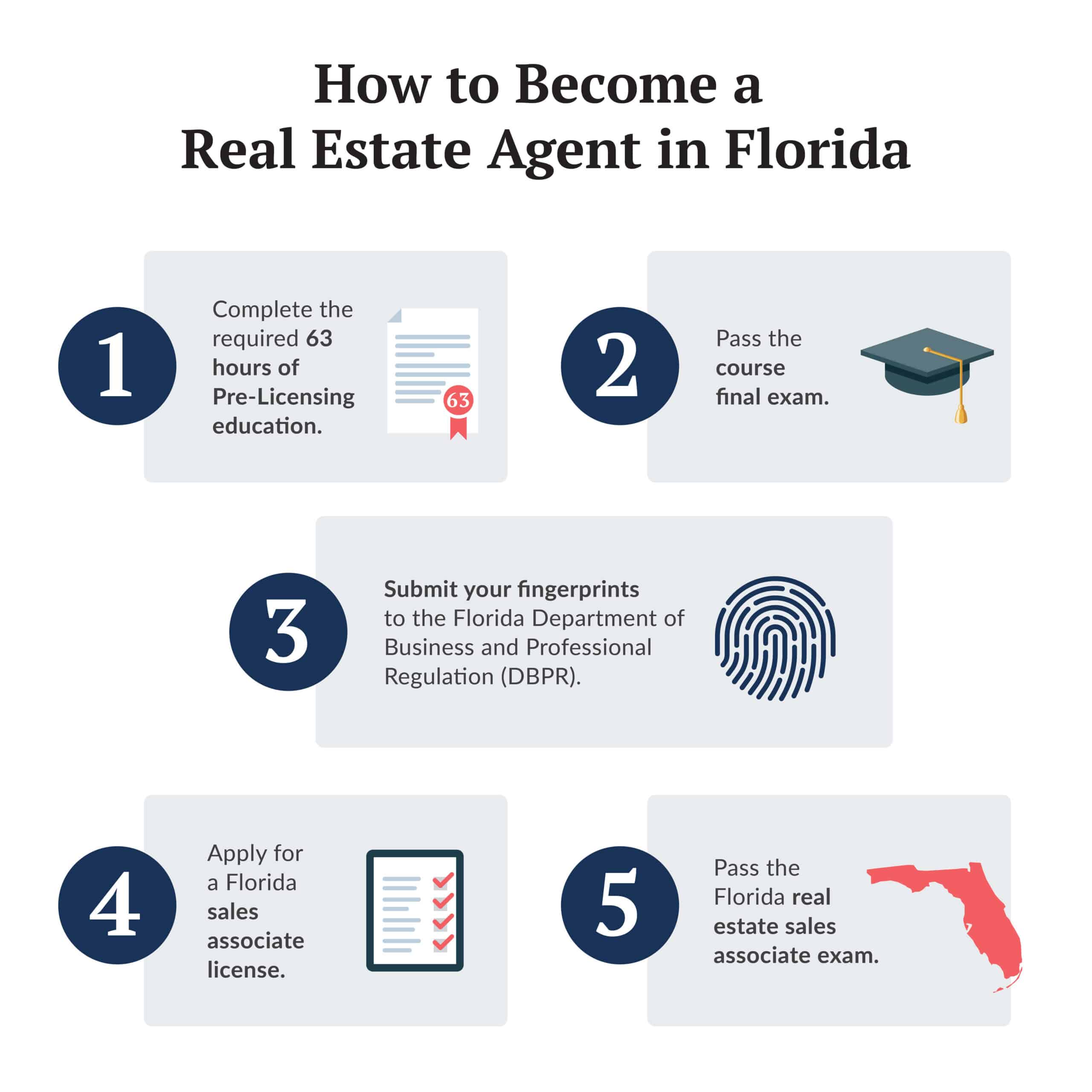
The heart of the licensing process lies in completing the mandatory pre-licensing education. Aspiring sales associates must successfully complete a 63-hour Sales Associate Pre-License Course from an approved education provider. This course is designed to equip candidates with a comprehensive understanding of real estate principles, practices, and law specific to Florida. Key topics covered typically include:
- Real Estate Law: Agency relationships, contracts, property rights, and fair housing laws.
- Valuation and Market Analysis: Understanding property values, appraisal methods, and market trends – crucial for advising clients on investment properties or vacation rentals.
- Financing: Mortgage types, loan applications, and closing procedures.
- Property Management: Insights into managing various types of properties, a highly relevant skill for the state’s extensive vacation rental and long-term accommodation market.
- Ethics and Professional Practices: Upholding high standards of conduct in all real estate transactions.
The course can be taken in a traditional classroom setting or through online platforms, offering flexibility to suit various lifestyles. Upon completion, you must pass an end-of-course exam with a score of at least 70%. This educational foundation is not merely a bureaucratic hurdle; it’s an essential toolset that prepares you to navigate the complexities of Florida’s property market, enabling you to effectively serve clients interested in everything from residential homes to commercial properties catering to the tourism industry.
The Application and Examination Journey
With your pre-licensing education complete, the next steps involve formal application and passing the state exam:
- Application to the DBPR: Submit your application for a real estate sales associate license to the Florida Department of Business and Professional Regulation (DBPR). This application will include details of your education, personal history, and authorization for a background check.
- Fingerprinting: As part of the background check, you will need to submit electronic fingerprints through a LiveScan vendor approved by the Florida Department of Law Enforcement. The results are sent directly to the DBPR.
- State Examination: Once your application is approved and background check cleared, the DBPR will notify you that you are eligible to schedule your state exam. The Florida real estate sales associate exam is a challenging test, covering a wide range of topics from the pre-licensing course. It is administered by a third-party testing service. You will need to achieve a score of 75% or higher to pass. Many candidates opt for additional exam prep courses or study materials to boost their chances of success. Passing this exam is the final formal step in earning your license, demonstrating your competence and readiness to serve the public in Florida’s real estate market.
Building a Thriving Career in Florida’s Dynamic Property Market
Obtaining your Florida real estate license is merely the beginning of an exciting and potentially very lucrative career. The state’s diverse economy, driven significantly by travel and tourism, offers myriad opportunities for licensed professionals to specialize and thrive.
Specializing in Niche Markets: Hospitality, Investment, and Relocation
With your license in hand, you are now equipped to delve into the vast opportunities within Florida’s real estate landscape. Given the state’s tourist appeal, specializing in hospitality-related real estate can be incredibly rewarding. This might involve working with investors looking to purchase and develop new hotels, resorts, or even boutique hotels. Another significant niche is vacation rentals; helping clients acquire properties specifically designed for short-term stays, managing those properties, or advising on zoning regulations pertinent to such investments. Areas like Orlando, Miami Beach, and the Florida Keys are prime markets for this specialization.
Beyond tourism, Florida is a magnet for relocation, both from other United States residents and international buyers. Specializing in relocation services means understanding the diverse needs of families, retirees, and professionals moving to the state, often from different cultural or economic backgrounds. This involves not just finding a house but connecting them with the right community, schools, and lifestyle amenities. Furthermore, the investment property market, whether for long-term rentals, commercial development, or flipping, offers substantial growth potential. By aligning your real estate services with one or more of these specialized areas, you can carve out a unique and valuable niche within Florida’s bustling market, directly leveraging the insights gained from understanding the state’s travel and accommodation industries.
Embracing Continuous Growth and Networking
The real estate industry is constantly evolving, especially in a dynamic market like Florida’s. To maintain your license and excel in your career, continuous learning is essential. Florida requires licensed sales associates to complete a 45-hour post-licensing course before their first renewal and 14 hours of continuing education every two years thereafter. These requirements are opportunities to deepen your knowledge, stay abreast of legal changes, market shifts, and emerging trends in technology and consumer behavior.
Networking is another critical component of long-term success. Joining local real estate boards, such as the National Association of Realtors (NAR) or local Realtor associations in cities like Miami, Orlando, or Tallahassee, provides access to invaluable resources, professional development, and collaboration opportunities. Attending industry events, workshops, and seminars not only fulfills continuing education requirements but also connects you with peers, mentors, and potential clients. By actively engaging with the real estate community and continuously honing your skills, you can ensure your career remains vibrant and responsive to the ever-changing demands of Florida’s unique blend of travel, tourism, and real estate.
Obtaining a real estate license in Florida is more than just a formal qualification; it’s an investment in a career path that offers immense potential for growth, flexibility, and financial reward. It positions you at the heart of one of the world’s most desirable destinations, allowing you to play a vital role in shaping its travel, tourism, and lifestyle landscape. With dedication, continuous learning, and a keen understanding of the market’s unique dynamics, your Florida real estate license will be your passport to a fulfilling and prosperous future.
LifeOutOfTheBox is a participant in the Amazon Services LLC Associates Program, an affiliate advertising program designed to provide a means for sites to earn advertising fees by advertising and linking to Amazon.com. Amazon, the Amazon logo, AmazonSupply, and the AmazonSupply logo are trademarks of Amazon.com, Inc. or its affiliates. As an Amazon Associate we earn affiliate commissions from qualifying purchases.