
Navigating the intricacies of vehicle ownership in the Sunshine State often leads to a fundamental question: “How do I get a title for my car in Florida?” Understanding the Florida car title process is crucial for any vehicle owner, whether you’ve just purchased a new or used car, inherited a vehicle, or are bringing a car into the state. The Florida Department of Highway Safety and Motor Vehicles (FLHSMV) oversees these crucial transactions, ensuring legal ownership and proper registration. This guide will walk you through the essential steps, required documentation, and common scenarios to help you successfully obtain your Florida car title.
Understanding the Florida Car Title
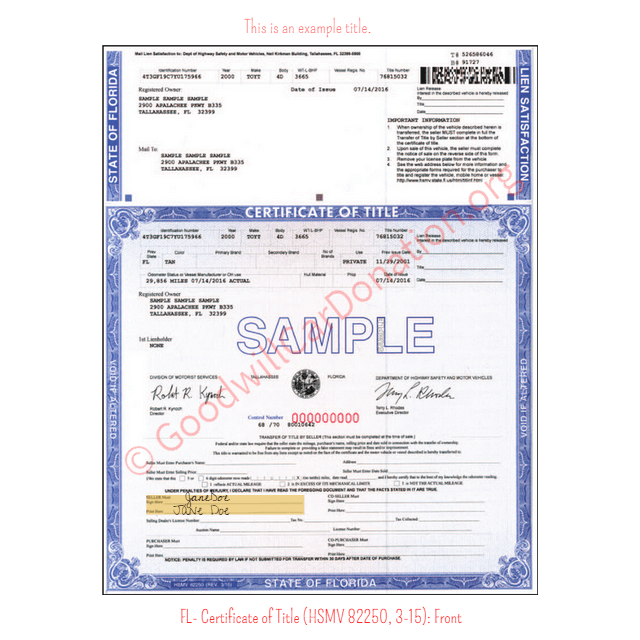
A motor vehicle title is a legal document that proves ownership of a vehicle. In Florida, this document is issued by the FLHSMV and is essential for selling, registering, and insuring your car. Without a valid title, you cannot legally operate a vehicle on public roads in Florida, nor can you transfer ownership to another party. The process can seem daunting, but by breaking it down into manageable steps, you can ensure a smooth and efficient experience.
What is a Florida Title?
The Florida title is a physical document, often referred to as the “pink slip,” that contains vital information about the vehicle. This includes:
- Vehicle Identification Number (VIN): A unique 17-character code that identifies your specific vehicle.
- Year, Make, and Model: Basic identification of the vehicle’s specifications.
- Owner(s) Information: Names and addresses of the legal owner(s).
- Lienholder Information (if applicable): Details of any financial institution that has a loan on the vehicle.
- Odometer Reading: The mileage recorded at the time of title transfer.
- Title Number: A unique identifier for the title itself.
The title serves as the primary proof of ownership. It’s critical to keep your title in a safe place, as replacing a lost or damaged title can involve additional steps and fees.
When Do You Need a Florida Title?
You will typically need a Florida title in the following situations:
- Purchasing a Vehicle: Whether from a dealership or a private seller, the seller must provide you with a properly assigned title.
- Inheriting a Vehicle: If you inherit a car, you will need to follow specific procedures to transfer the title into your name.
- Bringing a Vehicle into Florida: If you move to Florida with a vehicle registered in another state, you will need to obtain a Florida title.
- Replacing a Lost or Stolen Title: If your current title is lost or stolen, you will need to apply for a duplicate.
Steps to Obtain a Florida Car Title
The process for obtaining a Florida car title largely depends on the circumstances of how you acquired the vehicle. However, several core steps and required documents are common across most scenarios.
1. Obtain the Necessary Documentation from the Seller
This is arguably the most critical step when purchasing a vehicle from a private seller. The seller must provide you with a properly executed title. This involves:
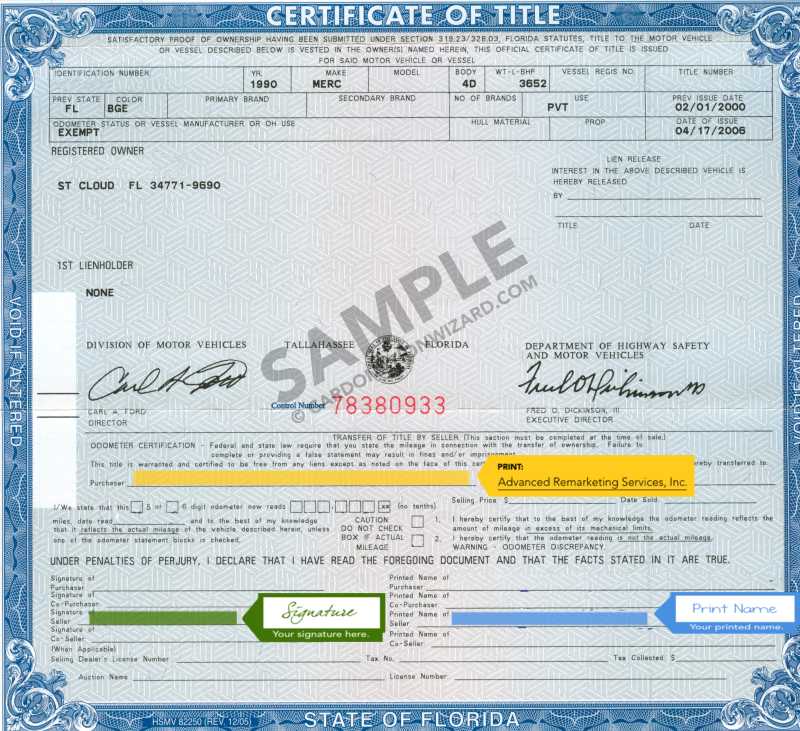
- The Original Title: The seller must physically hand over the original title document.
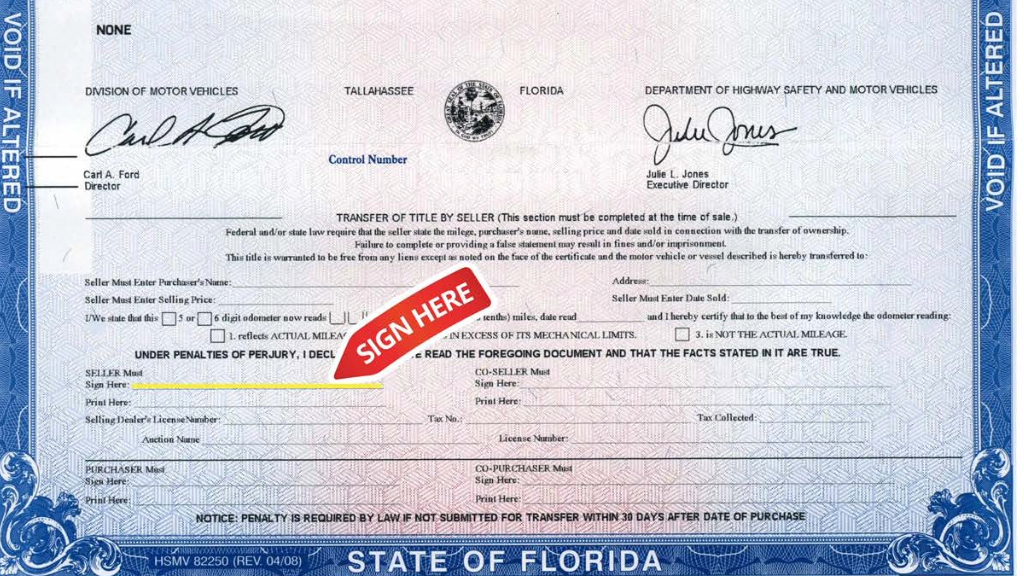
- Seller’s Signature(s): The owner(s) listed on the title must sign in the designated “Seller” or “Transferor” section.
- Buyer’s Information: Your full legal name and address should be accurately filled in the “Buyer” or “Transferee” section.
- Odometer Disclosure: The seller must accurately record the vehicle’s mileage at the time of sale. This is a federal requirement.
- Date of Sale: The date the transaction occurred should be clearly indicated.
Important Note: Ensure all information is legible and accurately completed. Any errors, omissions, or alterations can delay the title transfer process significantly. If there are multiple owners listed on the title, all must sign to transfer ownership.
2. Complete the Application for Certificate of Title With/Without Registration (HSMV 82040)
This is the primary form you’ll need to complete to apply for a Florida title. You can download this form from the FLHSMV website or obtain it from a local county tax collector’s office. This form requires detailed information about you, the vehicle, and the transaction. Key sections include:
- Owner Information: Your full legal name, address, and driver’s license number.
- Vehicle Information: VIN, year, make, model, body style, and color.
- Previous Owner Information: Details of the person from whom you purchased the vehicle.
- Lienholder Information (if applicable): If you financed the vehicle, the name and address of the lienholder will be required.
- Odometert Disclosure Statement: A section to reconfirm the odometer reading.
- Tax Information: Details regarding sales tax paid or exempt.
3. Gather Supporting Documents
In addition to the completed application form and the properly assigned title, you will likely need the following supporting documents:
- Proof of Identity: A valid Florida driver’s license or identification card.
- Proof of Insurance: Florida requires all registered vehicles to have proof of Personal Injury Protection (PIP) insurance and Property Damage Liability (PDL) coverage. You’ll need to provide your insurance policy number.
- Bill of Sale (Recommended): While not always strictly required by the FLHSMV for private sales if the title is properly assigned, a Bill of Sale is highly recommended. It serves as a record of the transaction, including the purchase price, date, and descriptions of both the buyer and seller, and the vehicle. This can be crucial in resolving any disputes or issues that may arise later.
- Vehicle Inspection (for out-of-state vehicles): If you are bringing a vehicle into Florida from out-of-state, it must undergo a VIN and Odometer Verification inspection. This inspection can be performed by authorized personnel at a county tax collector’s office or by a law enforcement officer.
4. Pay Applicable Fees and Taxes
When you submit your application for a title, you will be required to pay several fees and taxes. These can include:
- Title Fee: A standard fee for the issuance of the title document.
- Sales Tax: Florida charges sales tax on the purchase price of a vehicle. The rate varies by county. If you purchased the vehicle out-of-state and paid sales tax there, you may receive a credit for that amount.
- Registration Fees (if applicable): If you are also registering the vehicle at the same time, there will be separate registration fees based on the vehicle type and weight.
- Plate Fees (if applicable): If you are getting new license plates, there will be a fee for those.
The exact amount of fees and taxes will depend on your specific situation, the purchase price of the vehicle, and your county of residence. It’s advisable to check the FLHSMV website or contact your local county tax collector’s office for the most up-to-date fee schedule.
5. Submit Your Application
Once you have all your documents in order and have calculated the estimated fees, you will submit your application package to your local county tax collector’s office. Most counties in Florida have a Tax Collector’s office that acts as an agent for the FLHSMV. You can typically make an appointment or visit during business hours.
At the office, a customer service representative will review your documents for completeness and accuracy. They will process your payment for fees and taxes and issue you a temporary registration and a receipt for your transaction. Your new Florida title will be mailed to you by the FLHSMV within several weeks.
Specific Scenarios and Considerations
While the general process remains consistent, certain situations require specific attention.
Purchasing a Vehicle from a Dealership
When you buy a car from a licensed dealership in Florida, the dealership typically handles the title and registration process on your behalf. They will collect the necessary information and fees from you and submit the paperwork to the state. You will usually receive your permanent title and registration directly from the state or from the dealership once they have been processed. Always confirm with the dealership what their process is and what documentation you will receive.
Inheriting a Vehicle
If you inherit a vehicle, the process differs slightly. You will need:
- The original title of the deceased owner.
- A death certificate for the deceased owner.
- A completed Application for Certificate of Title With/Without Registration (HSMV 82040).
- Proof of your identity.
- Affidavits may be required depending on the circumstances and whether there was a will.
You may also need to have the vehicle inspected. It’s recommended to consult with your local county tax collector’s office for specific guidance on inheriting a vehicle, as this process can involve probate laws.
Bringing a Vehicle into Florida from Another State
If you are moving to Florida and bringing your car with you, you will need to obtain a Florida title and registration. The process involves:
- VIN and Odometer Verification: As mentioned earlier, your vehicle will need to be inspected.
- Out-of-State Title: You will surrender your out-of-state title to the Florida authorities.
- Proof of Florida Insurance: You must have Florida insurance before you can register the vehicle.
- Application for Certificate of Title: Complete HSMV 82040.
- Payment of Fees and Taxes: You will pay Florida sales tax (less any credit for sales tax paid in the previous state), title fees, and registration fees.
You generally have 30 days from establishing residency in Florida to title and register your vehicle.
Lost or Stolen Title
If your Florida title is lost, stolen, or damaged, you will need to apply for a duplicate title. This requires:
- Application for Duplicate or Lost in Transit Title (HSMV 82101): This form can be downloaded from the FLHSMV website.
- Proof of Identity.
- A fee for the duplicate title.
If there is a lienholder on the title, they will need to be notified, and their consent may be required.
Tips for a Smooth Title Transfer
- Verify the VIN: Always double-check that the VIN on the title matches the VIN on the vehicle itself.
- Read Everything Carefully: Before signing any documents, ensure you understand what you are signing.
- Keep Copies: Make copies of all documents submitted for your records.
- Be Patient: The title process can take time, especially if there are any discrepancies or if the FLHSMV experiences high volumes.
- Contact Your Local Tax Collector: For personalized assistance and to clarify specific requirements in your county, do not hesitate to contact your local county tax collector’s office. They are your primary point of contact for title and registration services.
By understanding these steps and preparing the necessary documentation, you can confidently navigate the process of obtaining a car title in Florida, ensuring your vehicle ownership is legally recognized and protected.
LifeOutOfTheBox is a participant in the Amazon Services LLC Associates Program, an affiliate advertising program designed to provide a means for sites to earn advertising fees by advertising and linking to Amazon.com. Amazon, the Amazon logo, AmazonSupply, and the AmazonSupply logo are trademarks of Amazon.com, Inc. or its affiliates. As an Amazon Associate we earn affiliate commissions from qualifying purchases.