
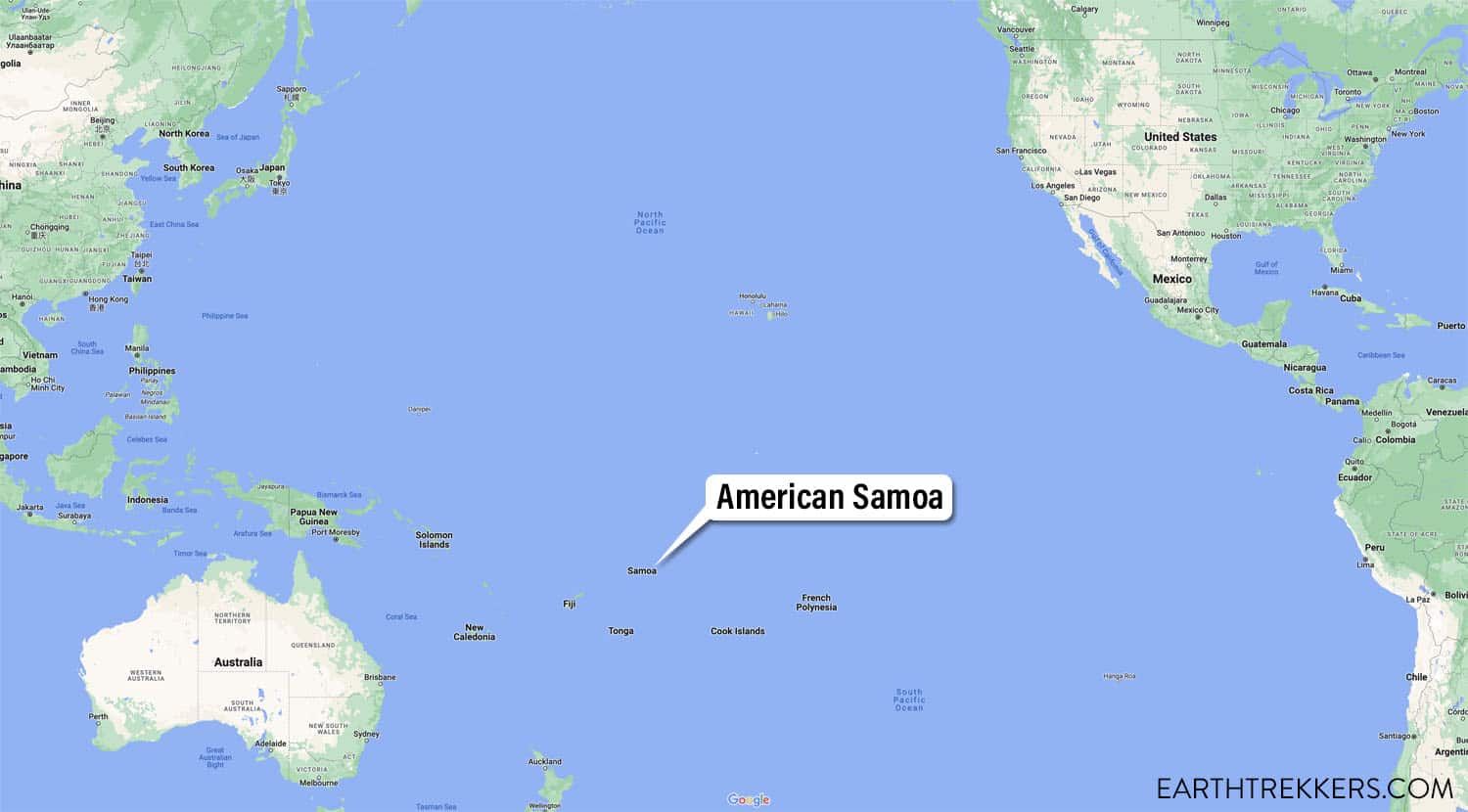
Nestled in the heart of the Pacific Ocean, American Samoa stands as a captivating testament to untouched natural beauty and rich cultural heritage. As an unincorporated territory of the United States, it offers a unique blend of American familiarity and deeply rooted Polynesian traditions, making it a truly distinct travel destination. For those dreaming of a remote island escape, understanding the logistics of reaching this distant paradise is the first crucial step. This comprehensive guide will navigate you through the various pathways to American Samoa, ensuring your journey to this secluded haven is as smooth and informed as possible.
Understanding American Samoa: Your Pacific Gateway
Before embarking on your travel plans, it’s essential to grasp what makes American Samoa a destination unlike any other, and what preparatory steps are needed to ensure a hassle-free entry. This remote archipelago, renowned for its lush rainforests, vibrant coral reefs, and the warm hospitality of its people, offers an authentic Pacific experience far removed from mainstream tourism.
Why American Samoa? A Unique Pacific Escape
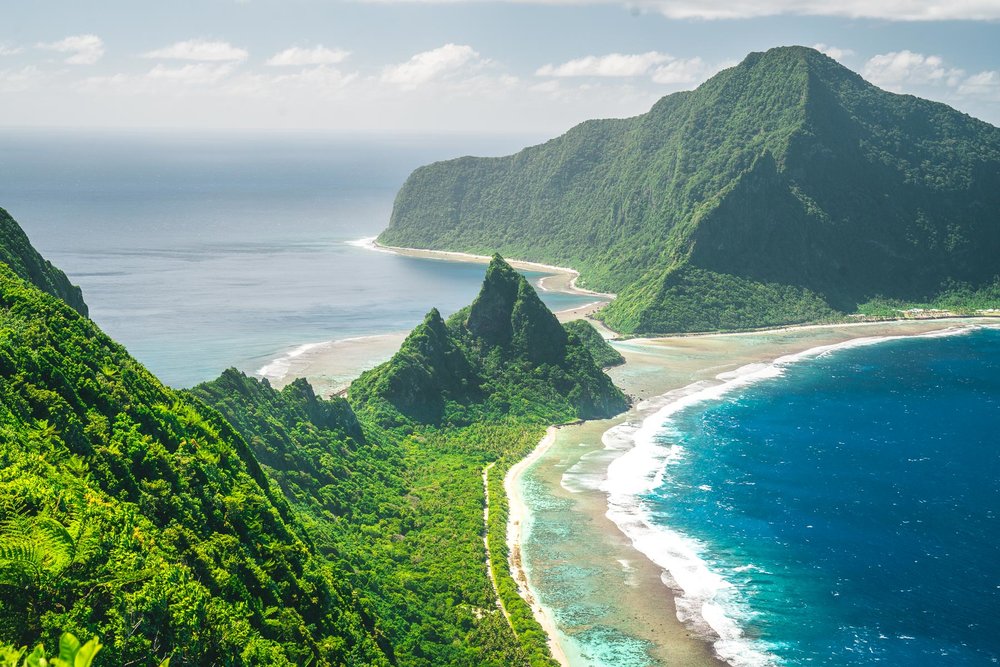
American Samoa comprises five volcanic islands and two coral atolls, with Tutuila being the largest and most populated, home to the capital, Pago Pago. Its allure lies in its pristine environment, exemplified by the National Park of American Samoa, which spans three islands (Tutuila, Ofu-Olosega, and Ta’u) and protects breathtaking landscapes, diverse marine life, and significant cultural sites. Beyond the visual splendor, visitors are drawn to the deep cultural immersion, known as “Faa Samoa,” or the Samoan Way, which prioritizes community, respect, and tradition. This territory offers an authentic glimpse into Polynesian life, where ancient customs are still very much alive and integrated into daily existence. It’s a destination for the discerning traveler seeking genuine connection, adventure, and unparalleled natural beauty without the commercialization found in many other island nations.
Key Entry Requirements
Entry into American Samoa requires careful attention to documentation. As a US territory, United States citizens and nationals do not need a visa but must present a valid, government-issued photo identification upon arrival, typically a passport or enhanced driver’s license. However, a passport is highly recommended, especially for international air travel.
For non-US citizens, entry requirements are more stringent. All foreign nationals must obtain an Entry Permit prior to arrival. This permit is typically processed through the American Samoa Department of Legal Affairs, Immigration Office. The application process usually involves submitting a valid passport copy, proof of onward or return ticket, proof of accommodation, and a non-refundable fee. Processing times can vary, so it’s advisable to apply well in advance of your intended travel date. Visitors are also generally required to have a valid passport with at least six months’ validity beyond their planned departure date. Ensuring all these documents are in order is paramount for a smooth entry and a stress-free start to your American Samoa adventure.
The Primary Route: Flying to Pago Pago
The vast majority of travelers reach American Samoa by air, touching down at the territory’s sole international airport. Understanding the flight routes and primary carriers is key to planning your journey.
Pago Pago International Airport (PPG): Your Arrival Point
Your gateway to American Samoa is Pago Pago International Airport (PPG), located on the island of Tutuila, just a few miles southwest of the capital, Pago Pago. Despite being an international airport, it’s a relatively small facility that handles a limited number of flights, primarily serving the demand from Hawaii and neighboring Samoa. Upon arrival, you’ll find basic services including car rental desks (though often unstaffed for immediate pickups, requiring prior booking), taxis, and public transportation options like “aiga” buses, which are vibrant, privately-owned vans operating on flexible schedules. The airport itself embodies the relaxed pace of island life, offering a welcoming, albeit modest, introduction to the territory.
Direct Flights and Connecting Hubs
The most common and often the only direct international route to American Samoa is via Honolulu, Hawaii (HNL). Hawaiian Airlines operates regular, albeit limited in frequency, flights between Honolulu and Pago Pago. These flights are highly sought after, so booking several months in advance is strongly recommended, especially during peak travel seasons.
For travelers originating from the US mainland or other international destinations, the journey will inevitably involve a connection through Honolulu. Major airports such as Los Angeles International Airport (LAX), San Francisco International Airport (SFO), and other international hubs across the Pacific (e.g., from Australia, New Zealand, or Fiji) offer numerous flights to Honolulu. When planning your itinerary, factor in sufficient layover time in Honolulu to account for potential delays and to comfortably transfer between flights. While the connection may seem straightforward, remember that flights to Pago Pago often operate only once or twice a week, necessitating careful scheduling.
Regional Connections: Flights from Samoa (Independent)
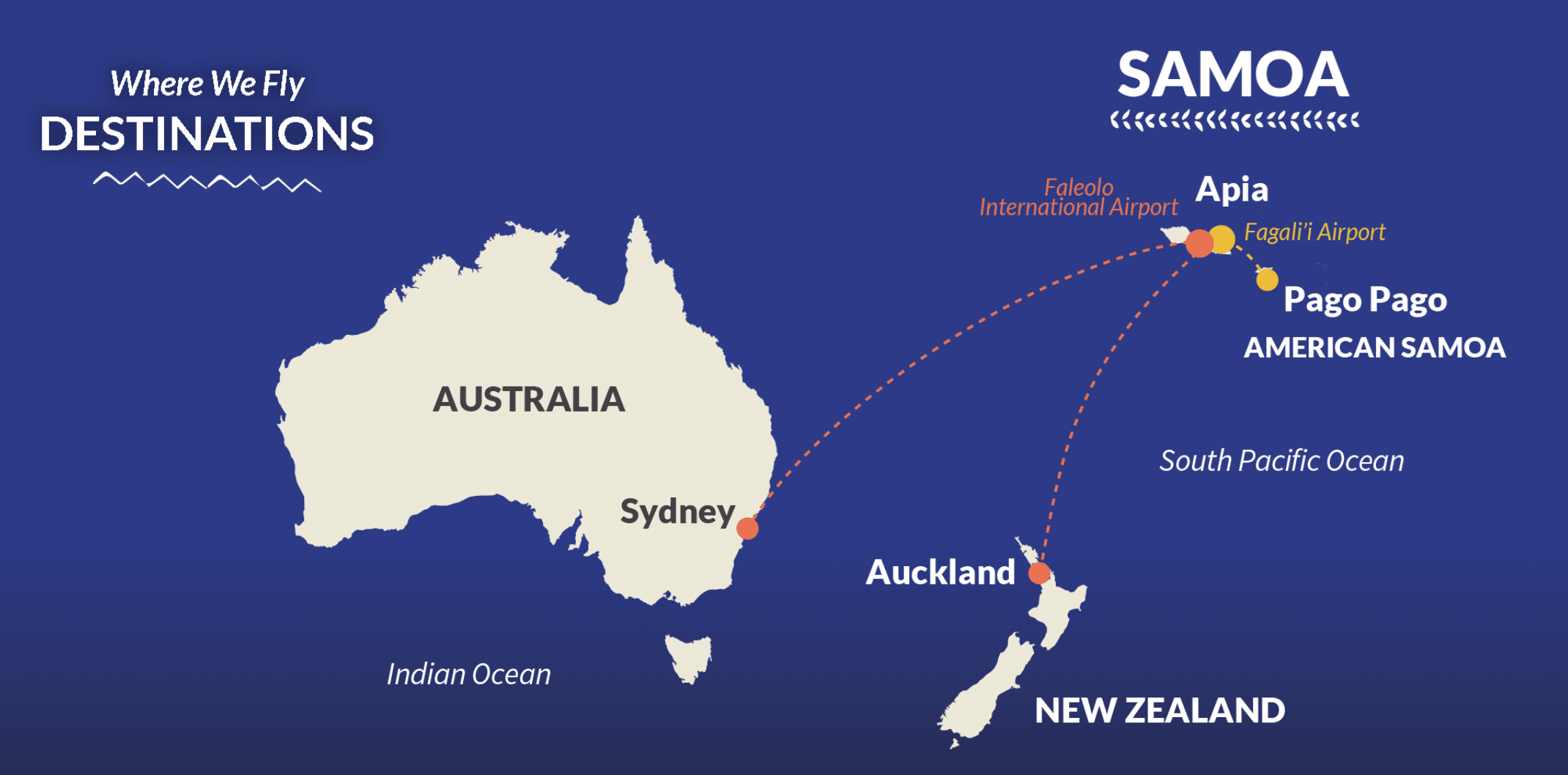
Another popular, albeit more complex, option for reaching American Samoa involves flying to Samoa (the independent nation, also known as Western Samoa) first, then taking a short inter-island flight. Samoa has a larger international airport, Faleolo International Airport (APW), near its capital, Apia, which receives more frequent flights from Australia, New Zealand, Fiji (specifically Nadi International Airport on Viti Levu), and Hawaii.
From Apia, smaller regional airlines such as Talofa Airways and Samoa Airways operate frequent flights to Pago Pago. This route offers more flexibility for those coming from the South Pacific region. However, a critical detail to remember is the International Date Line. Samoa is west of the International Date Line, placing it a full day ahead of American Samoa. This means a short 30-minute flight from Apia to Pago Pago will typically see you arrive on the previous day. While an exciting geographical quirk, it requires careful planning to avoid missed connections or unexpected itinerary changes.
Alternative Travel: Exploring by Sea
While flying remains the most practical way to reach American Samoa, a few niche options exist for those seeking a more adventurous or leisurely approach by sea.
Cruise Ship Voyages
For many, a taste of American Samoa comes as a port of call on extended Pacific cruises. Several major cruise lines occasionally include Pago Pago in their trans-Pacific or South Pacific itineraries. These visits are typically short, lasting a day or less, offering passengers a brief opportunity to explore parts of Tutuila, visit local markets, or enjoy scenic drives. While this isn’t a long-term travel solution, it’s a fantastic way to experience a snapshot of the island’s beauty and culture without the complexities of flight arrangements and immigration. Travelers interested in this option should research cruise schedules well in advance, as visits to American Samoa are not a weekly occurrence.
Freighter Travel and Private Yachts
For the truly adventurous and patient traveler, freighter travel presents a rare opportunity. These cargo ships occasionally take on a limited number of passengers, offering a unique, slow-paced journey across the Pacific. Services are infrequent, schedules are highly variable, and passenger amenities are basic, but it provides an unparalleled perspective on oceanic travel and an authentic maritime experience. Inquiries typically need to be made directly with shipping companies that operate routes through the South Pacific.
Additionally, private yachts and sailboats frequently anchor in Pago Pago Harbor, leveraging its deep, protected waters. For those with their own vessel or the means to charter one, sailing to American Samoa offers ultimate flexibility and a deeply personal connection with the ocean. Yacht owners must adhere to strict customs and immigration protocols upon arrival at the Port of Pago Pago, declaring their vessel and all passengers. This mode of travel, while scenic and liberating, requires extensive planning, maritime expertise, and adherence to international sailing regulations.
Essential Travel Tips for a Smooth Journey
A trip to American Samoa requires more than just knowing how to get there; it demands foresight and preparation to ensure a truly enriching experience.
Booking Flights and Accommodations
Due to the limited flight availability, especially from Honolulu via Hawaiian Airlines, securing your tickets several months in advance is non-negotiable. Flight prices can also fluctuate significantly, so early booking often yields better rates. Similarly, accommodation options in American Samoa are few and far between, ranging from small hotels in Pago Pago to guesthouses and eco-lodges scattered across the islands. Research and book your lodging well ahead of time, particularly if you plan to visit during local holidays or festivals. Many accommodations are family-run, offering a more intimate experience.
Navigating Local Transport Upon Arrival
Once you arrive at Pago Pago International Airport, several options exist for getting around. Taxis are available but can be expensive. Renting a car offers the most flexibility for exploring Tutuila’s scenic roads and secluded beaches. However, rental car agencies are limited, and it’s best to pre-book your vehicle. Alternatively, the colorful “aiga” buses provide a quintessential Samoan experience. These privately owned and decorated vans operate on flexible routes and schedules, offering a very affordable way to travel, albeit often without fixed stops or timetables. Embracing the local transport adds an authentic layer to your travel experience.
Time Zone and Currency
American Samoa observes American Samoa Time (AST), which is 11 hours behind Coordinated Universal Time (UTC-11). It is one of the last places on Earth to see a new day, placing it 25 hours behind Samoa (independent) and 19 hours behind the US East Coast. The official currency is the US Dollar ($), making transactions straightforward for US visitors. Credit card acceptance can be limited outside of major establishments, so carrying sufficient cash, especially for local markets, smaller eateries, and remote areas, is highly advisable.
Health and Safety Considerations
While American Samoa is generally a safe destination, it’s wise to take standard travel precautions. Consult your doctor about recommended vaccinations before your trip. Pack mosquito repellent, as mosquito-borne illnesses can occur. Local medical facilities are basic, so comprehensive travel insurance that covers medical emergencies and potential evacuations is highly recommended. Always respect local customs and traditions, particularly when visiting villages or religious sites. The warm tropical climate necessitates staying hydrated and protecting yourself from the sun.
Preparing for Your American Samoa Adventure
Beyond the practicalities of travel, a few considerations can significantly enhance your experience in American Samoa.
What to Pack
Given the tropical climate, lightweight, breathable clothing is essential. Pack swimwear, reef shoes for exploring coral areas, and sturdy sandals or walking shoes for hikes. Sun protection, including a wide-brimmed hat, sunglasses, and high-SPF sunscreen, is crucial. Insect repellent is a must-have. Due to limited shopping options, it’s advisable to bring any personal medications or specialized toiletries you might need. A waterproof bag for beach excursions and electronics protection is also highly useful.
Cultural Etiquette
Understanding and respecting the “Faa Samoa” is paramount. Modest dress is appreciated, particularly outside of resort areas and especially when visiting villages or attending church services. Women should avoid overly revealing clothing, and both men and women should consider covering their shoulders and knees. Always ask for permission before taking photographs of individuals, and when entering a Fale (traditional Samoan house), it’s customary to remove your shoes and sit cross-legged if possible. Avoid eating or drinking while walking through a village, and never point with your feet. Embracing these customs shows respect and will open doors to deeper cultural interactions.
Connectivity
Wi-Fi and internet access can be sporadic and slow, especially outside Pago Pago. While some hotels offer Wi-Fi, it’s often an additional cost. Consider purchasing a local SIM card upon arrival if staying connected is a priority, but be prepared for limited service in remote areas. Use this opportunity to disconnect and immerse yourself fully in the natural beauty and unique culture of American Samoa.
Reaching American Samoa is an adventure in itself, a journey that transports you to a corner of the world where time seems to slow down, and nature reigns supreme. While it requires diligent planning and a flexible mindset, the rewards of experiencing its unspoiled landscapes, vibrant culture, and the genuine warmth of its people are immeasurable. With this guide, you are now well-equipped to plan your unforgettable trip to this extraordinary Pacific paradise.
LifeOutOfTheBox is a participant in the Amazon Services LLC Associates Program, an affiliate advertising program designed to provide a means for sites to earn advertising fees by advertising and linking to Amazon.com. Amazon, the Amazon logo, AmazonSupply, and the AmazonSupply logo are trademarks of Amazon.com, Inc. or its affiliates. As an Amazon Associate we earn affiliate commissions from qualifying purchases.