
Antelope Canyon, a mesmerizing slot canyon carved by wind and water over millennia, stands as one of Arizona’s most iconic natural wonders. Located on Navajo Nation land near Page, Arizona, this breathtaking destination draws visitors from around the globe with its swirling sandstone walls, ethereal light beams, and vibrant hues. Reaching this natural masterpiece requires a bit of planning, as access is strictly managed to preserve its delicate beauty and ensure visitor safety. This guide will navigate you through the essential steps to experience the magic of Antelope Canyon.
Understanding Antelope Canyon Access
Access to Antelope Canyon is exclusively through guided tours operated by authorized Navajo guides. Independent exploration is not permitted due to the canyon’s location on tribal lands and the inherent risks associated with slot canyons, including flash floods and uneven terrain. This regulation is crucial for both the protection of the environment and the safety of visitors. Understanding this fundamental rule is the first step in planning your visit.
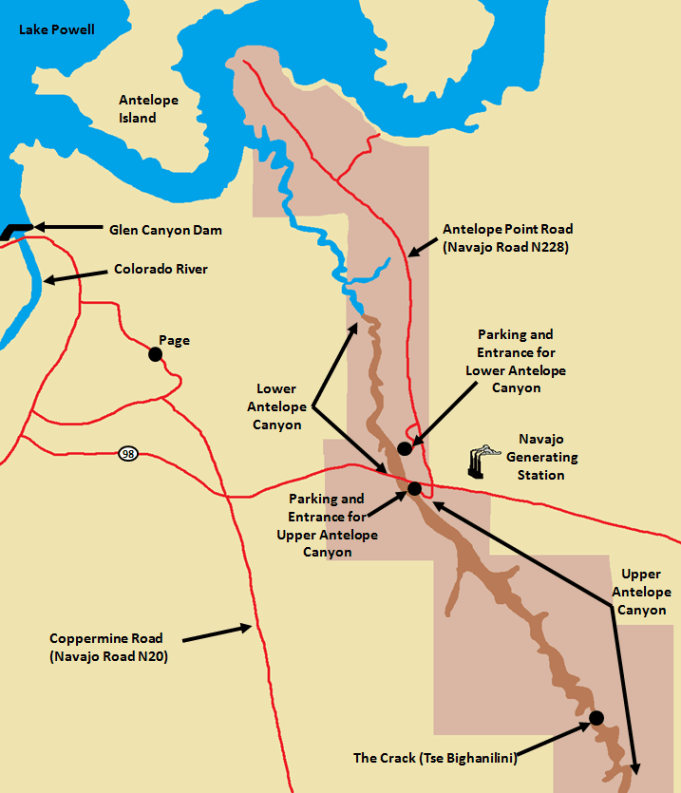
Upper Antelope Canyon vs. Lower Antelope Canyon
Antelope Canyon is divided into two main sections: Upper Antelope Canyon (Tsé bighánílíní) and Lower Antelope Canyon (Hazdistazí). While both offer spectacular geological formations and light displays, they differ in their accessibility and overall experience.
Upper Antelope Canyon
Upper Antelope Canyon is the more famous of the two, renowned for its dramatic light beams that pierce the canyon’s ceiling, particularly during the midday hours (roughly 11 AM to 1 PM) from late spring to early fall. The canyon floor is largely flat and at ground level, making it easier to walk through. Access involves a 4×4 vehicle ride from the tour operator’s meeting point to the canyon entrance. The tour is typically shorter and can feel more crowded due to its popularity.
Lower Antelope Canyon
Lower Antelope Canyon, on the other hand, requires visitors to navigate a series of steep metal staircases and ladders to descend into and ascend from the canyon. This section is narrower and more physically demanding, offering a more intimate and adventurous experience. The light in Lower Antelope Canyon is often more diffuse and consistent throughout the day, creating a softer, more ethereal glow. Many visitors find the exploration of Lower Antelope Canyon to be equally, if not more, rewarding due to its unique challenges and perspectives.
The Importance of Booking Tours
Booking your tour in advance is not just recommended; it’s essential. Tours, especially for Upper Antelope Canyon during peak light beam hours, sell out months ahead of time. Several authorized tour operators are available, and it’s wise to compare options, tour lengths, and prices.
Key Considerations When Booking:
- Tour Operator: Research and choose a reputable tour operator. Look for those with good reviews and clear communication regarding meeting points, tour duration, and what is included.
- Time of Year: The time of year significantly impacts the light and crowds. The summer months (May to September) offer the best chance for light beams in Upper Antelope Canyon, but also bring the largest crowds and hottest temperatures. Shoulder seasons (spring and fall) offer pleasant weather and fewer visitors, though light beams may be less pronounced.
- Time of Day: For Upper Antelope Canyon, midday tours (11 AM to 1 PM) are prime for light beams. For Lower Antelope Canyon, early morning or late afternoon tours can offer beautiful light without the intense midday sun.
- Tour Type: Some operators offer photography tours, which typically allow more time within the canyon and are scheduled for optimal lighting conditions, though they often come at a higher price point. Standard tours are generally a set duration.
Planning Your Journey to Antelope Canyon
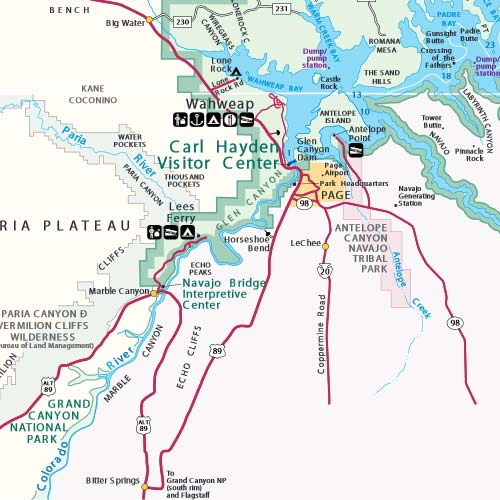
The gateway city to Antelope Canyon is Page, Arizona. Most visitors fly into a major airport and then drive to Page.
Getting to Page, Arizona
- By Air: The closest major airport to Page, Arizona is Phoenix Sky Harbor International Airport (PHX), approximately a 4.5-hour drive away. Another option is McCarran International Airport (LAS) in Las Vegas, Nevada, which is about a 4.5 to 5-hour drive. Smaller regional airports may exist, but generally involve more complex connections.
- By Car: Renting a car is highly recommended for flexibility in exploring Page, Arizona and its surrounding attractions. The drive from Phoenix or Las Vegas is scenic, passing through diverse desert landscapes. Major highways leading to Page include US-89.

Transportation to the Canyon from Page
Once you are in Page, Arizona, your tour operator will provide specific instructions for meeting.
- Upper Antelope Canyon: Most tours for Upper Antelope Canyon require you to meet at the tour operator’s office in Page or at a designated meeting point near the canyon entrance. From there, you will be transported in a 4×4 vehicle across a sandy, uneven terrain to the canyon’s opening.
- Lower Antelope Canyon: Tours for Lower Antelope Canyon typically depart from tour operator offices in Page or may have a meeting point closer to the canyon itself. Transportation to the canyon entrance is usually via a standard vehicle, followed by a short walk to the stairs leading into the canyon.
Important Note: Many tour operators will require you to arrive at their meeting point at least 30 minutes before your scheduled tour time to complete check-in and any necessary paperwork.
Essential Tips for Your Antelope Canyon Visit
To ensure a smooth and memorable experience, consider these practical tips:
What to Bring and Wear
- Comfortable Footwear: Closed-toe walking shoes with good traction are a must. You’ll be walking on sand, uneven surfaces, and climbing stairs.
- Water: Staying hydrated is crucial, especially during warmer months. Carry a reusable water bottle.
- Sun Protection: Wear sunscreen, a hat, and sunglasses, as you will be exposed to the sun while waiting for tours and during transport.
- Lightweight Clothing: Dress in layers of lightweight, breathable clothing. Temperatures can vary.
- Camera: Antelope Canyon is incredibly photogenic. Ensure your camera or phone is fully charged and has sufficient storage.
- Small Bag or Backpack: A small bag to carry essentials is recommended. Large backpacks or bags are often prohibited to avoid damage to the canyon walls.
What to Leave Behind
- Tripods and Monopods: These are generally not allowed on standard tours to maintain group flow and prevent damage. Photography tours may have different regulations.
- Drones: Drones are strictly prohibited on Navajo Nation land.
- Pets: Pets are not allowed within Antelope Canyon.
- Large Bags and Backpacks: As mentioned, these can be cumbersome and potentially damaging.
Navigating the Canyon Experience
- Listen to Your Guide: Navajo guides are incredibly knowledgeable about the canyon’s geology, history, and cultural significance. They are also responsible for your safety. Pay attention to their instructions.
- Stay with Your Group: For safety and to avoid disrupting other tours, always stay with your designated group.
- Respect the Environment: Do not touch, lean on, or remove anything from the canyon walls. The sandstone is fragile and susceptible to erosion.
- Flash Photography: While allowed on some tours, be mindful of your flash photography as it can sometimes interfere with the natural light and the experience of others.
- Be Prepared for Crowds: Antelope Canyon is a popular attraction. Be patient and understanding, especially during peak seasons.
Beyond Antelope Canyon: Exploring the Page Area
Your visit to Antelope Canyon is often part of a broader exploration of the stunning natural beauty surrounding Page, Arizona. Many visitors combine their canyon tour with visits to other iconic landmarks in the region.
Nearby Attractions
- Horseshoe Bend: Just a few miles south of Page on US-89, Horseshoe Bend offers a breathtaking panoramic view of the Colorado River making a dramatic 270-degree turn. A short, paved walk leads to the overlook.
- Lake Powell: This vast man-made reservoir offers opportunities for boating, swimming, kayaking, and scenic boat tours. The Glen Canyon Dam that created Lake Powell is also a point of interest.
- Monument Valley Navajo Tribal Park: While further afield (about a 2-hour drive east), Monument Valley is another must-see on the Navajo Nation, famous for its towering sandstone buttes that have been featured in countless films.
- Grand Canyon National Park: The South Rim of the Grand Canyon is about a 2.5 to 3-hour drive from Page, making it a feasible addition to an itinerary.
Accommodation and Dining in Page
Page, Arizona offers a range of lodging options, from familiar hotel chains to local motels. Popular choices include the Hyatt Place Page/Lake Powell, Country Inn & Suites by Radisson, Page, AZ, and the Best Western Plus At Lake Powell. For dining, Page has numerous restaurants serving various cuisines, catering to tourists and locals alike.
By understanding the access requirements, planning your transportation, and preparing for your visit, you can unlock the profound beauty of Antelope Canyon and create lasting memories of one of nature’s most extraordinary creations.
LifeOutOfTheBox is a participant in the Amazon Services LLC Associates Program, an affiliate advertising program designed to provide a means for sites to earn advertising fees by advertising and linking to Amazon.com. Amazon, the Amazon logo, AmazonSupply, and the AmazonSupply logo are trademarks of Amazon.com, Inc. or its affiliates. As an Amazon Associate we earn affiliate commissions from qualifying purchases.