
Navigating from O’Hare Airport (ORD), one of the world’s busiest airports, to the vibrant heart of Downtown Chicago can seem daunting for first-time visitors or even seasoned travelers. However, Chicago offers a robust and diverse range of transportation options, catering to every budget, time constraint, and preference. Understanding these choices is key to commencing your visit to the Illinois metropolis seamlessly. From efficient public transit to private luxury transfers, this guide breaks down the most effective ways to reach your downtown destination.
The Most Efficient: Public Transportation via the ‘L’ Train
For many travelers, especially those mindful of budget and local experience, the Chicago Transit Authority (CTA) ‘L’ train system offers the most straightforward and cost-effective route to Downtown Chicago. The Blue Line is the direct rail link connecting O’Hare Airport to the city center.
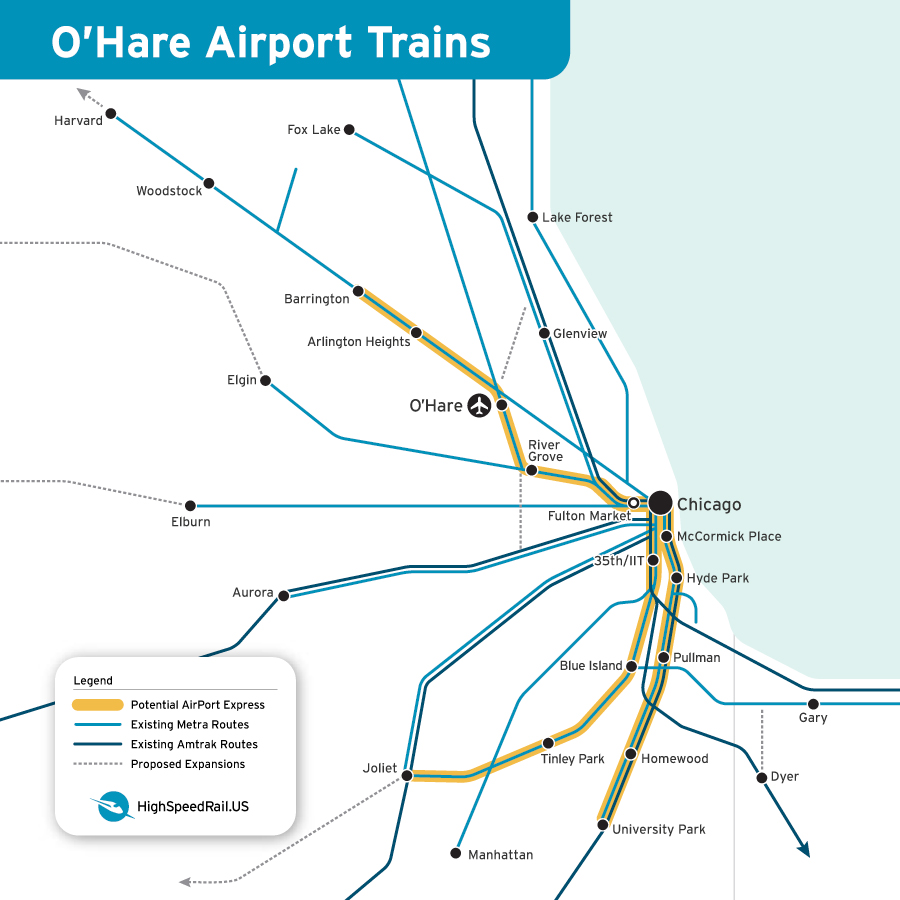
Understanding the Blue Line
The Blue Line station at O’Hare is conveniently located on the lower level of Terminal 2, accessible via underground walkways from Terminals 1 and 3. If you arrive at Terminal 5 (International Arrivals), you’ll need to take the free Airport Transit System (ATS) automated train to Terminal 2 or 3 to access the Blue Line. The trains run 24 hours a day, 7 days a week, making it a reliable option regardless of your arrival time. Once aboard, the train makes several stops within the city, including popular downtown areas like the Loop, before continuing north.
Fares and Ventra Card
To ride the CTA Blue Line, you’ll need a Ventra Card, Ventra ticket, or use contactless payment directly from a credit/debit card. Ventra Card vending machines are available at the airport station. A single ride from O’Hare to Downtown Chicago typically costs a slightly higher fare than standard CTA rides due to its airport connection, but it remains significantly cheaper than other options. You can load money onto a disposable Ventra ticket or a reusable Ventra Card, which is advisable if you plan on using public transit extensively during your stay. Unlimited ride passes (1-day, 3-day, 7-day) are also available and can offer greater value.
Travel Time and Convenience
The journey from O’Hare to the Loop typically takes between 45 to 60 minutes, depending on your specific destination and time of day. While it might take longer than a taxi during off-peak hours, the Blue Line is immune to traffic congestion, ensuring predictable travel times. For those with light luggage and a desire to experience local transport, the ‘L’ train is an excellent choice. It drops you off directly in the heart of the city, often within walking distance or a short connection to hotels and attractions like Millennium Park or the Art Institute of Chicago.
Convenience and Comfort: Taxis and Rideshares
For travelers prioritizing convenience, door-to-door service, or those with heavy luggage, traditional taxis and modern rideshare services (Uber, Lyft) present viable alternatives to public transit. These options offer a more direct and often quicker journey, especially during non-peak traffic times.
Traditional Taxis
Taxi stands are readily available at all O’Hare terminals, typically on the lower level outside Baggage Claim. Follow the signs for “Ground Transportation” or “Taxi.” Chicago taxis are metered, and fares to Downtown Chicago generally range from $40 to $60, excluding tip, depending on traffic and exact destination. There may also be additional charges for tolls or extra passengers. Taxis provide the advantage of a professional driver familiar with the city and no need for app navigation. It’s a straightforward option for immediate departure from the airport.
Rideshare Services (Uber/Lyft)
Uber and Lyft have designated pickup zones at O’Hare, usually located on the upper level (Departures) for Terminals 1, 2, and 3, and a specific area for Terminal 5. Follow the app’s instructions and airport signage to find your designated pickup spot. Fares for rideshare services can vary significantly based on demand, time of day (surge pricing), and the type of service requested (e.g., standard, XL, premium). Typically, a ride to Downtown Chicago might cost anywhere from $35 to $70. The convenience of booking and paying through an app, coupled with the ability to choose your vehicle size, makes rideshares a popular choice for many.
Pricing and Peak Hours Considerations
When opting for a taxi or rideshare, it’s crucial to consider Chicago’s notorious traffic, especially during weekday rush hours (roughly 7-9 AM and 4-6 PM) and on weekends with major events. Traffic can significantly extend travel times and increase metered taxi fares or trigger surge pricing for rideshares. While these services offer comfort and direct routes, planning for potential delays and higher costs during peak times is advisable.
Private and Shared Shuttle Services
For groups, families with children, or individuals with excessive luggage, private and shared-ride shuttle services offer a balance between the cost-effectiveness of public transit and the directness of a taxi. These services often require pre-booking, providing peace of mind upon arrival.
Pre-booked Private Cars
Private car services, limousines, or executive sedans offer a premium, hassle-free experience. Upon booking, a driver will meet you inside the terminal (often with a sign) or at a designated pick-up point, assist with luggage, and drive you directly to your downtown accommodation. This option is ideal for business travelers, those seeking luxury, or anyone wanting to avoid queues and navigate unknown transportation hubs. Prices are typically higher, ranging from $70 to $150 or more, but the personalized service and comfort can be worth the investment, especially for significant events or special occasions.

Shared-Ride Shuttles
Shared-ride shuttle services, such as Go Airport Express, transport multiple passengers heading to various downtown destinations. While they are more affordable than private cars, they make several stops, which can extend travel time. Passengers are picked up at designated locations outside the terminals. Booking in advance is highly recommended to secure your spot and often results in better rates. Fares generally range from $30 to $45 per person, making it an attractive option for solo travelers or small groups who don’t mind a slightly longer journey in exchange for cost savings.
Benefits for Groups or Heavy Luggage
Shuttles, particularly private ones, are excellent for groups as the per-person cost can decrease, and everyone can travel together without splitting into multiple taxis or rideshares. For travelers with multiple large suitcases, sports equipment, or other bulky items, shuttles also often provide more generous luggage allowances than standard taxis or rideshares, alleviating concerns about fitting everything into a standard vehicle.
Driving Yourself: Rental Cars
For travelers planning extensive excursions beyond Downtown Chicago or those who prefer the independence of having their own vehicle, renting a car at O’Hare is an option. However, it comes with specific considerations for urban travel.
Navigating O’Hare’s Rental Car Center
All major rental car agencies operate out of the Multi-Modal Facility (MMF), also known as the Rental Car Center, located a short distance from the terminals. A free 24/7 Airport Transit System (ATS) train connects all terminals directly to the MMF, making it easy to pick up your vehicle. This centralized facility streamlines the rental process, offering a wide selection of vehicles from various providers.
Driving to Downtown: Routes and Traffic
The drive from O’Hare to Downtown Chicago typically involves taking the Kennedy Expressway (I-90/94) eastbound. Without traffic, the journey can take 30-45 minutes. However, as previously mentioned, Chicago traffic can be very heavy, especially during rush hours, potentially doubling or tripling travel times. GPS navigation is essential to help with real-time traffic updates and route selection.
Parking in Downtown Chicago
Perhaps the biggest deterrent to renting a car for solely downtown travel is the cost and availability of parking. Downtown Chicago parking can be exceedingly expensive, with daily rates at garages often exceeding $40-$60, and many hotels charging similar fees for valet or self-parking. Street parking is scarce, metered, and subject to strict regulations. If your primary activities are within the downtown core, where public transportation is excellent and walkable attractions like Willis Tower and the Magnificent Mile abound, a rental car might be more of a hindrance than a convenience.
Choosing Your Best Option: Key Considerations
Selecting the ideal transportation method depends heavily on your individual travel priorities and circumstances. Consider the following factors when making your decision:
Budget Constraints
If cost is your primary concern, the CTA Blue Line is unequivocally the most economical choice. Shared-ride shuttles offer a middle-ground, while taxis, rideshares, and private car services represent higher-cost options. Rental cars, once parking is factored in, can also become quite expensive.
Time Sensitivity
For guaranteed predictable travel times and immunity to traffic, the Blue Line is reliable. During non-peak hours, a taxi or rideshare might be quicker for a direct route. However, during rush hour, the ‘L’ train often surpasses road vehicles in speed. Private car services offer directness without the uncertainty of finding a ride.
Luggage Volume and Travel Companions
Traveling solo with minimal luggage makes the Blue Line perfectly manageable. Larger groups, families with young children, or those with significant luggage might find taxis, rideshares, or private/shared shuttles more comfortable and practical, as they offer more space and direct delivery to your accommodation.

Time of Day and Day of Week
Your arrival time at O’Hare can dramatically influence the best choice. Early morning or late-night arrivals might benefit from the 24/7 ‘L’ service or the relatively clear roads for taxis/rideshares. Midday or weekday rush hour arrivals often favor the subway due to heavy traffic on expressways like the Kennedy Expressway leading into the city center or to specific destinations such as McCormick Place or River North. Always check local traffic conditions if you plan on road transport.
LifeOutOfTheBox is a participant in the Amazon Services LLC Associates Program, an affiliate advertising program designed to provide a means for sites to earn advertising fees by advertising and linking to Amazon.com. Amazon, the Amazon logo, AmazonSupply, and the AmazonSupply logo are trademarks of Amazon.com, Inc. or its affiliates. As an Amazon Associate we earn affiliate commissions from qualifying purchases.