
Navigating the journey from the bustling metropolis of Chicago to the car-free serenity of Mackinac Island is a well-trodden path for many seeking a unique escape. This picturesque island, nestled in Lake Huron, offers a step back in time, where horse-drawn carriages replace automobiles and the scent of fudge fills the air. While the distance isn’t prohibitive, understanding the best travel methods, considering factors like time, budget, and personal preference, is key to a seamless and enjoyable experience. This guide will break down the most efficient and popular ways to make the trip, ensuring your transition from the urban sprawl to island charm is as smooth as the gentle lapping of waves against the shore.

Planning Your Journey: Key Considerations
Before embarking on your adventure, a few fundamental questions will shape your travel plans. The most significant is your chosen mode of transport, which will directly influence your journey’s duration, cost, and the overall experience.
Mode of Transportation: Car, Train, or Plane?
The primary decision revolves around how you’ll cover the approximately 300-mile distance between Chicago and the ferry departure points for Mackinac Island. Each option presents its own set of advantages and disadvantages.
Driving Your Own Vehicle
Driving offers the most flexibility and is often the most economical option for families or groups. The drive from Chicago to the ferry docks in either St. Ignace or Mackinaw City takes approximately 4 to 5 hours, depending on traffic and road conditions.
- Route: The most common route involves taking I-94 East out of Chicago towards Michigan. You’ll then connect to I-196 North and eventually I-75 North. As you approach northern Michigan, follow signs for either St. Ignace or Mackinaw City, depending on which ferry service you choose.
- Parking: Once you arrive at your chosen ferry terminal, you’ll need to arrange for parking. Both ferry companies offer various parking options, from free, open-lot parking to secure, covered garages. It’s advisable to research these options in advance, especially during peak season, to ensure availability and understand associated costs. Some visitors opt for long-term parking if they plan an extended stay on the island.
- Pros: Flexibility in departure time, ability to pack more luggage, cost-effective for groups, allows for scenic detours.
- Cons: Requires navigating traffic, potential for gas costs, need to find and pay for parking, ferry ticket cost is separate.
Utilizing Amtrak for a Relaxing Rail Journey
For those who prefer to forgo the stress of driving, Amtrak offers a scenic and comfortable alternative. The journey involves a train from Chicago Union Station to a station near the ferry departure points, followed by a short transfer.
- Route: The most practical Amtrak route for reaching Mackinac Island typically involves taking the “Pere Marquette” or “Blue Water” lines from Chicago to Port Huron or other Michigan destinations, and then potentially connecting to a bus or taxi service to reach the ferry towns. Alternatively, some travelers might find a route that ends closer to the Straits of Mackinac, though direct train service to St. Ignace or Mackinaw City is not common. It’s essential to check the Amtrak schedule and routes carefully for the most up-to-date information and the most efficient transfer options.
- Transfer: From the Amtrak station, you will need to arrange for a taxi, ride-share service, or pre-booked shuttle to transport you to the ferry docks in St. Ignace or Mackinaw City. This transfer time and cost should be factored into your overall travel plan.
- Pros: Relaxing travel experience, ability to read or work, often more environmentally friendly, avoids parking hassles.
- Cons: Can be slower than driving, requires transfers, may involve additional costs for ground transportation, less flexibility.
Flying: The Fastest, Though Not Most Direct, Option
While there are no direct commercial flights to Mackinac Island itself, flying to a nearby airport can be the quickest way to cover the distance, especially if you’re starting from a bit further afield within the Chicago metropolitan area or have limited time.
- Airports: The closest airports to the ferry docks are Pellston Regional Airport (PLN) and Grosse Pointe Woods Civic Air Terminal (YTG) in Michigan, or Mackinac Island Airport (MCD) for smaller, private aircraft. Commercial flights into Pellston are limited, and most travelers flying commercially will likely need to fly into a larger hub like Pellston or even Traverse City (TVC) and then arrange ground transportation.
- Ground Transportation: From Pellston, a taxi, rental car, or shuttle service will be necessary to reach the ferry docks in Mackinaw City or St. Ignace. The drive is approximately 30-45 minutes.
- Pros: Fastest travel time for the main leg of the journey, good for those with limited vacation days.
- Cons: Most expensive option, requires additional ground transportation, limited flight options to smaller airports, less scenic.
Choosing Your Ferry Service
Once you’ve arrived at either St. Ignace on the Upper Peninsula or Mackinaw City on the Lower Peninsula, you’ll board a ferry for the final leg of your journey to Mackinac Island. The two primary ferry operators are:
- Shepler’s Mackinac Island Ferry: Operating from both St. Ignace and Mackinaw City, Shepler’s is a popular choice. They offer various ticket options, including seasonal passes and package deals that might include attractions. Their ferries provide excellent views of the Mackinac Bridge.
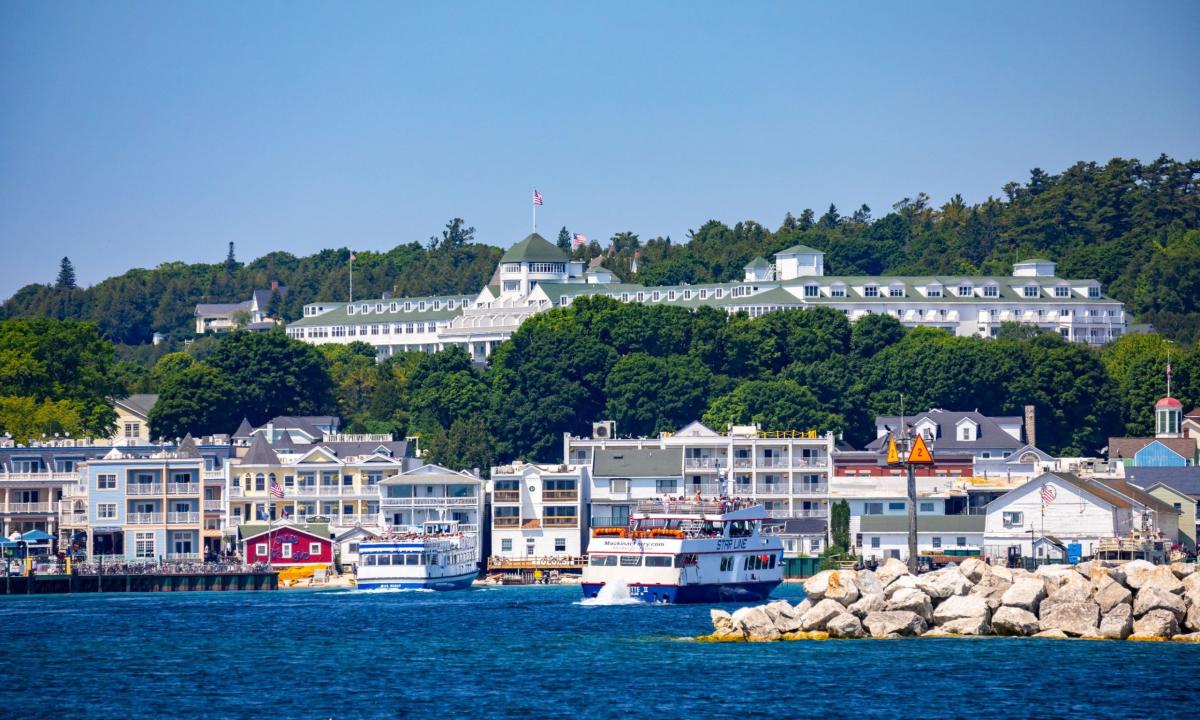
- Star Line Mackinac Island Ferry: Also departing from both St. Ignace and Mackinaw City, Star Line offers similar services. They are known for their “Hydro-Jet” ferries, which are faster and provide a thrilling ride across the water.

Key Ferry Considerations:
- Departure Location: Decide whether you prefer to depart from the Upper Peninsula (St. Ignace) or the Lower Peninsula (Mackinaw City). This choice may depend on your driving route or accommodation plans.
- Ferry Schedule: Ferries run frequently throughout the day, but schedules can vary depending on the season. It’s crucial to check the ferry company’s website for the most up-to-date operating hours and departure times.
- Ferry Duration: The ferry ride itself is typically around 15-25 minutes, offering stunning views of the Mackinac Bridge and the island as you approach.
- Baggage: Ferries are well-equipped to handle luggage. You can typically check your bags with the ferry staff and pick them up upon arrival on the island.
On-Island Transportation: Embracing the Car-Free Lifestyle
Upon disembarking the ferry, you’ll immediately notice the absence of cars. Mackinac Island is committed to preserving its historical ambiance, and transportation relies on a charming array of horse-drawn carriages, bicycles, and your own two feet.
Horse-Drawn Taxis and Tours
Horse-drawn taxis are the primary mode of public transportation on the island. They operate on a set route and can be hailed from designated stands or by signaling the driver. For a more in-depth exploration, consider taking a narrated horse-drawn carriage tour. These tours provide a comprehensive overview of the island’s history, landmarks, and natural beauty, with knowledgeable drivers sharing fascinating stories.
Bicycle Rentals
For independent exploration, renting a bicycle is highly recommended. Numerous bike rental shops are conveniently located near the ferry docks. You can rent bicycles for a few hours, a full day, or even for your entire stay. Cycling the 8.2-mile perimeter road, known as M-185, is a must-do activity, offering breathtaking views of the lake and surrounding scenery. Remember that bicycles are a popular mode of transport, so locking your bike securely is advisable when leaving it unattended.
Walking: The Quintessential Island Experience
Many of the island’s attractions, particularly those in the downtown area and within Fort Mackinac, are easily accessible on foot. A leisurely stroll allows you to fully immerse yourself in the island’s unique atmosphere, discover hidden shops, and enjoy the architecture. For those staying in hotels within the main village, walking is often the most convenient way to get around.
Accommodations on Mackinac Island: A Range of Options
While the focus of this guide is on transportation from Chicago, a brief mention of accommodations is warranted, as your choice of lodging may influence your ferry terminal preference and how you approach the island upon arrival.
- Grand Hotels and Historic Inns: Mackinac Island is home to iconic establishments like the Grand Hotel and other charming historic inns. These often offer packages that may include ferry transportation.
- Boutique Hotels and Bed & Breakfasts: A variety of smaller hotels and B&Bs provide more intimate and personalized stays.
- Cottages and Vacation Rentals: For longer stays or families, renting a cottage or vacation home can be a great option.
Regardless of where you choose to stay, most accommodations are within walking distance or a short carriage ride from the ferry docks, making your transition from your travel day to island relaxation seamless.
Final Tips for a Smooth Transition
To ensure your journey from Chicago to Mackinac Island is as enjoyable as the destination itself, consider these final tips:
- Book in Advance: Especially during peak season (summer), booking ferry tickets, accommodations, and rental cars (if applicable) in advance is highly recommended to secure your preferred options and potentially better rates.
- Check the Weather: Michigan weather can be unpredictable. Pack layers and check the forecast before you depart, as well as for your time on the island.
- Pack Appropriately: Comfortable walking shoes are essential. Bring layers of clothing, rain gear, and sun protection.
- Embrace the Pace: Mackinac Island operates at a slower pace. Allow yourself to relax, disconnect, and savor the unique charm of this historic destination.
- Ferry Parking: If driving, research the parking options at your chosen ferry terminal and consider pre-booking if available.
- Consider Time of Year: Travel during the shoulder seasons (late spring or early fall) can offer fewer crowds and potentially lower prices, while still providing a beautiful island experience.
By carefully planning your route, selecting the most suitable mode of transport, and understanding the unique on-island transportation options, your journey from the vibrant energy of Chicago to the tranquil beauty of Mackinac Island will be an experience you’ll cherish.
LifeOutOfTheBox is a participant in the Amazon Services LLC Associates Program, an affiliate advertising program designed to provide a means for sites to earn advertising fees by advertising and linking to Amazon.com. Amazon, the Amazon logo, AmazonSupply, and the AmazonSupply logo are trademarks of Amazon.com, Inc. or its affiliates. As an Amazon Associate we earn affiliate commissions from qualifying purchases.